

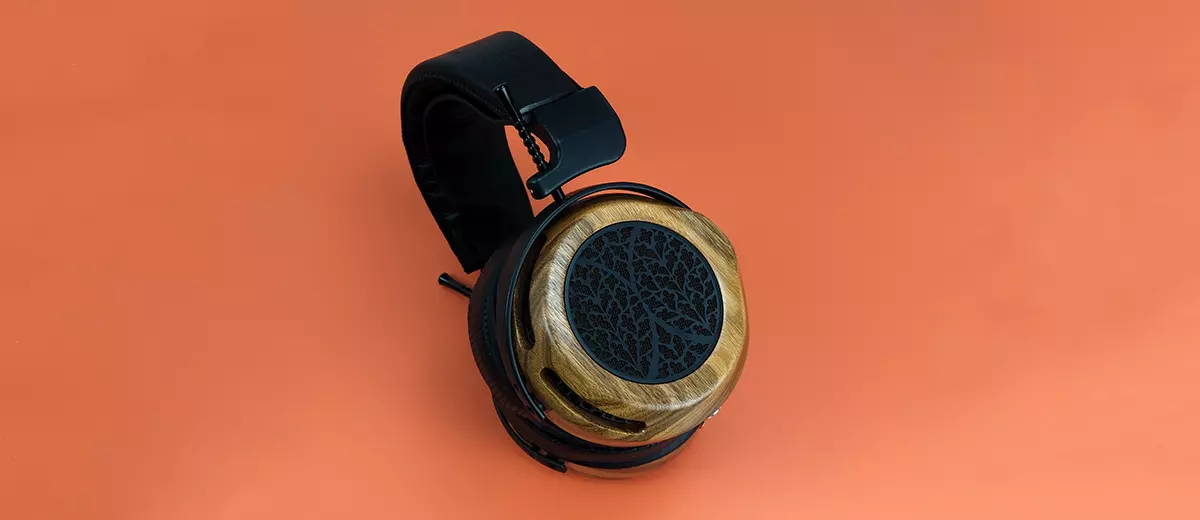
Synergy
The pairings analysis of the ZMF Headphones Tessidera was completed using a balanced 4.4mm or 4-pin XLR connection.
Portable Pairings
I tested the ZMF Headphones Tessidera with the HiBy RS8 II, FiiO’s M27, the iBasso DX340/AMP17 combo, Cayin’s N6iii/T201, and the Cayin RU9 dongle DAC.
Each one of these brought something different to the table, but the overall bias I had was for a neutral-to-natural source with good dynamics and a slight heft to the low-end for additional weight in the instrumental notes.
For example, both the DX340/AMP17 and the M27 were excellent for midrange clarity and vocal impact, the best of the bunch. However, they remained resolutely neutral, which in turn gave a restrained quality to the Tessidera’s performance.
I had to admire both for the reference-like delivery from the Tessidera; everything was pitch perfect, with the DX340 veering slightly punch and contrast, and the M27 smoothing out the upper-mids of the Tessidera a bit more.
Even when playing with tube output sources such as the Cayin’s T201, I much preferred the more upfront and firmer midrange imaging of the Modern Tube timbre mode over Classic, and to a lesser extent, the RU9 Modern Tube option. The RU9 lacks a little of the T201’s dynamic range and resolution
The RS8 II brought something very different to the party. If you are looking to maximize the staging and intricate layering capability of the Tessidera, this seems to be the choice. Vocals are good, decent presence, but not as dry or forward in the mix as the DX340 or the M27.
Instead, it had a very wide and deep staging sound, slightly reduced mids forwardness, and an almost atmospheric ambient quality to the Tessidera soundstage. It is quite engrossing at times with a relaxed, sweet-sounding tone that suits the core Tessidera tuning quite well.
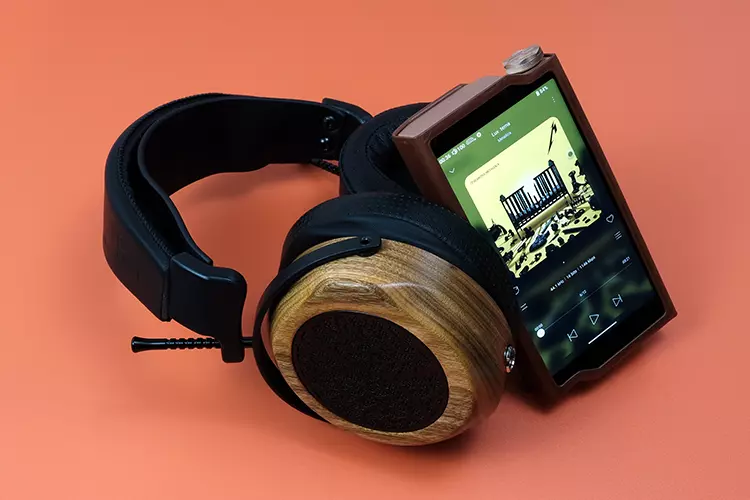
Desktop Pairings
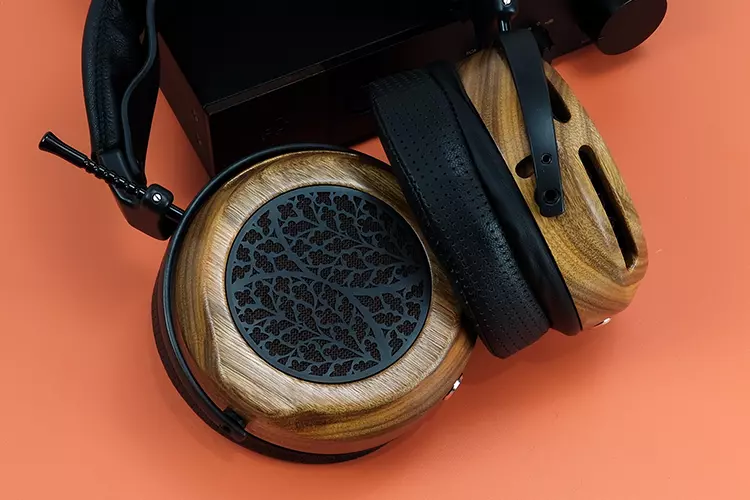
For the desktop pairings, I test with the Ferrum OOR/WANDLA GSE, the Chord Electronics Alto/WANDLA GSE combo, the Topping DX9 Discrete, Chord’s TT2, and the Feliks Audio Envy.
Out of those pairings, and unless you want vocals above all else, I felt that the TT2 as a standalone DAC/Amp and the Alto with the WANDLA GSE brought out the best in the Tessidera.
The Envy is an excellent pairing for vocal enthusiasts. Still, I felt it exaggerated the Tessidera’s 2-4k too much, allowing upper-register vocals and the bass shelf to dominate, leaving the rest of the stage too far behind.
The OOR was very clean and focused-sounding, but it can be clinical. Granted, the Tessidera sounds quite resolving with the WANDLA GSE behind the OOR, but it lacks a little bit of panache in the lows and staging width, which I think the Tessidera is very good at when pushed.
The DX9 Discrete is a middle-of-the-road pairing with the Tessidera. Good dynamics, smooth vocal timbre with great texture, but again, it just lacked a little something in the Tessidera lows compared to the Alto.
The TT2 was the best for staging width and resolution. The lows are not huge, but for a vocal lover, it strikes the right balance with the Tessidera. It is not as forward as the Envy, but still impactful with excellent height and air pushing the stage wide and high. It sounds fast and planars like to be known as fast.
The Alto was the best for bass fullness and vocal refinement. Pretty much an unflappable pairing with the Tessidera with excellent dynamic range, very good midrange impact, and that all-important sense of depth from its staging.
Selected Comparisons
The following selected comparisons to the ZMF Headphones Tessidera were completed using a mix of the Chord Electronics Alto/Ferrum WANDLA GSE combo and the Topping DX9 with an I²S input from the HiBy RS8 II.
All comparisons were completed using the default leather pads provided with each sample.
ZMF Headphones Caldera Open
The Caldera Open was launched in late 2022 and is currently the flagship of ZMF Headphones’ current headphone lineup. It was also our Top Gear Award Winner for Best Open-back Headphones in 2022.
Technical
The flagship Caldera is one of four planar driver headphone variants in the current ZMF Headphones lineup, not counting its closed-back alternative. The Ori 3.0, Tessidera, and the T50rp are the other three.
Given the consistent tech trickle-down philosophy of ZMF, it’s no surprise that both the Tessidera and Caldera share several features, such as dual-sided magnet arrays (CAMS), the Atrium Damping System (ADS), and swappable pads.
However, there are some differences, arguably in favor of the Tessidera, though I suspect the new features might find their way into future flagships, albeit at a higher level.
This includes a new updated driver with a thinner 1 micron diaphragm as opposed to Caldera’s 2 micron rating, thicker traces, and silver plating, providing for a more efficient 35Ω compared to 60Ω and opening up a wider range of amp pairings for the newer model.
It also includes the new ZAM acoustical material implementation to help smooth out the treble, and the SRS resonator for improved instrumental resonance, dynamics, and midrange clarity.
Arguably, the Tessidera represents a bit of a tech refresh from ZMF over the 2022 Caldera model, though sound-wise, they offer different presentations that might appeal to different audiences.
Design
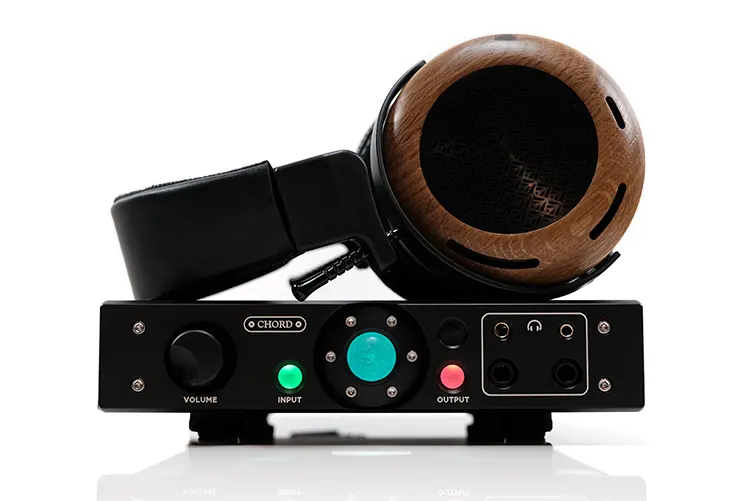
Both headphones have similar form factors, weight, and pressure distribution. I honestly did not feel much difference when wearing each using matching pads. FYI, I tend to use the thick version of the Lambskin pads on the Caldera.
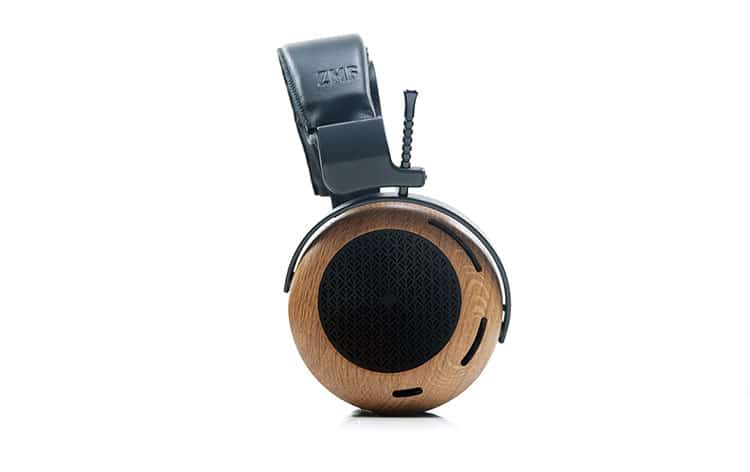
Whilst the frame, pads, and pressure relief strap are similar, the choice of wood aesthetic and grill finish are different.
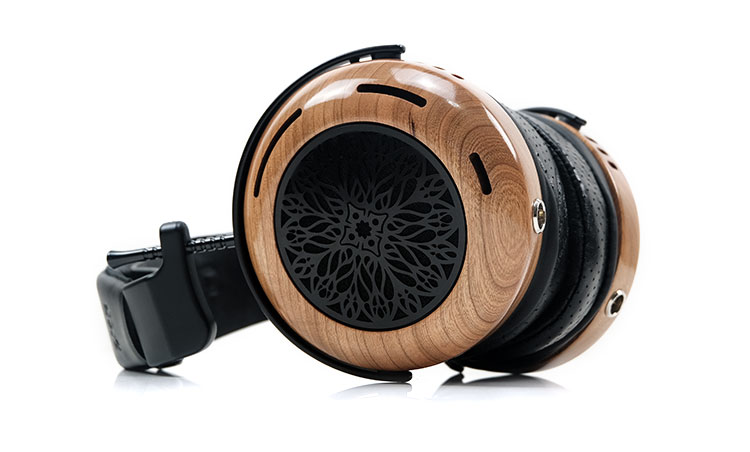
The Caldera sample here uses White Oak, which I find to be slightly darker in tone, with a thinner but busier grain compared to the softer ‘swish’ of Tessidera’s Canarywood. Currently, it is available to buy in Zebrawood.
Both have a polished finish; however, under direct light, the Tessidera has a bit more shine, in part due to the slightly brighter wood choice.
The grill choice is more uniform and smoother in finish on the Caldera compared to the more visually impactful but slightly rougher edges of the Tessidera grill.
When I say similar form factor, it is not an exact match for the cup shape. The Tessidera elongated bump at the back of the cup is more distinct from the circular form of the Caldera cups. Again, this might be a purely aesthetic choice to add a touch of flair and uniqueness to the Tessidera visuals.
The Tessidera venting is also significantly larger but less intricate around the sides compared to the multitude of Caldera slots. You get a direct peek into the ZAM lattice-designed acoustical materials.
Both come with matching cable and pad choices, though accessory-wise, the Caldera is packed into the ZMF Headphones weather-sealed hard carry case, which is a little more durable than the Tessidera’s slimmer leatherette version.
Performance
The Caldera is the cleaner, punchier tuning with more perceived treble extension and staging headroom.
Of the two, it will offer more timbral contrast and a tighter set of lows, so emotionally it’s an attention-seeker, though at times, especially after listening to the Tessidera, it might seem less forgiving for sibilant, brighter recordings.
The Tessidera is the warmer and more soothing-sounding of the two. FR-wise, they do not deviate from each other too much in stock pad format up to 1k.
Beyond, I hear a much bigger deviation between them, particularly around 7k, where the Caldera sparkles and amplifies, while the Tessidera pulls back to create a smoother harmonic balance in the mids.
The Caldera midrange seems marginally further forward amplitude-wise around 2-3k. Combined with the heightened contrast, vocals will sound livelier and cleaner in tone.
Sibilance that is natural in the mix might permeate a bit more in the presentation, something which is less obvious from the calmer Tessidera.
It does mean micro-detail is highlighted on the Caldera with better effect, you will perceive it as more resolving than the Tessidera, which evokes more emotion and agreeability.
Granted, the bass does not seem quite as tight due to the trebles’ more relaxed positioning, creating less contrast in the upper harmonics mix of the lower-range timbre.
However, the amplitude is there, especially from 100-400Hz, where there seems to be a slight boost, so it can and does sound fulsome during regular listening.
Overall, go with the Caldera if you need a more dynamic, higher-contrast sound signature with better detail-retrieval, or pick the Tessidera if you want a smoother, more relaxing performance.

ZMF Headphones Ori 3.0
The Ori 3.0 was launched in mid-2025 and was the most recent release from ZMF before the Tessidera. It was also a co-award winner for Best Closed-Back Headphones in our 2025 Top Gear Awards.
Technical
The ZMF Headphones Ori 3.0 is a set of closed-back dual-sided planar magnetic driver headphones. Inside is a new 80mm driver with a 61mm active moving surface area, and a 6μm-thick Kapton film diaphragm.
It’s similar in size to the Caldera and Tessidera drivers with a strong excursion performance, but the diaphragm is slightly thicker (5 um PI +1 μm Coating=6 μm), and the coating is PVD silver.
The trickle-down technology from the Caldera also applies to the Ori 3.0, but at a 60Ω impedance load as opposed to the Tessidera’s 35Ω, with silver used for the coil trace and pathway patterns of this driver.
The Ori 3.0 has an SPL of 95 dB/mW @1kHz, so it’s a little bit more sensitive than the 92 dB/mW rated Tessidera. So, the same analysis of Caldera applies to the Ori 3.0 concerning amp versatility.
Like the Tessidera, it uses a dual-sided magnet or CAMs tech along with ADS or the Atrium Damping System and swappable pads. It does not have the newer ZAM or SRS technology.
Instead, the Ori 3.0 is designed with an easy-to-use tuning plug system. You get a set of three plugs that slot right into the base of the wooden cup. They control driver venting with options for solid and ported, or you can leave them out altogether.
Arguably, the Ori 3.0 is harder to drive but has a wider variety of tuning options than the Tessidera with the pegs and swappable pad system. The key performance difference, though, will be open versus closed-back.
Design
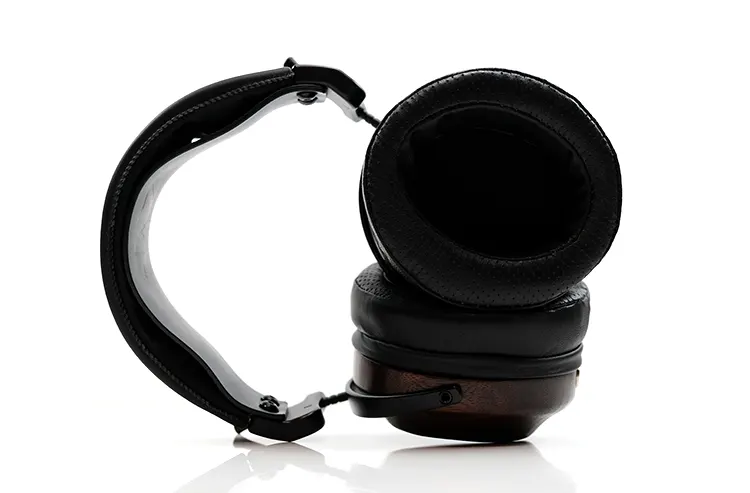
The key design difference here is the wood choice and closed-cup aesthetic. Whilst the pressure distribution is similar, the Ori 3.0 will also isolate a lot more courtesy of the closed-cup design.
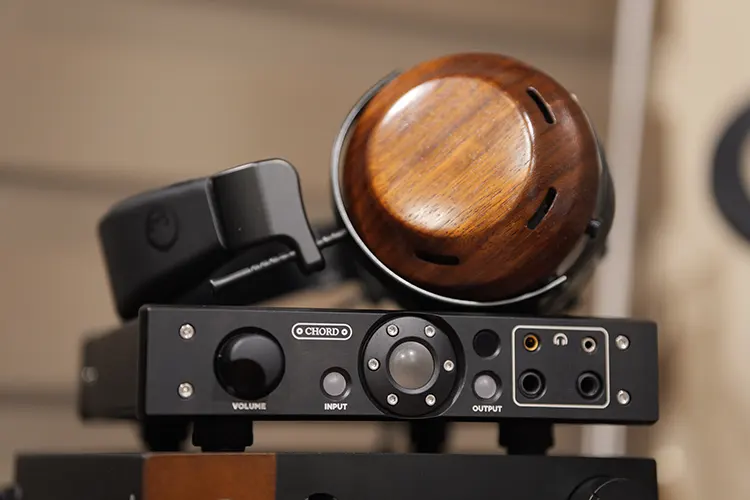
The Ori 3.0 cups sample I have here are finished with torrefied Black Limba hardwood, which is heat-treated Limba to enhance the rigidity of the wood relative to its weight and stabilize the cup. The current product run has now changed to Cherry
There is no grill as you would expect, so its darker hue is not quite as eye-catching as the complex grill and lighter-toned Canarywood combo of the Tessidera.
Both units have venting slots, though the positioning and sizing are slightly different, with the Ori 3.0 also offering the additional tuning plug ports.
The default pad choices are also different, with the Ori 3.0 using the Caldera Lambskin Thick Top‑Perf pads by default and the Tessidera coming with the thinner Caldera Lambskin alternatives.
The Ori 3.0 pads are less porous with no perforations on the outer wall, which, in turn, enhances their closed-back isolating properties. You can, of course, swap them for other pads you prefer on checkout.
Both units come with similar default cable choices: a 5.5ft cable in either balanced 3-pin XLR. 2.5mm, 4.4mm, and single-ended 6.35mm jack or 3.5mm.
Performance
Without the tuning pegs, the Ori 3.0 is the more colored-sounding headphone in terms of frequency emphasis.
Of the two, the FR response is the more exaggerated in the lows and highs, giving it a more distinct V-shaped response curve with stronger bass and treble emphasis, albeit with a good vocal midrange image to prevent any perception of a suck-out.
Both headphones have a smooth tonal flow, but the Ori 3.0 places greater emphasis on weight and low-end body, making it the ‘fun’ choice of the two sound signatures.
Where the Tessidera excels is in its evenness throughout, save for that slightly relaxed 7-10k range. Everything sounds a little richer and thicker in its delivery, with better lower-mid presence and a heavier fundamental note once you move beyond the lows.
It creates a sort of comparative leanness in how I perceive the Ori 3.0 midrange. Vocals are imaged well, but lack a bit of support from lower-mids instrumental note presence.
They can sound just a little more detached and up there competing with the bass response, whereas the Tessidera range transitions are smoother, giving you a more coherent soundstage throughout.
The Ori 3.0 top-end is not quite as pushed as the Caldera open, but has a bit more 6-7k presence than the equivalent Tessidera tuning. Not so much that it sounds hot, but it does provide a bit more contrast than the even-harmonic euphony of the Tessidera.
Personally, I prefer the vented plug tuning on the Ori 3.0. It controls the lows a bit more than unvented, creating a more coherent presentation, but delivers a sweeter sound in the mids and highs than the leaner tuning of the sealed plug.
ZMF Headphones Atrium Open
The Atrium Open price-matches the Tessidera and could be considered the grandaddy of the modern ZMF headphone lineup, with many of its core features inherited in subsequent releases.
Technical
The ZMF Headphones Atrium is a set of circumaural open-back 50mm dynamic driver headphones, as opposed to open-back planar.
The dynamic driver uses a composite bio-cellulose diaphragm, which ZMF calls a Biocellulose N52 Atrium Tuned Driver.
The N52 part stands for the grade of the magnet, and in this case, it is a rare-earth neodymium magnet that is used to generate a static magnetic field around the voice coil and create that push/pull effect on the diaphragm.
It is also the first of ZMF Headphones’ modern lineup to use the Atrium Damping System, hence the name. Beyond ADS and a similar pad swapping system, Tessidera’s planar implementation with SRS and ZAM is less likely to be transferable to a dynamic driver setup, but only ZMF can confirm that in future releases.
The final observation might just be the most important: the impedance ratings. At 300Ω and 96 dB/mW, the Atrium is more sensitive, with a max power rating of somewhere around 240-260mW, but has a far stronger voltage bias than the current-centric 35Ω Tessidera.
The Atrium thrives off classic OTL and SET tube amplifiers, though it will still sound good on more moderate portable sources. Tessidera needs more current, but in turn, it provides wider access to modern solid-state amps and rectifiers that tend to offer that.
Design
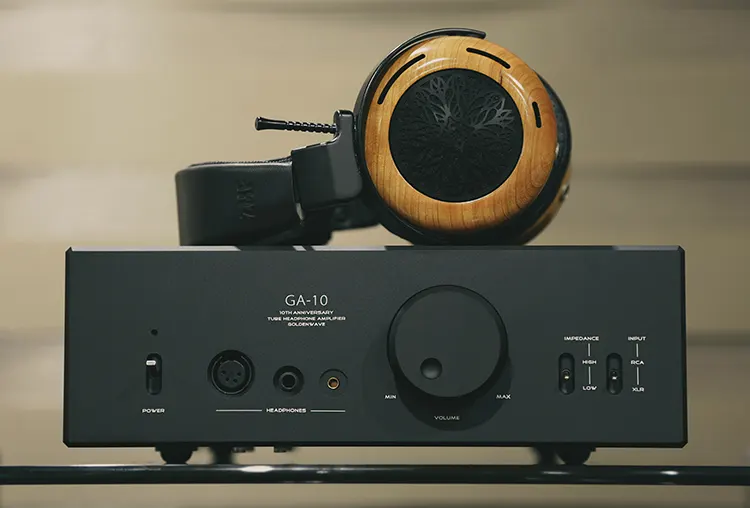
This was the headphone that started it all for me and ZMF. It has that classic Cherry wood cup finish and familiar form factor, though you used to get the Atrium in an aged copper cherry wood finish for an additional fee, but as of now, it’s not available on the website.
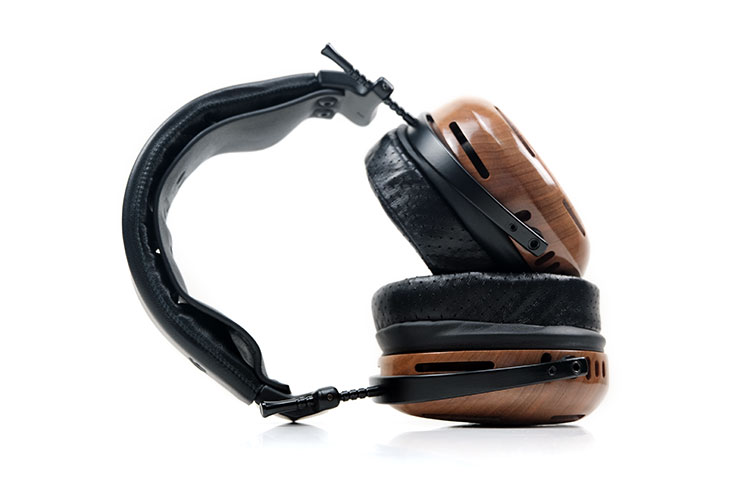
The Atrium’s Cherry wood grain is not quite as dense as the Tessidera Canarywood and lacks that motif-like wood extension to the rear of the cup. Venting slots are closer to the Caldera format, so not as striking and lacking in visible ZAM acoustical material.
I do prefer the Atrium’s artisanal feel and smoother finish of the Amiens-inspired grills compared to the equally intricate but slightly rougher finish of the Tessidera lattice-like grills. ZMF has stated there will be an alternate Tessidera grille design, different for custom shop and rarity releases
Otherwise, the Tessidera really does not stray too far from the Atrium formula, which is a great thing in my book.
Aside from the differing choice of wood and grill, the major difference between these two headphones is the weight, with the dynamic driver Atrium around 60g lighter.
The Tessidera feels heavier in the hand and marginally heavier on the head with a little more vertical pressure bias compared to its dynamic driver sibling.
That being said, the pressure dissipation and pad comfort on both are excellent, meaning the gap is not as big as you might think.
The Atrium is currently being sold with the perforated Universe Lambskin pads, which are slightly different from the Caldera Lambskin pads on the Tessidera.
They lack a fluted finish on the inner walls, and the perforation levels are not as dense. Both pad choices are wedged and not as tall on the rear end compared to the Caldera Thick Lambskin alternatives.
Performance
The Tessidera is the closest planar headphone ZMF has right now to the emotionally sweet and ambient dynamic driver delivery of the Atrium Open.
Of course, being different drivers, it’s not quite the same. The Tessidera has a more linear low-end, not quite as elongated in the mid-bass region, but with more density and heft to it.
This creates a stronger fundamental frequency to most of its notes’ timbre compared to the sweeter, airier delivery of the Atrium. I find the Atrium excels in the mids and highs, if not quite so dominant in the lows, which is where the differences are most noticeable.
Both have some push in the 1-3k region. Vocal presence is a strong point for both headphones, with the Tessidera creating a heavier, slightly more textured sound with stronger levels of definition.
The Atrium vocal delivery is more romanticized, far sweeter, and slightly lighter in tone. It does not sound quite as intense, but the airier quality gives it a more emotionally uplifting type of engagement, especially when paired with OTL amplifiers, where it comes into its own.
Neither headphone is pushing the highs as strongly as the Caldera Open; both have a gradual attenuation. The Atrium drop is not quite as even as the Tessidera’s treble tuning, which has a consistent shelf up to 8k.
You might find the Tessidera has a little more tonal contrast and a slightly cleaner sound as a result. The Atrium ‘flows’, sounding polished and supremely forgiving throughout. It is secondary to the Tessidera for speed and control, but for tube amp and euphony lovers, it is a unique pick.
My Verdict
The open-back ZMF Headphones Tessidera is the closest thing right now to the Atrium ‘sound’ in a planar headphone. It delivers a smooth, weighted tonal quality, with rich vocals and instrumental timbre, ideal for a wide range of genres.
It has a bit of soul to its performance, one that is very different from the more dynamic and explosive character of the Caldera Open, allowing it to command its own niche confidently rather than become a slightly lesser version of its flagship sibling.
Throw in the lower impedance rating, the trademark gorgeous wood build, multiple tuning options from a wide variety of pad choices, and you get another excellent headphone option from ZMF.
ZMF Headphones Tessidera Technical Specifications
- Impedance: 35Ω
- Sensitivity: 92 dB/mW
- Driver: 1 um thick Planar Magnetic with CAMS
- ADS Patented Damping System
- Caldera Patented Pad Design
- New ZAM and SRS technologies (patent-pending)
