

Synergy
Power
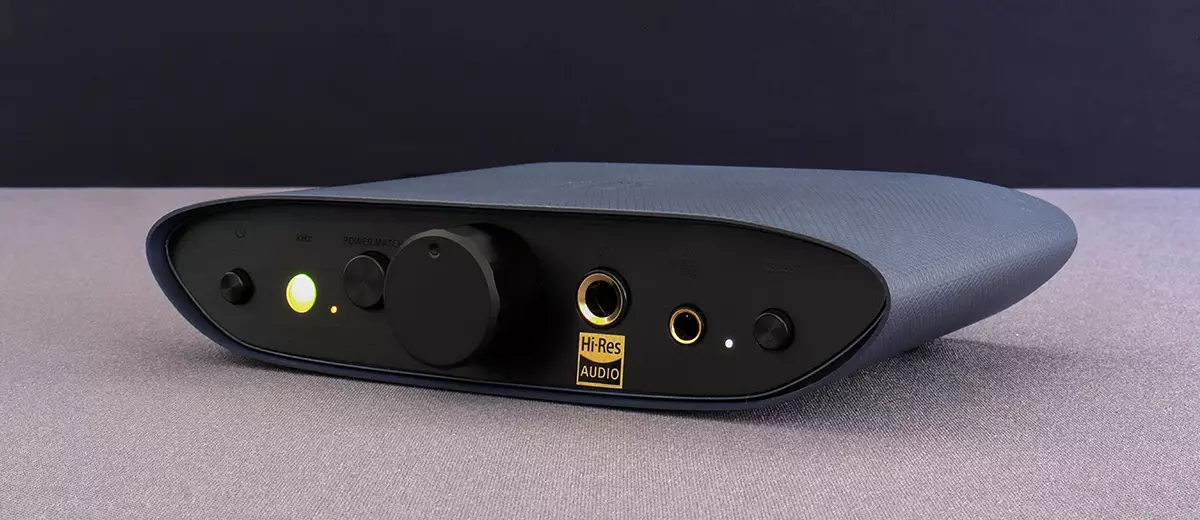
In most scenarios, I used the ZEN Air DAC 2 on the balanced Pentaconn headphone connection since it’s a new feature, and it was well executed, supplying more power than the previous version.
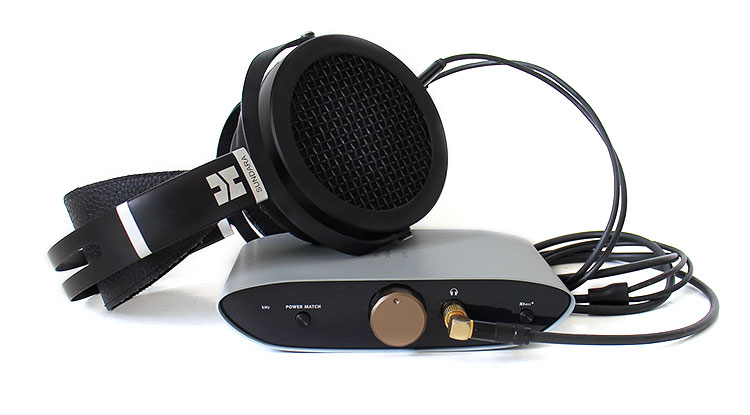
I would still avoid hard-to-drive headphones. The example I can give is that while my Sundara open-back headphones were properly driven at moderate volume levels, the bass response lost control when the volume was turned up to party levels. Use that as a guide.
Pairings
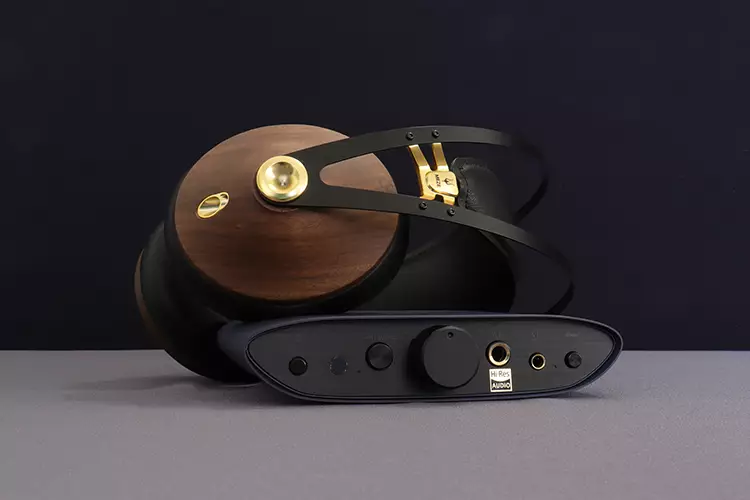
I chose to pair the ZEN Air DAC 2 with the Sundara open-back because you can get them at a bargain price nowadays, making them a good tier match-up with the ZEN Air DAC 2. Their power requirements appear to be at the borderline of the ZEN Air DAC 2.
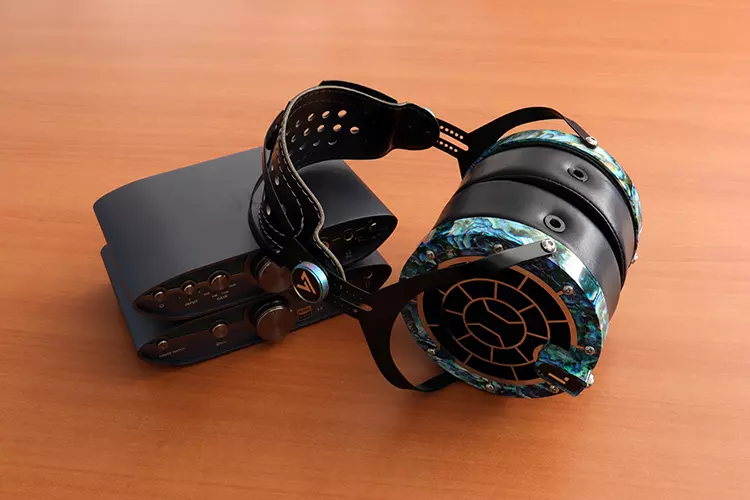
What I would not do is match them up with cans like the Edition XV, since the larger drivers require more driving current. Even the Verum Audio Verum 2 is drivable by the ZEN Air DAC 2. But those large asymmetrical cans need more juice.
It pairs well with headgear that can benefit from a punchy and slightly warm sound signature.
Sennheiser headphones like the HD 490 PRO Plus or the HD 550 fare well here since their bottom end is neutrally tuned. The XBass fortifies such headphones and helps them to produce a more robust bottom octave.
Headphones like the THIEAUDIO Cypher would benefit from the XBass feature since they tend to need help to produce a juicier low end.
Headphones like the Meze Audio 99 Classics Gen 2 also make an excellent pairing, combining the good dynamics of the ZEN Air DAC 2 with the fun tuning of the 99 V2. The ZEN Air DAC 2 fills in its sloping bottom octave well.
Selected Comparisons
iFi audio ZEN Air DAC V1
Technical
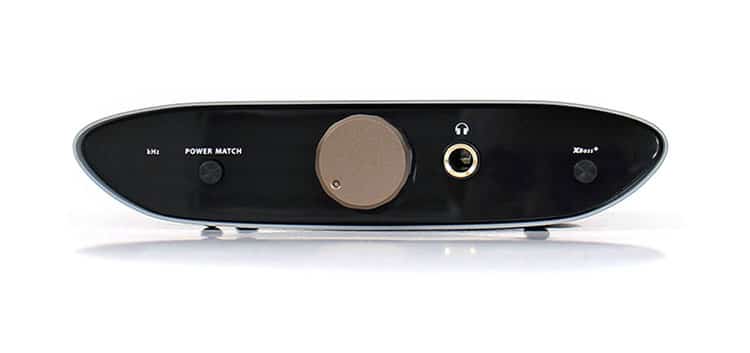
iFi audio made the right move to update the ZEN Air DAC to what it is today.
The only aspect that changed negatively was the omission of the MQA format in version 2. That format has lost steam nowadays, anyway. All other aspects have been improved.
More power is now available on the ZEN Air DAC 2, thanks to the additional 4.4mm plug.
We went from a single-ended output being the only option with a max output of 280mW and gained 2 options: SE power was marginally enhanced to 286 mW, and a more powerful 484mW balanced output was added.
Another new feature is that the front-mounted power button gives the user more control over the unit. I disliked the fact that the old version stayed on unless I disconnected the unit. The ZEN Air DAC steps it up a couple of notches, as you can see.
Design
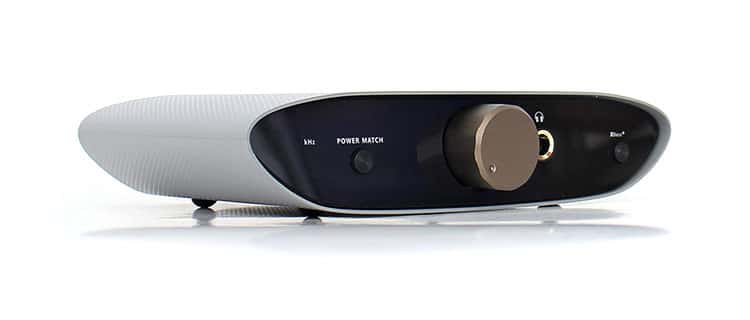
I don’t know what iFi was thinking when they released the ZEN Air DAC by releasing it with that color scheme that did not match any of their other components, including components in the same ZEN Air line. Together, the previous series created a multi-color stack.
Version 2 looks so much better, not to mention that the front panel is now metal. Plus, the volume control seems to be improved; everything from the channel imbalance to the feel of the knob and smoothness of the adjustment has been improved.
On the rear panel, the only change that took place was the connectivity to USB, which was swapped from a USB Type-B to a USB-C, which is a faster port, but not as sturdy.
Also, in version one, you had to disconnect the unit most of the time from the source when not in use. Both these models use the single USB port as a power source, but only the ZEN Air DAC 2 has a physical power button.
Performance
The first noticeable sonic difference is the absence of a crystalline top end on the original model.
Meanwhile, the ZEN Air DAC 2 excels in this region. Some consider the Burr-Brown DACs to be too warm, and apparently, iFi audio took notice and improved the high frequencies.
The bass response is also improved with an increase in body and responsiveness, which can be attributed to the beefier power output stage of the ZEN Air DAC V2.
All in all, you also get an improved soundstage, although that’s not either one of these models’ forte. The ZEN Air DAC 2 is the more focused-sounding of the two, nonetheless.
What also makes version 2 more interesting to listen to sonically is the amount of micro detail it’s capable of producing, which is noticeably better than that aspect of version 1. So, we have a clear winner here.

iFi audio ZEN DAC 3
Technical
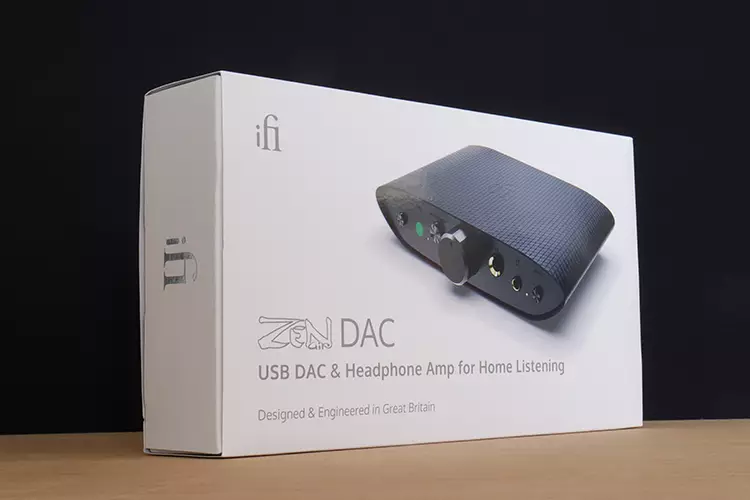
The ZEN DAC 3 is the top model in the rounded trapezoid lineup of iFi components. The model has become a staple within the audio community for providing such good sound on a budget.
However, it seems as though when it comes to power output, the least expensive ZEN Air DAC 2 can supply more power on tap, or at least on paper. We’re talking 210mW and 390mW versus 286mW and 484mW produced by the ZEN Air DAC 2.
The ZEN DAC 3 steps it up by including MQA hardware-level decoding as well as PCM up to 768k and DSD512. So, it’s safe to say that in the digital realm, the ZEN DAC 3 is the more capable model if you are still using MQA formats.
The ZEN DAC 3 uses iFi’s old, tried, and true Burr Brown chips, the XMOS processor, and a couple of extra features on the back panel, like an extra 4.4mm analog output, plus a fixed, variable switch for the lineout ports.
Design
iFi audio came through with a fresh look on the ZEN DAC 3 and the rest of the components in that line, including the ZEN CAN 3 and the ZEN Blue 3.
The ZEN DAC 3 offers a better build with an all-metal chassis over the hybrid half-plastic, half-metal construction of the ZEN Air DAC 2. The front panel is more intensely decorated, but both models come with the same basic features up front.
One aspect I find interesting about the ZEN Air DAC 2 is that it has no separate power source jack that accepts a 5V wall wart, like on the ZEN DAC 3, although the ZEN DAC 3 is rated to use 2.5W on max signal, while the ZEN Air DAC 2 uses more, rated at 3.5W max signal.

Performance
I’m finding it hard to detect sonic differences between these two models. iFi audio has made the ZEN Air DAC 2 sound eerily close to the ZEN DAC 3, except for the unmistakable warmth of the Burr-Brown chips.
The ZEN DAC 3 preamp section improves on dynamics, and it usually posts lower distortion levels at the line-level output, as well as the headphone output taps.
There’s also a small amount of drivability increase on the ZEN DAC 3, and that can be due to the previous statement of the ZEN DAC 3’s capability of using a wall wart as a power source.
Hence, it can produce more power since you’re feeding it more power, even though it’s rated to consume less on paper.
So, when you add it all up- the all-metal build, alongside a selectable variable/fixed analog out, a 4.4mm analog out, and the ZEN DAC 3 also claims better game console compatibility- it makes sense why the ZEN DAC 3 costs more.
But if you don’t need those features, the ZEN Air DAC 2 can certainly get the job done, as long as you use moderately efficient headphones. Just keep the volume at a moderate level.
My Verdict
The iFi audio ZEN Air DAC 2 brings to the table a noticeable performance jump over the original model and is now a more formidable desktop DAC amplifier with a snippy price tag.
Desktop DAC amplifiers in this price bracket are usually bare-bones models, but the ZEN Air DAC 2 excels since iFi managed to include XBass, PowerMatch, improved aesthetics with better materials, and a beefier 4.4mm output port while keeping the price tag reasonable.
I do consider the ZEN Air DAC 2 a gateway component, however. It’s a component to keep you entertained for a while until you can afford something better.
It certainly beats all the onboard solutions out there, and then some. It’s a perfect example of a piece of gear through which you can obtain good sound and upgrade all your gear sonically without having to break the bank.
iFi audio ZEN Air DAC 2 Technical Specifications
- Hi-Res support: PCM 384kHz, DSD256
- Line out voltage: 2V, 3.4V max (on variable gain)
- HP output power RMS: (4.4mm) 5.57V/484mW @64Ω (6.35mm) 3.02V/286mW @32Ω
- HP output impedance: 0.7Ω (3.5m), 1.4Ω (4.4mm)
- Output impedance: Line ≤50Ω, headphone section ≤1Ω
- Dynamic range: 118db (both outputs)
- SNR: 118db (both outputs)
- Frequency response: 20Hz to 90kHz (-3db)
- THD-N: ≤0011% (6.3mm, 1.27V, @16Ω) ≤0.0015% (4.4mm, 2.4V, @32Ω)
- Power consumption: No signal 0.55W, max signal 3.55W
- Dimensions: 158 x 100 x 35mm (6.2 x 3.9 x 1.4 inches)
- Weight: 315g (0.69lbs)
