


Synergy
Portable Pairings
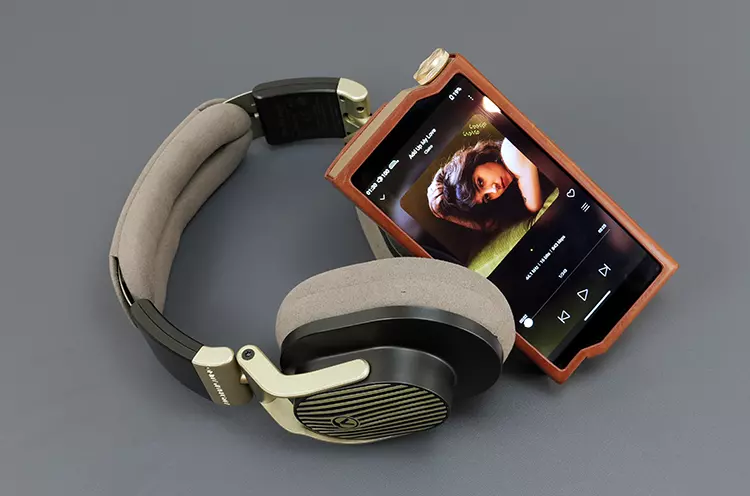
I tested the Arranger with the iBasso DX340/AMP15, HiBy’s RS8 II, the N6iii/T201 combo, FiiO’s flagship M27, and the iBasso DC-Elite.
I found myself gravitating to the M27 pairing for its excellent neutral balance, which seems to get good control of the Arranger’s low-end with plenty of space and clarity for the vocals to shine.
It is not as colorful as the HiBy RS8 II, whose warmer, more natural sound adds a bit more body to the lows and vocal timbre, but its imaging with the Arranger felt confusing, with too much emphasis on width, leaving the mids a bit disconnected and the vocals losing a bit of presence despite their richer tone.
I also have to point out that there seems to be a slight sibilance factor creeping into the Arranger’s sound in the upper-mids with some pairings. It was not a purely neutral-to-bright element since the RS8 II has some, and I find it a warmish/natural player.
For example, the DC-Elite fleshed out the vocal presence beautifully, perhaps the best of the lot if you are a vocal lover. However, the Arranger’s upper register for delicate vocals on brighter recordings did seem slightly rougher around the edges with this pairing.
The DX340/AMP15 combo follows a similar path to the M27, as in quite calm, well-controlled, and very clean in its delivery with very little unnatural sibilance.
However, it lacks the same dynamics as the M27 and is not as punchy or joyful-sounding as the RS8 II. If you have a 4.4mm cable, I would go with the AMP17 pairing.
Stick with the tube modes with the N6iii/T201 combo. The Arranger’s upper-mids were nice and smooth with very good dynamic range. Classic will add a bit of a bump on the lows at the same time.
Desktop Pairings
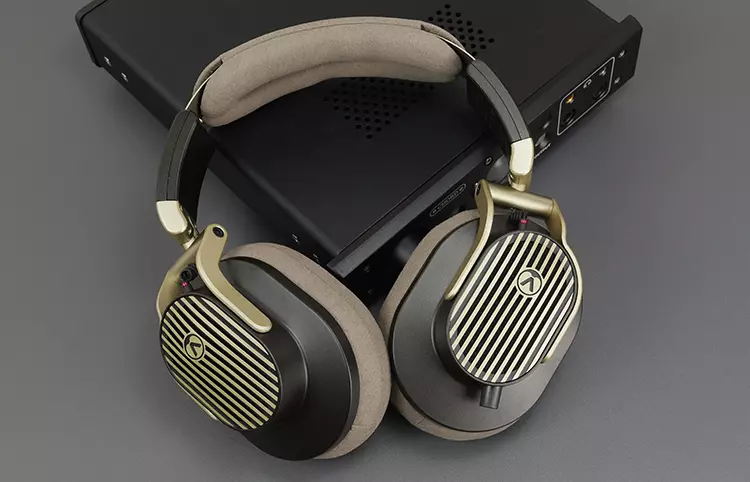
Perhaps as a hangover from my portable pairing observations, I at first zeroed in on the Arranger’s upper-mids to gauge the sibilance levels with a mix of DACs and amps
This included the OOR/WANDLA GSE, the Chord Electronics Alto/WANDLA GSE, the Hugo TT2/Feliks Audio Envy combo, and the Topping DX9 Discrete.
I honestly did not find sibilance to be an issue on the desktop combinations, but perhaps unsurprisingly, the sharpest sounding pairings were the TT2 alone (no Envy) and the Ferrum OOR.
That being said, they sounded brighter rather than rawer, so the sound was refined with the Hugo TT2 pushing the Arranger’s highs and mids more, and the OOR creating a more neutral, balanced, but compact presentation.
I much preferred the Alto/WANDLA and TT2/Envy combinations with the DX9 Discrete doing quite well also. All 3 delivered a smoother sound to the Arranger, particularly in the upper-mids.
The Alto has some bloom in the lows, but not a bloated sound, just enough to soften the mids of the Arranger, making it very even-harmonic sounding.
The Envy, however, added a strong fundamental to almost every note and some additional reach and punch courtesy of its solid-state rectifier. The Arranger sounded tuned from the bottom up with this pairing.
The DX9 was very balanced, though not quite as spacious as the Alto or as deep-sounding as the Envy/Arranger pairing. It’s a good all-rounder, with a smooth and clear set of mids delivering a punchy set of lows to the Arranger.
Selected Comparisons
The following comparisons to the Austrian Audio The Arranger were completed using the FiiO M27 and the Chord Electronics Alto/Ferrum WANDLA GSE combo. All comparisons were completed using a single-ended 6.35mm connection (stock cable options).
Austrian Audio The Composer
The Composer was launched in 2024 and is the company’s flagship headphone. It also won the Editor’s Choice in our Top Gear Awards for 2024.
Technical
Both of these headphones are open-back circumaural dynamic driver designs. However, they do not use the same driver, and it’s not clear to me that they are using the same proprietary ring magnet composition.
Inside the Composer is a larger 49mm DLC driver, compared to the 44mm version inside the Arranger. Both have proprietary ring magnets, with the Composer drawing on Austrian Audio’s in-house Hi-X technology, using a high-strength ring magnet with a copper-clad aluminum voice coil.
The Composer is rated at 112 dB/V with an impedance of 22Ω and a maximum input power handling rating of 160mW. The Arranger is slightly less efficient on paper at 25Ω and 110 dB/Vrms with a max power handling of 155mW.
Neither of these headphones should be considered demanding headphones. It’s one of the main reasons why I pull out the Composer for a lot of portable amp testing.
Design
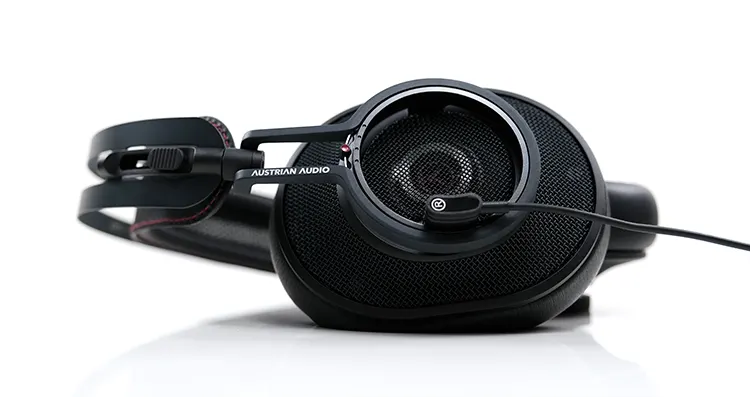
No question the Composer is the more premium of the two headphones when placed side by side, but then again, given the price disparity, why would that be a surprise?
Still, there is more than enough overlap to suggest both have been developed by the same company. The key differences for me are the greater reliance on plastics and a thicker, less intricate frame on the Arranger with smaller cups and a reduced grill size on the front.
The Composer’s machining is more intricate, the leather pads are more pliable and comfortable to wear, as well as being magnetically attachable, making swapping very easy.
I also prefer the pressure balance strap system over the narrow pressure spot system of the Arranger’s headband. However, the pressure distribution is slightly more lateral than vertical on the Arranger, and more vertical than lateral on the Composer.
What the arranger has that the Composer does not is the folding capability. Both can lie flat, but the articulating hinges are a bonus for the Arranger, allowing it to shrink its form factor to a more portable level.
I am on the fence about banana plugs versus single-entry sockets for the cables. I think both are fine for daily use, though the Arranger’s 3.5mm system might be more durable in the studio.
It is just a pity the Arranger lacks a 4.4mm or 4-pin XLR alternative out of the box, similar to the Composer’s excellent stock cable lineup.
Performance
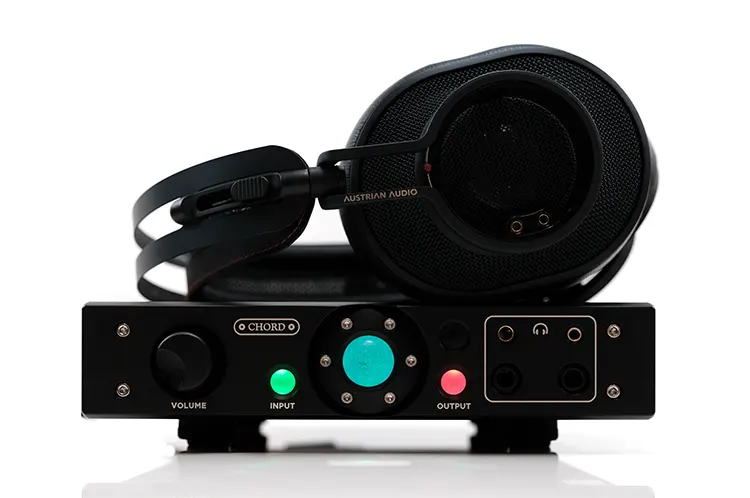
Yes, the Arranger has a fuller-sounding low-end, but I would hesitate to say it is a heavy-handed bass performer in its own right.
I have heard deeper-sounding headphones, but if you felt the Composer was perhaps a little too polite or neutral in the bass quantity, the Arranger is going to be a more satisfying experience with a more elevated bass shelf from 20Hz right up to almost 500Hz.
As such, it will inject more body and warmth into the instrumental and vocal timbre, but given both have a similar 500Hz to 1K dip, the Arranger will sound a little more masked for detail compared to the superior clarity and space from the Composer.
On the other side of the spectrum, the Composer is taller-sounding in terms of treble perception and energy, particularly around 5-6k with a stronger upper-mids rise around 2-3k, which tends to harvest some of that excess lower-treble energy in its upper-order harmonic bias.
The Composer will thus exude more sparkle and perceived height or headroom, but certain instrumental timbres, such as percussion hits and splashes, will sound a little edgier with neutral amplifiers such as the OOR.
The Arranger’s 5-8 range is slightly north of neutral but calmer in the upper-mids. Upper-register vocal imaging is a little further back in the mix compared to the Composer but has a smoother, fuller sound.
The Composer is the more open-sounding headphone. Its bigger driver and more open acoustical environment, combined with the cleaner tone, creates a more complex layering and imaging experience.
The Arranger has the power and amplitude at depth, but generally delivers a more intimate but well-defined V-shaped staging performance.
ZMF Headphones BOKEH Open
The ZMF Headphones BOKEH Open was first teased in late 2024 but reached mass production in 2025, with our review coming out the same year.
For this comparison, the BOKEH Open was compared using the stock Caldera Hybrid Ultra Perf pads and the perforated Titan Mesh
Technical
Again, two open-back dynamic driver circumaural headphones, but the type of driver and implementation are quite different for the BOKEH Open.
The BOKEH Open uses a larger 50mm LCP (Liquid Crystal Polymer) dynamic driver with a lighter voice coil, rated at a much higher 80Ω, and the company’s patented internal Atrium damping system for optimized airflow resistance.
At 80 Ω impedance and 103 dB/mW SPL, the BOKEH Open is harder to drive in terms of voltage and less sensitive than the Arranger, with a slightly higher maximum output power rating.
Typically, I would use the BOKEH Open in a desktop environment, with the best pairings usually an OTL headphone amplifier. The Arranger is more flexible for voltage requirements, though neither headphone needs huge power. This is more about optimal performance.
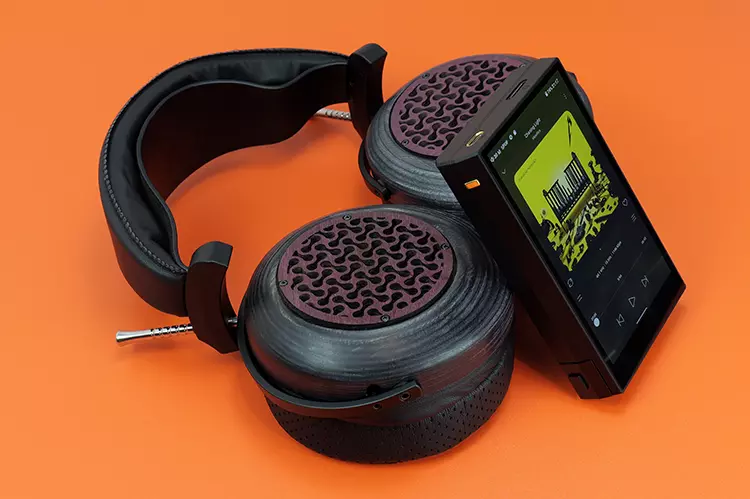
Design
Different companies, different design philosophies, though arguably their in-house design approach is very consistent in their lineups.
As such, it’s a strength for each company, with the Arranger typifying the sleek, modern, lightweight approach to Austrian Audio’s headphones and the BOKEH Open’s heavier, traditionalist wood creations very much a ZMF signature look.
The BOKEH Open is more organic in its aesthetic, but quite a bit bigger and almost 200g heavier. If you want compact portability with more industrial lines, the Arranger is the better choice.
I think it benefits from fewer compromises from flagship to entry-level material choices. The Arranger definitely has a lot more plastics than the flagship Composer, but the BOKEH Open materials could easily have been the pick for their flagships.
Comfort-wise, the BOKEH Open is by far the heavier of the two on your head, and you will notice that difference. However, the Arrangers’ firmer foam pads and stronger lateral bias prevent the home win. The BOKEH Open’s stock lush leather pads do a good job of enhancing comfort levels.
Cables are the BOKEH Open’s forte. It comes with a 4.4mm jack and standard 3.5mm connectors by default, making it more accessible to everyday audiophiles.
However, you can choose SE 3.5, 6.35 mm, or 4-pin XLR at checkout, which is more flexible than the default 3.5mm/6.35mm 3m cable that comes with the Arranger.
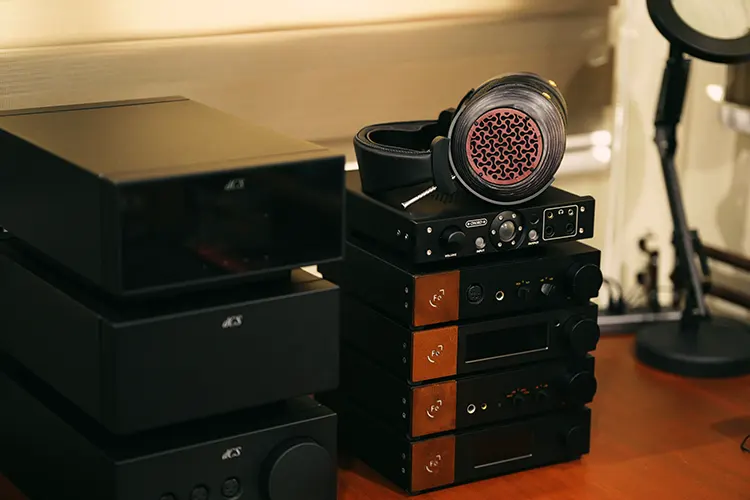
Performance
The BOKEH Open consistently sounds like the larger driver, only tuned a bit flatter in the lows, whereas the Arranger is a closer sound, courtesy of a smaller driver but with greater bass emphasis.
As such, the 20Hz-500Hz bass shelf is higher on the Arranger, but it’s also closer in its imaging, creating more of a dense night club feel.
Whereas the greater acoustic space of the BOKEH Open combined with a more controlled shelf pushes it further away perception-wise, but still sounds impactful and spacious in its delivery.
I would hesitate to say the Arranger is the warmer headphone due to the enhanced bass shelf, because the highs are a bit more tapered on the BOKEH from 5-10k.
I would actually say the Arranger is a beefier but drier sound through the mids and highs, and not quite as lush in its timbre as the BOKEH Open as a result.
The BOKEH Open also delivers a stronger ear gain presence from 2-5k compared to the more dipper 1-3k imaging of the Arranger.
Arguably, the Arranger is more relaxed in some of its midrange delivery, so whilst the BOKEH Open highs taper off a bit more, the stronger upper-mids and lower-treble delivery disguises that, pushing percussion and vocalists more to the fore.
Staging-wise, the BOKEH Open has more ambiance to its acoustics, but I do like the very controlled and precise imaging/layering that the Arranger can deliver in its more intimate presentation.
Sennheiser HD 660S2
The Sennheiser HD 660S2 is a second-generation headphone, with the original HD 660S launched back in 2017. It is significantly cheaper than the Arranger but may appeal to a similar audience.
Technical
The final of our open-back dynamic driver headphones, the HD 660S2, uses a slightly smaller 42mm transducer with a 38mm voice coil compared to the Arrangers 45mm version.
However, that’s not really the major difference. Rather, it’s the impedance level. At 300Ω, the HD 660S2 is far less efficient than the 25Ω Arranger. Great for OTL or high voltage output amplifiers, but never quite optimal for current-biased or low-voltage amps.
Not that the HD 600S2 cannot sound great on a regular amplifier, indeed, at 104 dB/VRMS it can.
Rather, tube amplifiers (specifically OTL for many) are often where the sound is at its most pleasing, and that 300Ω impedance rating stiffens the resistance to potential distortion when it’s fed some decent voltage.
The Arranger’s lower impedance makes it the more logical choice for typical low impedance gear. Historically, studio pro setups would have favored high-impedance output gear, matching the requirements of the HD 660S for daisy-chaining on big studio rigs.
That’s not the case these days, with audio interfaces, laptops, and portable devices more prevalent in the production environment.
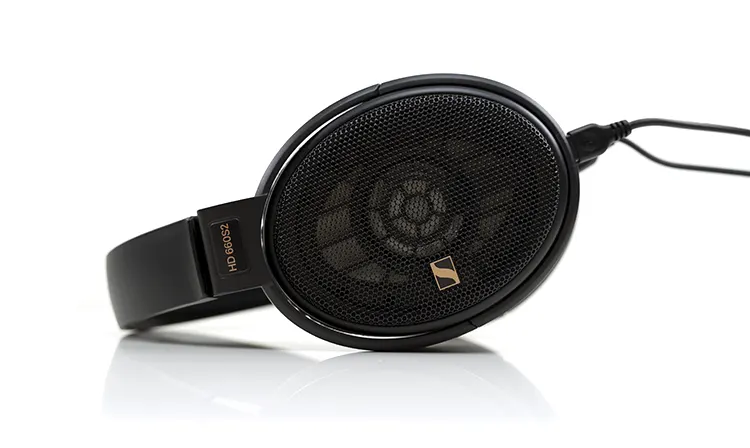
Design
It’s a cheaper headphone, and yes, it feels cheaper compared to the Arranger. The HD 600S2 does have that classic HD 6X series form factor, but it’s a plastic fantastic, more so than the Arranger, with less cup articulation and no folding ability.
It is a smaller and lighter headphone, though at just 260g, and it does feel quite durable, so I wouldn’t have any concerns about cracking or broken hinges when giving the HD 600S2 any heavy use
Aesthetically, the Arranger has some nicer materials and color schemes. It stands out a bit more than the HD 600S2, but such is the legacy of the 6-series that I am not really sure the HD 600S2 needs anything more if the fans would even accept any bold color schemes to begin with.
The Arranger is more comfortable than the HD 660S2. The common conception is that the Sennheiser is a circumaural headphone, but it only just fits this description and no more.
Quite a substantial part of the velour pads presses on your outer ear, which, combined with stronger lateral pressure, creates a neat but claustrophobic fit.
The Arranger foam pads are firm with a bit more lateral pressure, but overall, the balance is better, and the pad openings are wider, making them more comfortable to wear.
The HD 660S2 comes with both 4.4mm and 3.5mm cables, including a 6.35mm piggy tail cable converter. Considering the lower price of the HD 660S2, it seems odd that Austrian Audio didn’t include the 4.4mm cable version with the Arranger.
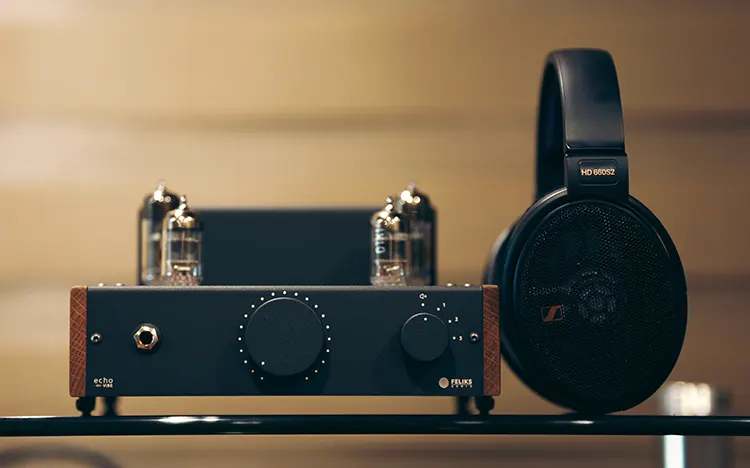
Performance
The staging bias is the most significant difference between these two headphones.
The HD 660S2 is all about the mids, pushed high and forward with a punch bass but a comparative roll off in the lows below 500Hz, a dip in the upper-mids around 4k, and reduced 5-8k treble presence.
The Arranger’s dip in the lower-mids pushes back the vocals noticeably compared to the HD 600S2, but at the same time, it pitches much wider.
The Sennheiser staging quality is thus narrower and more intimate, more mid-centric, whereas the Arranger is more complex with width and depth to the fore.
Instruments have a good fundamental compared to the older HD series headphones, but it’s not as weighty or full-sounding as the Arranger. The HD 600S2’s elevated 500Hz to 1k compensates with a more direct, in-your-face sound for instruments and vocals.
Arguably, the Arranger has more air and space; it can sound taller, and it’s my pick for modern pop, R’n’B, and synthwave genres or anything that needs solidity in the lows to sound effective.
I might still pick the HD 660S2, though, for vocal-centric rock and folk numbers where I want to focus more on the singer or tease out more subtle supporting instrumental presence.
My Verdict
The Austrian Audio The Arranger fills a very big gap in the company’s headphone lineup. It straddles the middle path between high-end audiophile performance demands and the more pragmatic requirements of the everyday studio environments.
It delivers a weightier, smoother, and more flexible sound signature than the Composer, albeit at the cost of a reduced soundstage size and a slight masking of detail relative to the flagship’s capability.
Despite the heavier reliance on plastics, the Arranger retains a very strong in-house design language and looks tough enough to take a few knocks without falling apart. Its ability to fold will only appeal more to the portable audio community.
The one main caveat I have is the cable. Its stock SE with a proprietary connector makes it less likely to sound optimal in smaller portable setups where the power generally resides in the balanced output. A 4.4mm option is available for a modest additional fee, but at this price point, better if it were included by default.
Otherwise, the Arranger is a solid open-back dynamic driver headphone and a nice ‘musical’ yin to the yang of the Composer’s cooler, more precise, and detail-oriented sound signature.
Austrian Audio The Arranger Technical Specifications
- Design: Open-back
- Driver: 44 mm High Excursion, DLC diaphragm
- Frequency Response: 5 Hz – 30 kHz
- Impedance: 25 Ω
- Sensitivity: 110 dB SPL / V
- THD: < 0.1% (@ 1 kHz)
- Input Power: 155 mW
- Connector: 3.5 mm (1/8″)
- Adapter: 3.5 mm to 6.3 mm (included)
- Dimensions: 200 × 175 × 85 mm
- Weight: 320 g (without cable
