

Sound Impressions
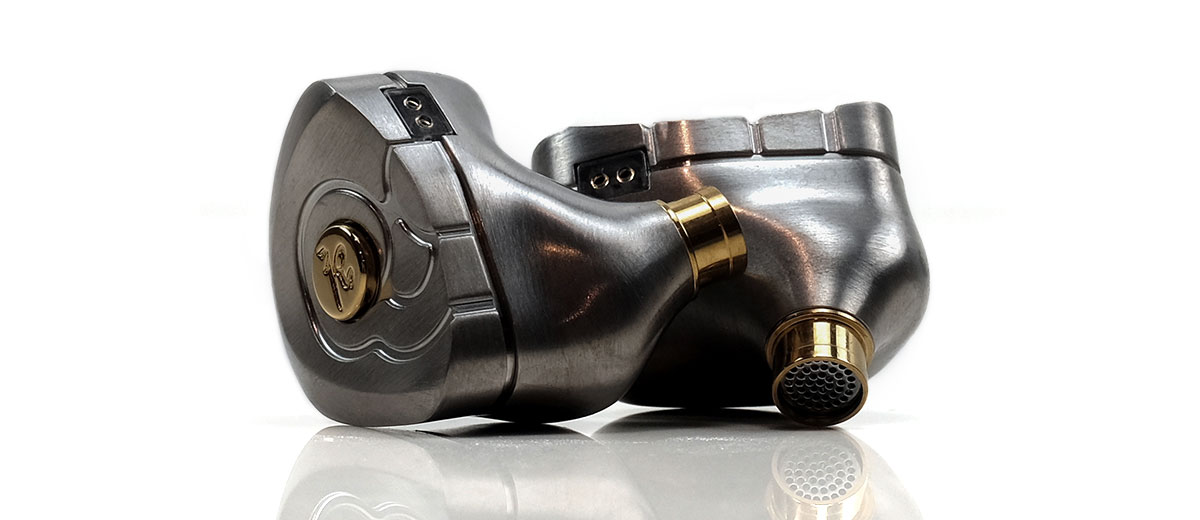
The following sound impressions of the Tangzu The Monkey King were completed using a mix of the iBasso DX340/AMP15 combo and the HiBy R8 II.
Summary
The TANGZU The Monkey King delivers huge bombs on the low end when called upon. However, there is more to its tuning than just gut-wrenching power.
Kudos to TANGZU for ensuring the Monkey King also offers impressive clarity and fill through the mids and highs, and more than adequate suppression of the dreaded bass bloom that quite often you hear in competing IEMs aimed squarely at bassheads.
Whilst I would not go as far as to say this is an IEM suited for all genres, its balance is such that you never really feel like vocals and higher-pitched instruments are the lesser lights in this ‘fireworks show’.
In fact, quite a significant portion of the Monkey King tuning is Harman-centric, particularly from 500Hz up to almost 5k. The ample number of drivers for the mids and highs definitely helps create a strong perception of detail in its presentation.
Combined with the control on the bloom, the tone is closer to neutral and, dare I say it, quite smooth and sweet in part, rather than overly warm and dark in its delivery.
I never really found the Monkey King to suffer from distracting harmonic dissonance in percussion and vocals, so it’s not an abrasive-sounding monitor.
For most, however, when that bass is called upon, that’s going to be the most striking impression of the Monkey King’s sound signature. It’s one of the deepest and best-controlled I have heard, despite the amplitude.
It’s easily in my top 5 basshead monitors I have reviewed to date, including costlier alternatives such as the Trifecta and the Legend EVO. The only IEM I have heard at this price point that comes close is the FIR Audio e12, and even then, the highs of Monkey King are smoother-sounding.
Frequency Response
The Monkey King has a modern W-shaped tuning with a strong bass shelf up to around 80Hz with an equivalent midrange 2-3k peak, ensuring both aspects of the presentation stand out.
The secret ingredient is what happens between these two regions because it affects how the bass is presented relative to the mids and how refined the timbre is beyond 1k.
For a start, the drop from 80-100Hz is quicker than competing IEMs that tend to prolong the shelf a bit further. I hear a drop to close to neutral around 300Hz, whereas IEMs such as the Trifecta and Legend EVO are more elevated right up to 500Hz, showcasing a lot more warmth and bloom.
These IEMs will dip hard and fast up to 1k to rein in the bleed, but lack note presence as a result. Whereas The Monkey King’s bass-to-mids separation comes earlier, and does not need the same heavy dip, sounding quite neutral and clear all the way up to 1k.
From there, it follows the Harman Target pinna gain from 1-3k; the vocal presence and percussion attack are clear and clean-sounding courtesy of those BA drivers.
The 5k-8k region sits bang on neutral, possibly even marginally above neutral, with a lift post-10k from the EST drivers. It creates some welcome fill and prevents the Monkey King from sounding dark or lacking in perceived height.
Because the mids and highs are BA/EST, the note weight is not as rich or analog-sounding as competing dynamic driver equivalents. However, the fill combined with the short decay creates a nice sense of speed and precise imaging control from the Monkey King’s mids and highs.
Staging & Dynamics
I find the Monkey King’s soundstage to be relatively tall with plenty of sparkle and exceedingly deep. There is a slight forward pinna gain, emphasis, and excellent upper-mids and lower-treble fill.
It does not have an exaggerated upper-bass to lower-treble suck out in transition; instruments and vocals have plenty of space to be heard when required, though note weight is not particularly broad or weighty sounding beyond 1k.
The instrumental fundamental frequency below 1k is powerful. You will also be able to easily pick out those lower-register notes courtesy of the Monkey King’s timbral contrast and a decent handle on bloom.
Sources such as the DX340/AMP15 combo will exchange a bit of weight for improved resolution and layering on the low-end, whereas the R8 II will extend and emphasize the Monkey King’s sub-bass extension.
Synergy
The TANGZU Monkey King has an impedance rating of 22Ω and an SPL of 112 dB/mW @1kHz. It is not a particularly difficult IEM to drive for most DAPs and balanced output dongles.
EST drivers can dull sensitivity a little compared to the non-EST alternatives I compared them to on page 3 of this review: namely, the Campfire Audio Trifecta, EE’s Legend EVO, and the FIR Audio e12.
However, the gap isn’t huge; at most, maybe a 2-3 dB difference on a low-gain setting from a DX340/AMP15 pairing.
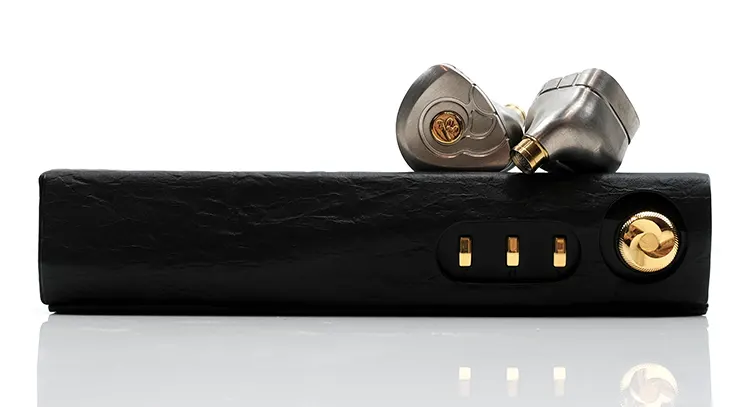
DAP Pairings
I tested four DAPs and 2 portable amps, namely the Cayin N7, N6iii/R202, HiBy’s R8 II, iBasso’s DX340/AMP15, Chord’s Mojo 2, and the Cayin C9ii.
I think if you are going for maximum performance from the Monkey King’s 14mm driver, only the R8ii and, to some extent, the DX340/AMP15 hit the mark for power and presence from the DAP line-up.
In Turbo mode, the R8 II/Monkey King combo was potent on the sub-bass amplitude, much more so than the other DAPs, with the DX340 producing the technically superior bass layering and definition.
The two Cayin DAPs sounded a lot smoother throughout, with less of an overt kick out of the lows but a more natural analog overtone to the BA and EST driver timbre.
The R2R mode from the N6iii/R202 combo will drop the sub-bass presence the most, but it produces some beautiful, textured bloom from the Monkey King vocal performances.
The N7 sounds a bit more weighted on the lows than the 1-Bit mode from the R202/N6iii, which I feel suits the Monkey King’s tuning a bit more.
The Mojo keeps it more neutral, but what I enjoyed the most about this pairing was the excellent ‘snap’ and dynamic range delivered to the Monkey King’s low-end. Vocals were more intimate than the N7 and more neutral in coloration.
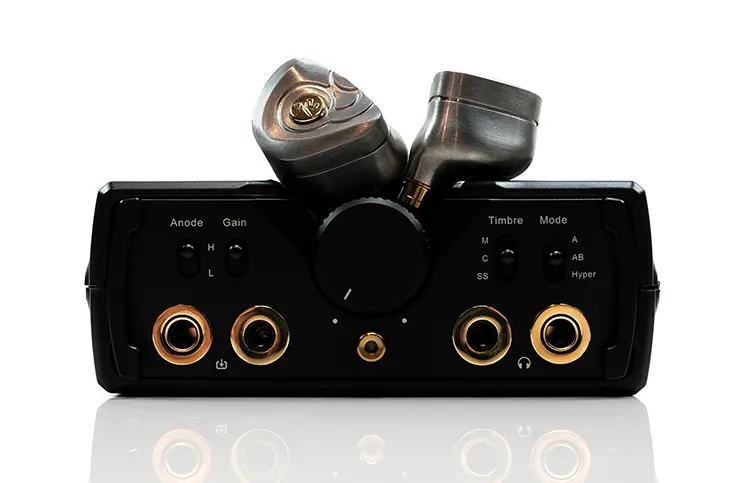
The C9ii sounded best in its Modern Tube timbre with Class A mode rather than Hyper Mode or AB mode.
Class AB is too flat for my tastes, whereas Class A with Modern Tube accentuates the Monkey King’s sub-bass presence whilst keeping the vocal imaging neutral and the timbre smooth and easy on the ear.
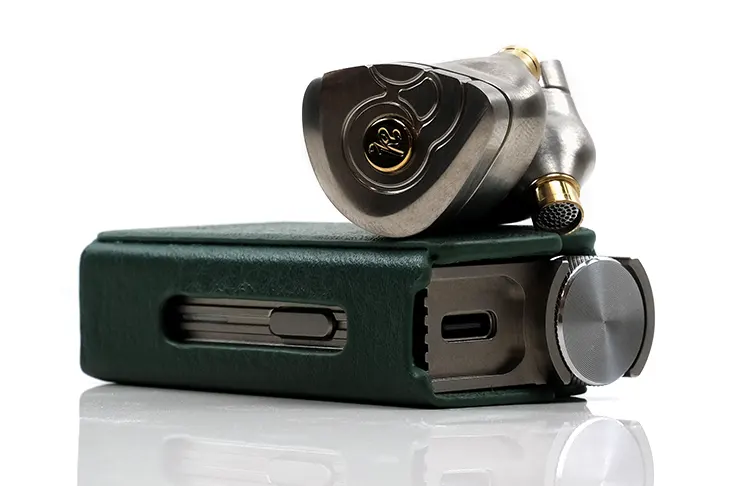
Dongle Pairings
I tested the Monkey King with 3 dongles that tend to rotate heavily at the office. This includes the iBasso DC-Elite, the Nunchaku, and Cayin’s RU7.
If you want the deepest and most powerful bass response from the Monkey King, I would go with the RU7 by a whisker over the Nunchaku tube mode.
The Nunchaku produces a fuller bass presentation than the RU7, but the Monkey King’s sub-bass power was more noticeable from the RU7. The DC-Elite was punchier but not as fulsome or as deep-sounding as the other two.
What the DC-Elite can offer is detail and midrange immediacy. It has a bit more contrast and superior articulation to the other two dongles, so if you want a bit more focus on the mids and highs with excellent imaging from the Monkey King, then this is my top pick.
If you want your mids and highs a little more chilled, then the RU7 gets my nod over the Nunchaku, but only just.
The Monkey King imaging via the Nunchaku is a bit more forward-sounding than the RU7, with the Cayin/Monkey King staging width and overall spaciousness, the more impressive of the two dongles.
