

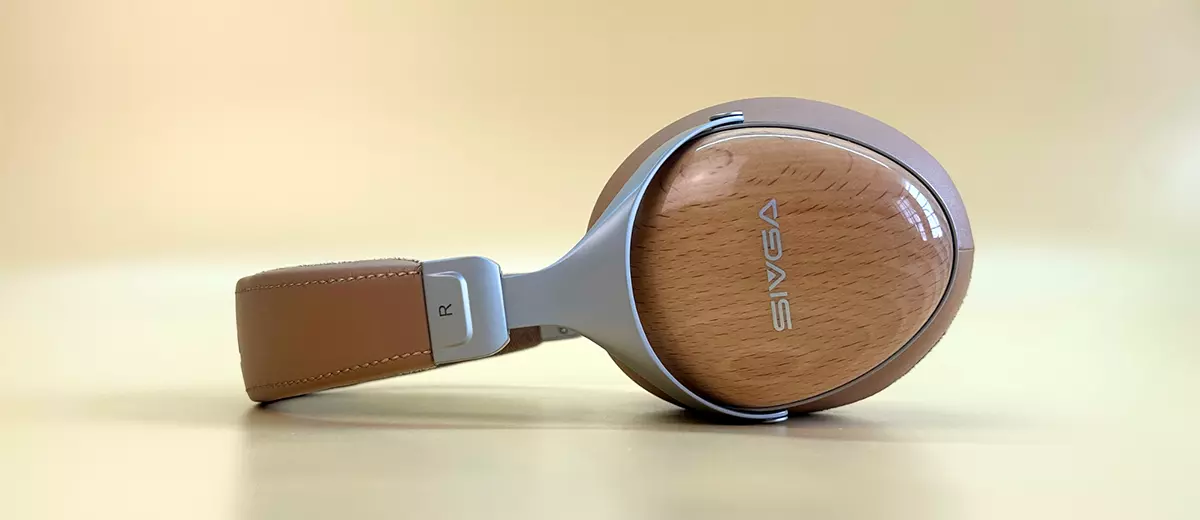
Meldrick reviews the SIVGA SV021 PRO, a new set of closed-back 50mm dynamic driver headphones in Beachwood and Zebrawood finish options. They are currently priced at $179.00.
Disclaimer: This sample was sent to me in exchange for my honest opinion. Headfonics is an independent website with no affiliate links or status. I thank SIVGA for their support.
Click here to learn more about SIVGA products previously reviewed on Headfonics.
This article follows our latest scoring guidelines, which you can read in more detail here.

SIVGA has carved out a reputation in the audiophile community for delivering headphones that balance aesthetic craftsmanship with solid sonic performance.
Their latest release, the SV021 PRO, represents an evolutionary step forward from the original SV021 Robin. Priced at approximately $179, it sits comfortably in the entry-level premium segment, bringing upgraded driver technology and comfort.
In this review, I’ll be testing the SV021 PRO with a variety of sources across different genres. If you’re curious how it performs and compares to the likes of the SIVGA Peng, then read on.
Features
At the heart of the SIVGA SV021 PRO lies a newly developed 50mm dynamic driver featuring a five-layer composite aluminum diaphragm. This represents a significant upgrade from what was found in the original SV021.
SIVGA claims that the five-layer construction is designed to balance rigidity with appropriate damping characteristics, theoretically enabling more precise detail retrieval across the frequency spectrum.
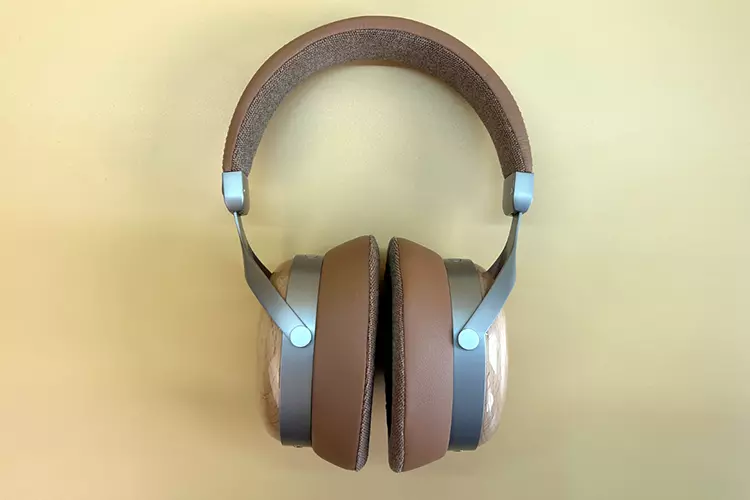
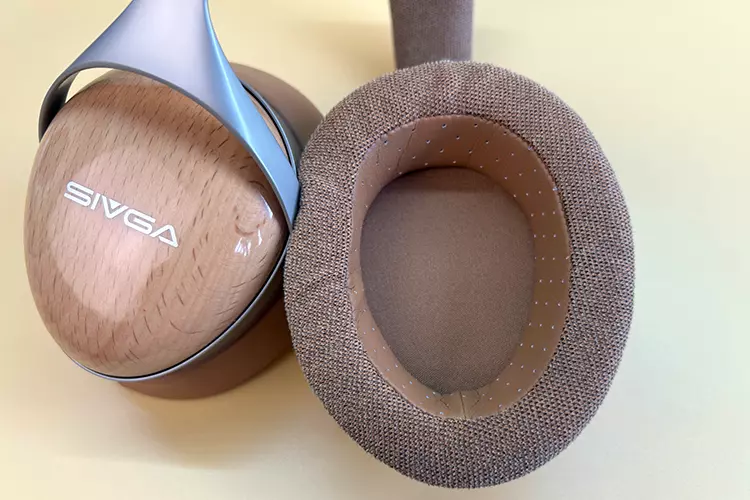
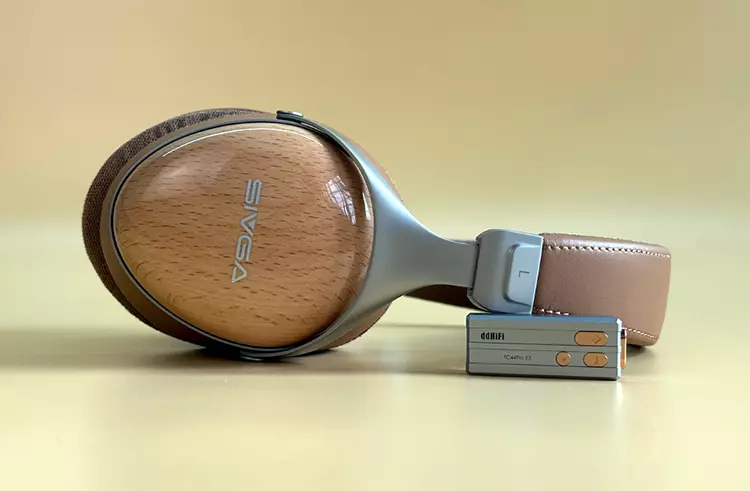
The SV021 PRO features significantly widened ear pads compared to its predecessor. These pads utilize skin-friendly velour fabric that provides a soft, breathable surface against the ear.
The generous opening accommodates larger ears comfortably, while the increased depth creates adequate space between the ear and driver.
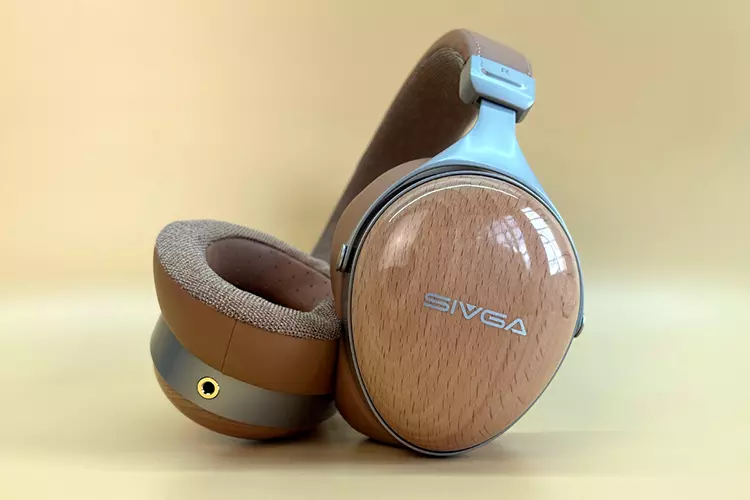
The earcups themselves are handcrafted from natural solid wood, available in either Beechwood or Zebrawood finishes. Each pair is processed through 5-axis CNC carving before undergoing grinding, polishing, painting, and natural air-drying.
This meticulous process ensures that every unit features unique grain patterns and characteristics inherent to natural wood construction.
Design
The SIVGA SV021 PRO maintains the brand’s signature wood-forward aesthetic while introducing some thoughtful refinements.
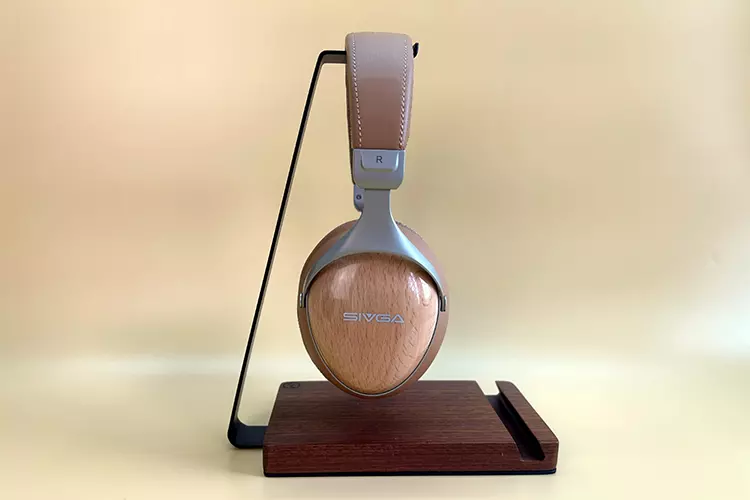
Available in two wood finishes – Beechwood with a lighter, honey-toned appearance, and Zebrawood featuring darker, striped grain patterns – each pair carries a unique visual identity thanks to natural wood variations.
The earcups are handcrafted from natural solid wood, processed through 5-axis CNC carving before undergoing grinding, polishing, painting, and natural air-drying.
The frame utilizes precision-machined high-quality metal for the support structure, finished in matte black to complement the wood tones. The headband features a curved, adaptive design with a flexible steel core that provides stable support without excessive clamping force.
Aluminum yokes connect the cups to the headband via a sliding adjustment mechanism with satisfying tactile clicks. The cups swivel to naturally conform to different head shapes, though they don’t fold for compact travel.
At 289 grams, the SV021 PRO is lightweight for a full-sized closed-back headphone. The weight distribution feels balanced in hand, with no single component feeling disproportionately heavy.
The overall impression is one of thoughtful, understated luxury, less about making a bold statement and more about subtle craftsmanship that reveals itself upon closer inspection.
Comfort & Isolation
The SV021 PRO excels in long-term wearability; the widened ear pads represent one of the most significant comfort upgrades over the original model.
These pads feature skin-friendly velour fabric that is soft, breathable, and gentle against the skin. The material choice significantly reduces heat buildup compared to protein leather or synthetic alternatives, making extended listening sessions more pleasant.
The pads are thick and well-cushioned with memory foam that gradually conforms to the shape of your head and ears. The opening is generous enough to accommodate larger ears comfortably, and the depth provides adequate space to prevent driver contact.
The metal support structure distributes weight evenly across the top of the head, reducing fatigue. The curved, adaptive design ensures balanced pressure distribution, maintaining a secure fit without feeling vice-like.
Clamping force is moderate, just enough to keep the headphones stable during movement but not so aggressive as to cause discomfort. I experienced no significant pressure points during testing, even during sessions exceeding 5 hours.
The velour fabric does get slightly warm after prolonged use, but it’s noticeably cooler and more breathable than leather-padded alternatives. Sweat buildup was minimal even during warmer ambient conditions.
One minor consideration: the closed-back design does result in some passive isolation, which can create a slight sensation of pressure equalization when first putting them on. This dissipates quickly but may be noticeable for those sensitive to cabin pressure effects.
Stock Cable
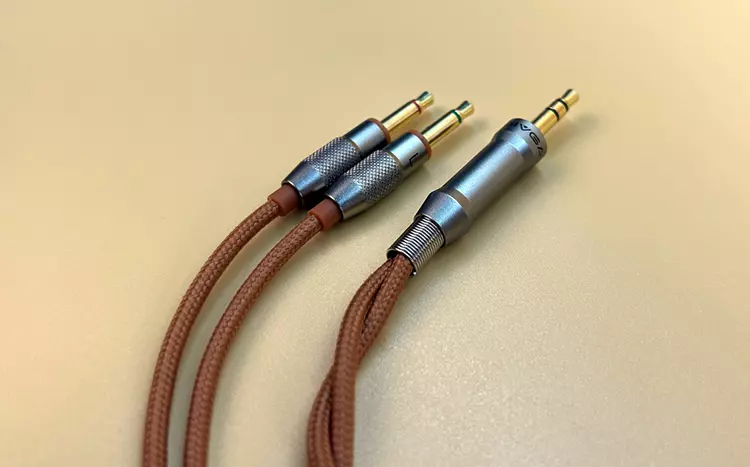
The SV021 PRO includes a single detachable OFC (Oxygen-Free Copper) cable terminated with a 3.5mm single-ended connector. The cable measures approximately 1.6 meters in length, which is adequate for desktop use but may feel limiting for those who prefer more freedom of movement.
The cable itself is soft, pliable, and surprisingly tangle-resistant. It lacks the stiffness and memory retention that plagues cheaper cables, lying flat naturally without excessive coiling or kinking.
The conductors are sheathed in a flexible fabric-like sleeve that provides a pleasant tactile feel without the plasticky texture of cheaper alternatives. The cable terminations feel solid and well-constructed, with proper strain relief at both the headphone and jack ends.
The headphone-side connectors utilize standard 3.5mm plugs that insert into each earcup individually. This dual-entry design is user-friendly and makes cable replacement straightforward if needed.
One notable omission is the lack of a balanced cable option included in the box. Users seeking balanced connectivity will need to purchase a third-party cable or adapter separately. This isn’t unusual at this price point, but some competitors do include both SE and balanced options.
Packaging & Accessories
The SV021 PRO arrives in a sturdy cardboard box with clean, minimalist branding. The exterior features subtle SIVGA logos and product imagery without excessive graphics or marketing text.
Opening the box reveals the headphones nestled securely in dense foam cutouts. The foam is precisely carved to cradle the headphones and prevent movement during shipping, and the presentation feels thoughtful without being excessive.
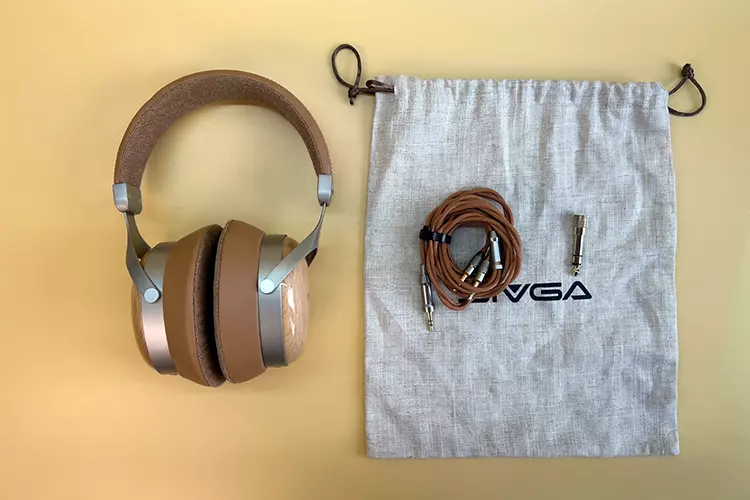
Aside from the headphones themselves, the SV021 PRO includes the following accessories:
- Detachable OFC cable with 3.5mm termination
- 35mm (quarter inch) adapter
- Soft drawstring carrying pouch
The carrying pouch is made from soft fabric with a drawstring closure. While it provides basic protection against dust and minor scratches, it’s not rigid enough to offer significant protection during travel.
Users planning to transport these headphones regularly may want to invest in a hard case separately.
Notably absent are spare ear pads, a hard carrying case, or a balanced cable option. At the $179 price point, these omissions are understandable but worth noting for those comparing accessories across competing products.
Sound Impressions
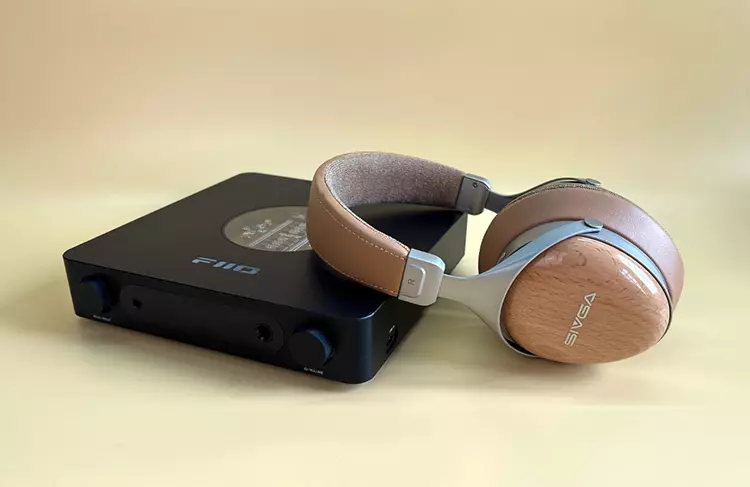
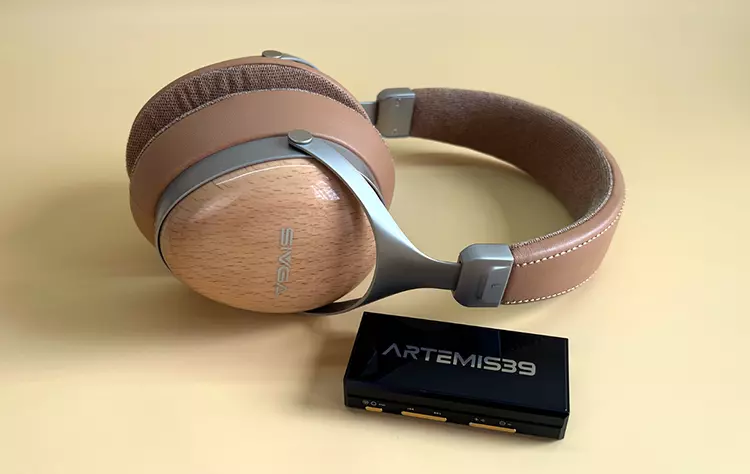
Test Setup: The SIVGA SV021 PRO was tested using a range of sources, including the FiiO K13 R2R, iFi audio ZEN DAC V1, FiiO K11 R2R, ddHiFi TC44Pro E3, and FiiO BTR13. The stock 3.5mm single-ended cable was used for all listening impressions.
Summary
The SIVGA SV021 PRO delivers a polarizing sound signature characterized by deeply recessed midrange, aggressive upper-frequency peaks, and thin instrument presentation. It exhibits some tuning flaws that undermine its technical capabilities.
The tonal balance is compromised by muffled mids that rob instruments of body and presence, combined with sibilant treble peaks that create fatigue during extended listening.
Vocals emerge as overly peaky and harsh, while brass and wind instruments become honky and unpleasant.
Bass
The SV021 PRO’s bass response is tight and controlled, but ultimately fails to deliver the depth, impact, or textural richness that make low-end reproduction engaging.
Sub-bass extension is particularly disappointing; notes reach reasonably low, but without the visceral impact or physical sensation that defines quality bass reproduction.
Hip-hop tracks lose their rhythmic foundation, with bass lines that should anchor the mix instead feeling like afterthoughts.
The tightness of the bass response initially seems like a positive attribute, suggesting control and precision. However, this tightness comes at the expense of texture and nuance.
Mid-bass fares slightly better than sub-bass, providing adequate body to kick drums without excessive bloom or bleed.
However, even here, the presentation feels somewhat one-dimensional. Kick drums have attack but lack the textural variation that distinguishes different drum sounds and recording techniques.
For bass-light genres like chamber music or acoustic folk, the SV021 PRO’s restrained low-end might pass unnoticed.
But for modern production like pop, rock, electronic, R&B, and hip-hop, the bass response feels inadequate, lacking both quantity and quality.
Mids
The midrange of the SV021 PRO represents its most polarizing tuning. Mids are profoundly muffled, creating the sonic equivalent of listening through a thin can.
Instruments that should occupy the heart of the mix- guitars, pianos, and vocals- are robbed of body, presence, and natural timbre.
Acoustic guitars sound hollow and distant, with the resonance and harmonic complexity of the instrument’s body stripped away. Only the thin fundamental note remains, leaving a skeletal reproduction that captures the idea of a guitar without its essence.
Piano reproduction is similarly compromised. The weight and sustain that make piano recordings engaging are absent.
Vocals emerge as the most problematic element in the entire frequency response. They are simultaneously recessed and peaky, pushed back in the mix while exhibiting harsh, fatiguing emphasis in specific frequency bands.
This creates an uncomfortable listening experience where voices sound distant yet piercing, lacking both body and refinement.
Female vocals suffer particularly, taking on a thin, strained quality that emphasizes sibilance and harshness over musicality. Male vocals fare only marginally better, sounding hollow and lacking the chest resonance that conveys emotional weight.
Brass and wind instruments become actively painful to listen to. Horns take on an excessively honky, nasal quality with sharp peaks. Trumpets and saxophones, which should project with warmth and bite, instead sound metallic, artificial, and fatiguing.
Treble
The treble response of the SV021 PRO is inconsistent, ranging from genuinely impressive to actively sibilant depending on the specific frequency band and program material.
Lower treble and whistle tones represent the headphone’s strength. This narrow band is well-detailed, crisp, and articulate without becoming harsh or fatiguing.
Specific instruments and effects in this range: certain percussion, high-register acoustic guitar harmonics, delicate bell and tones, are reproduced with clarity and finesse.
Cymbals occupy a problematic zone. They’re emphasized and forward in the mix, which initially creates the impression of detail and air.
However, sustained listening reveals that this emphasis crosses into sibilance. Cymbal crashes become harsh and ringing rather than natural and shimmering, with metallic overtones that linger uncomfortably.
Higher-pitched synthesizers and electronic elements sound muted, hollowed out, and artificial. This robs electronic music of the precise, clean presentation that defines the genre’s appeal.
Upper treble extension is adequate but unexceptional. There’s enough presence to prevent the sound from feeling completely dark, but the inconsistent tuning means this extension doesn’t translate into useful musical information.
Staging & Dynamics
The SV021 PRO demonstrates respectable soundstage width for a closed-back headphone. The stereo field extends reasonably beyond the physical boundaries of the earcups.
This width allows instruments to occupy distinct lateral positions, preventing the claustrophobic, congested feeling that plagues poorly tuned closed backs. Panning effects are clearly audible, and the overall presentation has breathing room despite the acoustic isolation.
However, soundstage depth is less developed. Front-to-back layering exists but remains relatively compressed, creating a presentation that’s wider than it is deep. This two-dimensional quality limits the holographic imaging that makes spatial reproduction truly immersive.
Instrument separation proves problematic despite the reasonable soundstage width. Instruments occupying similar frequency ranges, particularly in the troubled upper midrange, have a pronounced tendency to mesh and blur.
Tracking individual instrumental lines becomes difficult when multiple elements compete for space in these frequency bands.
Dynamics are compromised by the problematic frequency response. Macro-dynamics are perceptible but lack the impact and authority that make dynamic contrasts emotionally engaging.
Micro-dynamics suffer even more noticeably. Subtle volume variations, textural shifts, and delicate phrasing details are obscured by the muffled midrange and peaky treble.
Click on page 2 below for my recommended pairings and selected comparisons.
