

Synergy
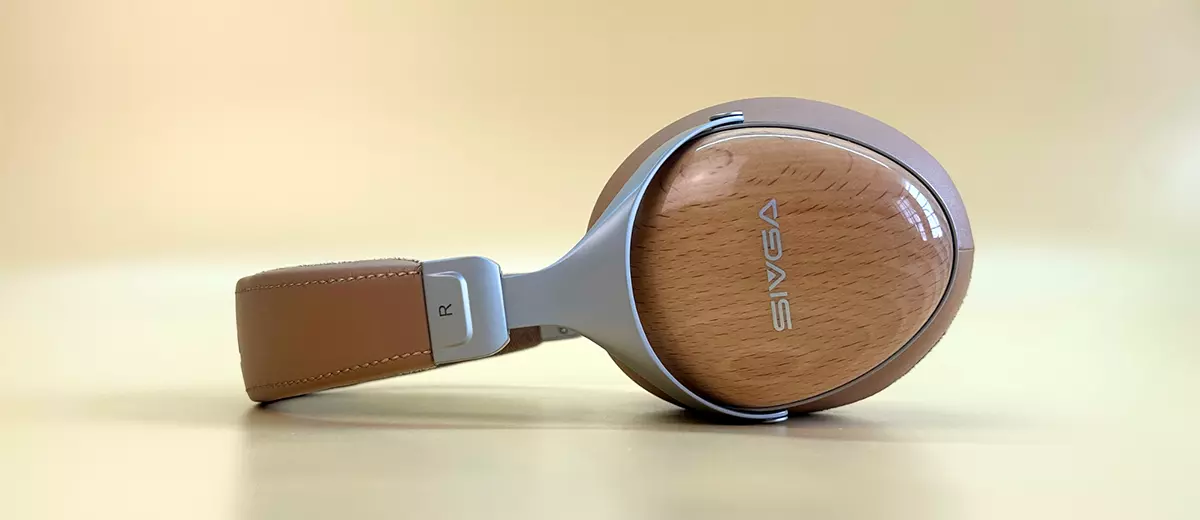
The SV021 PRO’s excellent drivability proved to be one of its most practical advantages during testing. Its 45 Ω impedance and 106 dB sensitivity make it genuinely versatile across a wide range of source equipment.
Even when powered by modest sources like the ddHiFi TC44 Pro E3 dongle DAC, the SV021 PRO reached comfortable listening levels with clean dynamics and good resolution.
This plug-and-play capability extends its appeal beyond dedicated desktop setups to mobile and portable scenarios.
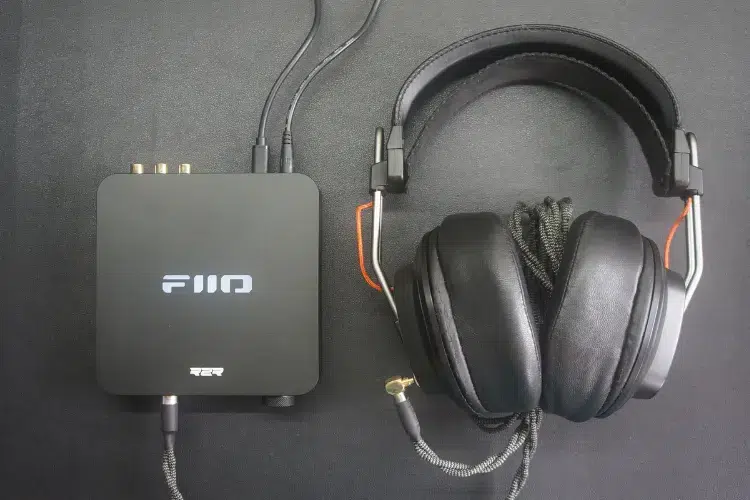
Desktop amplification elevated the presentation modestly but noticeably. The FiiO K11 R2R brought out additional texture in the bass and improved micro-dynamic contrast, though the differences were minor
The K13 R2R amplifier added a touch more warmth and midrange body, but this was not enough to correct for the fundamental tuning flaws of the headphones.
One notable observation: despite its easy drivability, the SV021 PRO scaled respectably with better amplification.
Users with powerful desktop setups will still hear benefits from proper amplification, though the law of diminishing returns applies more quickly here than with harder-to-drive alternatives.
Selected Comparisons
SIVGA Peng
Technical
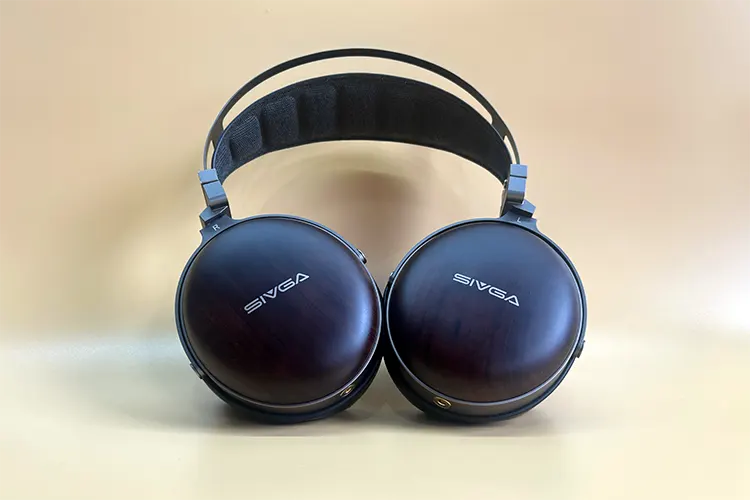
The SIVGA Peng features a 50mm dynamic driver with LCP (Liquid Crystal Polymer) suspension and sapphire composite diaphragm, housed in African Zebrawood cups.
With an impedance of 340Ω and sensitivity of 102dB, it’s significantly harder to drive than the SV021 PRO’s 45Ω and 106dB specifications.
In practice, the Peng demands serious amplification, ideally, desktop gear capable of delivering over 1W at high impedance. The SV021 PRO, by contrast, performs admirably even from modest portable sources.
Design
Both headphones share SIVGA’s signature wood-forward aesthetic, but they execute it differently. The Peng uses African Zebrawood exclusively, featuring a darker, more dramatic grain pattern with a glossy finish that creates visual impact.
The SV021 PRO offers a choice between Beechwood and Zebrawood, but both wood finishes make it feel understated and modern
Build quality favors the Peng slightly. Its thicker wood cups and more substantial metal components create a more premium tactile experience. The SV021 PRO feels well-built but lighter and less substantial in hand.
The Peng’s ear pads are notably thicker, more sharply angled, and made of a velvet-lambskin hybrid. The SV021 PRO’s velour pads are flatter but arguably more breathable.
Both are comfortable, but the Peng’s ergonomic pad design provides superior weight distribution and seal.
Performance
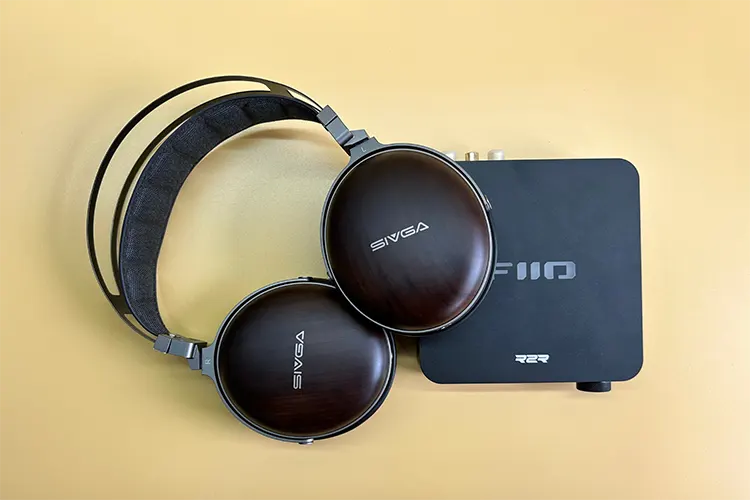
Sonically, these headphones occupy entirely different quality tiers despite sharing brand lineage.
The Peng delivers a mature, warm, analytical presentation with excellent timbre and natural tonality. The SV021 PRO struggles with fundamental tuning problems that undermine musical enjoyment.
Bass response vastly favors the Peng. While neither emphasizes sub-bass heavily, the Peng’s mid-bass warmth is textured, controlled, and musical.
The midrange comparison isn’t even close. The Peng’s mids are forward, detailed, and beautifully rendered, excelling with vocal reproduction and instrumental texture.
Guitars, pianos, and brass instruments sound natural and engaging. The SV021 PRO’s profoundly muffled midrange robs these same instruments of body and presence, creating hollow, distant reproductions that barely resemble the real thing.
Treble quality strongly favors the Peng. Its slightly extended, articulate treble reveals fine cymbal overtones and string harmonics without harshness.
The SV021 PRO’s inconsistent treble combines muted high-frequency synths with sibilant cymbal reproduction, creating spectral imbalance rather than coherent extension.
Sennheiser HD 600
Technical
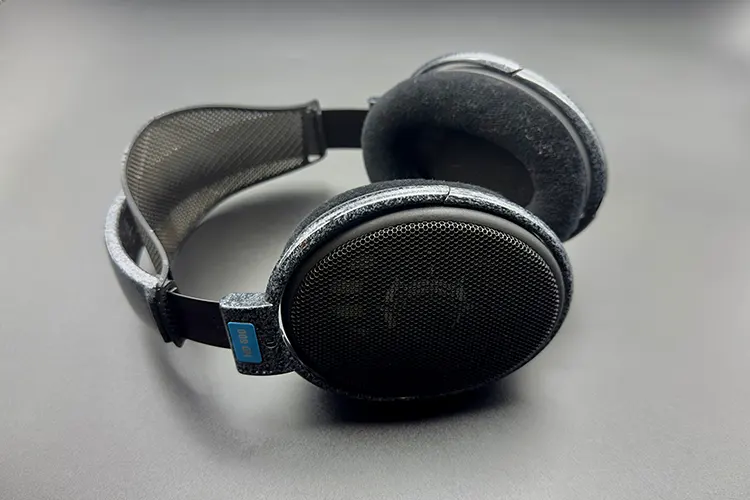
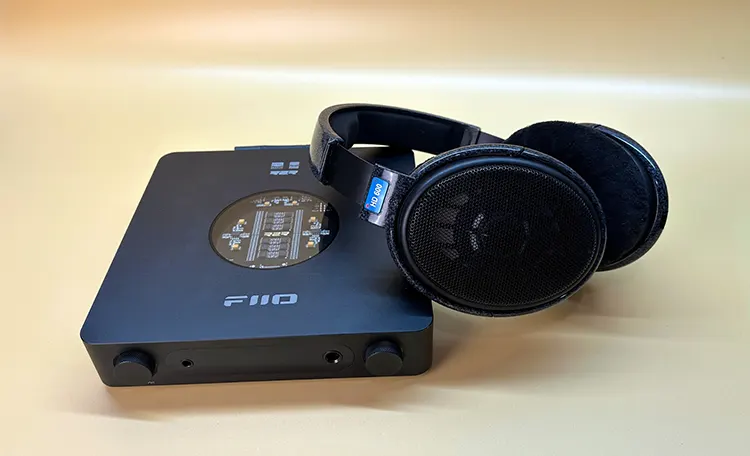
The legendary Sennheiser HD 600 houses a 42mm dynamic driver and an open-back acoustic design. With 300 Ω impedance and 97 dB sensitivity, it requires substantially more power than the SV021 PRO’s 45 Ω and 106 dB specifications.
The HD 600 demands dedicated amplification to sound its best. Smartphone and laptop headphone outputs simply can’t provide adequate voltage swing. The SV021 PRO achieves near-full performance even from modest portable sources.
Design
These headphones represent opposite design philosophies. The HD 600 embraces utilitarian function over form, using lightweight plastic, velour pads, and minimal metal reinforcement. It looks dated and generic, but it weighs only 260 grams.
The SV021 PRO prioritizes aesthetic appeal with handcrafted wood cups, a metal frame, and a premium finish. It looks distinctive and premium, but weighs 289 grams.
Build quality is comparable despite different materials. The HD600’s all-plastic construction is engineered for durability and repairability. The SV021 PRO feels more premium in hand.
The HD 600’s open-back design provides zero isolation, leaking sound extensively in both directions. The SV021 PRO’s closed-back design offers reasonable passive isolation suitable for shared spaces, though it’s not truly isolating like ANC headphones.
The SV021 is significantly more comfortable with wider earpads, less clamp force, and better weight distribution throughout the headphone.
Performance
The HD 600 offers superior performance across virtually every sonic parameter. The HD 600’s famously lean bass still provides more textural information and natural decay than the SV021 PRO’s tight but shallow low-end.
While neither satisfies bassheads, the HD 600’s bass is honest and revealing, while the SV021 PRO’s is simply inadequate – lacking extension, impact, and nuance.
The HD 600’s neutral, accurate, revealing midrange is a significant upgrade over the SV021.
Vocals sit exactly where they should, instruments maintain natural timbre, and detail emerges without harshness. The SV021 PRO’s profoundly muffled midrange is hollow, distant, and robbed of body and presence.
Acoustic guitars on the HD 600 sound like acoustic guitars. On the SV021 PRO, they sound like skeletal approximations with their resonant body removed. Vocal reproduction reveals a wider quality difference.
The HD 600 renders voices with natural intimacy and emotional connection. The SV021 PRO makes vocals simultaneously recessed and painfully peaky, creating listening fatigue without compensating for presence.
Treble quality strongly favors the HD 600. Its extended, detailed treble occasionally becomes slightly sharp on poor recordings, but it reveals meaningful musical information.
The SV021 PRO has an inconsistent treble with sibilant cymbals, muted synths, and occasional clarity in narrow bands.
Modhouse Argon Mk3
Technical
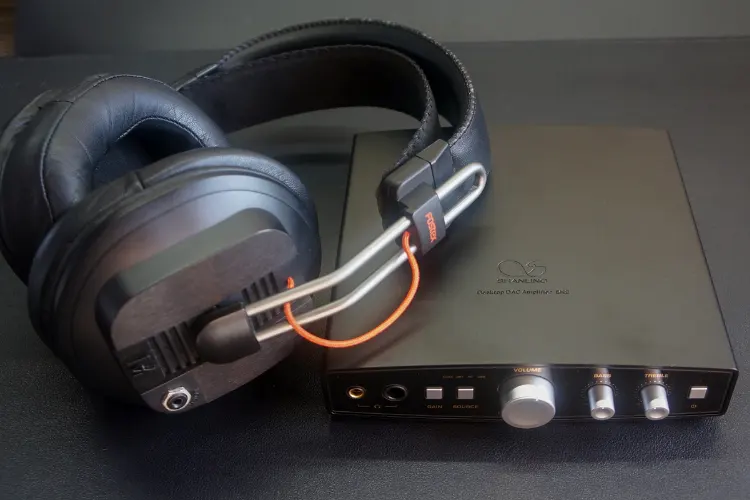
The Modhouse Argon Mk3 represents a heavily modified Fostex T50RP Mk3, utilizing planar magnetic driver technology. It’s notoriously difficult to drive properly.
The Argon demands powerful amplification. Underpowered, they sound anemic and lifeless. The SV021 PRO requires a fraction of that power, making it fundamentally different in terms of amplification requirements.
The Argon needs serious current delivery to control its planar drivers and unlock their dynamic potential. The SV021 PRO’s dynamic driver is far easier to drive competently.
Design
The Argon Mk3 starts life as a Fostex T50RP before undergoing extensive modification. Stock cups are replaced with blacked-out vinyl or custom wood options, stock pads swapped for ZMF oval lambskin or protein leather, and a premium deerskin or alcantara comfort strap added.
Build quality is functional but not premium. The T50RP platform uses plastic cups and basic construction. The modifications improve comfort dramatically but don’t fundamentally transform the industrial aesthetic.
The SV021 PRO offers more cohesive, refined industrial design from the ground up. Its handcrafted wood cups and machined metal frame look and feel more premium than Argon’s modified plastic foundation.
Weight comparison shows the Argon at approximately 315 grams versus the SV021 PRO’s 289 grams. Both require good headbands for comfort, with the Argon’s aftermarket strap providing excellent weight distribution.
Performance
Bass comparison shows the Argon’s dominance immediately. Its l deep, powerful, visceral bass with excellent texture and control makes the SV021 PRO’s tight but shallow low-end sound anemic by comparison.
The Argon delivers bass that satisfies both quantity and quality demands; the SV021 PRO delivers neither convincingly.
The sub-bass gulf is particularly vast. The Argon extends deeply with a physical impact that you feel. The SV021 PRO’s sub-bass is present on paper but lacks the depth, impact, and textural nuance that make bass reproduction engaging rather than merely present.
Midrange reveals complex differences. The Argon’s mids sit back behind its powerful bass but remain clear, natural, and well-textured.
The SV021 PRO’s mids are profoundly muffled. Guitars and pianos on the Argon sound natural despite being slightly distant; on the SV021 PRO, they sound hollow and skeletal.
Vocals show the SV021 PRO’s worst characteristics. The Argon’s vocals, while not forward, maintain natural tonality and clarity.
The SV021 PRO’s vocals are simultaneously recessed and painfully peaky.
Treble on the Argon is more extended and energetic, adding sparkle and air that complements its bass emphasis without becoming harsh.
The SV021 PRO’s inconsistent treble combines sibilant cymbals with muted synths, creating spectral imbalance rather than coherent extension.
Soundstage is Argon’s party trick, exceptionally wide for closed-back, rivaling open-backs. The SV021 PRO offers respectable width but can’t match the Argon’s expansive presentation.
More importantly, the Argon maintains superior instrument separation, where the SV021 PRO’s upper-midrange congestion causes instruments to mesh together.
My Verdict
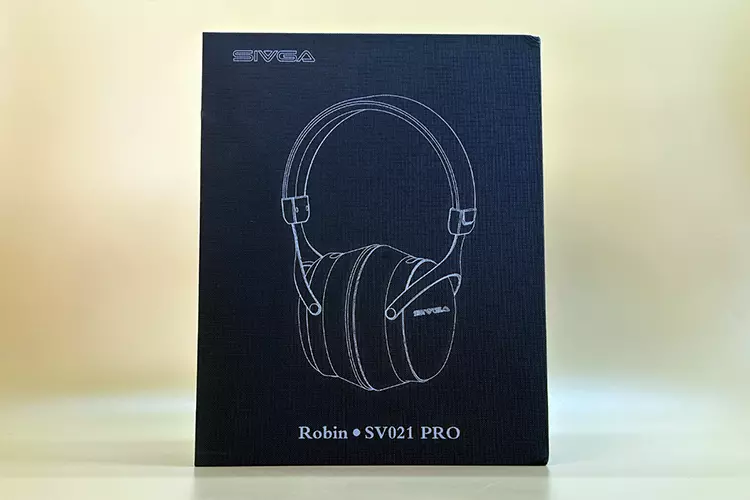
The SIVGA SV021 PRO closed-back headphones have some pros and cons. Despite upgraded driver technology and thoughtful aesthetic refinements, it delivers a sound signature with significant tuning quirks that may limit its appeal.
On the con side, the deeply recessed midrange, emphasized vocal peaks, forward brass presentation, and inconsistent treble create a listening experience that can range from fatiguing to unsatisfying depending on genre and source material.
While these characteristics might work for specific use cases, they present challenges for general music listening.
On the pro side, the handcrafted wood aesthetic and comfortable velour pads are genuine strengths that shouldn’t be overlooked. The excellent drivability and respectable soundstage width also demonstrate thoughtful engineering in certain areas.
SIVGA has demonstrated its capabilities with models such as the Peng and even the original SV021. The PRO, despite its upgraded components and refined construction, will have more of a niche appeal.
SIVGA SV021 PRO Technical Specifications
- Driver: 50mm Dynamic Driver with Five-Layer Composite Aluminum Diaphragm
- Acoustic Design: Closed-Back
- Impedance: 45Ω ±15%
- Sensitivity: 106dB ±3dB
- Frequency Response: 20Hz – 20kHz
- Weight: 289g
- Cable Length: 1.6m
- Connectors:5mm single-ended (dual-entry)
