


Synergy
Efficiency
The Ananda LE is not very efficient. You’ll get sound from a portable device, but it will feel a bit flat, quiet, and dynamically constrained unless it’s properly driven. Devices like laptops or mobile devices will drive them.
A dongle will also drive the HIFIMAN Audivina LE, especially some of the newer models like the FiiO QX13, or you can use something like the NiPO A100, but they will not work optimally with these high-current headphones.
The HIFIMAN Audivina LE sensitivity numbers are quite low compared to, say, dynamic-driver closed-backs, which often sit around 100 to 105 dB/mW.
Even though the impedance is low, on top of that spec, planar magnetic headphones like this are current-hungry the most, and they need amperage, not just voltage.

Pairings
The Audivina LE scales with source quality. With the HIFIMAN EF400, the sound was tight and neutral, emphasizing detail and microdynamics.
I preferred them with the EF600 because it added body and smoother high frequencies into the mix, creating a slightly warmer and more cohesive presentation.
The Rose Technics RT-5000 portable DAC amplifier surprised me by offering excellent synergy and enough drive and energy while keeping the tonal balance clean.
This headphone benefits from ample current and a low-impedance output. Bright or thin sources can exaggerate their lean tendencies, and I prefer warm amplification with these headphones.
THX amplification would be too bright, perhaps. Something from Topping, like the DX5 II, would work. Even something like an old Schiit Asgard would work well with the Audivina LE.
But gear like the Topping A90 or a HIFIMAN Serenade would take these to another level performance-wise.
Select Comparison
HIFIMAN Audivina
Technical
A lot of controversy surrounded the original Audivina because many reviewers exhibited some dissatisfaction with their overall sonic tuning.
After all, HIFIMAN tuned these as studio monitors. They also attached a rather large retail price to them, and that raised expectations.
Some complained that there were too many peaks and valleys in their sonic signature, and the consequences were a performance that robbed the listener of enjoyment because they were too sterile in presentation.
Again, it was sold as a studio monitor, and that means they’re made for studio work and not playful enjoyment.
I received the Audivina with an open mindset. But I do admit that these headphones were not a set to cry over your favorite songs with.
Design
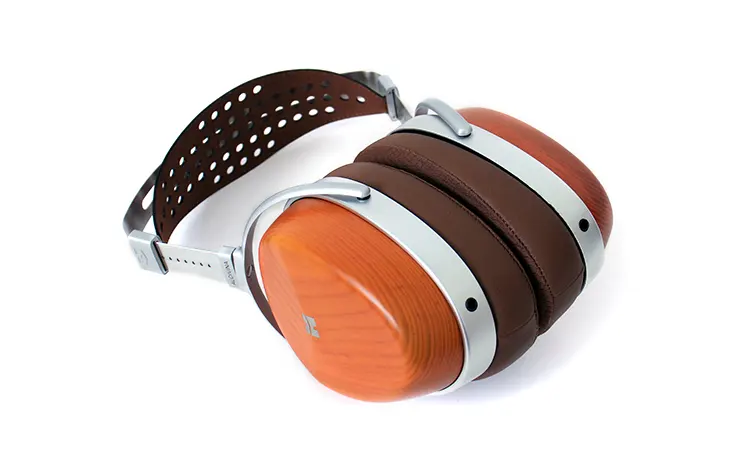
The original Audivina uses old-school spring steel with a headstrap headband assembly from HIFIMAN that was comfortable, more so than the Audivina LE, which has increased clamping force.
The pad’s stiffness seems equal on both models. They also use Velcro to attach to the cups, which, for some reason, HIFIMAN discontinued making them like this and instead gave us 6-point, 9-point, and 12-point mounting methods that will confuse things when the time comes to change pads.
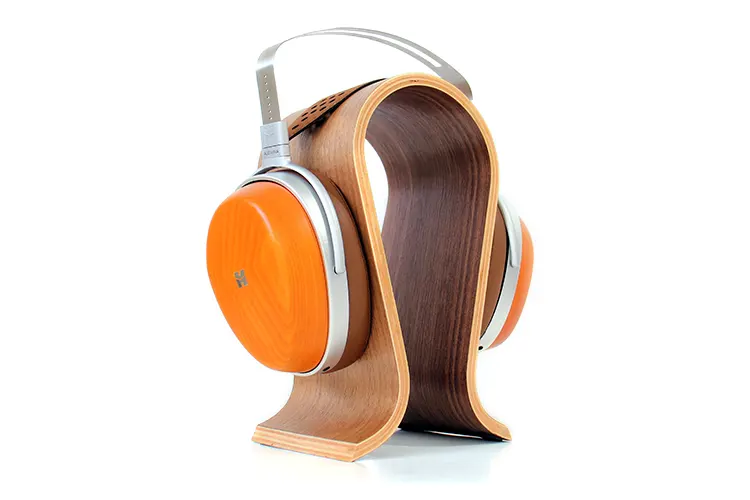
The Audivina uses real wood cups that are large and beautiful to look at. No two are the same, and they’re made by artisans’ hands. In contrast, the Audivina LE looks utilitarian in comparison.
Performance
The Audivina is not a bad headphone when you carefully audition it. The major issues are the peaky areas, and that is counterintuitive if you need a flat curve for monitoring purposes.
If you need to fix some of the peaks with EQ, they will accept reductions, but a bass elevation, for example, will give off a bouncy bass that loses agility and frugality, meaning it loses control.
On the other hand, the LE can take up to a 5 decibel boost in the lower frequencies while remaining tight and true-toned. The bass just fattens up and pounds away as it should.
What’s the bottom line here? I’m just going to say it. I like the four-hundred-dollar LE model over the high-end, two-thousand-dollar original model sonically. The LE is more fun to listen to, and it has fewer unwanted peaks that mar listening enjoyment.
HIFIMAN Edition XV
Technical
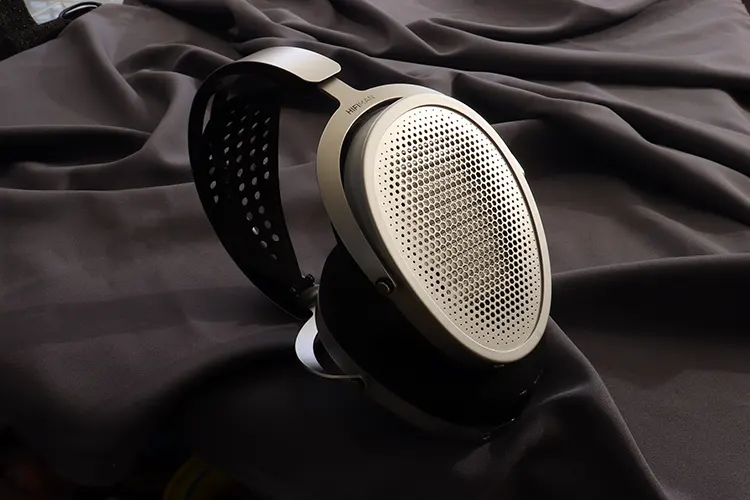
The Edition XV is one of the most unique HIFIMAN headphones ever made. The only common trait it shares with its counterparts is the asymmetrical cup design, the Neo Nano thick diaphragm, and stealth magnets.
The cups are a unique design from HIFIMAN that no other headphone has implemented.
I commented in my review of the HIFIMAN Edition XV that the back perforation pattern influenced the tuning and that HIFIMAN addressed many sonic complaints on this model.
They veer away from the overly bright presentation HIFIMAN was known for and will appeal more to those who stayed away from HIFIMAN headphones, fearing they would be too bright for their taste.
Design
Both these models sport HIFIMAN’s new 2nd-Generation headband. The XV wears a silver color scheme, but both these models wear the same headband and headstrap.
However, I would have to give comfort to the XV due to it having less clamping force and wearing softer pads.
The stiffness of the pads is designed to maintain a predetermined distance between the driver and the ear canal. But that in turn alters comfort levels.
Performance
The HIFIMAN Edition XV is perhaps the warmest headphone in HIFIMAN’s lineup, but it’s sonically similar to the Audivina LE in that it produces a sonic presentation that can muster up plenty of bass, helping it veer away from the overly bright presentation of the past.
The soundstage is also larger on the Edition XV by a small margin, and I also like the way vocals are expanded, but with no loss in definition.
The high frequencies also produce better extension on the Edition XV, but the bass is more prominent on the Audivina LE. Snares and sounds that require a fast attack and decay seem to play out better on the XV by a small margin.
Both these models have something about them that doesn’t incline one to say that they have typical HIFIMAN tuning.
They have mass appeal, and most will agree on this tuning over, let’s say, the older HE400i model, the DEVA line, or the popular HE560, which needed lots of power to drive them properly.
HIFIMAN Ananda Unveiled
Technical
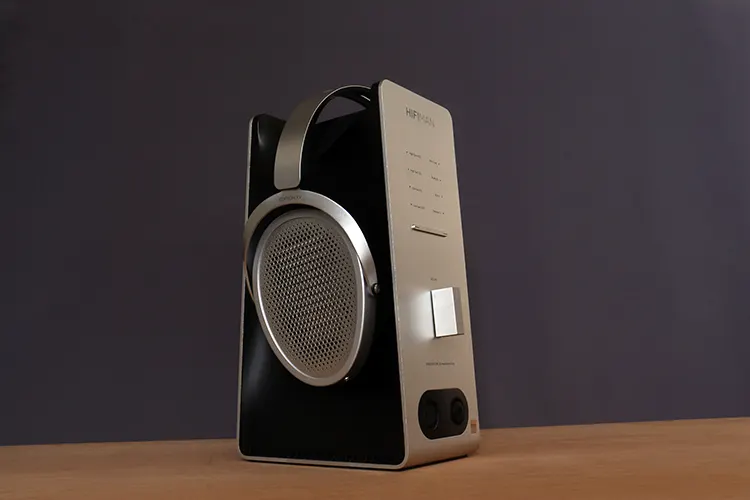
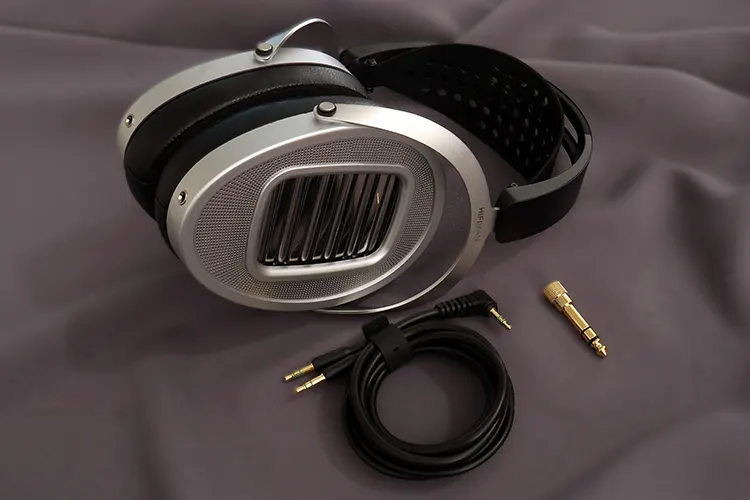
The Ananda Unveiled is an antithesis to the Audivina from the same company in the sense that the Audivina LE is a closed-back headphone, and the Ananda Unveiled is as open as you can get.
Design
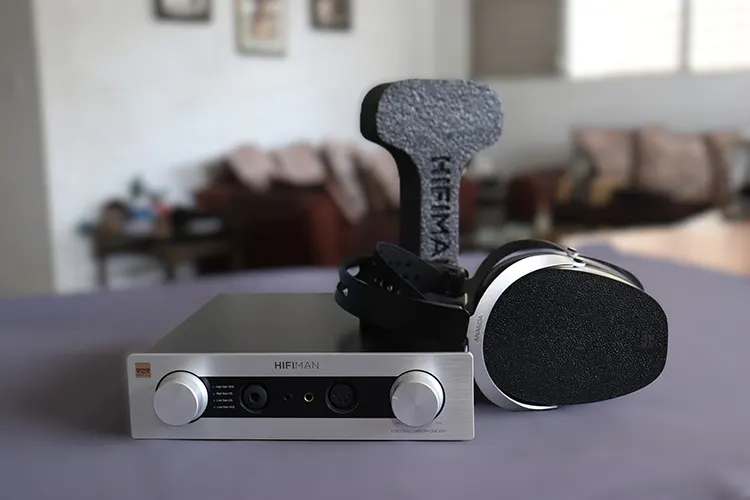
The Ananda Unveiled wears an all-silver theme over the Audivina LE, which favored to wear a black headband spring.
Again, for some reason, the clamping force of the Audivina LE is elevated, but they don’t act as clamps either. The amount is small.
What I find amusing is that the Audivina and the Ananda Unveiled use the same headband assembly.
However, the pads changed, and the Audivina LE wears stiffer pads. But how I wished all HIFIMAN pads would attach via Velcro, like the Audivina LE pads.
Performance
The Ananda Unveiled performs as expected because it brings to the table the HIFIMAN bright sound. The only difference is that in this model, the bass response was improved and doesn’t roll off as much at the bottom octave of vintage HIFIMAN.
The Ananda Unveiled produces tighter bass with a more clinical approach in this area of the audio spectrum. Comparatively, the Audivina LE bass response sounds supple and thick but not as tight.
The high frequencies take a gentle approach on the Audivina LE, while the Ananda Unveiled puts them front and center, intensity-wise, and not in reference to soundstage.
If you’re sensitive to high frequencies, you might prefer the Audivina LE over the Ananda Unveiled.
Speaking of soundstage, the Ananda Unveiled takes the lead in this area by a small margin since it sounds wider and wins brownie points because it’s more holographic.
Where the Ananda Unveiled really shines is in midrange and vocal production. They portray a more realistic tonality and are forward, but not intense. They sound realistic and deliver a more appealing presentation.
Meze Audio 99 Classics Gen 2
Technical
Let’s break the norm, do a fourth comparison here, and throw in a recently reviewed closed back, the Meze Audio 99 Classic Gen 2, which was a surprise release, and I wasn’t expecting that from Meze.
After all, the 99 Classics have been their bread-and-butter model for quite some time now. It has been one of the most popular headphones of all time, in my opinion.
It takes a lot of courage to take a model that has worked so well and make changes to it. It’s their Sundara. But let’s not revisit the Sundara Closed-Back. Let’s not go there.
Design
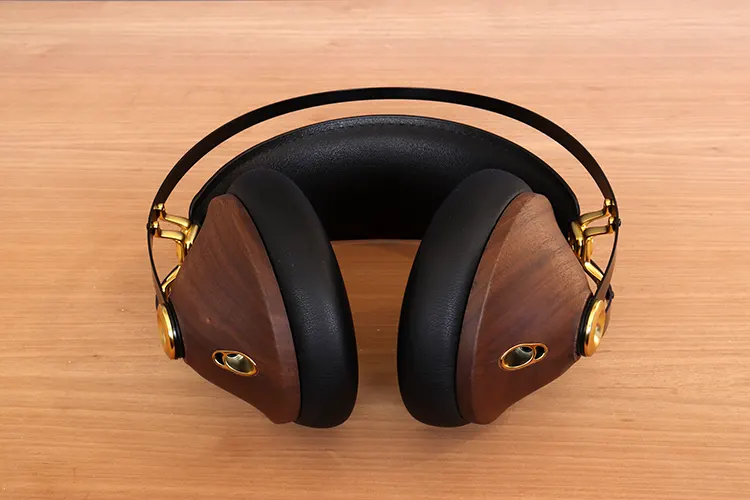
You can call this the battle between the retro style and modern-day engineering, although the 99 Classics gen 2 carries many design implementations that scream development and research.
They’re what I call antithesis models in that the 99 Classics Gen 2 use the traditional voice coil-driven dynamic driver in favor of the more technically advanced planar driver.
What’s odd is that although the 99 Classics Gen 2 is the vintage model, Meze managed to obtain a proper tuning with a cup size that’s half the size of the Audivina LE’s cups, which are quite large in comparison.
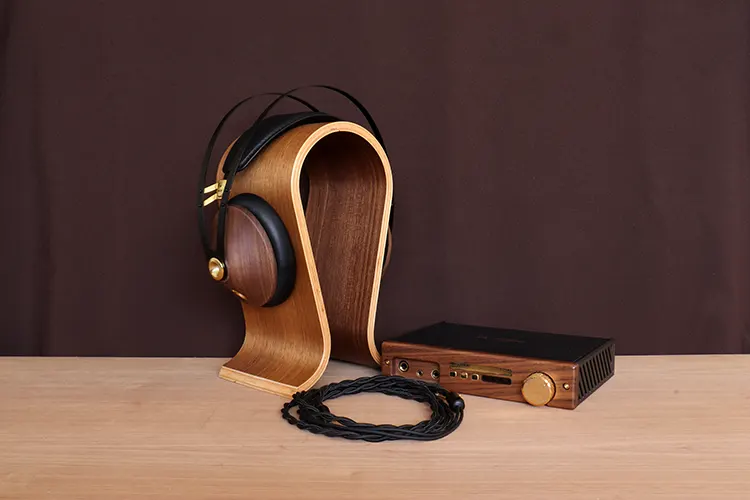
Speaking of the cups, both these headphones can use each other’s stock cables since they use an identical connection scheme. I like this because it standardizes the connection, and it makes it easier to obtain aftermarket cables for either model.
Performance
Off the bat, I noticed the increase in efficiency of around two-fold on the 99 Classics Gen 2, which makes them ideal if you plan to use low-power gear like dongles. Meze actually includes one with the 99 Classics Gen 2 that pushes them well.
Sonically speaking, these two headphones perform on par with each other in midrange and vocal presentation. Where they differ is the bass response and high frequencies, with some small differences in the soundstage.
Vocals and midrange production have a wider aspect to them on the 99 Classics Gen 2. The issue in the Audivina LE is that the vocals tend to conglomerate in the center, although, to their credit, they don’t lose distinction. Now, the Audivina LE does sound larger in general and produces a larger soundstage overall.
The bass response is tighter on the 99 Classics Gen 2, but the Audivina LE can produce bigger bass. Both these headphones produce high frequencies that are sharp and not rolled off, although I’m getting better extension on the LE.
If you have the resources, like powerful amplification, the Audivina LE will outperform the 99 Classics Gen 2, but only if that requirement is met.
The 99 Classics Gen 2 will work with anything you have and, to their credit, are the most versatile headphones within this comparison.

My Verdict
I would say that the HIFIMAN Audivina LE is the redemption closed-back headphone in the company’s lineup because I was expecting a controversial tuning.
Instead, they produced a performance that is surprisingly wide for a closed back, and a pleasing sound that veers away from being overly bright. The HIFIMAN tuning is maturing into a more musical approach.
With the release of the Audivina LE and the rest of the new line, one can say that HIFIMAN is listening to its customers and is now producing headphones with performance that will please a wider audience.
HIFIMAN Audivina LE Technical Specifications
- Frequency response: 5Hz to 55kHz
- Sensitivity: 96 dB/mW
- Impedance: 20Ω
- Weight: 449g
