


Synergy
Efficiency
The Annihilator 2026 has a sensitivity of 96 dB @ 100 mV at an impedance of 22 Ω.
The IEM needs some good driving power, and I would not rate it as an easy-to-drive IEM. Sure, you can play it through dongles and low-spec sources, but that would just scratch the surface of what this IEM can do once fed properly.
It is meant to scale and work efficiently with some desktop sources as well. Not saying you always need a heavy-duty source, but make sure the source has enough juice for it.
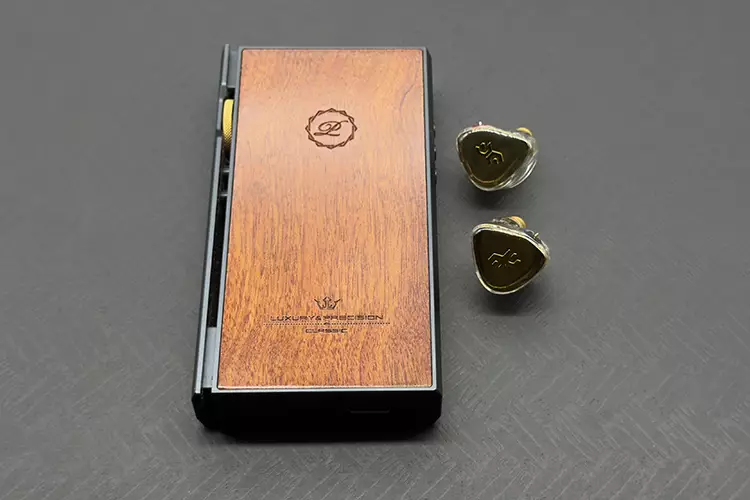
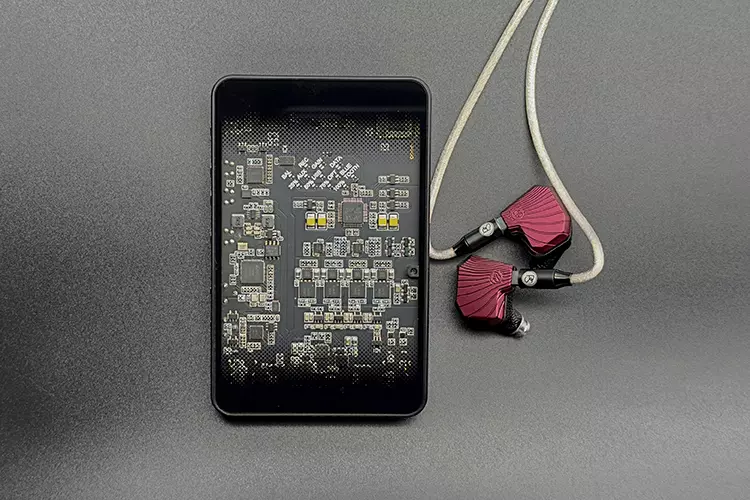
The difference quickly reflected when I switched from my Lotoo PAW Gold Touch to the QULOOS MUB5, an R2R portable DAC/AMP with plenty of power.
On the LPGT, Annihilator 2026 struggles a bit. The volume level goes past 40 to wake it up. That’s as demanding as Alpha Omega Omega. On MUB5’s normal gain, at a volume level of 30, the IEM sings in full swing.
The low end amplifies with a more solid base, the soundstage expands quite a bit, and the overall dynamics improve noticeably. The sound feels more balanced.
On a weaker source, the bass does not have that prominent presence, so the treble is what you feel a lot more. On better sources, the midrange and treble notes gain body and weight, giving it a rich and fuller sound overall.
In terms of sources, I would pick a warm-neutral source with the Annihilator 2026. A slightly bright or extra-neutral source can enhance the top-end presence, which, for me, is not ideal.
More than the choice of source, whether it is neutral or warm, I would not compromise on the power aspect at all.
Pairings
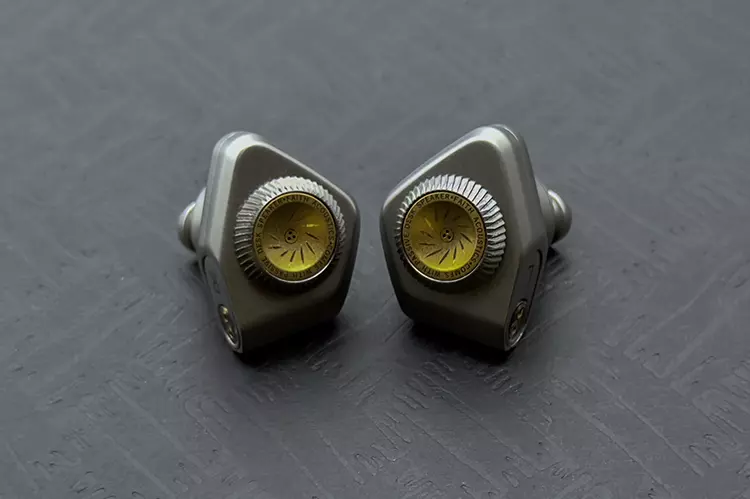
The LPGT does not have that solid driving force for Annihilator 2026. I mean, it can drive it pretty well, but it does not feel the same way I find the Annihilator 2026 on other sources.
That said, the only things I feel lacking are the soundstage’s spaciousness and openness in sound.
The rest, the low-end impact, the midrange’s naturalness, and the treble’s liveliness are very much intact here as well.
You can feel the soundstage a bit narrow here, but it does not eat up the air and space. Instruments feel duly arranged, with none of those fighting-for-space issues at all.
Since the P6 Pro has a warmer, analog-like tonality, I expected it not to pair ideally with the Annihilator 2026.
However, I have enjoyed the pairing quite a lot here. The treble feels a bit smooth, but the bass has a very tight and controlled attack. Also, the tonality is very pleasing.
The P6 Pro, though, does not support the width of the stage much, but the height and depth give a huge, immersive stage overall. Honestly, at times, it just becomes a bit too overwhelming with the dense, rich sound.
The MUB5 feels like the most ideal pairing with the IEMs. The source gives a lot of power and a rich, transparent sound. It cuts down on the R2R lushness that the P6 Pro has. So you get a cleaner sound, which is even more expansive and lets the detail flow better.
You don’t get the same tightness and impact of P6 Pro here, but Annihilator 2026’s bass does not need any support. The midrange gets better space here. Not that it feels congested on other sources, but the extra-wide stage here gives the instruments more room to shine.
Selected Comparisons
Faith Audio Labs E1000
Technical
At its core, the E1000 is a single 10.2 mm full-range dynamic driver. This driver is driven by a dual-neodymium magnetic circuit, which, on paper, is a very strong magnet system. Alongside the main driver, there is an auxiliary helper passive radiator.
The E1000 driver’s diaphragm is coated with titanium using a sputtering process. The coating has more than 80 ultra-thin layers. The IEM aims to achieve a diaphragm that is light but, at the same time, stiff and stable.
The E1000 is rated at 115 dB sensitivity @ 1 kHz with an impedance of 45 Ω. Though it is an easy-to-drive IEM, it is quite stable on powerful sources and can take a few extra volume clicks on all the sources I used to compare these two IEMs.
Annihilator 2026 can take more power than the E1000. On my LPGT, for the E1000, I am around volume 35, while the Annihilator 2026 goes easily past 40.
Design
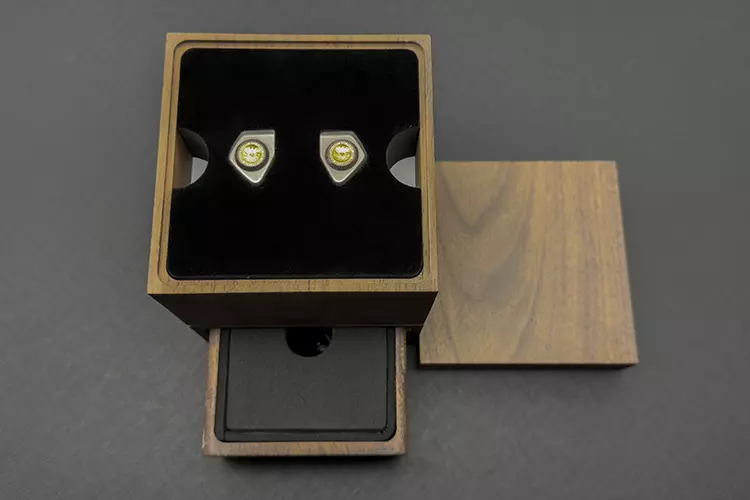
The E1000 shells are way smaller than the Annihilator 2026’s. E1000 is CNC-milled from solid titanium alloy.
The shell has the shape of an irregular pentagon, with angular curves and clean edges. It feels very “machined.” It is small, but it gives off a rugged, almost industrial feel.
Annihilator 2026 is built in resin shells, carries a premium look, and has faceplates that, though simple in design, are quite a looker.
If you have smaller ears, E1000 should be an easier fit. Annihilator 2026 has larger shells, and the nozzles are quite large, which can bother even normal ears with their fit.
The packaging of E1000 stands out because of the boutique feel it carries. Annihilator 2026 gets standard packaging, and nothing really stands out when compared to the E1000.
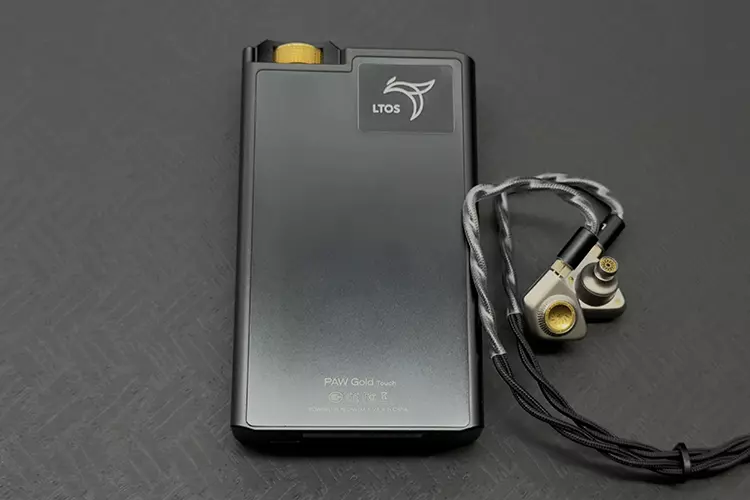
Also, I feel the cable on the E1000 does a decent job and is comparable in performance to the Annihilator 2026’s stock cable. However, the Effect Audio cable carries a more polished look.
Performance
Annihilator 2026 and E1000 have a similar vast stage and an incredibly open-sounding profile, but they have very different tuning styles.
E1000 is less filled in. The notes are slightly crisper and thinner in comparison. It gives it a clean and crystal-clear presentation. Annihilator 2026 is warmer and has thicker notes, which makes it sound more filled-in.
Annihilator 2026’s low end has a better foundation. That’s a big differentiation in tuning styles. More impact and depth, along with a mid-bass-tilted approach.
E1000 has a neutral low end. Sub-bass is not as deep and rumbling, but the textures and details are slightly better in the sense that the cleaner bass keeps things well-separated and a bit more organized.
The lower midrange is leaner on the E1000, while the Annihilator 2026 offers better body and weight. E1000 does not lack much but just aims for a cleaner body and does not add extra warmth or body.
This gives the midrange better space on the stage. Details flow more evenly, and the resolution feels better. Vocals and strings carry more body on Annihilator 2026. E1000 keeps things sorted, clean, and polished.
Both IEMs do the treble really well. On E1000, the notes are better separated, and the leaner bass gives more space to the treble to shine.
This, in turn, lets the treble details be perceived slightly better if the tracks are bass-heavy. Nevertheless, the Annihilator 2026 has plenty of air and sparkle to offer.
E1000 is better in stage height, while Annihilator 2026 does front-to-back separation slightly better and has a width-focused stage. E1000 is still the more holographic one for me.
I would put Annihilator 2026 a bit ahead in musical engagement, as the E1000 feels a bit clinical at times. For someone who prefers a more detailed and well-lit sound, E1000 is the one to look for.
LUXEAR Valor
Technical
LUXEAR, a new name from the Hong Kong IEM scene, released the Valor some time ago.
Valor is a quadbrid 10-driver IEM. The configuration includes one dynamic driver, one planar driver, four Knowles balanced armature drivers, and four Sonion electrostatic drivers per side.
The dynamic driver handles the lower end. Two balanced armatures cater to the midrange, while the other two balanced armatures, along with the planar driver, take care of the treble region.
The EST drivers cover the upper treble region. A 6-way crossover manages the frequency split among all these drivers.
Valor has a sensitivity of 109.6 dB SPL/mW and an impedance of 9 Ω, which makes it a rather easy-to-drive IEM. On my LPGT, a volume level of 30 feels comfortable for the Valor.
The Annihilator 2026 is a lot more demanding and feels extremely stable on powerful sources. Valor shows very little scale-up effect, and I would not really pair it with very heavy-duty sources.
Design
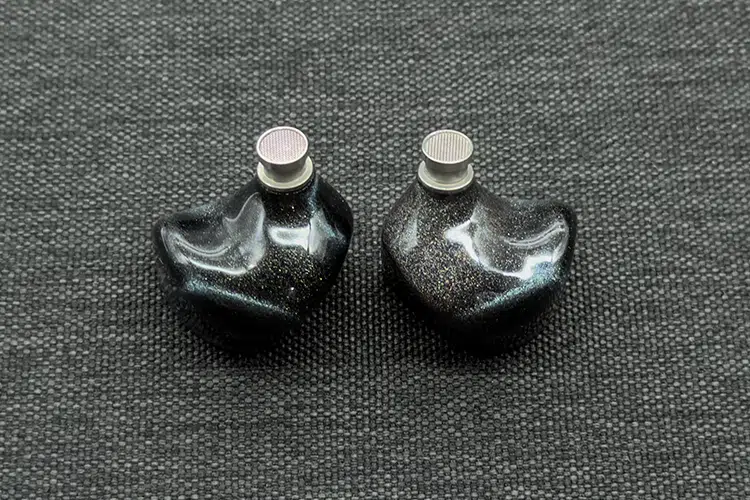
The Valor’s shells are slightly on the bigger side, and we find a similar story with the Annihilator 2026.
Both IEMs are built in resin and have a very smooth shell design. No hotspots and no sharp corners on either one. However, the real challenge with Annihilator 2026 is its large nozzles. Valor is a lot easier to wear.
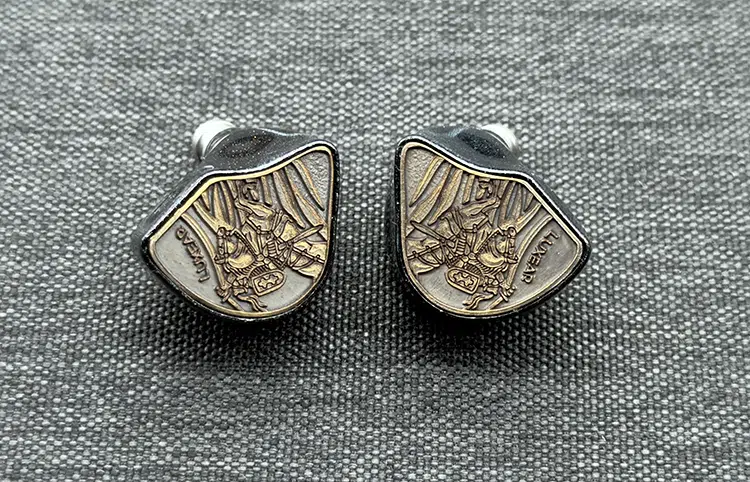
The main talking point of Valor’s design is its faceplate. It has this leather-like treatment, which gives Valor a very minimal, boutique kind of identity. It shows a horse-riding knight holding armor, and it suits the name “Valor” quite well.
Valor’s shells have a shiny look, and when light hits them, you see tiny sparkles across the body. Annihilator 2026 also has shiny elements, and between the two, it is really hard to decide which one I prefer.
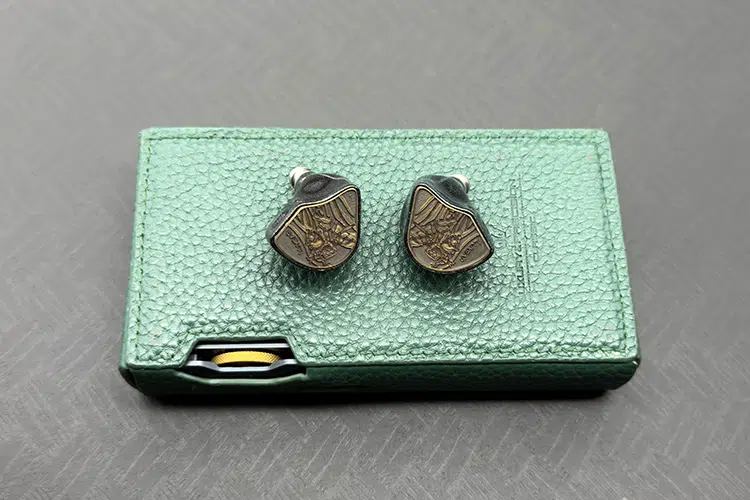
Valor’s packaging is larger, and it comes packed in a large leather box, which is quite useful for storing IEMs and even a DAP.
Both IEMs pack decent accessories, and nothing really misses out. I prefer the cable on the Annihilator 2026, as this Effect Audio cable complements its aesthetics really well.
Performance
The Valor has a very tight, controlled low end, which is more sub-focused. The midrange does not get any extra body or bloom that the Annihilator 2026 has. But it has a very solid low-end foundation. It is just done in a very different way.
Annihilator 2026 has more mid-bass punch and offers a lot more volume, so it has both quantity and quality. Valor focuses on quality while offering decent quantity. It has got plenty of texture and a very detailed low end.
Annihilator 2026 has a richer midrange and gets a lot of depth and weight from the lower-mid region. Valor keeps the region tidy, and in comparison, it just adds the right amount of warmth in the midrange.
Along with the clarity, Valor gives more space to the midrange instruments and vocals. On the Annihilator 2026, the bass can eat up some of that space.
The planar driver on Valor brings plenty of treble details and can get slightly spicy. The micro-details feel more alive and less buried under the overall warmth.
On the Annihilator 2026, I get the same level of details, but the last bit of air and sparkle feels better delivered on the Valor.
The treble delivery is smoother. Due to its clean bass and less warmth overall, both treble and midrange have better presence on Valor.
On the technical front, the Annihilator 2026 offers stronger dynamics, and the soundstage stretches more in width than the Valor’s. Also, this stage expands quite a bit if you pair the Annihilator 2026 with more powerful sources.
Images are clearer and more vivid on Valor. The spatiality feels better, along with how instruments are spaced out. In a nutshell, the Valor tries to go for a more balanced approach, pushing the technical side a bit more.
PLUSSOUND SONORA SE
Technical
PLUSSOUND’s recent refresh, SONORA SE, packs a modest count of eight drivers per side in a clean tri-hybrid layout. Annihilator 2026 is a seven-driver-per-side design.
On SONORA SE, you get two 10mm dynamic drivers for the low end, four balanced armatures covering the mid-lows through the mid-highs, and two electrostatic drivers handling the top end.
The low frequencies are built around a dual dynamic setup in an isobaric arrangement. There is a 6-way crossover network that ties everything together, plus a 3D-printed acoustic chamber to help organize airflow and driver interaction.
The SONORA SE has an impedance of 10Ω at 1 kHz and a sensitivity rating of 110 dB/Vrms. It scales up nicely and feels quite stable with additional power. However, Annihilator 2026 is even more demanding.
On my LPGT, SONORA SE comfortably goes past a volume level of 35. I even push it up to 40 when I want a few extra hits of its bass. Annihilator 2026 feels at home with a volume level of 40.
Design
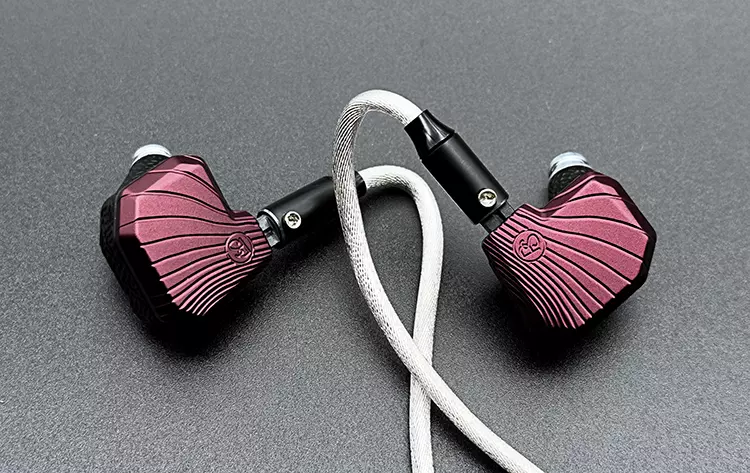
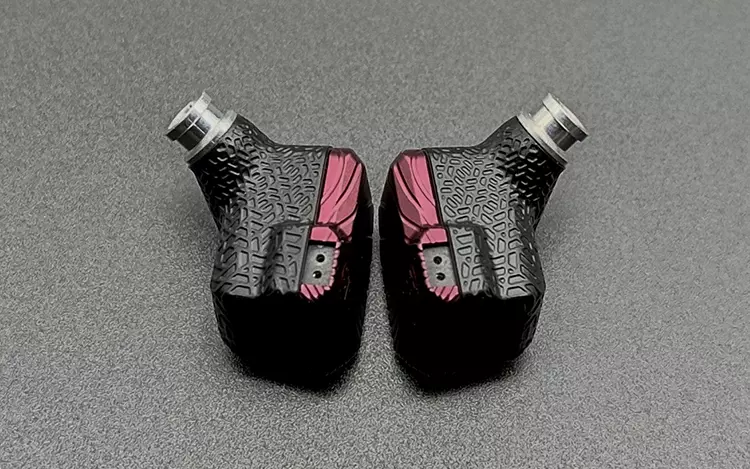
The SONORA SE has one of the more unusual shell designs. PLUSSOUND does not follow the usual resin or metal shell approach and has a solid, block-like design.
There are sharp little facets, tiny steps, and clean edges all over the shell. It is finished in black and has a grainy, geometric pattern that gives it a nice grip.
The shells are on the larger side, and from images, they can look heavy and awkward in the ears. But the good news is that the fit is never compromised. SONORA SE is comfortable to wear and does not bother you with its size, even in long sessions.
In fact, even with the very ergonomic design of Annihilator 2026, the only thing that bothers me is the huge nozzles. Had they been smaller, the IEMs would have been quite easy to fit.
So, for people with smaller ears, both IEMs are a must-try before you pull the trigger.
PLUSSOUND packs in a wide array of accessories with the SONORA SE in a very compact way. Annihilator 2026 arrives in a larger box but lacks a few of the extras that PLUSSOUND offers, most importantly, the leather mesh pouch.
PLUSSOUND has a rich cable lineup, and they usually throw in very decent stock cables. So, the stock cable on SONORA SE feels quite well-built and carries a premium touch. The Effect Audio cable is, however, equally good on the Annihilator 2026.
Performance
The Annihilator 2026 has got a more exciting sound. This overall tuning on the Annihilator 2026 can trick you into perceiving other IEMs as dry and less musical.
The Annihilator 2026’s low end is more voluminous, with a bass-heavy tuning. Thankfully, it has enough control.
SONORA SE has a slightly sub-bass-focused sound. It is deep and punchy, but very controlled in the mid-bass region. You don’t get a bloated or swelled-up mid-bass here.
The SONORA SE’s midrange is clean and detailed in approach. It has a tidy lower-midrange presence, so the instruments and vocals are cleaner and leaner in comparison.
This does give an edge to the details and helps in creating a transparent sound through the midrange. If you do not want any of the extra warmth and bloom, this works better.
Annihilator 2026 has a more filled-in lower midrange, with better depth and weight in notes. It does come across as more natural and emotional.
Treble details have more focus on the SONORA SE owing to its leaner nature and the less warmth it carries. It carries a slightly more analytical tuning if compared directly to the Annihilator 2026.
Annihilator 2026’s soundstage gives a lot of room to the instruments. So even with its warm, bassy signature, instruments do not feel like they are fighting for space.
The SONORA SE has a great soundstage too, but it’s not as vast. It sounds open and quite detailed, but it does not have Annihilator 2026’s richness.

My Verdict
The Annihilator 2026 is still one of the hard hitters, just in a different avatar. I did not have the 2023 version with me to compare directly, but what it offers is a very competitive flagship sound.
If I were to sum up the Annihilator’s sound, it just sounds massive. It has a vast soundstage and effortlessly larger-than-life sound that feels unbeatable.
The low end adds a lot to its sumptuous sound. Then you get a pleasing tonality in the midrange, which amplifies the musical delivery. The treble has its own appeal. You get plenty of details, and the top end is full of shimmer and sparkle.
The technical aspect is not compromised either. Among the recent flagships that I have tried, the Annihilator stands out because of its unique style of tuning and overall appeal.
It carries the legacy that started building up in 2021. Served in different flavors, it still has enough sauce in it to turn heads. Along with the looks and the new Effect Audio cable, the premium quotient has been upped.
Paired with the MUB5, I did have my “wow moments” with the Annihilator 2026, and I recommend the IEMs to anyone who’s hunting in this price range. This one is surely not to be missed.
Elysian Acoustics Lab Annihilator 2026 Specifications
- Driver Configuration: 7-Driver Tribrid Configuration
- 1 x Custom 9.2mm LSR Dynamic Driver
- 2 x Electrostatic Tweeter
- 4 x Balanced Armature Drivers
- Internal System: 4-way Crossover + Advanced Chamber Design
- Frequency Response: 20 Hz – 45 kHz
- Sensitivity: 96 dB @ 100 mV @ 1 kHz
- Impedance: 22 ohms @ 1 kHz
- Cable: WRATH by Effect Audio (Gold-Plated Silver + Silver & Copper Alloy + Pure Silver + Pure Copper)
