

Sound Impressions
The following sound impressions of the Audeze LCD-S20 were completed using a mix of the OOR/HYPSOS/WANDLA GSE stack and the Cayin HA-2A.
Summary
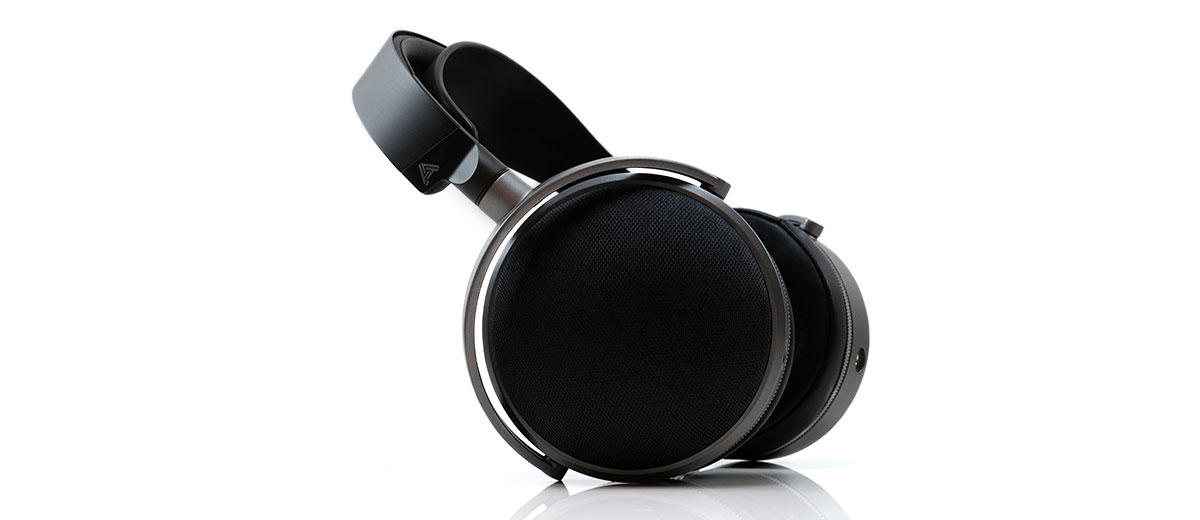
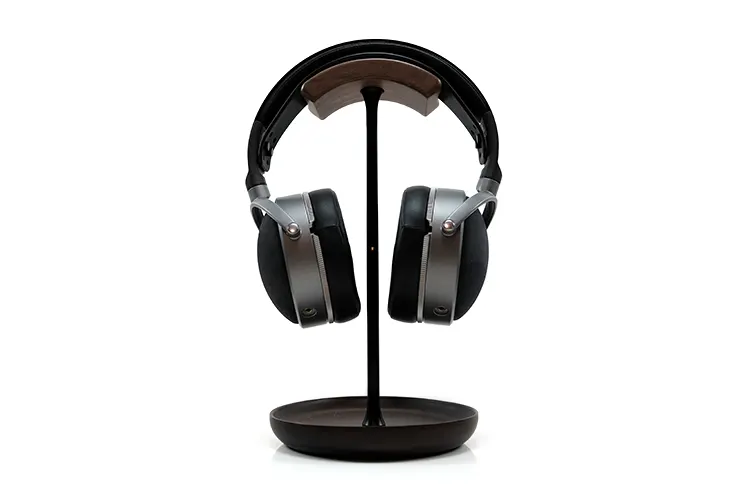
The LCD-S20 is a deep, spacious, and smooth-sounding closed-back planar headphone. It is also a deviation from their more monitor-like tuning used in the MM-100.
This will appeal to everyday listeners despite the marketing collateral giving it a studio slant. It is easy on the ear, with that slightly darker, more rounded tone and excellent bass response.
I must emphasize excellent over the phrase ‘more’. Despite having the most elevated bass shelf of recent Audeze offerings, it’s not a bass-head headphone.
Contemporary offerings, such as the DT 1770 PRO, have a stronger, more obvious bass response, but that comes at the cost of typical closed-cup bloom.
The LCD-S20’s low end has far fewer problems with unwanted resonances and reflections, with a far more linear and well-controlled response from 20Hz up to 1k.
When it goes deep, you will hear an excellent fundamental frequency, but it’s a quality sub-bass with a milder mid-bass punch than some of its dynamic driver competitors.
The midrange ear gain is good without straying into shouty territory. It’s not as separated and prominent as the MM-100, but it benefits from a slightly fleshier, smoother tone and a lack of emphasized sibilance, making it an incredibly easy listening experience.
If there is a topic for debate, it’s the drop in energy from 3-8k, giving the LCD-S20 a darker quality compared to its sibling Audeze headphones. In some ways, this reminds me of the classic Audeze tuning, but it’s also a quality that should endear it to casual listeners.
There is some upper treble energy, but it’s slight and doesn’t seem to upset the otherwise serene midrange presentation. Certain amplifiers will emphasize the highs a bit more, with the likes of the OOR creating a darker tonal quality compared to the sweeter and airier Cayin HA-2A.
Frequency Response
If you are accustomed to more neutral offerings such as the MM-100, MM-500, or even the LCD-5, you will notice the LCD-S20’s elevated bass shelf from 20Hz to around 200Hz.
It’s not a typical closed-cup bump, though, almost like an open-back bass tuning with a relatively linear drop from 20Hz to 200Hz and just a slight lift around 100Hz. That translates to excellent depth, a bit of warmth, and a welcome, if not overwhelming, mid-bass punch.
From there, up to 1k, everything is very Harman-centric to my ears, with a gentle lift to the mids and nothing too neutral or dipped that could rob the LCD-S20 instrumental and lower-register vocal delivery of body or presence.
Combined with the excellent bass fundamental, the LCD-S20’s lower-mids bring an addictive level of power and body to rock and metal standards, almost reminiscent of older LCD series performances but with added urgency.
From 1-3k, the level of ear gain is just slightly above neutral, so some vocal registers will be upfront, though not quite to the same level as the MM-100. The presentation, at times, will seem a little more centered and intimate depending on the pairing you use (see below for more details on pairings).
That darker description comes from a fairly sustained drop in energy from 3-7k with a relatively minor bump to neutral around 8k.
The pros of this are a lack of sibilance and generally very smooth and rich midrange coloration. The cons are a lack of air and lower-treble fill, reducing the relative height and headroom of the LCD-S20’s soundstage.
Pairings can adjust this balance slightly with the Cayin HA-2A injecting more air and reducing the weight on the lows slightly, but the likes of the OOR and the HOMAGE kept the emphasis much lower down.
Staging & Dynamics
The LCD-S20’s staging shape excels on depth with surprisingly good width, though with that dip in the upper-mids and lower treble, it can lack a little bit of headroom and ultimately deliver a darker sound quality beyond the mids.
Midrange imaging can depend a lot on vocal register and where it hits on the lifted 1-3k range, but overall, I found the positioning to be forward but not as strongly separated as the MM-100.
Part of the above is due to the drop in lower treble energy, so upper-register percussion fill is more muted, with perceived headroom slightly reduced. That will suck out a little air resulting in more of a bass-to-mids listening bias.
The low-end response is the star of the show. It’s lifted, generating excellent power, but it’s not muddy or full of bloom. You get a decent perception of space with that large planar driver sounding large, at least when compared to smaller dynamic driver counterparts.
The mid-bass emphasis is downplayed a little more, but for me, that helps accentuate just how well the sub-bass performance delivers from these headphones. I never felt the lows dominate the mids in the LCD-S20’s presentation.
Synergy
Efficiency & Sensitivity
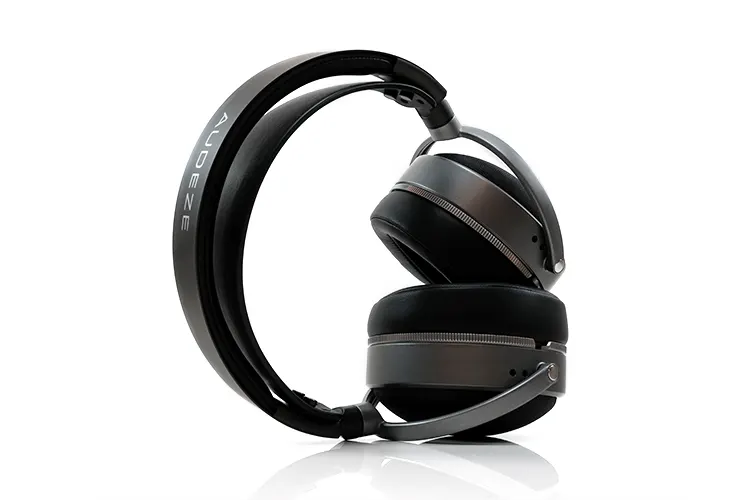
The Audeze LCD-S20 is rated at 18Ω impedance with an SPL of 93 dB/mW, which, whilst as efficient as the MM-100 sibling, is noticeably less sensitive by up to 5 dB.
I picked up on that difference in all of my amp pairing comparisons, with some volume adjusting upward required to match the same listening levels as the MM-100.
Given the lowered sensitivity, I probably would have preferred the LCD-S20 to come with a 4.4mm cable rather than single-ended only, if only to tap into the stronger balanced output power of portable sources such as dongles and DAPs.
Going with desktop setups and portable rigs with decent current headroom will not pose any such problems in single-ended mode. Amplifiers such as the Ferrum OOR, ZMF’s HOMAGE, and the Topping DX9 all drove the LCD-S20 quite easily.
Portable rigs such as the Cayin C9ii and niche DAPs such as the DC12V-capable iBasso DX340 will also drive the LCD-S20 quite well, though the DX340 without the DC12V wired connection halves the potential output power, sounding less impressive.
It is not that you cannot get adequate loudness from the LCD-S20 with DAP SE outputs, but rather the dynamic range and clarity can vary considerably according to the DAP’s output headroom, with some doing a lot better than others.
Portable Pairings
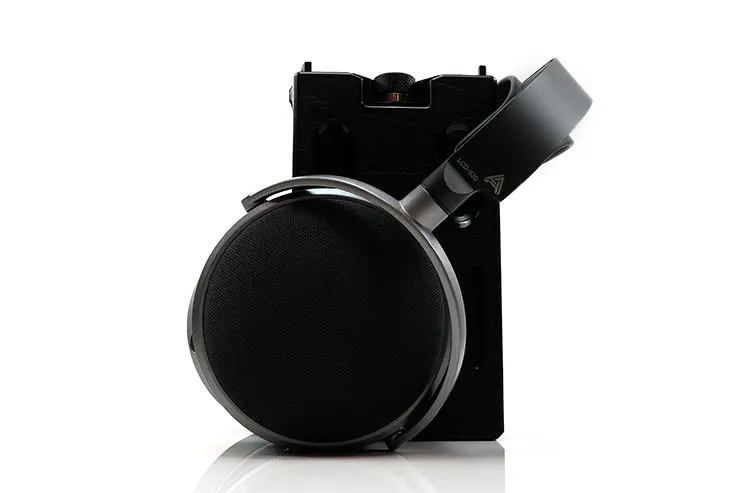
And which ones do better? To find out, I tested the iBasso DX340 (AMP15), their DX320 MAX Ti, Cayin’s C9ii and N6iii, and the HiBy R8 II.
In single-ended mode with an 18Ω impedance load, you get over 1W of output power from the iBasso units and the C9ii. Going single-ended with N6iii and the HiBy R8 II delivers less than 500mW to the LCD-S20, resulting in a far lower level of dynamic range and a more compressed soundstage.
Of the three more powerful units, the C9ii has the best mix of coloration and dynamic range, especially with its solid-state hyper mode.
The LCD-S20 is tuned for enhanced bass performance, so the iBasso DX340’s more neutral sound signature didn’t draw out that highlight as well as the richer and weightier C9ii pairing.
The DX340 with AMP15 and the DC12V will do better than the battery alone, but it’s a snappier, punchier tone rather than the fulsome, deep sound you get with the C9ii.
The DX340 MAX Ti is superior to the C9ii for dynamic snap and staging depth with the LCD-S20. It sounds a lot cleaner and more precise, and arguably more resolving through the mids and highs.
It is an excellent pairing to maximize the LCD-S20’s staging height and treble clarity. The Cayin C9ii is richer and smoother sounding over this region, particularly if you switch to tube/High anode mode, but not as airy through the highs.
I preferred the tonal synergy of the N6iii with the LCD-S20 over the DX340 and the R8 II. It’s a denser sound than the DX340 and more dynamic than the muted SE output of the R8 II. However, it lacks the same level of separation as the more powerful units.
Desktop Pairings
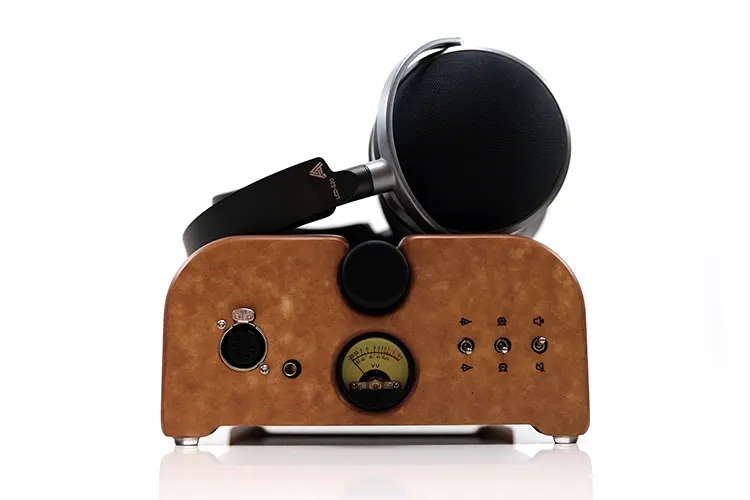
I tested four desktop setups, including the Ferrum OOR/HYPSOS/WANDLA GSE stack, the Cayin HA-2A, Topping’s DX9, and the ZMF Headphones HOMAGE with a balanced lineout from the Cayin N7.
Readers will note that the HOMAGE is a balanced-only design, so testing for this was completed using a single-entry XLR cable taken from my older HIFIMAN HE-R10P.
Your preference might depend on how dark you want the LCD-S20 to sound. If I were to rate them from most to least, then it would be the HOMAGE, followed by the OOR, then the DX9, and finally the Cayin.
The HOMAGE sounded overly warm and low-end biased to my ears. The LCD-S20 is too bottom-weighted, with less substance through the mids and highs.
I can counter that a bit by switching to more neutral sources since the N7 is fairly relaxed through the mids, but even by default, the HOMAGE is heavy on the lows, which might upset the LCD-S20 balance for some.
The Ferrum stack was probably my favored pairing with the LCD-S20. It is a little darker and not as airy as the HA-2A or the DX9, but the clarity and dynamic range are excellent.
The LCD-S20 low-end sounds really powerful from this combo, with excellent vocal/instrumental separation to go along with it.
The DX9 is a little more neutral in coloration with excellent punch and plenty of headroom, but its DAC/Amp combo is not quite as good as the Ferrum stack for imaging and separation.
The HA-2A surprised me. I placed this one just behind the Ferrum stack in terms of enjoyment, with an easy, joyful flow to its performance.
It’s a little sweeter and airier sounding with a beautiful, lush, tonal quality, but not quite as dynamic and weighty on the LCD-S20 lows as the solid-state pairings.
