


Sound Impressions
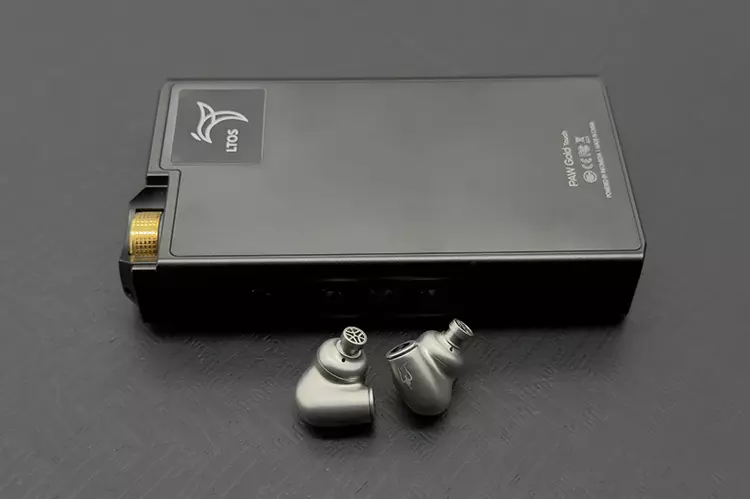
The following sound impressions of the Meze Audio ASTRU were completed using a mixture of my main source, the Lotoo Paw Gold Touch, the Luxury & Precision P6 Pro, and the Campfire Audio Relay dongle DAC/Amp.
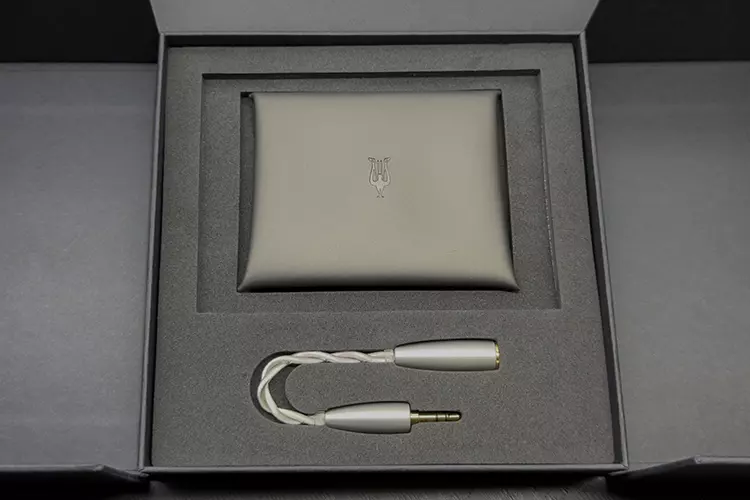
For the review, I paired the IEMs with the stock cable and COREIR Brass ear tips, size L.
Summary
ASTRU’s tuning is a perfect balance between smoothness, musicality, and tonality, with each part landing just where it should. There is no boosted bass, no flashy treble, and no hyper-detail trying to grab your attention the moment you hit play.
Instead, it brings a coherent, natural presentation that is easy to sink into. Everything ties together well. There is nothing that feels exaggerated or overdone.
The bass is controlled and textured, with enough depth in the sub-bass so that you don’t miss that fun. The highlight of the midrange is its richness and how natural it feels. The treble is smooth and easy-going. No sharpness, no splash, nothing exaggerated.
Technically, ASTRU is solid without showing off. The stage is not super huge, but you get enough width, decent height, and good depth to keep things spacious and clear. Imaging is precise enough, layering is handled well, and macro-dynamics are strong.
It may not be the last word in raw technical performance, but it is highly immersive and slowly draws you in. Minutes turn into hours before you even realize it.
Overall, ASTRU feels built around what most single dynamic drivers try to achieve: tone, balance, and musical flow. It does not demand attention in obvious ways but slowly wins you over the longer you listen.
Bass
The bass on ASTRU takes a slightly balanced path. The low end is not heavily lifted. It has got the impact, but the focus shifts more toward texture, control, and overall quality.
The sub-bass reaches low enough and hits with a satisfying rumble, giving the music a solid ground to tickle those bass cravings. But it stops short of becoming a sub-bass monster. You feel the depth without turning the whole signature into a low-end showpiece.
Mid-bass follows a similar philosophy. It feels controlled, clean, and well-behaved. Notes have a nice sense of body, but the impact is kept in check.
There is punch here, but it is a regulated kind of punch, the kind that serves the music rather than overpowering it. On some bass-heavy tracks, the impact may surprise you.
This bass has a slightly thick and warm nature, but never crosses into sounding overdone. There is enough weight to make instruments feel full and grounded, yet it does not become so thick that the bass starts dragging its feet. The decay feels natural, letting notes fade gracefully with a bit of texture and body.
The bass does not really spill upward or cloud the higher frequencies. It stays controlled enough that the midrange is not being constantly warmed over or blurred out by excess low-end energy.
ASTRU clearly responds well to power. A bit more juice and the bass starts to wake up in a very pleasing way. It feels more alive, punches hit with more conviction, and the dynamic swings come through better.
Overall, ASTRU’s bass is more about refinement than excess and balance than boost. It gives you warmth, body, and enough low-end reach to stay satisfying, but does so with good control and decent agility.
Mids
The midrange is where ASTRU really shines. It’s rich and natural, easy on the ear without being too forward or too recessed.
You get warmth and a bit of extra richness, though not in a syrupy way, but rather an impressive smoothness without compromising clarity and details. But it stops short of that thick, heavy tuning that makes everything feel dull.
The lower mids carry good body. Male vocals have enough weight; they feel grounded. Guitars, pianos, and strings sound substantial. It’s lush but never congested or overly warm.
That balance runs through the whole midrange. It’s rich but not overdone. Warm but not too warm. Smooth but not lifeless or dull.
You don’t get that hyper-clean, analytical separation, nor do you get something soft and foggy. It sits right in the middle; it has enough body and sweetness to draw you in.
The upper midrange follows the same approach. It is not sharply etched or aggressively outlined. It does not chase excitement through bite or sharp contrast.
It prioritizes smoothness over excitement. The trade-off? Micro-details don’t jump out the way they would on a crisper tuning.
But nothing feels missing. The details are just delivered more gently. The stage is spacious enough that nothing gets buried, and there’s enough air around notes to keep separation intact. The nuance is still there, just wrapped in a very smooth presentation.
Overall, this midrange is rich, organic, and easy to enjoy. It has got enough body to feel full, enough warmth to feel natural, and enough clarity to stay clean. I believe it may not be for those chasing transparency or high energy.
But if you value smoothness, note weight, and natural richness, ASTRU delivers. ASTRU’s midrange is full and musical without getting bloated – that balance is the appeal.
Treble
The treble on ASTRU is easy-going. No sharp edges, no sudden spikes, nothing grabbing for your attention. It just flows.
Even the transition from upper mids to treble is seamless and coherent like a continuous unit rather than pieces stitched together. That’s where single dynamic driver IEMs have an edge.
The treble isn’t trying to stand out. It’s there to complete the picture. ASTRU keeps the top end controlled and gentle. That’s what gives it that natural, non-offensive presentation.
It also makes long sessions easy. You just keep listening without bracing for some note or cymbal hit to turn annoying.
The lower-treble has enough crunch to add some crisp outlines to the notes. For me, there’s a good amount of air up top, just enough to keep things from feeling boxed in.
It’s not airy and sparkly in a treble head way, and some may find it dialed back, especially coming from brighter, more open top ends. But there is enough extension and openness to prevent the sound from closing in, and not much feels missing.
If you love treble sparkle and bite, that crisp metallic edge on cymbals, ASTRU might feel discreet. Cymbals may lack that sharp, shiny attack. The metallic sheen softens, so some tracks sound less vivid, less alive than on brighter sets. Not dull, just smoother than exciting.
It’s forgiving too. Poorer and sharper recordings, thinner tracks – all easier to handle here. It smooths the rough spots without muting the information.
So overall, ASTRU’s treble keeps the whole tuning together. Smooth, safe, and easy to like. You may lose some cymbal crispness and metallic sparkle, yes, but you get treble that never turns sharp, never fatigues, and fits naturally with the rest.
Staging & Dynamics
ASTRU’s soundstage is impressive. Depth and height are decent. Width is fairly good. It is not one of those huge, stretched-out presentations that instantly make you go wow.
It does not try to sound massive, but it gives enough room in the mix, and that matters more here. And the next thing you notice is how well the instruments and vocals are layered without fighting for space. It makes the presentation feel nicely wrapped around and uncluttered.
On busy tracks, you can catch the finer nuances and little micro-details in dense passages. But the details do not poke at you. It is not the kind of set that pulls apart every tiny detail and throws it under a microscope.
And that is really the full picture. ASTRU is not tuned to be some technical beast. Fair enough. But in return, it leans hard into musicality. It sounds full, smooth, and immersive. That matters, sometimes more than raw technical ability.
With a better source, things improve quite a bit. Give it some proper power, and the stage opens up more. Vocals get a bit more air and space around them. The whole presentation feels more alive. It starts sounding even more complete.
Imaging is decent too. Again, this is not a very hard-edged, pinpoint style of imaging, but spatial organization is solid. Positions are clear enough. Left-to-right movement comes through extremely well.
Macro dynamics are actually pretty solid. ASTRU can hit with authority when the track asks for it. Big swings come across with confidence. There is a good sense of drive when the music opens up.
Micro-dynamics are more polite but not super expressive. You can catch tiny volume shifts, small inflections, and the soft little changes or a delicate instrumental passage, but that shift may feel ephemeral.

Synergy
Efficiency
The ASTRU is rated at 32 Ω at 1 kHz, with a sensitivity of 111 dB/Vrms. On paper, it does not look hard to drive, and in practice, it is fairly easy to get going. Smartphones and dongles can drive it without much trouble. Volume is not the issue here.
But to make it sound properly full, I do feel it needs a few extra volume clicks. At lower volumes, the dynamics do not quite wake up. It sounds a bit flat and too relaxed. Once you push the volume a little, things start coming together better.
A more capable source helps. Staging improves, and dynamics get stronger. Notes carry more weight, instrument spacing improves, and bass hits with more punch.
So yes, it is easy enough to drive, but it does reward better sources. That would be my suggestion. Try it with something solid.
ASTRU also scales well. It does not fall apart or get weird when paired with more powerful desktop gear. I had a few sessions with the Questyle CMA18 Master, and it honestly felt like a different IEM altogether, sounding more open and alive.
I found a similar step-up when comparing LPGT and L&P P6 Pro, where the P6 Pro drove it with more authority and pushed ASTRU’s performance further.
For pairing, I prefer a neutral source with ASTRU. I would not want extra warmth added on top, and I would not want extra brightness either. Its balance is one of the nice things about it, so I would rather not disturb that too much.
Source Pairings
With the Lotoo Paw Gold Touch, ASTRU comes through with a solid bass presence and a richer midrange. Since LPGT has a more reference-leaning sound, it does not really color the tuning much. The stage sounds wide and open. Layering is also quite nice.
Bass feels more alive here. The midrange sounds very natural, and vocals are easily a highlight. Treble stays lively enough. Not super revealing or ultra crisp, a little trimmed, but it is spaced out well.
P6 Pro feels like an even stronger pairing to me. It has good power, and the first thing you notice is the stage opening up even more. There is more space between instruments. Separation is better too, and it is noticeable quite quickly against LPGT.
P6 Pro adds a bit of warmth, but even with that warmth, the stage expands nicely, so it never really feels too closed in or overly soft. The treble does get smoother here. The bass feels punchier and more textured with a stronger sense of impact.
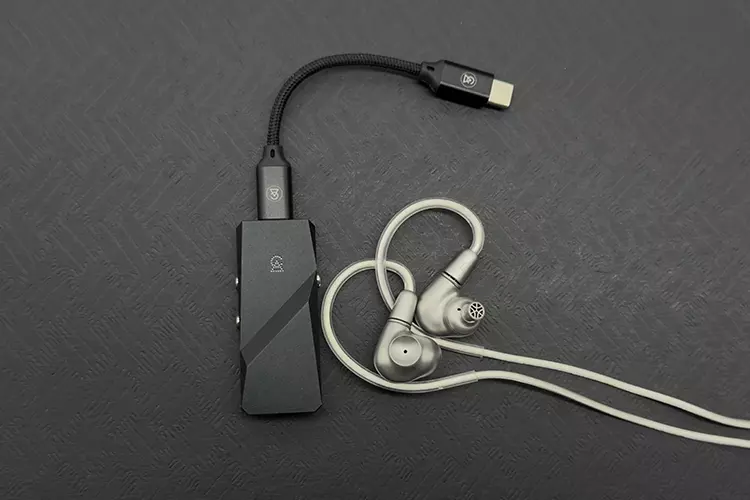
Then there is the Campfire Audio Relay dongle, which offers a pretty good amount of power, and ASTRU pairs with it quite well.
The presentation does not feel cramped. The stage still has decent space, and things are laid out clearly. Bass does what ASTRU is meant to do. It brings out the texture and detail with enough impact.
The midrange sounds musical and smooth, and the treble gets a slight bit of extra energy in the upper end. That helps ASTRU a fair bit, since it adds a little more life without pushing it into harshness.
Overall, ASTRU likes power and a clean source. Feed it well, and it gives back a very complete and satisfying sound.
