

Sound Impressions
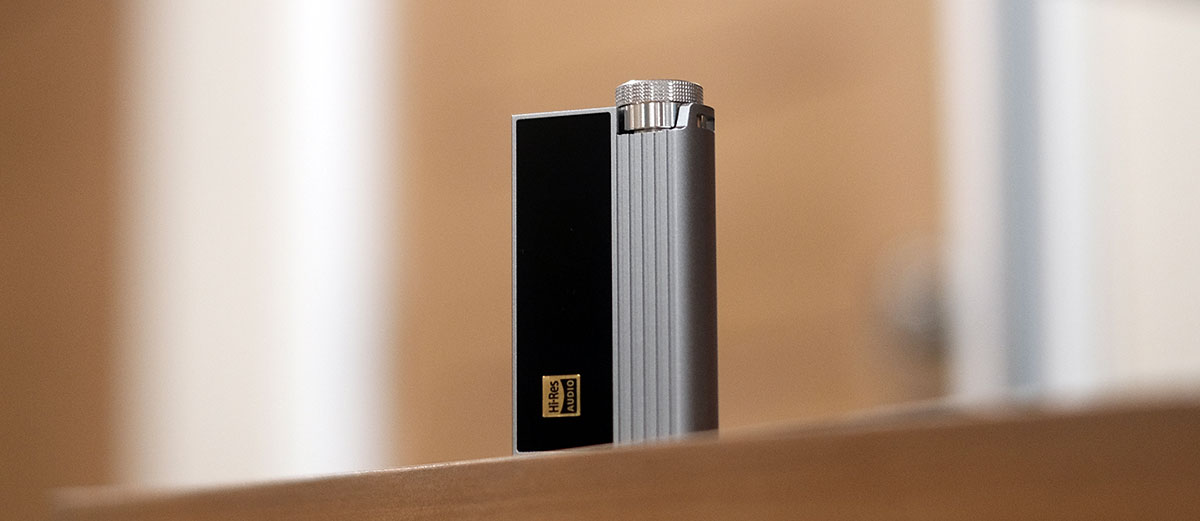
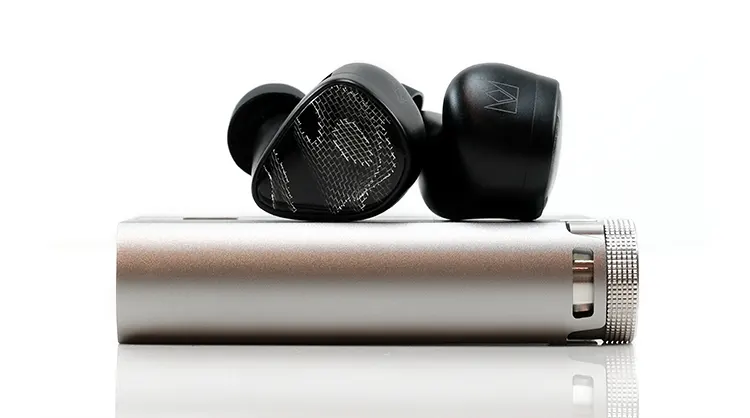
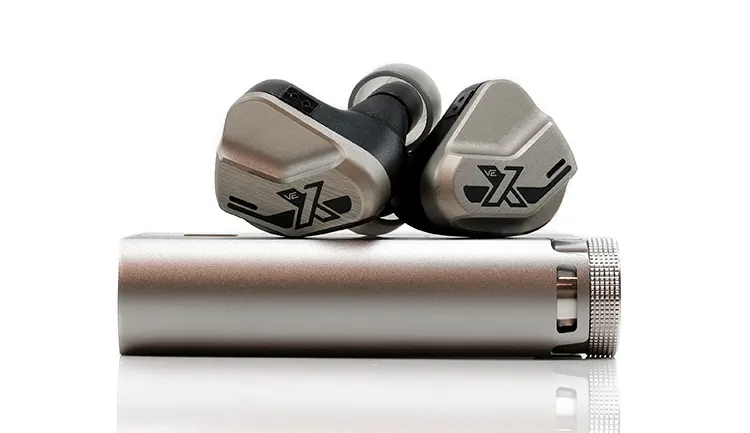
The following sound impressions of the iBasso Nunchaku were completed using a mix of the Vision Ears VE10, the Empire Ears ESR MKII, and the PMG Audio Apx in balanced output mode.
Summary
Unsurprisingly, with two timbre modes, you get two unique sound signatures from the Nunchaku.
From a personal preference point of view, the enhanced power and higher voltage delivered from the tube mode offered a more dynamic and expansive sound signature. That is even before we discuss the coloration.
You will notice the slightly elevated loudness level as well as the deeper fundamental and richer note weight from the tube mode over the more neutral and slightly reserved Class AB equivalent.
Do not get me wrong, the Nunchaku Class AB mode is not an achingly neutral sound. Ranged against the DC-Elite, it’s a little smoother and more relaxed in its delivery, particularly so over the lows and highs, which can gel well with slightly edgy headphones such as the easy-to-drive Austrian Audio Composer.
However, it lacks the ‘wow’ factor and rhythmic drive of the more vibrant tube mode. The tube mode alone is worth the price tag of the Nunchaku and creates a very strong identity when placed beside the punchy but drier sounding DC-Elite.
You get more bass bloom, enhanced sub-bass presence, a more forward vocal imaging experience rich with warmth, and a light sparkle on top to create a very sweetened, light-contrast tone.
The staging expands in all directions compared to the neutral imaging of the solid-state alternative. It is very noticeable on the likes of the ESR MKII just how much wider the Nunchaku tube mode is compared to the solid-state alternative.
Overall, I would classify the Nunchaku as a ‘tube-first’ dongle in terms of sound preference, with a bonus Class AB mode in there in case you want something a little more neutral.
Coloration
The Nunchaku Class AB (solid-state) mode is neutral-to-natural in its coloration, at least when compared to the livelier DC-Elite equivalent.
Its dynamics are good without being great, the resolution is very good with a moderately-sized, clean, and clear staging performance, and a very black background.
There is a slight attenuation in the upper-mids and highs, which I quite like as it can take the sting out of harder-edged percussion performances from brighter IEMs such as the PMG Audio Apx and the Composer.
The Class AB bass is tight, somewhat linear, with less bloom and a shorter note decay. It’s a good choice for warm and fuzzy monitors, though bear in mind the slightly reduced VRMS and output power will tend to diminish the perception of impact compared to the tube mode equivalent.
The tube mode is a very different beast with a more natural, organic tone, especially using the NOS filter setting, and as one might expect from tubes in general.
The bass gets a significant uplift, but will also exhibit more bloom and decay in the process. It is not quite as ‘fast-sounding’ as Class AB mode, but you get a fuller sound in general with a stronger bass fundamental delivering some enhanced note weight through the lows and mids.
Vocals sound richer and more vibrant with a combination of enhanced lower harmonic presence and a subtle treble overtone, creating some nice sparkle and color in female voicing.
Treble is also teased out more in tube mode. It’s more effervescent-sounding than the Class AB equivalent, but with a slightly liquid leading edge that ensures nothing ever really sounds too sharp from the tested monitors.
Staging & Dynamics
You get two types of soundstage with the Nunchaku: the more linear and neutral imaging experience in Class AB mode, and the bloomier, more expansive, and planted sounding tube mode.
The Nunchaku Class AB mode has a slightly reduced Vrms output, and as such, the staging equivalent will seem somewhat diminished compared to the Nunchaku tube mode at the same volume levels.
Pushing the Class AB mode up a few steps in volume to compensate can mitigate that initial experience, but its imaging is still firmly neutral to my ears. That can work well with IEMs such as the VE10, which has quite a firm low-end response, but less so with staging kinds such as the PMG Audio Apx.
With the ESR MKII, the switch from Class AB to tube was palpable. It was like an explosion of dynamics and immersion from the tube mode, with excellent spatial cue awareness on the extreme edges of the stereo field compared to a narrower Class AB performance.
The dynamics in the Nunchaku tube mode are also more convincing with headphones, particularly those with fairly large staging qualities, such as the BOKEH closed. You get a strong perception of a more filled-in stage with a more dominant vocal placement and enhanced lower-mids presence along with it.
The apt description of the Nunchaku tube staging performance is ‘grand’, with almost every IEM and headphone presenting a much larger and more immersive soundstage.
One thing to note with Class AB is the background, which I found blacker than the tube mode with sensitive IEMs. It is a ping-free experience with a nice level of precision and control, so if ‘exuberance’ is not your cup of tea, it’s a decent alternative.
Synergy
The iBasso Nunchaku offers multiple output ratings, depending on whether you select balanced, single-ended, tube, or solid-state mode.
Tube mode has the maximum rating with the strongest Vrms output at 525mW balanced, while solid-state SE 3.5mm is the weakest at 125mW (32Ω load). It’s a fairly flexible setup; however, I used the tube mode output for IEMs and headphones based on my tonal preferences.
The noise floor is pleasingly low in tube mode and near black on Class AB mode for both SE and balanced outputs. It is possible to induce a small amount of microphonic ping from the tubes if you tap the dongle hard enough, but otherwise, the suspension system does its job well.
IEM Pairings
I tested four monitors with the Nunchaku, and in every scenario, I stuck with a high-gain tube mode setting with the NOS filter.
It just sounded so much more vivid, especially through the mids with more bloom and sparkle in each IEM’s note timbre, teasing out better vocal presence and staging width in the process.
Monitors such as the ESR MKII were particularly sensitive to the mode change, with the Nunchaku solid-state mode sounding like it has lost some midrange aspects of the recordings. It was almost like the stage fell into itself, only to be resurrected by the more vibrant and fuller-sounding tube mode.
You can tell the tube mode has the stronger Vrms output by how much more volume, dynamic punch, and vocal vibrancy it offers compared to the neutral, almost sedate solid-state mode.
Not that the solid-state mode is bad, IEMs such as the VE10 and Nostalgia Audio’s Durandal are warm and darker sound signatures that do well with the more precise and dryer nature of this mode.
I was half expecting tube mode to give them a far softer, almost mushy tone, but it was nothing of the sort; both IEMs sounded airier and more expansive with excellent vocal presence.
It was a similar scenario with the PMG Audio Apx paired with the Nunchaku in tube mode: better dynamics, richer, fuller sound, airier, grander soundstage, and more sparkle in the highs. Solid-state is competent rather than special, IMHO.
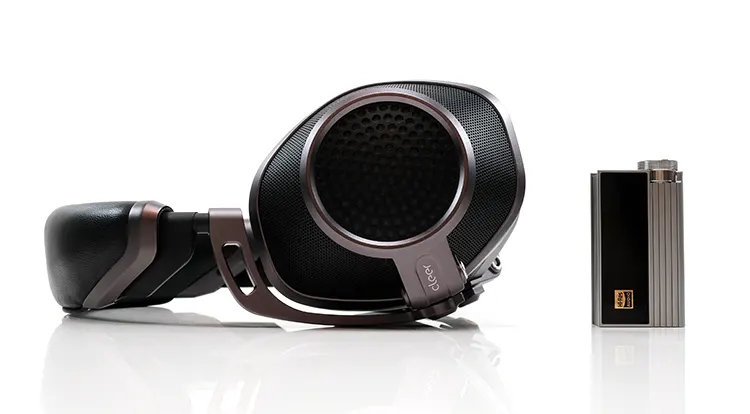
Headphone Pairings
I tested three dynamic driver headphones with the Nunchaku. These included 2 headphones in balanced mode: the 80Ω ZMF Headphones BOKEH Closed, the easier-to-drive Austrian Audio Composer, with the 3rd set, the Cleer NEXT, in single-ended mode.
In all instances, the Nunchaku balanced tube mode output was superior to the solid-state mode and all SE options.
This was mostly to do with note body and staging dimensions, with the flatter neutral solid-state sound not able to spread its wings as confidently as the tube mode and sounding a little leaner and drier.
The only headphone that seemed to take well to the solid-state mode was the Composer, primarily due to a slightly smoother set of upper-mids and percussion timbre.
Its treble can sound edgy with the wrong pairing, and despite the superior dynamics and staging qualities, the tube mode did bring out a slightly brighter set of upper-mids from the Composer.
For the other two headphones, the BOKEH did very well indeed. It did not quite offer the same depth and bass presence potential heard from dedicated OTL amps such as the Feliks Audio EUFORIA evo or the PB5 Osprey, but by no means did it sound undercooked in the tube mode.
You get some decent depth and a nice, wide soundstage with good vocal presence from the BOKEH pairing. Nothing sounded veiled or unnatural.
The NEXT was just ok, but that is because its stock cable is SE 3.5mm only, and you get a bit of a hit in terms of power output from the Nunchaku. I felt it sounded too lean on the lows in SE mode, and most likely would need a balanced aftermarket cable to improve the performance.
