

Synergy
Efficiency
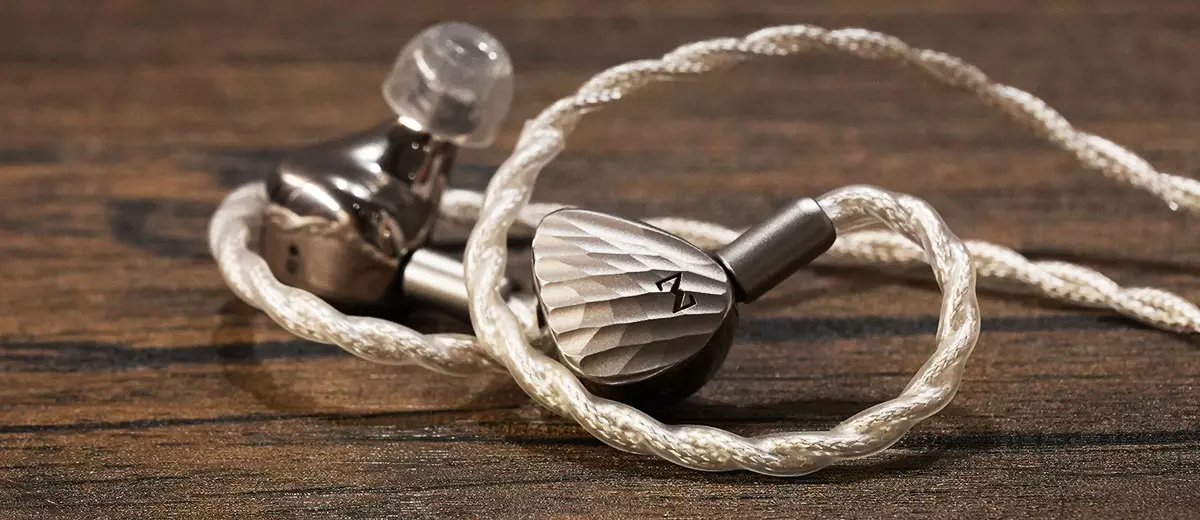
The impedance and sensitivity ratings are higher than the original Zeta, yet the Zeta II remains quite sensitive to noise from the source output.
Pairing with less powerful sources yields quite positive results, though musicality and dynamics might be hindered slightly. When there is sufficient power, it opens more on the two ends and sounds more contrasty in the mids.
Pairings
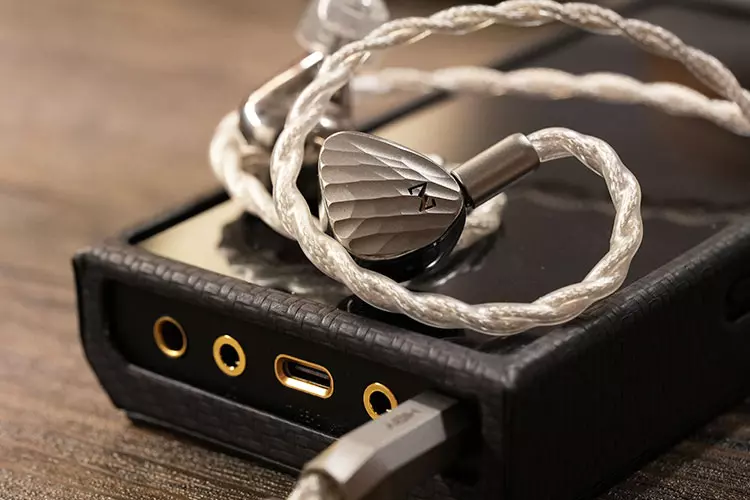
For most pairings, the Zeta II maintains a neutral-warmish signature with fairly even energy distribution across the audible spectrum.
You can rely on tip-rolling to tame the treble or emphasize the mid-lows more, depending on your music preferences and taste.
Regardless of the tips used or the source pairing, the bass remains nicely controlled and offers sufficient richness, ensuring that bass instruments and darker voices are clearly articulated and present without muddiness or bloat.
I believe the micro-planar driver benefits particularly from stronger powering. While it performs noticeably better with more powerful gear, the Zeta II still delivers quite dense, deep bass punch, along with tightly presented treble transients. However, the mids are not quite as vivid or defined.
With the powerful HiBy R6Pro MAX, the IEM breathes more brilliance into the treble, extending it more swiftly while outlining the mids in a cleaner, quicker manner.
This combination works especially well with ethereal voices and genres like EDM, adding extra sparkle and separation without fatigue.
On the Luxsin X9 desktop setup, the treble feels nicely polished, and the bass attacks with adequate fullness before recovering very cleanly, even when punching intensively.
The stronger output power and superior decoding quality make a clear difference, stretching the dynamic range and layering each musical element more distinctly.
Before trying this combo, I expected it might sound overly clean or overly fast, but it turned out to be highly enjoyable, striking a great balance of air, punch, and dynamics.
Selected Comparisons
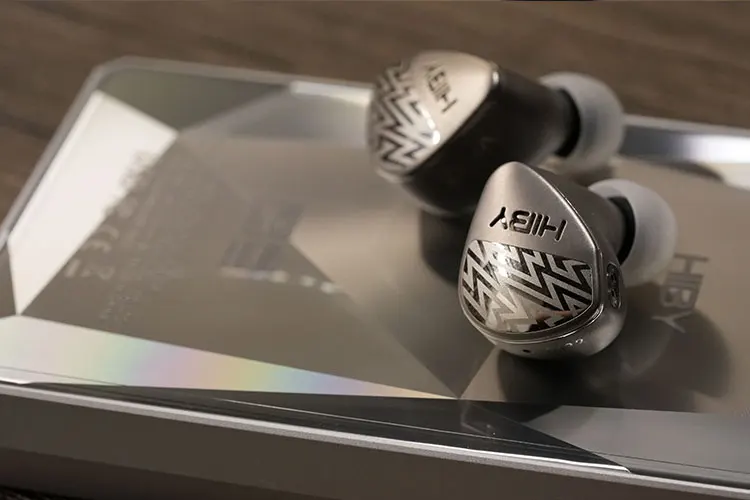
HiBy Zeta (First Gen)
Technical
The HiBy Zeta first gen, reviewed in 2023, is a tribrid in-ear monitor featuring a 9-driver configuration per side with a true-5-way crossover setup.
The Zeta includes one custom 10mm liquid silicone dynamic driver with Kevlar-reinforced diaphragm for the lower register, Sonion plus Knowles BAs for the mids and treble, and four Sonion EST drivers as super tweeters to handle the ultra-high frequencies.
The impedance of the Zeta is just 9Ω and has a high sensitivity of 112 dB/mW, with THD+N measurement below 1%.
We can see the Zeta II moving on to a Quad-brid design with a slightly smaller, 8mm driver with a DLC dome, also adding a micro planar for enhanced treble texture.
The Zeta II is also less sensitive at 15 ohms and 109db SPL/180 mV, which means it will take stronger voltage swings to shine on paper.
Design
The housing on the original Zeta is quite a surprise at its time as it involves a layered design, also a contrasty polished and matte finished faceplate.
I am quite surprised when HiBy managed to step it up with the ZETA II with a stronger 3D design on Titanium, which feels even more artistic and hard to manufacture.
The new 8-core Litz balanced stock cable also has dedicated parts of the same theme, showcasing superior craftsmanship, and further enhancing the experience compared to the last gen.
Performance
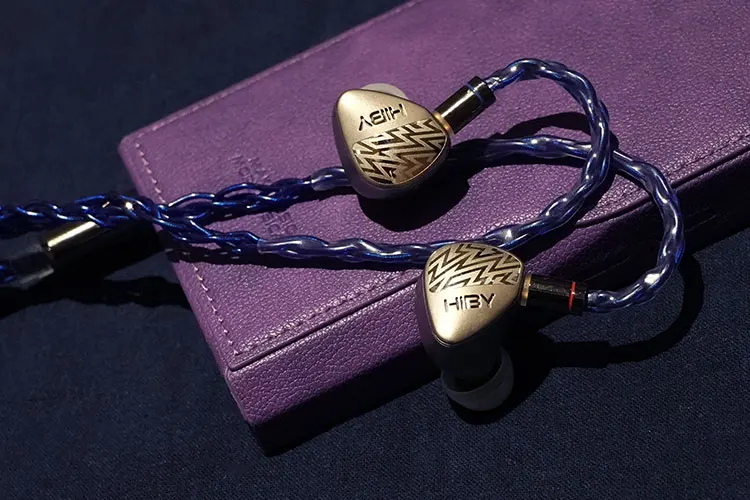
The new-generation Zeta II introduces a micro-planar driver into the mix and switches to a smaller 8mm DLC dynamic driver with an HCCAW voice coil.
Both changes deliver faster transients and tighter control in the lows and mids, albeit with a slight increase in power requirements.
The smaller, stiffer diaphragm provides quicker bass decay and cleaner punch while retaining most of the original Zeta’s fun, impactful sub-bass response.
Meanwhile, the micro-planar boosts perceived definition and texture across the midrange, where the first-generation Zeta sounds less detailed and layered but more elaborated in the lows and their decay.
This shift to a quadbrid setup yields clear technical gains, noticeably better transparency, snappier transients, superior instrument separation, and a more cohesive overall presentation.
The original Zeta focuses more on big, impactful bass and EST treble, resulting in a more V-shaped tonality and a fun, engaging signature, but one that feels less cohesive and natural than the Zeta II when sufficiently powered.
On the HiBy R6Pro MAX, the original Zeta plugs in effortlessly, even on low gain, and delivers an engaging, lively, bass-forward musicality. The Zeta II, however, feels more controlled. Not only does the bass shine, but the midrange receives equal attention and texture.
Both share a dark, fast signature thanks to their fast-decaying drivers, yet the Zeta II rewards the extra drive and stands as the superior technical choice with a higher performance ceiling.
The Zeta II sounds more balanced and versatile across every genre, whereas the original Zeta offers more raw sub-bass energy and smoother mid, appealing to those who prefer stronger dynamics and a more elaborate, relaxed bass signature.
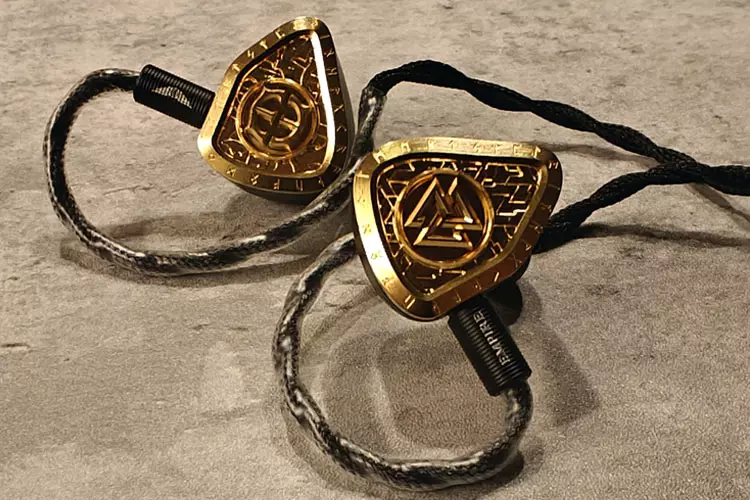
Empire Odin MKII
Technical
The Empire Ears Odin MKII features a quadbrid setup with 11 drivers: two dynamic drivers for bass, five balanced armatures for mids, bone conduction drivers, and four electrostatic drivers for treble.
Additionally, Empire Ears incorporates its synX crossover network and A.R.C. anti-resonance coating, resulting in an impressive frequency response from 5Hz to 100kHz.
Comparatively, the Zeta II has some similarities: it uses a Titan enclosure and has fewer drivers, mostly missing in the midrange. Unlike the Odin MKII, it lacks bone conduction drivers but includes a planar driver for the mid-range.
With an impedance of 2.7Ω at 1kHz and a sensitivity of 105dB/mW, the Odin MKII is much easier to drive than other models with high driver counts.
Design
Both IEMs follow their own design language and look stunning in their own ways. However, when it comes to manufacturing difficulties, the ZETA II feels more complex and harder to machine, considering the stiffness of the material.
Upon closer inspection, it is also machined more smoothly, while the Odin MKII is finished with gold plating and has subtle machining marks on its surface. The ZETA II is also more consistent with the cable parts that use the same theme.
The Odin MKII is quite a bit larger in size and sticks out more, so it may not suit those with smaller ears.
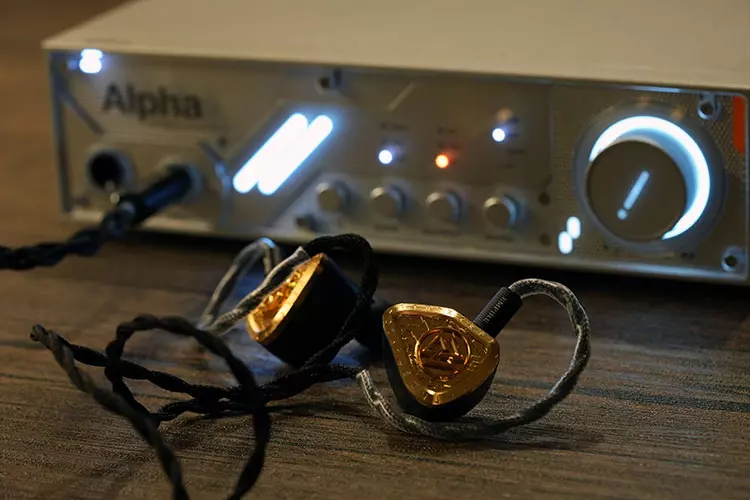
Performance
I compared the two because both use a quadbrid setup. However, their tonality, response to power, and the headroom they render are drastically different.
The Zeta II feels more colored or characterized, while the Odin MKII delivers a more organic presentation and places greater emphasis on higher frequencies, making it noticeably more revealing and transparent.
Testing with pop music on the R6 III 2025, the Odin MKII sounds marginally brighter and more vivid, with more elaborate vocal overtones and cleaner, more impactful bass.
The Zeta II feels denser in the bass and thicker in the body, which draws the virtuoso closer while sounding darker in tone. The Odin MKII sounds comparatively more laid-back yet separates the vocal line better, thanks to a stronger boost in the upper end.
The Odin MKII is more relaxed, effortless, and airier in presentation. It remains vivid in tone, expansive, and capable of retrieving more micro-details, even when paired with a less powerful source such as the FiiO BTR15.
This results in better spatial separation between instruments and a grander, livelier feel. The ZETA II feels more densely textured and faster in transients, giving instruments across the mids and bass meatier bodies, though it doesn’t stretch out quite as much.
The Odin MKII offers more brilliance in the vocal range and more openness to classical music, while the Zeta II also has sufficient authoritative power.
The Zeta II’s stronger colorations make it more enjoyable with energetic dance music, EDM, synths, bass guitars, and similar genres, where the extra body and texture allow instruments to shine, especially when paired with a less analytical source.
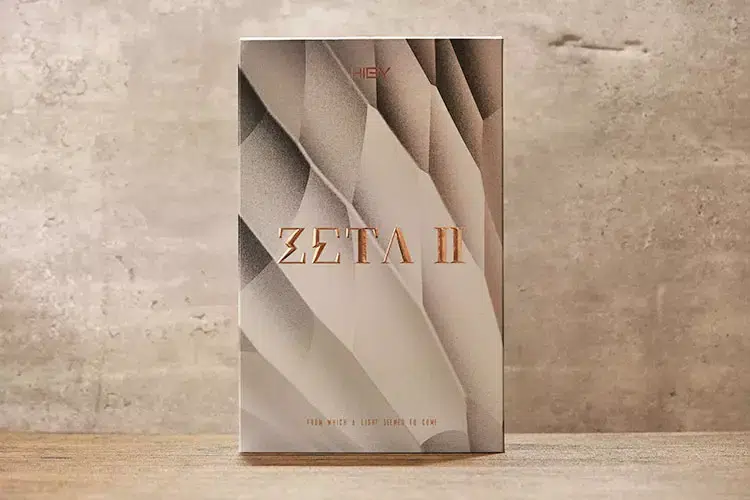
My Verdict
HiBy steps up both technical performance and design across every component, including cable parts. The tuning is more balanced with better low-end control, yielding greater synergy with various sources.
The whole package and configuration stand out even in higher price brackets. The included liquid silicone tip sets also help tweak between a meatier, yet more relaxed and expansive sound profile.
The introduction of the planar driver nicely boosts the mids’ performance, and driving it harder further lifts perceived clarity and definitive power, while giving the dynamic driver meatier punching power.
I find this driver mix practical and coherent in tone and speed. It is also fun when paired with sources that emphasize overtones, delivering a more colored, yet not bloated mid-range presentation.
Overall, HiBy remains very humble in pricing, considering the premium titanium housing, crossover, driver choice, and perceived technicalities on the ZETA II.
The tuning feels more mature than the last generation, and I like how it packs micro-planars and ESTs into such a compact form.
The overall sound, design, and product experience punch way above its price, which earns it a recommendation for those seeking agility, strong detail retrieval, and excellent distortion control.
HiBy Zeta II Technical Specifications
- Impedance: 15Ω @ 1kHz
- Sensitivity: 109 dB SPL / 180mV @ 1kHz
- Frequency Response: 20 Hz – 40,000 Hz
- Total Harmonic Distortion: <1%
- Weight: 8g per side
