

Synergy
Efficiency
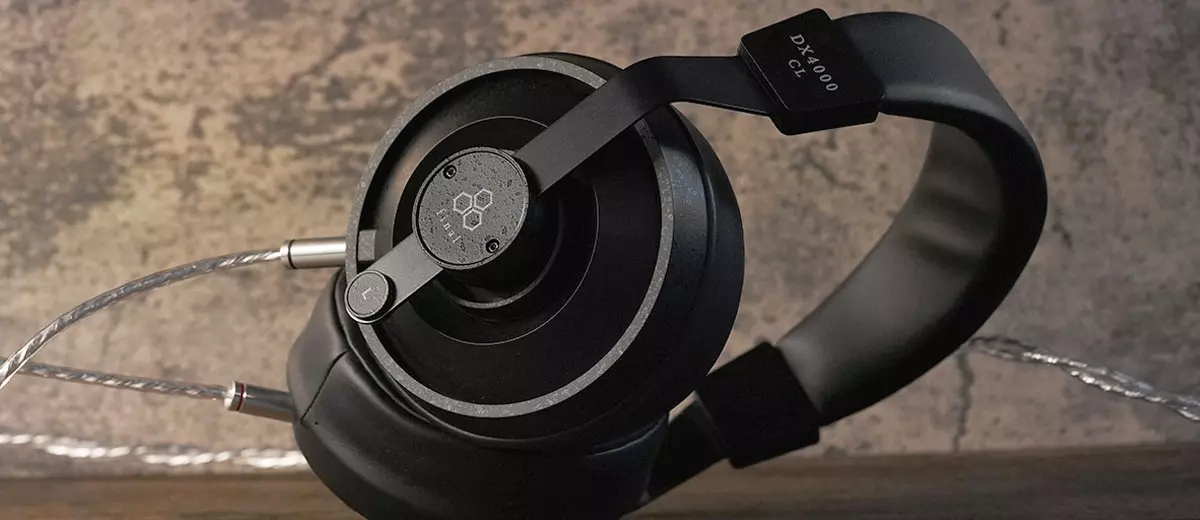
With a measured impedance of 37Ω and a sensitivity of 96 dB/mW, the DX4000 CL requires a high-quality portable player or a dedicated desktop amplifier to truly shine.
It offers significant room to scale with more potent amplification, where its low noise floor contributes to a remarkably dark background.
With ample current in the source, the DX4000 CL will sound more layered and more distinctively imaged in the mids and treble, whereas less powerful sources may make it sound more V-shaped and smoother in the mid-lows, flattening the output.
Pairings
The DX4000 CL’s controlled bass and agile decay provide a sense of calm authority and impressive dynamics, maintaining high resolution even when paired with mid-tier decoders.
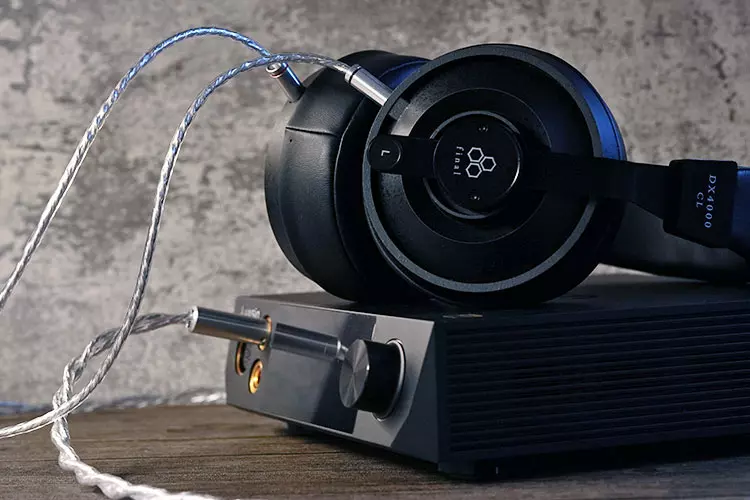
When connected to the FiiO K17 and Warmer R2R combo, the headphone draws extra warmth from the source, enhancing vocal fullness and overtones that can otherwise feel restrained on cleaner solid-state gear.
While clarity is decent at low gain, switching to high gain opens the presentation, bringing the vocalist closer to the listener while maintaining a refined, uncompressed treble, and pushing the vocalist even closer.
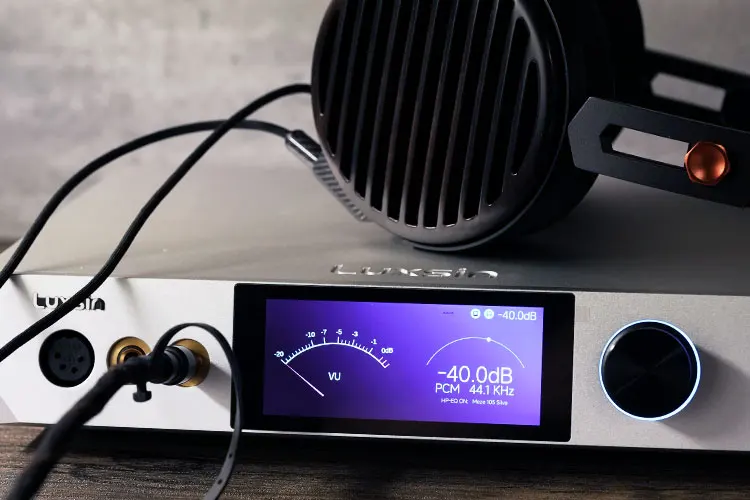
Transitioning to the Luxsin X8 offers a more spacious and technically superior signature. The vocal presentation becomes smoother and more relaxed.
By utilizing the X8’s interactive AI equalization to boost the sub-bass and mid-lows, the stock tuning’s leaner extension is corrected, resulting in meatier, more natural bass.
This pairing has greater expansiveness and smoothness, though it is not as lush in vocal presentation; it offers greater openness, bass texture, and vividness.
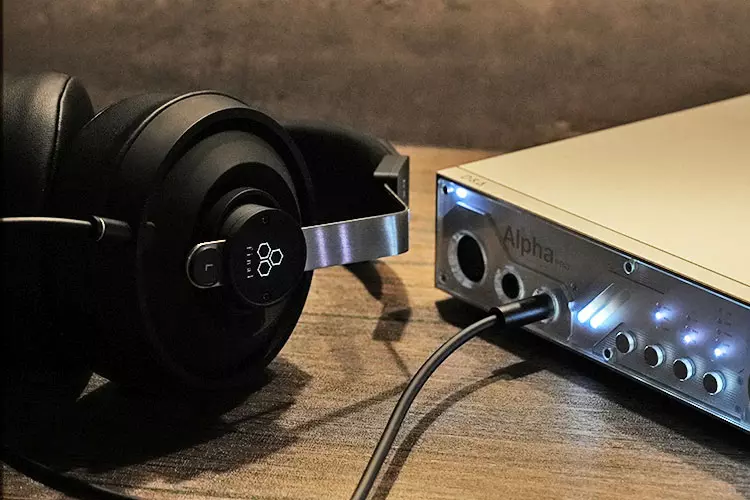
With the D&A Alpha, the DX4000 CL remains energetic and impactful, characterized by a firm yet airy bass decay that feels punchier.
Activating the Alpha’s Tone-X feature overlays harmonic warmth that enriches the low end and adds intimacy and vividness to the midrange.
While this adds a welcome presence to lighter voices, it can occasionally cause darker timbres to sound slightly hollow, with the upper vocal frequencies being more forward, and it works nicely with good masterings.
I also tested using the R6Pro MAX from HiBy, which has ample current in the output. Testing with Tidal and local files, it sounds quite meaty in the mids with sufficient weight and fullness. The overall balance is nice, and the mids feel naturally articulated and smooth.
Select Comparisons
final DX3000 CL
Technical
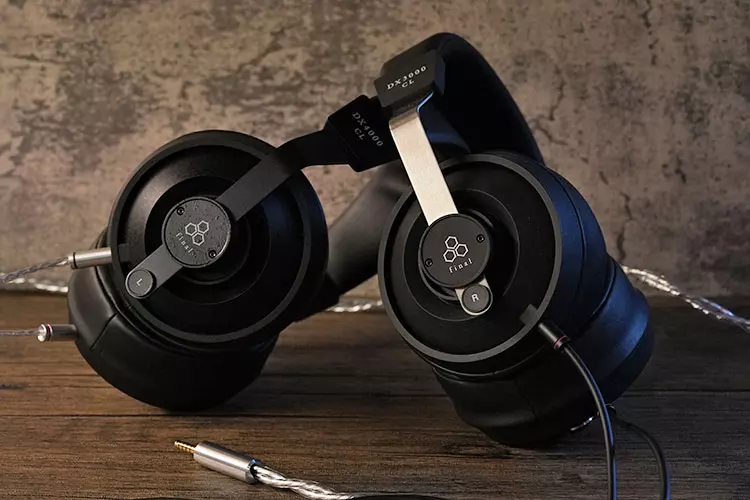
The DX4000 CL shares the same driver as the DX3000 CL. Both use the Japanese Washi Paper + Carbon Composite diaphragm; however final has reinvented the design within the housing, re-engineering the driver as well for more precise diaphragm movement and enhanced airflow control.
There is also a new diffuser below the housings, which allows the design to achieve better openness.
The DX4000 CL also has a lower impedance rating, but it is also less sensitive compared to the DX3000 CL, which suggests that higher current in the output may make it shine more.
Design
As mentioned, the key difference is the premium cabling on the DX4000 CL, as well as the special paint job and color of the headband.
While the shape remains untouched, the finishing and premium cable do lift the whole experience, and the DX4000 CL feels like a complete overhaul.
Performance
Before starting my tests, I anticipated that the DX4000 CL would behave somewhat differently from the DX3000 CL. In fact, it delivers noticeably more control even on less powerful sources and feels more responsive and textured despite its lower sensitivity.
The bass is more cleanly and sharply outlined, with a faster transient response, giving a stronger sense of contrast and speed, also allowing better separation and layering between the vocal and the backing.
In practice, the upgrade manifests as an overall improvement in tonality and perceived resolution, with added brilliance and openness, along with firmer attacks that clearly delineate every element across the full frequency spectrum.
It is like a full technical upgrade, and final doesn’t pour everything into the technicalities but retains some of the colorings, so the output is still fun and dynamic, also nicely rounded in the upper end.
Still, there is one merit to the DX3000 CL’s tuning. The mids feel smoother articulated with less powerful gears, sounding more balanced and relaxed overall, whereas the DX4000 CL takes more current to sound as balanced.
With entry-level sources, the DX3000 CL could be as engaging if your focus is musicality rather than definitive power and sharp spatial positioning.
If the budget allows, it is clear that the DX4000 CL is the better choice, and there is more room to scale with stronger sources.
FiiO FT7
Technical
The FiiO FT7 has an open-back design and uses a 100mm planar magnetic driver.
The driver utilizes a 6um ultra-thin substrate paired with a specialized silver-plated aluminum alloy coil for reducing the mass and maximizing transient response.
The impedance is 32Ω, and the sensitivity is 94 dB/mW.
Design
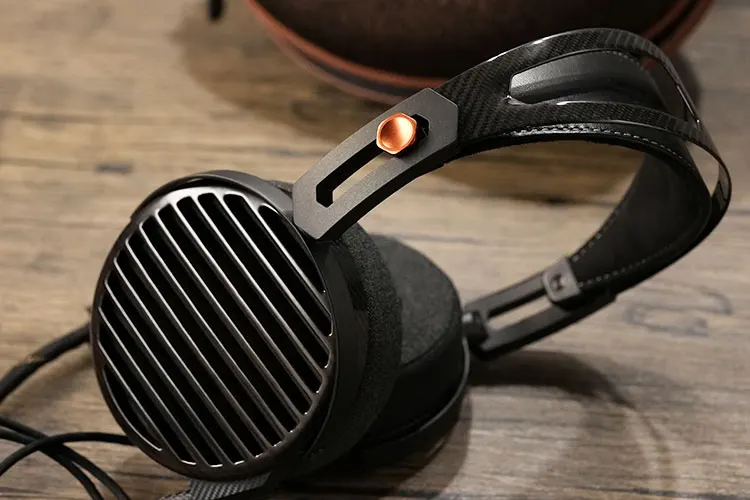
The FiiO FT7 and Final DX4000 CL present two distinct approaches to headphone design.
The FT7 leans into a techier yet premium aesthetic with its African zebrawood and carbon fiber framework, while the DX4000 CL opts for a minimalist and subtle design.
Both are impressively lightweight for their classes, the FT7 weighing just 427g for a 106mm planar, and both include thick cables.
In practical use, the DX4000 CL offers superior mechanical refinement; its hinge and headband adjustments feel smoother and more intuitive than the FT7’s slightly finicky system.
While the Final’s cohesive finishing feels a touch more premium, the FT7 has the advantage in accessories, including a high-quality linen protection case that is notably absent from the DX4000 CL’s packaging.
Performance
I am comparing these two because I feel like there are some resemblances in the tuning direction.
While the impedance and sensitivity of the two may come quite close, their actual response pairing with different outputs are significantly different, which could be due to the design nature.
The FT7 requires more current to shine, and the DX4000 CL is less dependent on amplification to deliver clear and powerful bass.
The open-back FT7 with a 60% larger driver membrane sounds crispier and extended up the top, and it benefits from a warm pairing with smoother treble to sound more balanced and engaging. It is also more layered and gives a stronger sense of depth.
The DX4000 CL is comparably more tamed up the sibilance zone and without the need for a strong amplifier, it can sound quite defined and dynamic, also nearly as speedy and airy in the bass as the FT7, while delivering stronger bass intensity and color the vocal more life-like with stronger separation.
In terms of the tuning, the DX4000 CL has a more distinct character on most gears it pairs with, as it gives a stronger sense of dynamics, coloring guitars and bass wetter, while favoring female vocalists or cleaner, sharper voices more as the sibilance zone is more forgiving.
The FT7 is faster, darker, and tighter in the bass, making it more revealing with percussions and woodwinds. Technicalities are stronger but may not feel as engaging.
You can feel some sibilance in vocals if you use the lambskin pads on the FT7, and the suede pads dampened it more. The DX4000 CL has a better balance, sounding between the two tunings of the FT7 pads in terms of expansiveness.
I feel like the FT7 has more room to scale, though the DX4000 CL would be much more friendly in pairings, to sound natural, more polished, and dynamic due to its driver’s nature.
If you listen on a simple setup and sometimes use portable gear, then the DX4000 CL would be handier.
My Verdict
When the DX3000 CL came out, I do think it is very well done in terms of pushing closed-back headphones’ limits and delivering a rather spacious signature, unlike conventional counterparts that feel somewhat curtained or boxy, especially at higher volume intensity.
final has very quickly outperformed their previous creation with the DX4000 CL without using a semi-open design. The isolation is great, and the perceived stage is wider, and spatial positioning gets much more precise, while the presentation is quite natural.
It’s impressive how the design maintains exceptional clarity, dynamics, and separation even at higher volumes.
The engineering feels both innovative and practical by leveraging dynamic technologies, and it avoids being overly stringent or picky regarding source equipment.
While the price point may seem a bit steep, the experience and design are undeniably premium. It is a fantastic solution for intimate listening and works great when you want to seal yourself off from the noisy ambience and sink into the music.
Final DX4000 CL Technical Specifications
- Driver: 40mm Dynamic Driver with Paper-Carbon composite diaphragm
- Impedance: 37ohm @1kHz
- Sensitivity: 96dB/mW
- Weight: 375g (excluding cable)
- Cable: 2.0m Silver-coated OFC cable
- Connectors: Dual 3.5mm (headphone side); 4.4mm balanced (termination)
- Included accessories: 4.4mm to 6.35mm adapter
