

Synergy
DAP & Portable Amplifier Pairings
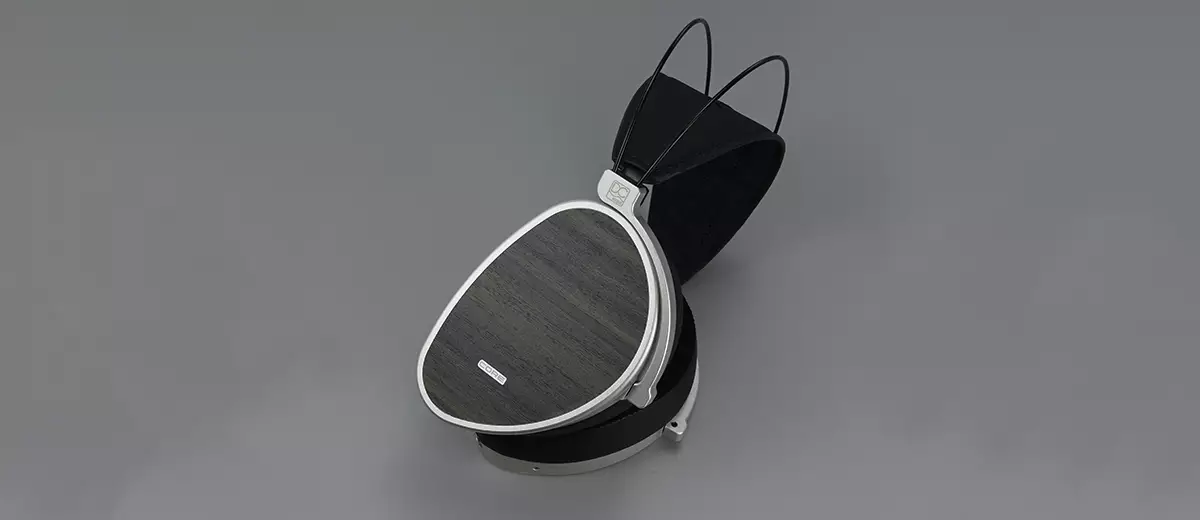
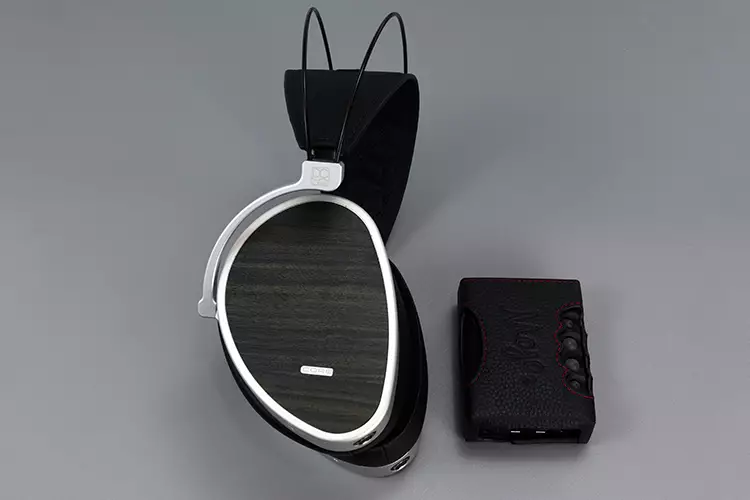
I tested the AEON CORE with the FiiO M27, the iBasso DX340/AMP18 combo, ONIX’s Mystic XP1, and the Chord Electronics Mojo 2.
I generally veered to the pairing that enhanced the 3-dimensional capability of the AEON CORE, be it through improved depth or better spatial imaging.
So for a DAP like the M27, I felt this pairing might come across as too flat despite the enhanced midrange presence and good lateral width. With this pairing, the AEON CORE didn’t sound as holographic as I would have liked; in fact, the performance came across as quite dry and a bit boring.
The Mystic XP1 and the Mojo 2 have a far more engaging presentation with a bit more verve in the low-end, with the XP1 sounding the beefiest of the two and the Mojo 2 coming in with the punchiest character.
However, I lost a bit of staging size, with the Mojo 2 creating a little more compactness, albeit with excellent vocal presence. The XP1 produced the rawest 5k response from the AEON CORE, resulting in a digital-sounding, slightly edgy set of upper-mids.
The DX340/AMP18’s more laid-back high-fidelity sound fit right in with the AEON CORE’s stock response. It didn’t push hard in the 5-6k range, kept vocals relatively relaxed, adding to a strong sense of space, and, most importantly, delivered a convincing holographic soundstage.
Desktop Pairings
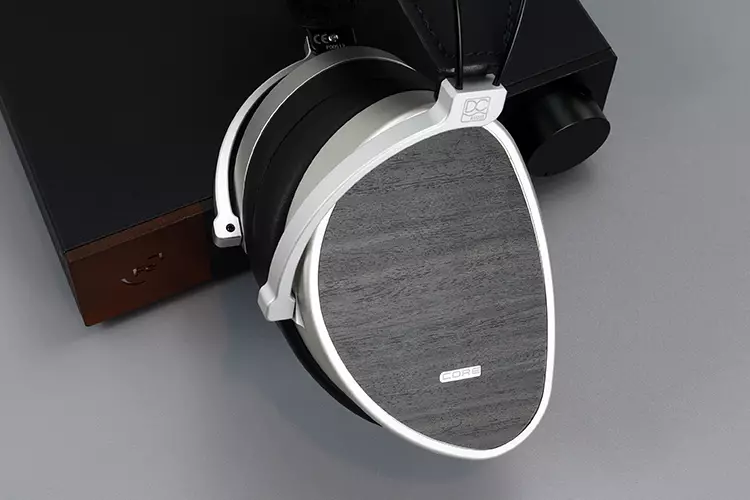
I tested the AEON CORE with the Ferrum WANDLA GSE linked to both the OOR and the Chord Electronics Alto, the Topping DX9 Discrete, and the HIFIMAN Prelude/Serenade combo.
The AEON CORE can scale with better amplification, with all 4 setups improving the dynamic range and low-end presence over the portable pairings.
What I ended up preferring was more about how well defined the low-end was with each amplifier combined with how well they controlled the AEON CORE’s 5k peak to create a lively yet smooth upper-midrange performance.
The Alto/WANDLA GSE came out on top, meeting almost all of the criteria in terms of satisfying bass weight and definition and a smoother set of mids. However, I would expect that given the Alto’s price tag and fairly muscular, smooth tuning to begin with.
The DX9 Discrete would be more price-appropriate. The AEON CORE did not have quite the muscle in the lows as the Alto, but the mids sounded nicely balanced with a very wide staging presentation.
The Serenade on its own sounded slightly compressed. It’s the best for smoothness if that is what you need from your AEON CORE, but the dynamics are not as good as the other amp pairings.
As a USB DAC to the Prelude, it sounded excellent, perhaps the most well-rounded pairing with a tight low-end and a clean but balanced tonal quality to the AEON CORE’s lively mids.
The OOR came last for me. It sounds very punchy in the lows but too bright and dry in the upper-mids, requiring the warmer TUBE DSP from the WANDLA to get it sounding right for my tastes.
Selected Comparisons
The following comparisons of the Dan Clark Audio AEON CORE were completed using the Chord Electronics Alto and Ferrum OOR amplifiers paired with the Ferrum WANDLA GSE.
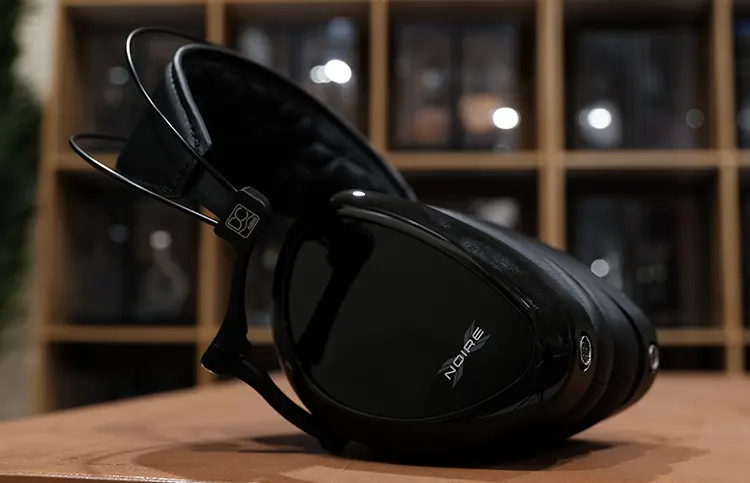
Dan Clark Audio NOIRE X
The Dan Clark Audio NOIRE X was reviewed in early 2025 and sits slightly above the AEON CORE in the company’s product lineup.
Technical & Design
Both of these headphones have a very similar design language and size, save for the exterior finishing, with the NOIRE X perhaps more indicative of the racier theming DCA used previously on the older AEON series, albeit with refinements.
The AEON CORE’s exterior has more of a mini-E3 vibe, with its flat, grained wood-plate structure and zero recess.
The lighter-toned aluminum finish creates a brighter finish, though its lack of folding articulation is a major drawback for those who like to keep their DCA headphones compact for moving around.
Weight is a difference at 440g compared to the NOIRE X’s 403g (official). Between these two, it is noticeable yet relatively minor given they have similar pad choices, pressure distribution, and comfort levels. Passive isolation is more or less equal given their closed-back design.
The drivers inside are planar, and though of matching size at 62 mm × 34 mm, they are not identical. The NOIRE X also benefits from AMTS technology, which the AEON CORE lacks; staging fans might find the NOIRE X a more open-sounding performer.
On the flip side, the AEON CORE driver’s revised diaphragm material gives it a slight sensitivity edge on paper, though the NOIRE X load is lower at 13Ω as opposed to the AEON CORE’s 17Ω rating.
Performance
These are substantially different-sounding headphones, with the NOIRE X more dynamic, cleaner, and deeper-sounding, and the AEON CORE a slightly smoother, wider, and reference-like performer
I want to start with their respective staging qualities because AMTS combined with the NOIRE X’s tuning creates a more 3-dimensional soundstage.
The AEON CORE projects impressive width and decent height, but it’s more controlled on the lows than the NOIRE X.
From around 80Hz down to 20Hz, there is a 2-5 dB dip relative to the NOIRE X’s curve, which makes a substantial difference in perceived power and staging depth. Rhythmic music, EDM, and some aspects of pop and rock will sound more driven by the NOIRE X and more observational from the AEON CORE.
I would not say the AEON CORE is lacking depth; rather, it’s just not as planted in its delivery as the NOIRE X. That slightly attenuated approach is offset with a mild mid-bass bump, but it is a similar bump to the NOIRE X, so no real advantage.
Where I think the AEON CORE might win over some potential NOIRE X owners is the mids.
There is a slight dip in comparative FR amplitude from 1-3k, creating a little more perceived space and dimming down on the upper harmonic order presence. In short, it’s a smoother and more relaxed delivery.
The NOIRE X is more aggressive, both for vocals and tonal contrast, creating a cleaner sound, which combined with the deeper soundstage, creates a spatial imaging experience I would describe as very much ‘on point’.
Overall, I would pick the NOIRE for more explosive rhythmic material for the immersive experience and the AEON CORE for easier listening.
Dan Clark Audio NOIRE XO
The Dan Clark Audio NOIRE XO was also released in 2025 and won our Top Gear 2025 Editor’s Choice award.
Technical & Design
The NOIRE XO is the open-back version of the X, but otherwise, save for a slightly different aesthetic, much of what stands out as a difference to the AEON CORE is similar.
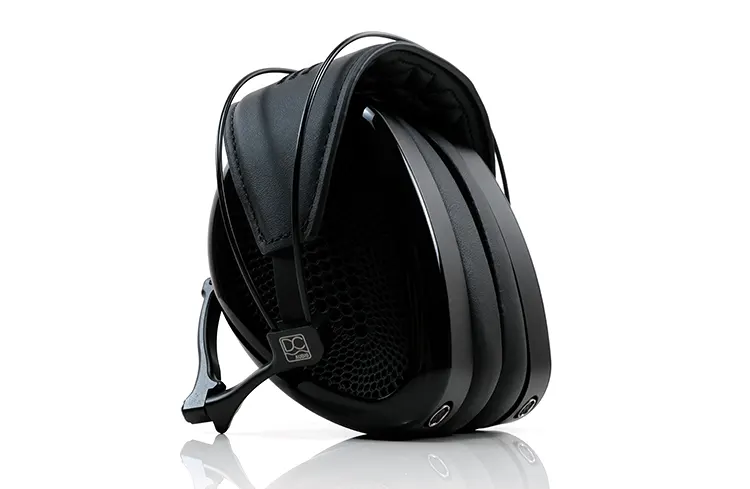
It’s a similar form factor, marginally lighter in weight by 37g, sports a racier black profile with a unique honeycomb grill, and includes the signature folding gimbal architecture, a feature missing on the AEON CORE.
That being said, the AEON CORE aesthetics do not feel a step down; rather, it’s a push more towards the E3’s flat cup styling, which I quite like.
The result is a less racy, more welcoming, and almost retro appearance. In a way, the designs of these two headphones kind of match how they are tuned.
Passive isolation is logically superior on the AEON CORE; after all, the NOIRE XO is an open-back headphone. Comfort levels are more or less the same, given they use the same pads, though I find the NOIRE XO clamp marginally more relaxed on my head.
Driver sizing is similar; both headphones use a 62 mm × 34 mm single-ended planar magnetic driver, but the implementation and materials have changed, with the AEON CORE a little bit easier to drive as well as lacking the NOIRE XO’s more intricate AMTS technology.
Performance
Tonally, these two are a lot closer than the NOIRE X/AEON Core comparison. Both aim for a generally smoother, more relaxed delivery with a less strident tonal contrast and a slightly more relaxed bass response.
However, given the XO’s use of AMTS and open-back acoustical design, the XO does show some advantages over the AEON CORE in terms of 3-dimensional staging depth and a more effortless note dissipation.
That is only natural given the AEON CORE’s closed-back design, though it has been noted before that DCA closed-backs can outperform their open-back counterpart for openness in the older AEON series headphones.
The AEON CORE does well with lateral imaging; nothing too forced, but it doesn’t quite have the same spacious sound, and despite not having a huge difference in the low-end amplitude, the XO has a slight edge in dynamics.
I have to mention, however, the ‘Harman’ accuracy of the AEON CORE FR from the mid-bass up to 1k; it’s almost nailed-on perfect, whereas the XO has a bit of unevenness between 200Hz and 1K, so it’s not quite as fulsome as the AEON CORE’s equivalent.
The AEON CORE is also not as forward-sounding as the XO for most vocal ranges, particularly around 1-3k. The enhanced 1-3k bump on the XO tends to add additional stretch to its staging qualities.
The AEON CORE can sound a little brighter in the upper mids 4-5k region, creating a slightly stronger ‘zing’ compared to the more natural percussion response of the XO. For me, I found the XO’s timbre just a little more natural-sounding.
Overall, I think these two headphones are priced about right relative to each other, and if you are a fan of the XO sound, then the AEON CORE is a nice closed-back alternative.
Dan Clark Audio AEON 2 NOIRE
The Dan Clark Audio AEON 2 NOIRE was the final release in the previous AEON 2 generation of planar headphones, introduced in late 2020.
Technical & Design
The AEON 2 NOIRE was ‘peak’ Gen 2 AEON series, the last of the pre-AMTS units, which ironically is what the AEON CORE is also missing.
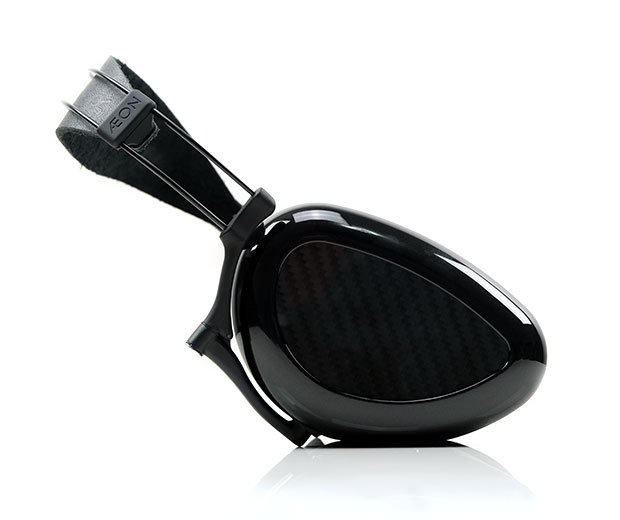
Externally, it’s a bit of a blast from the past styling-wise, though I would still say that it is a supremely comfortable headphone to wear and yes, substantially lighter than the AEON CORE at 345g compared to 440g.
Also in its favor is the folding gimbal design and compact carry case, allowing the NOIRE to fold in half. Not in the NOIRE’s favor is the flimsier pressure strap and older all-leather ear pads whose memory foam tended to sag at the corners.
So far, the newer pads have more durability on the NOIRE X and XO, and I would hope for the same on the AEON CORE since it uses the same pads.
The hybrid pads on the AEON CORE also seem to offer a bit more passive isolation compared to the NOIRE pads, though the seal might not be as effective as it once was due to memory foam sag.
The driver designs are substantially different, with the only common denominator being the lack of AMTS in both, as well as a 62 mm × 34 mm single-ended planar driver.
The NOIRE uses the older 2nd-generation TrueFlow driver, rated at 13Ω and 92dB/mW SPL, so a less efficient design with a more uneven frequency response (compared to the Harman Target Curve).
Performance
I know there will still be some fans of the older NOIRE’s brisk treble overtones and heightened mid-bass bloom, but I find the AEON CORE a much more coherent tuning, with better midrange support from a more linear mid-bass-to-lower-mids tuning.
The NOIRE has slightly more mid-bass presence around 100Hz rather than the X and XO’s heightened sub-bass response. Just enough of an edge over the AEON CORE’s more controlled low-end.
On the flipside, I slightly prefer the better definition and sub-bass dynamics from the AEON CORE driver when paired with amps known for a bit of gusto, such as the Alto.
It’s more what happens after with an uneven 1-5k FR from the NOIRE that can leave the vocal hanging out there and a little thinner sounding.
Combined with a heightened 5k peak, it can create a sharper overtone in the upper-mids and percussion timbre compared to the smoother, fuller sound of the AEON Core.
Let me add that the AEON CORE does not achieve this smoother sound by recessing the mids and robbing it of energy.
It’s actually more filled-in around the 2-4k range, but its 5k peak is not quite as strong as the NOIRE, and the curve from 1-4k is more consistent. This creates a more coherent tonal quality to both instrument and vocal notes from the AEON CORE.
Overall, the AEON CORE is more coherent, more consistent tonally, delivering a better and more agreeable set of mids compared to the more uneven tuning of the NOIRE.
My Verdict
The Dan Clark Audio AEON CORE is a very natural-sounding evolution of the entry-level AEON headphone brand, proving once again that the team can do wonders with closed-back planar tuning at this price point.
You get controlled, reference-like tuning with a coherent, fuller-sounding midrange, combined with a pleasingly spacious soundstage quality.
And at just $899, the company has hardly moved the needle pricewise to achieve that, making an excellent value choice and a standout closed-back planar headphone sub-$1k.
Where some might pause is on the low-end gusto and the slightly inferior 3-dimensional aspect of the soundstage relative to the higher-priced X and XO models. I guess that is what the price difference is there for.
Mind you, good amps can improve the bass ‘drive’ and depth considerably, so I recommend playing around with your setup before reaching immediate conclusions.
Even though it’s lacking the classic AEON folding gimbal design, the AEON CORE more than makes up for it with an attractive wood finish on the cups. It looks different from what has come before, perhaps a more mature aesthetic.
Overall, the AEON CORE keeps the series evolving. It has a much stronger identity than before with more coherent tuning and, pleasingly, a price point not a million miles away from the original release all those years ago.
Dan Clark Audio AEON CORE Technical Specifications
- Weight 440 grams
- Impedance 17Ω
- Sensitivity ~94 dB/mW @1kHz
- Distortion < 0.1% ref 80 dB White Noise
