

Sound Impressions
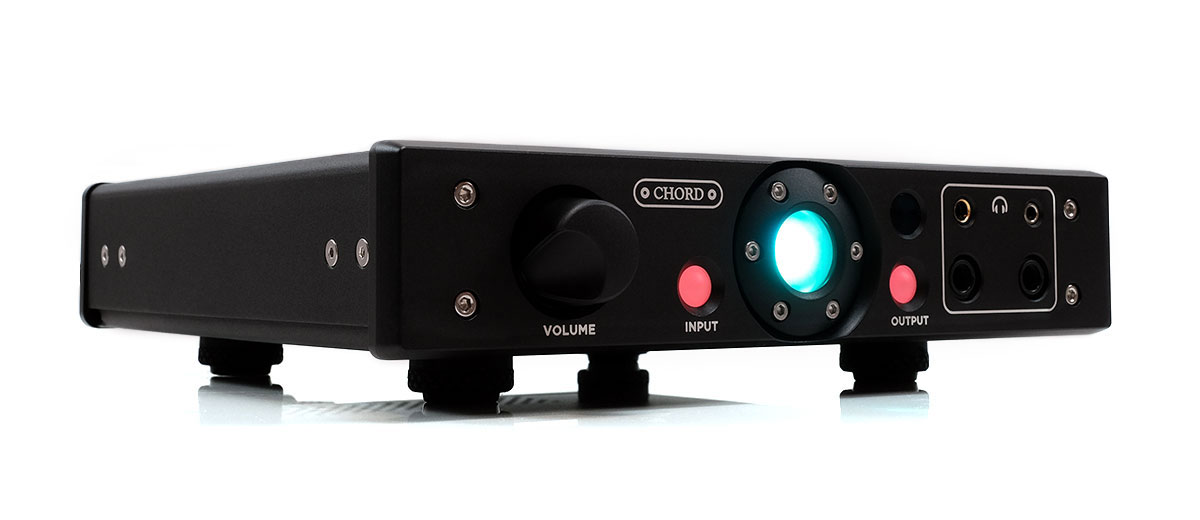
The following sound impressions of the Chord Electronics Alto were completed using a mix of the Hugo TT2/M Scaler combo as a source, combined with the Austrian Audio Composer and HIFIMAN’s Susvara Unveiled for my chosen headphones.
Summary
The Alto is a seriously powerful and dynamic-sounding headphone amplifier with plenty of headroom to drive top-tier flagship planars, such as the HIFIMAN Susvara Unveiled.
It is also fairly transparent, so whatever DAC you connect it to will flavor the sound with its unique sound signature, if it has any.
For example, the TT2 DAC brought a smooth, resolving, and spacious quality, whereas the Ferrum WANDLA GSE was slightly darker and denser, especially on the lows, using the Austrian Audio Composer.
However, if the Alto has one overriding trait, no matter what DAC I paired it with, it was this satisfyingly deep and impactful low-end response with every headphone pairing I tried.
The sub-bass extension and the resulting note fundamental frequency throughout was more noticeable than with the TT2 and my 2 other tested amps, the Ferrum OOR and the XI Audio Formula S.
If anything, it can be so incredibly potent that headphones that already lean to the warm side might not be ideal unless you can EQ down some of the resulting bass bloom. Go for natural-to-neutral headphones instead, where the Alto feels much more at home.
That’s not the fault of the Alto, but rather some headphones like the ZMF Headphones Atrium perform better for my tastes with a little bit more space or air and a slightly more neutral upper bass sound.
Speaking of space, for those who enjoy a more ethereal and airy sound signature, the Alto is perhaps not the best-in-class pick at this price point.
The dynamic range and imaging accuracy are excellent, especially in how the Alto portrays vocal body and presence with my tested headphones. However, it can sound just a shade more rounded in its soundstage compared to wider and taller sounding amps such as the TT2.
Coloration
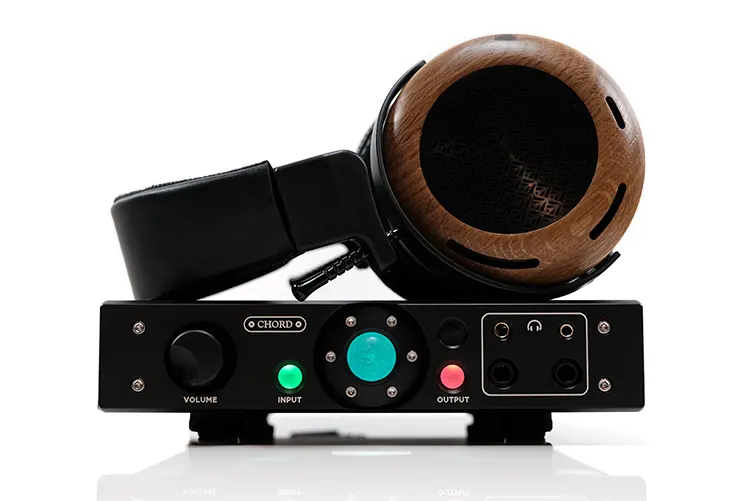
It’s the low-end power and vocal body that caught me out in a good way with the Alto. Ranging against similar high-end amps such as the OOR and the Formula S, the Alto sounds dense and planted with headphones that I normally do not associate those terms with.
Headphones such as the Composer and the Susvara Unveiled sounded monstrous in terms of depth, though slightly lacking in the treble sparkle and agility of the Alto’s nearest sibling, the Hugo TT2.
And it was not just the bass weight, but throughout the mids, if there is a DAC that can accentuate the midrange, the Alto will happily put them front and center in a fulsome manner.
The iBasso D16 Taipan was a classic example of just how well the Alto can support, if not accentuate, this DAC’s beautiful analog treatment of vocals. With the Composer pairing, the vocals sounded huge, slightly softened in part, but free of any harmonic dissonance that could necessarily distract.
At the same time, the transparency is there, so switching to a more neutral DAC, such as the DX320 MAX Ti strips out the warmth and enhances the emphasis on note leading edges, which is not as ideal for the Composer’s more energetic upper-mids.
For my tastes, I would lean back on pairing the Alto with very digital-sounding, weaker Vrms DACs or pairing with headphones that have an already softish, bloomy bass character.
The Alto can sound flat if the dynamics and input voltage are on the weaker side. Once optimal, it does not have the same high contrast levels as the OOR does to keep a lid on headphones with a warmish bass dominant character.
Staging & Dynamics
The Alto images a little differently than amplifiers such as the TT2. Even if both are running from the TT2 DAC, the Alto tends to give a bit more immediacy and impact down the center spine of recordings, whereas the TT2 pushes the staging orientation out a bit wider and taller on the same headphones.
I wouldn’t call it an intimate soundstage; its imaging and stereo separation are excellent. Rather, it’s a bit more nearfield than the expansive but more laidback TT2 or the ethereal Formula S, with my listening bias being pulled more by the lows and mids than the highs.
The flipside is that power and depth, and the flexibility to shape the soundstage to match what my various DACs brought to each pairing, were excellent.
A great example was the HIFIMAN Susvara Unveiled’s rich and dense vocal treatment when paired with the Alto and analog sources such as the D16 or the pre-out from the Cayin N7.
The Unveiled version of the Susvara has a bit more ear gain emphasis than the original, making this pairing ideal to flesh out that ‘new’ attribute beautifully for vocal presence.
Dynamic range is excellent, as is resolution, especially with the M Scaler feeding the TT2 DAC, which beautifully magnifies even the most nuanced background detail from the Alto.
However, I would caution that despite the impressive bass response, I felt the contrast on the lows was just a little softer than the WANDLA GSE/OOR combo. The Ferrum stack sounds a little tighter on the lows, though it does not extend quite as deep as the Alto.
Synergy
IEM Pairings
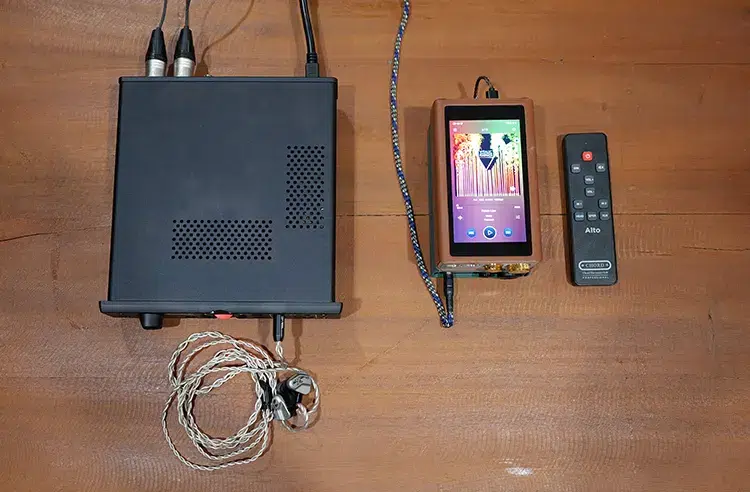
If you are using a source with a fixed 2/4Vrms without any variable, pre-out volume or gain control, then the default gain levels of the Alto are too high for IEM use.
I tested three IEMs with the Alto: the sensitive Vision Ears VE10, the medium-efficiency PMG Audio Apx, and the L-Acoustics/JH Audio Pro-Audio Contour XO with a fixed 2Vrms lineout from the WANDLA GSE, and the Cayin N7. In both setups, the Alto was just too powerful.
You will hear an audible signal at the zero volume and a very aggressive dB rise. There is also a fair bit of channel imbalance before you get to a satisfactory listening level. The volume adjustment parameters are very limited in these circumstances.
A DAC with variable volume control will change things dramatically, allowing the Alto to shine with even the most sensitive IEMs.
For example, the iBasso D16 Taipan‘s line out volume control (45-50%) with any USB-C transport reduced the gain and volume to inaudible levels with the tested IEMs. It also tightened the channel imbalance from the previous fixed line-out levels and extended the usable volume range for IEMs.
I got similar excellent results on the desktop DAC with the WANDLA GSE when changing from its bypass mode to its built-in digital volume control.
Once dialed in, the Apx stole the show for me with the Alto. Its mix of power and massive soundstage capability provided enough room for even meaty EDM recordings to flow smoothly and eloquently.
The VE10 tended to get a little boomy on the lows but did demonstrate the Alto’s serious low-end presence when required. The Contour XO’s bass boost module levels need to drop to around 12-2 pm to sound balanced, but it’s a good pairing to soothe the Contour XO’s peaky 5-8k treble.
Headphones Pairings
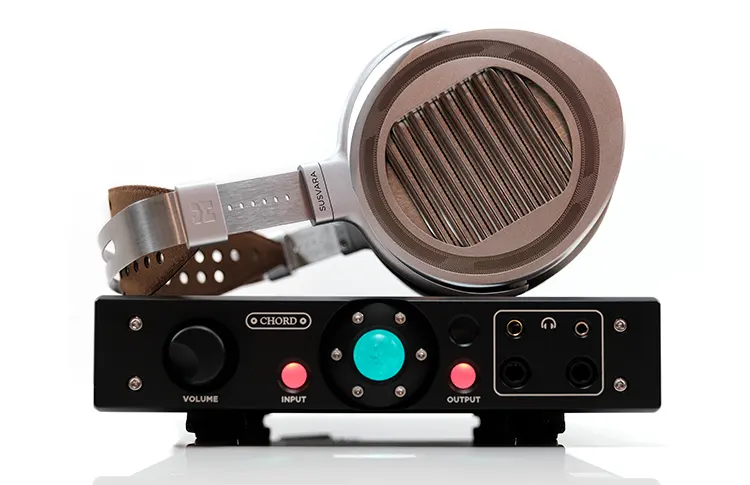
You will have no problem driving headphones from the Alto. From the 22Ω 112 dB/V dynamic driver, the Austrian Audio Composer, to much higher loads such as the 60Ω 86 dB/mW HIFIMAN Susvara Unveiled and higher impedance headphones, such as the 300Ω ZMF Headphones Atrium Open.
You can even drive them concurrently from the Alto’s multiple outputs without significant performance degradation. However, the Alto has no independent output volume control, so I would advise against plugging in headphones that differ greatly in impedance and SPL.
For example, the Composer needs a variable volume-controlled DAC to get a completely silent background, whereas the Unveiled and the ZMF Headphones Caldera are fine with a default 2/4Vrms lineout.
Of the four headphones mentioned, tonally, the Alto is a thicker, more powerful pairing than some of the competing amplifiers out there, including the TT2.
You will hear a much firmer bass response and denser vocal performances from the Susvara Unveiled and the Caldera compared to the Hugo TT2’s airier and slightly sweeter sounding presentation.
I wouldn’t classify the Alto as a massive soundstage performer. Amplifiers such as the XI Audio Formula S and the TT2 have more headroom and sparkle, but at the cost of some power and depth. That is where the Alto shines, and you can hear it with each headphone, especially the Susvara Unveiled.
The Atrium Open was perhaps the weakest pairing. I enjoyed the Alto’s low-end power, but I wanted to hear more treble extension and width. Amplifiers such as the SETA Cayin HA-300MK2 are better suited to delivering that, even if it comes at the cost of losing the depth of the Alto pairing.
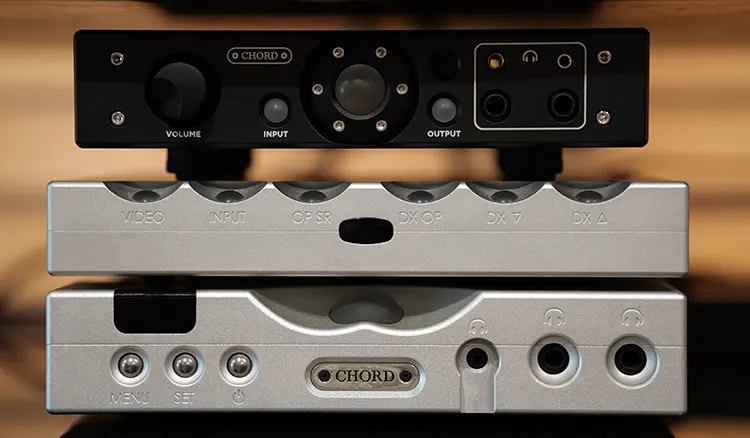
DAC Pairings
I tested 4 DACs with the Alto and came to two conclusions. The first is that the Alto is fairly transparent. Whatever the DAC brings, it will be heard via the Alto.
The second is power, and not so much raw Vrms via the lineout, but just how dynamic the performance becomes when connected to a stronger DAC.
For example, I had two portable DACs to start with on a balanced lineout (4.4mm to 3-pin XLR), including the iBasso DX320 MAX Ti and the D16 Taipan. The D16 stole the show over the surprisingly sterile-sounding DX320 MAX Ti.
I had the MAX on gain stage 5, and even then, with the Austrian Audio Composer, it sounded flat and a little thin in the vocal performances. The D16 had loads more headroom, with a more analog overtone and a voluptuous, forward vocal sound.
The D16/Alto pairing sounded huge without an overbearing low-end, and one that I felt bested the desktop Ferrum WANDLA GSE pairing, which I did not expect.
Aside from the WANDLA GSE, I had to try it with the TT2/M Scaler combo, almost a default starting point for any Chord referencing. The Chord triple stack sounded airy and smoother with the Composer and more resolving than the D16 portable pairing.
With the GSE default setup, I found the upper-mids suffered a little harmonic dissonance in the percussion timbre, though that can be smoothed over very easily with the built-in Tube DSP.
Still, the WANDLA/Alto pairing lacked the airy, flowing nature of the TT2/M Scaler pairing, opting instead for a denser, punchier sound and a slightly darker soundstage. If you are after punch and weight, then the WANDLA GSE DAC makes sense, but for me personally, I preferred the better midrange tonal balance and openness of the TT2 DAC.
