

Sound Impressions
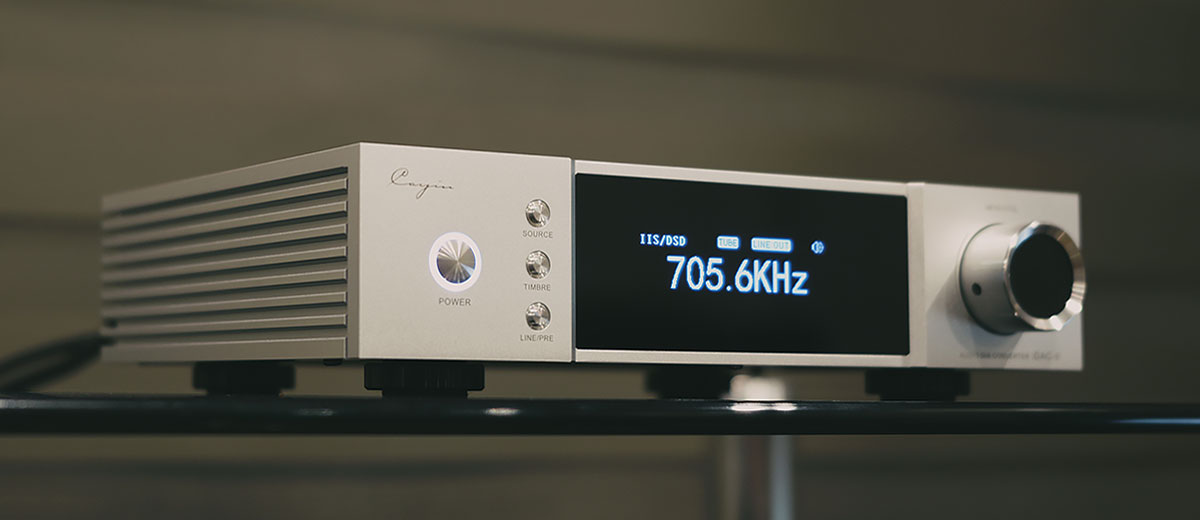
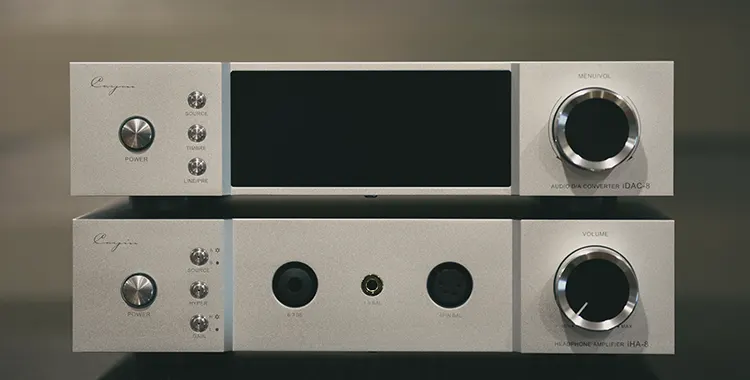
The following sound impressions of the Cayin iDAC-8 were completed using a mix of the iHA-8 headphone amplifier and the iDAP-8 streamer, with comparative I²S testing completed using the Cayin N7 DAP.
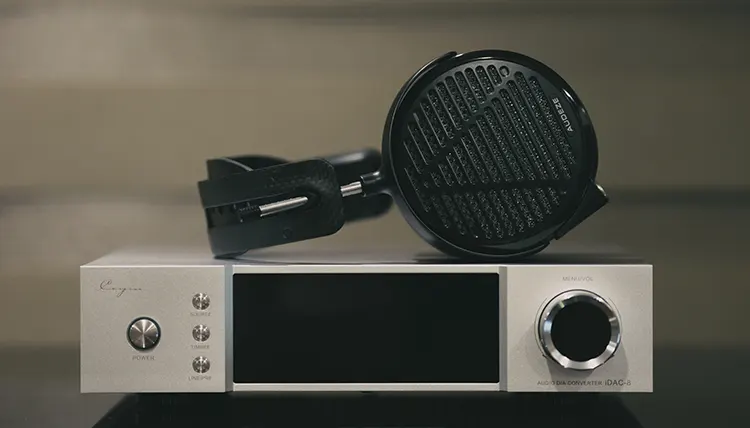
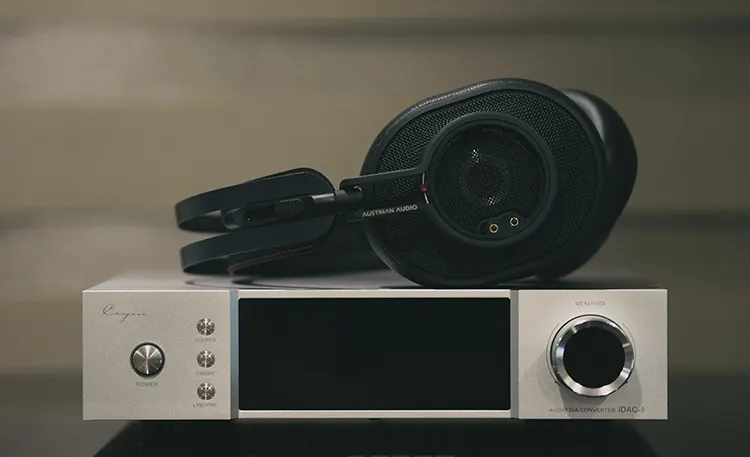
The headphones and IEM pairings included the Austrian Audio The Composer, the Audeze LCD-5, and the PMG Audio Apx in-ear monitors.
Summary
The iDAC-8 is a very resolving desktop DAC with a nicely balanced sound signature that gels very easily with a wide range of amplifiers, not least of which is the iHA-8.
Whilst each amplifier pairing will bring a distinct tuning characteristic, I got a fairly easy sense of what the iDAC-8 brought to the table, courtesy of its dual Timbre mode and having listened to it extensively against some competing DACs such as the Chord Electronics Qutest and the previous iDAC-6 MK2.
The iDAC-8 has a smoother, more natural sound signature than its predecessor, with less boom in the lows, and more presence in the mids compared to the Qutest, and enhanced sparkle and air over R-2R DACs such as the Ladder Schumann.
It can switch between a taut, high-impact, and slightly more neutral sound via Transisitor mode to a more relaxed, atmospheric presentation with a softer harmonic overtone in Tube mode.
Both options provide excellent flexibility for a wide range of pairings. If the sound is too forward and aggressive, switch to Tube mode. If the performance lacks a bit of bite and aggression, switch to Transistor mode. How each appeals to you will depend entirely on your existing setup.
For example, using the iHA-8 with the Austrian Audio Composer, the iDAC-8 delivered a spikier, excitable tone in transistor mode.
This is excellent for high BPM EDM with its shortened decay and stronger center focus, but can cause more listening fatigue for percussion in metal recordings.
A switch to Tube mode did enough to soften the Composer’s treble attack and introduce a more pleasing harmonic balance.
One note is a slight volume difference between the two modes. You will have to adjust upwards for the Tube mode to volume match, and conversely downwards for Transistor mode.
Transistor Mode
Though I find the iDAC-8 to offer a generally natural sound, particularly when paired with the Class A iHA-8, the Transistor mode is the more ‘upright’ of the two, more so with the iHA-8 Hyper mode.
You will hear more snap in the bass, a tighter level of control on note decay, and a little more treble overtone in the instrumental and note timbre. Of the two modes, this one has more ‘drive’ and energy and a stronger center image focus to go along with it.
I find this an excellent mode for EDM, synthwave, or pairings with warm amp/headphone pairings where I want more technical emphasis, enhanced clarity, and thrust in the lows.
You do need to be careful if you are using Transistor in combination with the iHA-8 Hyper Mode, as headphones such as the LCD-5 and the Composer with a stronger set of upper-mids or treble response will respond in kind with a harder attack that could slightly upset the balance of the headphones’ performance.
Turning off Hyper mode calms it down significantly for those two headphones in particular, giving off a clean but non-fatiguing performance.
Tube Mode
Tube mode is more emotive in its delivery, casting out a wider, more atmospheric sound stage with excellent with and a slightly softer leading edge and enhanced bloom in the upper-bass and lower mids of most tested amps and headphones.
The punch is reduced somewhat, with slightly longer decay, but the depth and airiness are still very impressive. The magic is in the midrange with a smoother, more natural presentation and vocals that are more relaxed in their imaging.
If anything, the tone can be slightly euphonic. It is not as analog or thick-sounding as the Schumann R-2R DAC; rather, it has a lovely vocal bloom and some sweetness with tested amps and headphones courtesy of its good treble extension.
The extension isn’t as peppy as the Qutest Treble; it’s not a forced tone, but it does add some welcome shimmer and sparkle where required. It’s an excellent combination using the iHA-8 and the Composer, and helps to dig out a bit more staging width and a calmer vocal performance from the LCD-5.
Synergy
Connection Variations
The iDAC-8 has a wide range of connectivity options, particularly if you plan to use the iDAP-8 or one of Cayin’s I²S-compatible DAPs such as the N7.
However, having tested all of them, I have some distinct preferences with I²S coming out on top, followed closely by its coaxial BNC connection.
The USB connection came out as the least pleasing in both transistor and tube modes. It sounded more neutral, with a drier tone than the other digital inputs.
It also had a perceived level of harmonic dissonance through the upper-mids and lower-treble with my tested gear, the Austrian Audio Composer and the PMG Audio Apx in balanced mode. The resulting percussion and vocal timbre sounded a little harsher to my ear as a result.
The iDAC-8 I²S connection sounded much smoother with stronger low-end presence, a bit more warmth, and a more pleasing harmonic balance through the same upper-mids and lower-treble region. It also retained the best dynamic range and resolution with superior clarity than the alternative connections.
Of the classic SPDIF options, I gravitated to Coaxial BNC over RCA, but honestly, this is entirely subjective. Something about the BNC background instrumental reproduction sounds firmer and more dynamic to my ear than the slightly faded peripheral presentation from the RCA performance.
The optical connection delivered a smooth timbre but sounded politer and not quite as resolving as either coaxial inputs, and quite a bit behind I²S. Still, I would take optical over the harsher USB connection any day of the week unless I was pairing the iDAC-8 with overly warm headphones.
Third-Party Amplifier Pairings
I tested the iDAC-8 with the Chord Electronics Alto, the Cayin HA-2A, and the ZMF Headphones HOMAGE. None of them sounded weak or unbalanced, with excellent dynamic range.
However, it is hard to describe an amplifier matchup with the iDAC-8 without considering the headphone pairing, as the effects of the tube and transistor mode via the amplifier can be easily picked up.
For example, the HOMAGE/Composer pairing sounded more agreeable in Tube mode. Primarily due to the smoother upper-mids and lower treble, reducing the potential for harmonic dissonance from a headphone that can sit on the fence in terms of neutral or bright.
And that was the case with the Alto when paired with the Composer and the LCD-5. The LCD-5 is more about avoiding sounding shouty rather than creating a smoother, lower treble from the Composer.
The Transistor mode with the Alto teased a high-impact performance from the LCD-5. However, the vocals were too forward-sounding compared to the more relaxed Tube mode, which sounded more soothing and slightly wider.
The tube mode is more true to the Atrium tuning with the HOMAGE, creating a spacious sound and an appealing set of mids and highs.
Transistor mode enhances the snap and punch on the lows but produces a leaner set of mids and highs with the HOMAGE/Atrium pairing.
Also, I would not shy away from opting for the iDAC-8 tube mode with the HA-2A. It does not produce an overly creamy sound with the Atrium, it sounded nicely balanced, wide, and spacious
However, there is a degree of fall-off on the lows that the transistor mode provides, but it’s a fair compromise if you want a spacious Atrium presentation.
