

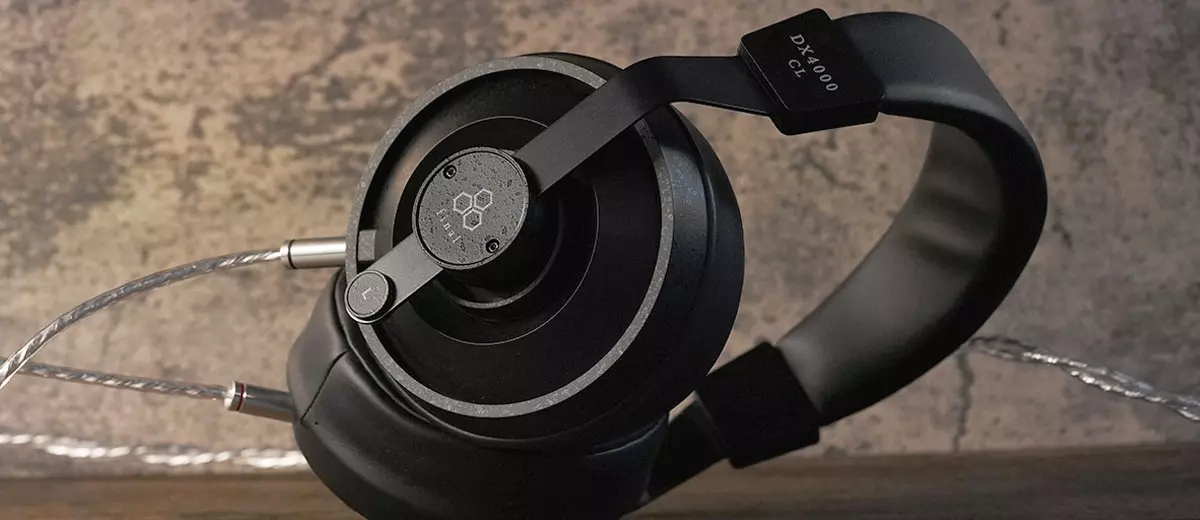
James reviews the final DX4000 CL, a new high-end set of closed-back circumaural headphones using the company’s latest 40mm dynamic driver. It is currently priced at $999.00.
Disclaimer: I received this sample in exchange for my honest opinion. Headfonics is an independent website with no affiliate links or services. I thank the team at final and Jack Rabbit Media for this opportunity.
Click here to read more on the final audio products previously reviewed on Headfonics.
This article follows our current scoring guidelines, which you can read in more detail here.

final’s latest closed-back headphone, the $999 DX4000 CL, slots between the DX3000 CL and the flagship DX6000.
As the “CL” suffix indicates, this is a closed-back design. Final has retained the hybrid 40mm Washi (Japanese paper) and carbon-fiber diaphragm from the DX3000 CL but introduced some new features to distinguish it from its lower-tier sibling.
With a more efficient driver structure, a gorgeous upgrade cable, and a complete aesthetic overhaul, final is trying to push the limits of closed-back performance again.
I found out how the DX4000 CL performs and compares with alternative headphones such as the DX3000 CL and FiiO’s FT7 in my full review below.
Features
The final DX4000 CL utilizes a carbon-fiber-infused Washi membrane featuring a “borderless edge” for more uniform excursion than standard diaphragms. The rigid material choice effectively eliminates resonance for a cleaner, more balanced sound.
Another key innovation is the carved internal diffuser within the earcups, which manages airflow and reflections, aiming at creating a stronger sense of space rarely found in closed-back headphones.
At 37Ω and 96 dB/mW, the DX4000 CL is easy enough to drive with a portable DAC/Amp, but it benefits from more powerful desktop gear, which brings out its full dynamic potential and detail.
Design
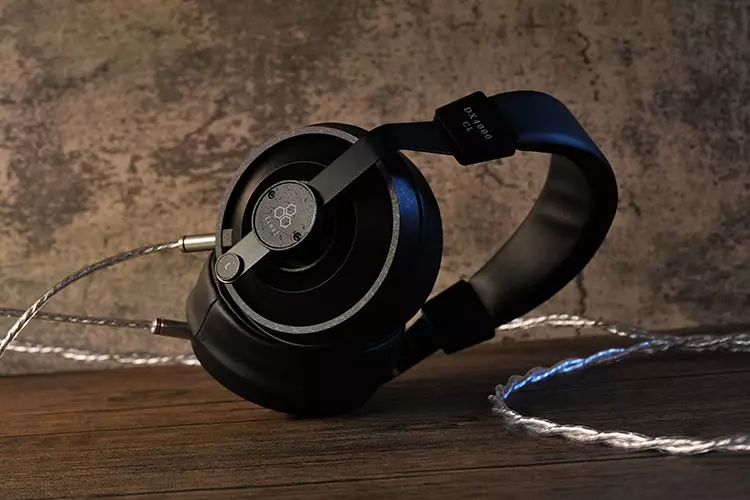
While the DX4000 CL looks similar to the DX3000 CL, the upgrades are in the details.
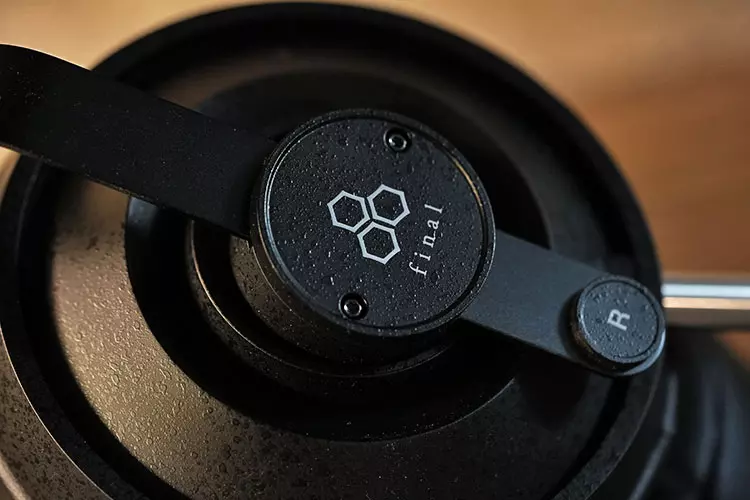
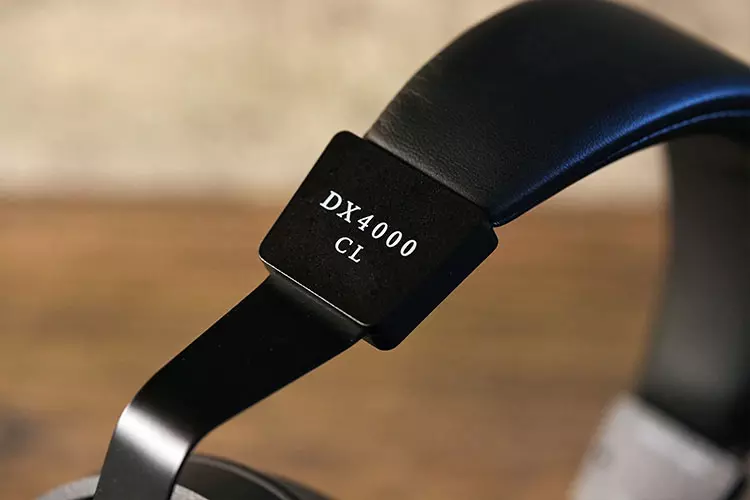
The new finish is an understated, camera/lens style paint that naturally resists fingerprints and scratches. Final also swapped the silver stainless-steel band for a sleek black version to match the new sleeker look.
The glass-fiber-infused resin housing feels solid yet compact, with hinges that operate smoothly and silently.
Final continues its tradition of artistic craftsmanship here; every part feels well-machined, and it is worth noting that it uses an adhesive-free design, ensuring ease of maintenance.
Comfort & Isolation
The large earcups and smooth hinges make achieving a perfect fit effortless. The 30mm-thick memory foam earpads provide a superb seal, delivering deep bass and excellent passive isolation.
This setup is ideal for air-conditioned or cooler environments, not so much outdoors, and remarkably, it maintains a consistent seal even when glasses are on. The headband can also extend quite long, so it can fit bigger heads easily.
Although the upgraded cable is bulkier than its predecessor, the overall setup remains impressively lightweight.
Thanks to excellent weight distribution, I found them comfortable for extended listening sessions without any noticeable pressure points.
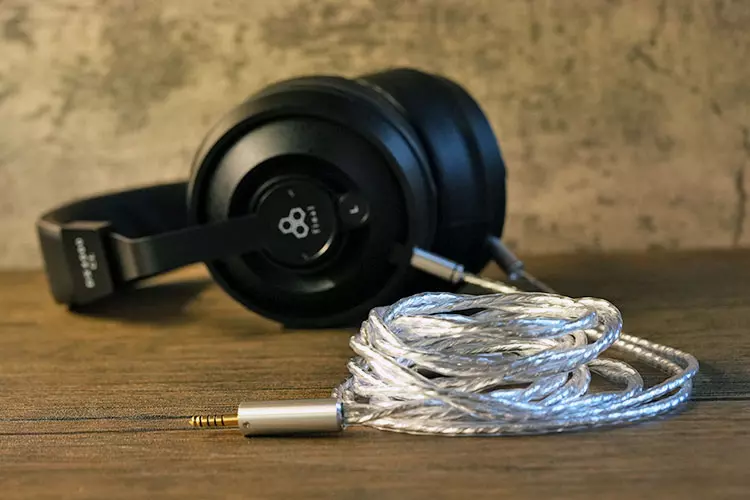
Stock Cable
The DX4000 CL steps up from its predecessor by adopting the 2m C093 silver-plated cable found on the flagship D8000 Pro edition (4.4mm balanced on this version).
Having used the thinner C106 variant on the A8000, I’ve found this wire consistently delivers airy treble, likewise, and immense detail without the “shouty” or harsh characteristics often associated with silver-plated cables.
The cable gauge is quite thick, though it doesn’t introduce microphonics. It nicely improves detail retrieval over the DX3000 CL’s OFC cable, which I will explore further in the sound evaluation.
On another note, the cable feels slightly stiff due to its gauge, but I can hardly pick up on microphonics, making it a quiet experience when moving around.
In practice, the cable enhances the headphone’s transient speed. I was surprised to find that the bass has good presence and feels just as impactful and firm as the emphasized upper midrange.
When I switched to the DX3000 CL cable, the soundstage felt less organized, bass impact was more relaxed, and the imaging wasn’t as precise.
Packaging & Accessories
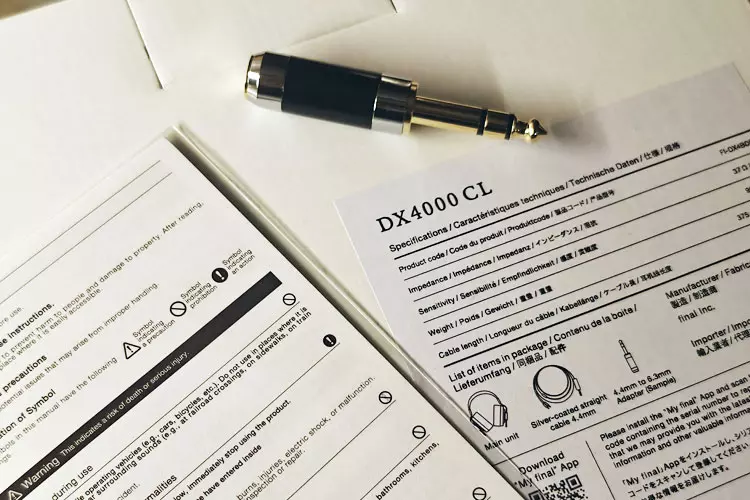
Minimalist white card box houses the DX4000 CL again. As usual, it is clean and professional packaging, and you can access the headphones right away.
Inside, you will also find user manuals and a nice-looking 6.3mm converter, so you can plug it into legacy amplifiers that don’t support 4.4mm output.
However, for a $999 product, I would have liked to see a dedicated storage pouch or dust bag included.
Adding a protective accessory like that would not only provide better long-term value but would also elevate the overall premium feel of the unboxing experience.
Sound Impressions
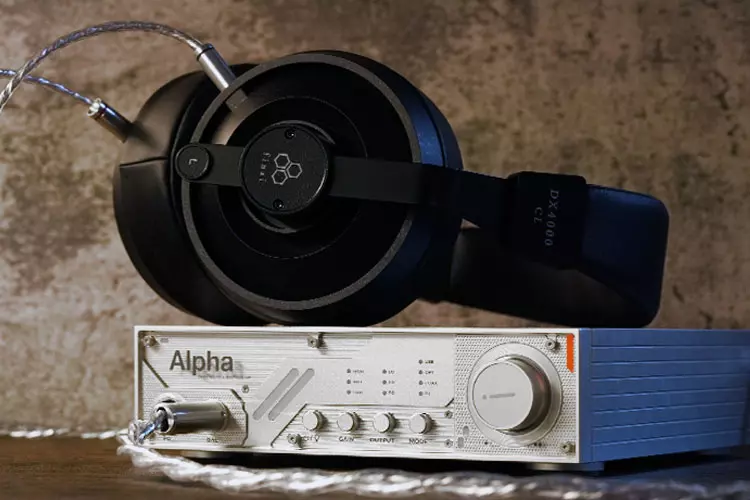
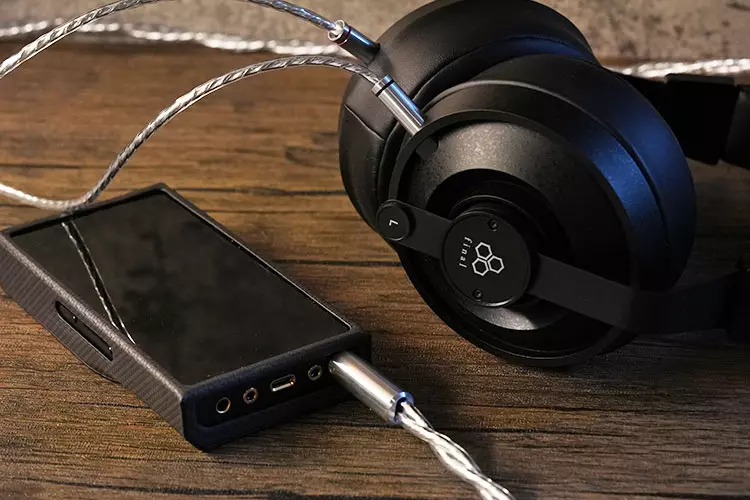
The following sound impressions of the final DX4000 CL were completed using the Luxsin X8, D&A Alpha, FiiO K15, Warmer R2R, FiiO’s R9, and the Shanling M7T.
Summary
The DX4000 CL takes everything good about the DX3000 CL and adds a layer of air and speed, sounding more vivid and defined.
It successfully overcomes what most closed-back fails to achieve, to sound punchy and clear without that “boxy” or muffled feel, offering powerful bass and swift, airy vocals without strong compression.
On paper, it is less sensitive, but even less powerful sources can sound quite resolving, though a stronger current will enhance balance and density across the mids and lows.
Swapping to the DX3000 CL’s stock cable confirms that the silver-coated cable helps the output sound much more clearly outlined in the treble, with more shimmers and nuances uncovered.
Vocals are clearly etched and spaced out. The bass feels much more grippy and textured. It sits at a nice M/V-shaped middle ground, giving you a bit of rumbling alongside clear, energetic upper mids.
Considering it is a closed design, it is doing well to stay dynamic when listening to classical music with big bass, and it manages to sound defined and holographic.
Timbre
“Realism” remains the cornerstone of Final’s design philosophy, and the DX4000 CL clearly delivers a more open timbre than the predecessor.
It delivers agile transients, good contrast, and swift articulation when adequately powered, capturing more air and detail than common closed-back designs, and with any harshness well suppressed without hampering openness.
Unlike many closed designs that sound bloated due to back-venting constraints, the DX4000 CL remains clean and punchy in the lows even at high volumes.
Its superior isolation often allows for better detail retrieval than open-back headphones in average listening environments.
As said, the C093 silver-coated cable is pivotal, tightening the bass while adding unexpected texture and impact. The lower registers are articulated and controlled, a departure from the fuller, fatter character of its siblings, shifting the tonality toward a refined, neutral-warm balance.
While the smooth midrange synergizes nicely with instrumentals like chamber music and jazz, it favors powerful vocals and high-res masters, sounding meatier across the mids.
The treble is defined and energetic yet controlled in the sibilance zone, so there is no brittleness even with high-pitched virtuosos.
Even for intense orchestra works, the DX4000 CL maintains its resolving power, allowing vocals to cut through, and could sound pretty vivid and engaging with overtones boosted on tube setups.
Testing heavy metal and bass-heavy synth tracks revealed satisfactory layering; the sub-bass provides enough rumble to feel the depth without masking the distinct bass lines.
The driver’s speed is particularly evident with high-BPM tracks, where it maintains dynamic range and texture in string overtones without fatigue.
Ultimately, the DX4000 CL suits both fast and slow tempos, blending authoritative control with satisfactory musicality.
Staging & Dynamics
The DX4000 CL sounds quite out-of-the-head in terms of staging, and the housing is rigid enough for the DX4000 CL to output a precise, defined image, and to position the virtuoso well distinctively in front of the accompanying orchestra at the back.
The soundstage offers good width, even when paired with weaker sources. Vocals possess strong penetration power, with the upper vocal frequency range feeling well-energized.
While fuller voices may sound more intimate, thinner or higher-pitched voices can feel positioned a few meters away. This creates an oval-shaped stage that stretches primarily along the x-axis.
The acoustic space is reminiscent of a small lecture hall, making it well-suited for chamber music as it captures the nuanced reverb of smaller venues.
Although open-back designs remain more capable of depicting massive spaces or accommodating a full choir, the DX4000 CL offers satisfactory lateral panning and instrument separation, allowing more detail to be retrieved in noisy environments.
When testing spatial positioning with ASMR tracks, the DX4000 CL delivered some of the best bass clarity, density, and speed I’ve heard in a closed-back design. Even in noisy environments, the image remains dense and realistic, with very clean bass decays.
Final’s engineering of the carbon-fiber-infused housing clearly pays off here; it suppresses resonance effectively, ensuring the imaging stays sharp and focused even at high volumes.
Click on page 2 below for my recommended pairings and selected comparisons.
