

Sound Impressions
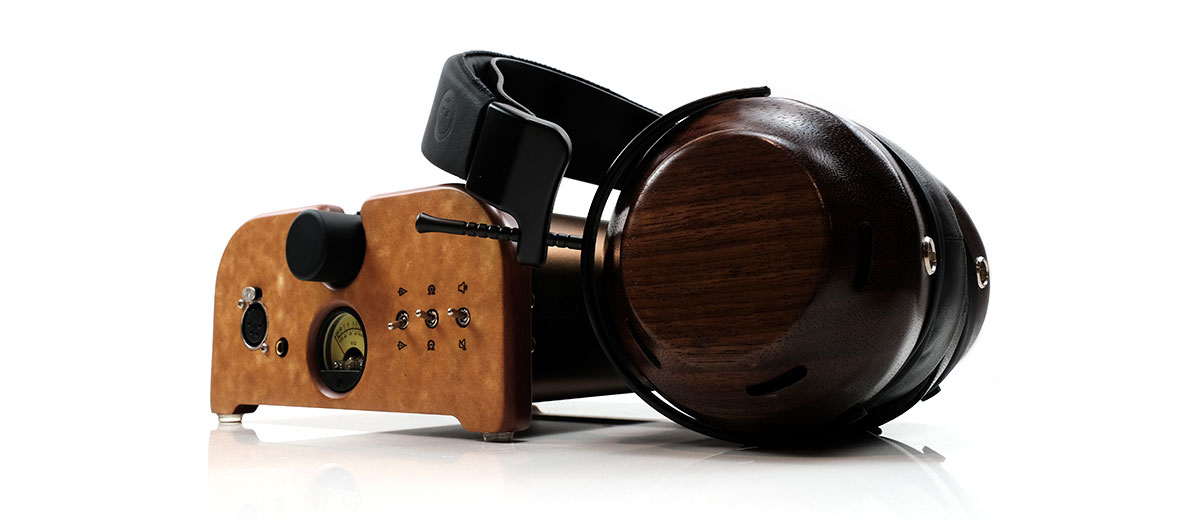
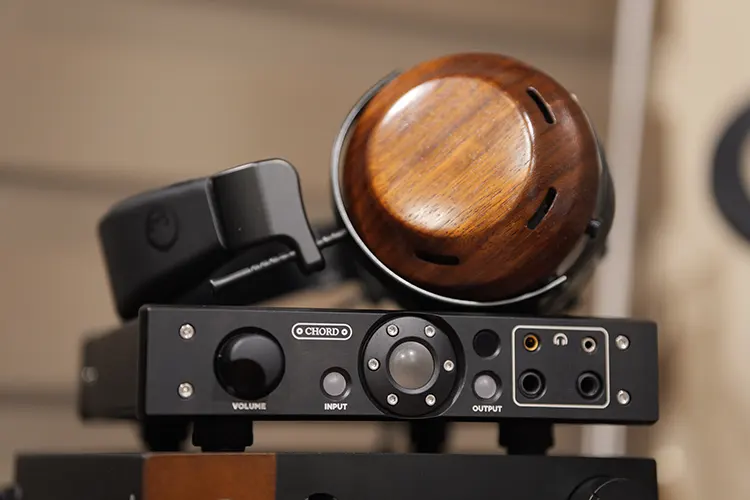
The following sound impressions of the ZMF Headphones Ori 3.0 were completed using a mix of the Chord Electronics Alto/Ferrum WANDLA GSE combo and the ZMF Headphones HOMAGE connected to the Cayin N7 PRE Out.
Summary
The Ori 3.0 is a powerful-sounding planar headphone with a warm-leaning coloration, but always with an emphasis on weight, body, and a smooth tonal flow.
The first thing you will notice is the fullness in the lows. It delivers presence and a degree of physicality to instruments and vocals without becoming muddy. The weight and power can be enhanced or reduced in quantity via the relevant plugs and pad choices.
The Ori 3.0 mids are more front-and-center, more so than its bigger sibling, the Caldera Closed. More accurately, the 1-3k range is not so relaxed with decent lift and a more intimate vocal imaging experience.
The treble is gentle and controlled, so vocals and percussion remain relatively smooth-sounding. This gives the headphone a very comfortable listening character, particularly over long sessions, though those who prefer strong air or overt sparkle might find it reserved.
Pad and tuning plug selections will introduce performance tweaks, particularly in the lows. The thick lambskin pads lean into warmth and body, while the vented tuning plug sharpens the bass-to-mid transition, improving definition and separation.
Without the plugs, the signature becomes more full-blooded, trading some clarity for density. It’s an excellent choice for those who want the full bass experience from the Ori 3.0.
The Ori 3.0 is not difficult to drive, but it benefits from an amplifier with current capability. Portable sources can power it, and I did find some surprising favorites. However, desktop amplification tightens the low end and improves dynamic contrast, which is where the Ori 3.0 excels.
Frequency Response
The Ori 3.0’s frequency response has an elevated but fairly linear bass shelf up to 200Hz. This creates the impression of weight and warmth, with lower-register instruments exhibiting excellent fundamental frequency levels.
With the thick lambskin pads, this area becomes more pronounced, adding bloom and a slightly slower decay. Of the pad options available, these are going to produce the strongest low-end response.
There is a gentle dip through the lower mids around 300–500 Hz, which prevents the warmth from masking the more prominent 1-3k mids and vocal presence.
When the vented tuning plugs are inserted, the bass weight is reduced, producing a clearer separation between the bass and the mids. Removing the plugs fills this region back in, producing a denser, more blended transition.
If you are a vocal lover, the vented plugs will work best for you, especially with smoother-sounding amps that tend to create a slightly sweeter, more sparkling overtone on upper-register vocal notes.
The mids remain smooth and even, without a strong upper-mid rise. Around 2k-4kHz, the Ori 3.0 FR sits slightly south of neutral, which keeps upper-register notes from sounding forward or aggressive.
This adds to the Ori 3.0’s smooth midrange character but can slightly soften the bite of guitars and percussion presence. Going with the vented plugs can enhance the presence with neutral amplifiers.
Cymbal notes have nice weight, but the energy is a little rounded tonally, with decay rendered as a soft shimmer rather than a bright splash. The treble rolls off gently after 8-10kHz, so not hugely aggressive and helps keep any nasty overtones in check.
Staging & Dynamics
The Ori 3.0 is one of ZMF’s deeper-sounding planar driver headphones, balanced out by a relatively forward and intimate vocal presence.
It’s not really a soundstage that sits you back like the Caldera Closed, and does not exhibit the same frequency emphasis on the extremities as the Atrium Closed.
It sounds more immediate than the Caldera Closed because it sits you right in the middle of everything, creating a stronger perception of power and vocal impact.
Some of the micro-detail might get lost in the macro exuberance, so if you are coming from its bigger sibling, you might notice a slightly rawer approach to nuance detail.
It’s not quite as spacious as either of the aforementioned units, but I would happily trade some of that space for the striking vocal impact.
You might think that the more intimate emphasis of the Ori 3.0 relative to the flagship models paints a picture of a small soundstage. It really isn’t. As closed-back headphones go, the Ori 3.0 is big-sounding, with impressive control over bloom and closed cup resonance.
You can adjust the emphasis with the tuning plugs and pads, though I have to say, the tuning plugs reduced the need for me to swap pads as much as the other ZMF Headphones.
The vented plug is the sweet spot. It will reduce the power on the lows, and in turn, shift your focus a bit more to the mids and highs. It’s a more balanced soundstage and the one I feel most owners will find common ground with for everyday music.
Plug Changes
Testing the Ori 3.0 with the stock Caldera Lambskin Thick Top‑Perf pads, the differences between the three tuning plugs reveal clear and distinct frequency shifts.
The choice of plug primarily influences the lower frequencies while maintaining the headphone’s characteristic forward mid-range presence.
With no tuning plugs inserted, the Ori 3.0 presentation is at its most impactful in the sub-bass and mid-bass, measuring the highest output below 100 Hz. This yields the warmest and thickest presentation, excellent for users prioritizing deep bass impact and a full-bodied sound.
The sealed plug provides the most constrained bass response from the Ori 3.0, offering a flatter, more neutral low-end that prioritizes texture and speed over slam. This tuning is the leanest and most reference-like of the three, but for me, it takes something away from the core character of the headphones.
The vented plug delivers a more nuanced middle ground and the most flexible of the 3 plug options. Its bass response sits directly between the unplugged warmth and power and the sealed plug’s neutrality.
This configuration preserves good low-end extension but introduces a slight rounding effect compared to the sealed plug, delivering a sweeter sound that is still powerful but more controlled than having no plug at all.
Across all three, the mid-range and treble remain cohesive, though the sealed plug maintains the most consistent energy throughout the 5 kHz to 10 kHz region before the treble starts to roll off.
Synergy
Efficiency & Sensitivity
The ZMF Headphones Ori 3.0 is rated at 60Ω impedance with an SPL of 95 dB/mW @1kHz. Basically, what drives the Caldera Closed will drive the Ori 3.0 equally well, given they share a similar efficiency and sensitivity rating.
Like its more expensive sibling, the Ori 3.0 does not need a huge power to drive it properly. However, I found my subjective experience was slightly different in reality.
The Ori 3.0 volume levels often needed to be dropped a little more relative to the Caldera Closed levels due to its more aggressive and intimate nature with the stock pads.
Often, tuning can trigger sensitivities, so a mid-forward 1-3k region and more forward bass response is a response curve I am more sensitive to hearing-wise.
Portable Pairings
I would be fairly comfortable driving the Ori 3.0 from a quality DAP or dongle. In fact, I had one dongle, the iBasso DC-Elite, that I actually preferred over a high-end DAP, the HiBy R8 II.
For some reason, the R8 II lows just sound really flat, even in Turbo Mode, where it normally hammers dongles. In this instance, the DC-Elite sounded deeper, more defined, and holographic compared to the R8 II.
You can get more of the excellent DC-Elite performance from the DX340/AMP 15 combo. It’s more refined and resolving than the DC-Elite but has that same cleaner, well-controlled energy and excellent bass definition from the Ori 3.0.
I would pick the Cayin N6iii/R202 1-bit mode over the R-2R mode. The vocals sound too forward with a loss in sub-bass power from the R-2R mode, whereas the 1-Bit is more relaxed, expansive, sounding more complete in terms of staging depth and height.
Of the two large portable amps, the Cayin C9ii and the ONIX Mystic XP1, the C9ii sounded smoother and more refined. The XP1 with no tuning plugs will give you the strongest bass response out of all of the pairings, but the mids and highs are darker, and the tonal quality is a little rawer.
The C9ii in Classic Tube mode, high gain, high anode, and Class A is the perfect combo for the Ori 3.0. Class A is more relaxing to my ear than Hyper Mode and more natural than solid-state, two qualities that endear it to the Ori 3.0.
Classic Tube mode teases out some nice bass emphasis from the Ori 3.0 without going over the top, and at the same time, keeps the vocal imaging from sounding too forward.
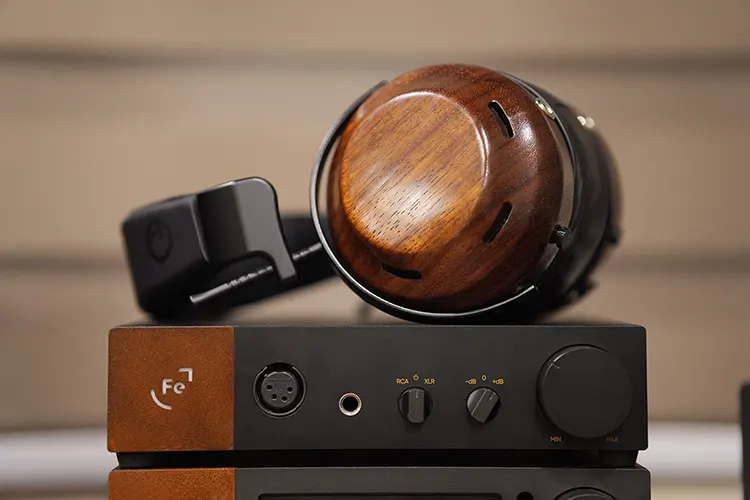
Desktop Pairings
I tested the Ori 3.0 with a mix of 4solid-state amplifiers and 1 tube alternative. This included the Ferrum OOR, Chord Electronics Alto, the dCS Bartok Apex, and Auris Audio Headonia 300.
I found the plug system to come into play a lot more with desktop rigs, perhaps because this is likely where I was spending more time listening with the Ori 3.0.
For example, the Alto is a fuller, sweeter sound than the neutral OOR, so going without the plugs on the OOR felt the correct default choice to give it a bit more character and drive from the lows. Going with the vented plugs felt a little too bright for my tastes.
The Alto can take either, sounding quite sweet and ‘elegant’ with the Ori 3.0 using the vented plugs. Bright recordings were more manageable than the OOR, with the slight reduction in bass weight giving vocals some excellent presence without any concerning harmonic dissonance.
It was the same theme with the Headonia 300B, though in this instance, I felt the Ori 3.0 soundstage was deeper and more satisfying without the plugs.
With the vented plugs, the vocals had more presence and a bit of bloom, similar to the Alto changeup but with a more analog overtone.
One thing to note, setting the Headonia’s impedance level to 80Ω vastly improved the Ori 3.0’s performance. It sounded far juicier and more dynamic, with the lower settings sounding flat and boring.
Going without the plugs sounded like the right choice with the Bartok Apex. The Bartok can reach deep, but it’s not quite as ‘tube smooth’ in the highs as the Headonia.
I found the vented plugs teased out a bit more treble overtone on upper register vocal notes, and did not sound as pleasing as without the plugs.
