

Synergy
Efficiency
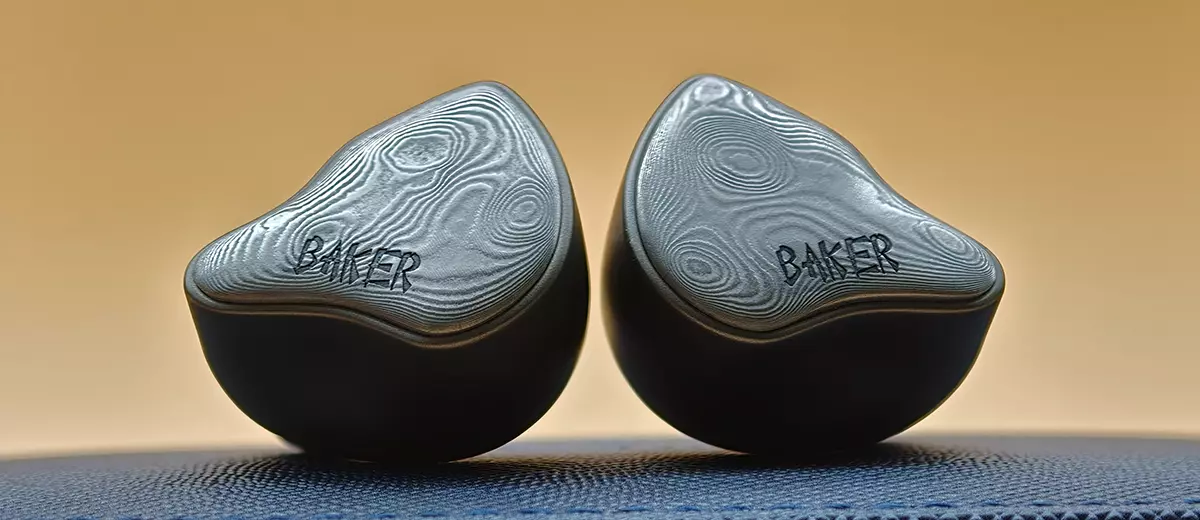
The Yanyin Baker features an extremely low impedance of 8Ω paired with a sensitivity of 104 dB/mW @1kHz. This combination makes it incredibly easy to drive on all setups, such as a phone, a simple dongle, or a full audio interface.
The stock cable enhances this versatility with its modular design, allowing you to swap between 3.5mm and 4.4mm plugs in seconds. The excellent quality and lightweight of the Baker’s cable integrate seamlessly into both portable setups and dedicated desktop setups.
Listening at low to mid volumes yields the best performance, allowing the speedy bass and realistic vocals to shine without aggression. The presentation remains balanced and immersive, retaining strong detail retrieval even at these quieter levels.
Pushing the volume higher upsets this balance, as the treble begins to overshadow the rest of the frequency spectrum. The sound quickly becomes harsh and fatiguing, making high-volume sessions a tiring experience.
Pairings
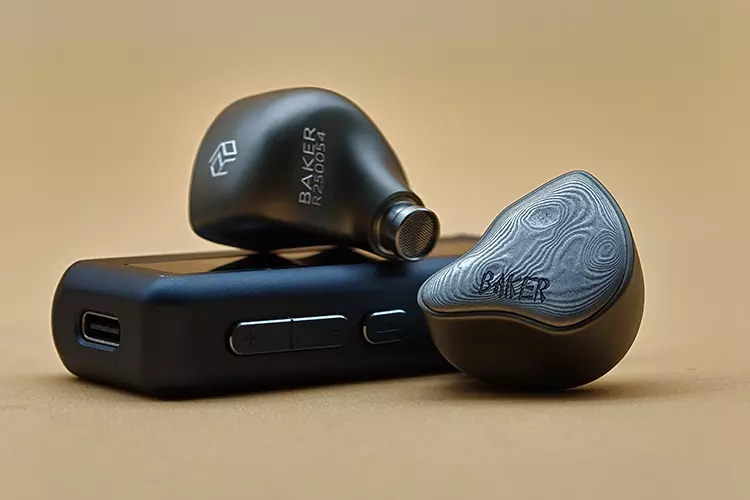
Using a phone with a 3.5mm jack provides a passable experience given the Baker’s high efficiency, but it often leaves the sound feeling somewhat flat.
While volume is never an issue, the lack of dedicated power means the dynamic range feels compressed, making the already polite mid-bass sound even lighter and less impactful.
Switching to the FiiO JA11, which leans towards a clean and neutral-bright presentation, unfortunately, highlights the Baker’s flaws rather than its strengths.
The dongle’s focus on clarity worsens the existing treble harshness, pushing cymbals to the forefront and making the listening experience fatiguing much faster.
The Heartfield R1 serves as the better pairing, offering a warm tonality that directly addresses the Baker’s main issues.
This source adds much-needed weight to the mid-bass, giving drums the thump they typically lack, while simultaneously smoothing out the sharp edges of the treble for a more musical and cohesive presentation.
Finally, the Colorfly CDA-M2 leans into an analytical and wide signature, which acts as a double-edged sword.
It maximizes the Baker’s already impressive soundstage and detail retrieval to flagship levels, but the combination of a bright source with the Baker’s energetic highs can become overwhelming and sibilant during longer listening sessions.
Selected Comparisons
Xenns Mangird Top Pro
Technical
The Xenns Mangird Top Pro boasts a 10-driver hybrid configuration managed by a four-way electronic crossover.
This setup utilizes two custom dynamic drivers, two Knowles balanced armatures, two Sonion E50D composite units, and two Knowles super tweeters.
The dual dynamic drivers are dedicated to the low end, while the two Knowles armatures handle the midrange independently.
The treble duties are split between the Sonion E50D units for the lower treble and the Knowles super tweeters for the ultra-high frequencies.
Design
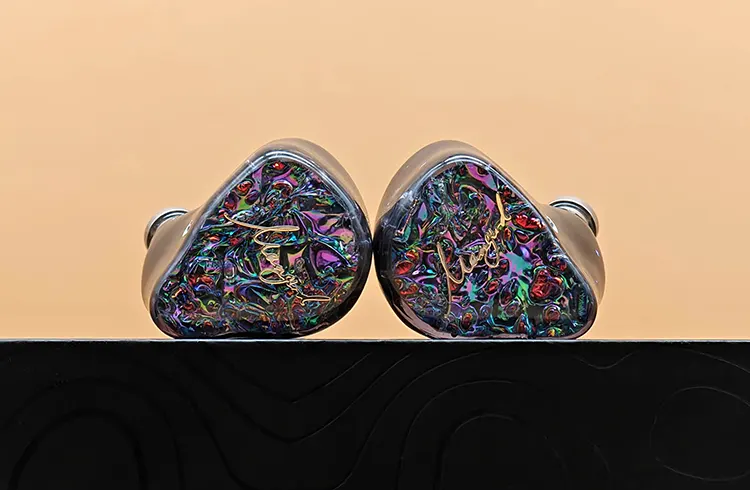
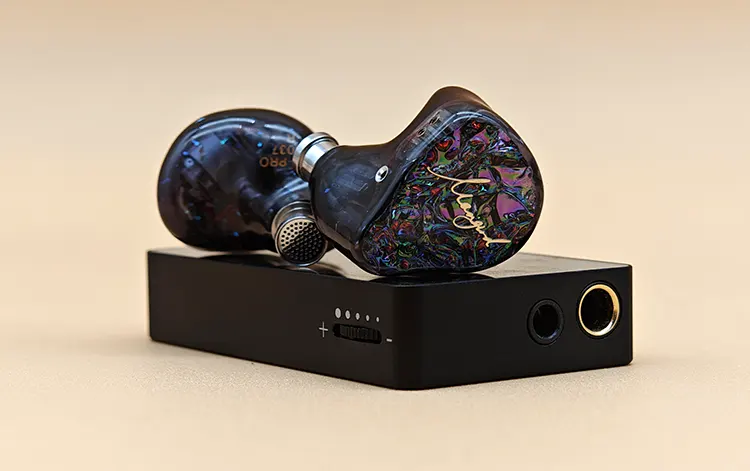
The faceplate displays a swirling, abalone-like resin pattern unique to each unit, overlaid with a gold Mangird script logo.
This is paired with a dark, semi-translucent resin shell that reveals the internal components and glittering flakes under direct light.
A single vent with a metal ring sits below the recessed 0.78mm 2-pin connector. The build is finished with polished metal nozzles and uniform mesh filters to ensure a sturdy and consistent profile.
Performance
The Xenns Mangird Top Pro secures an undeniable victory in the low end, delivering a level of subbass depth and drum energy that sits in a completely different tier.
While the Baker remains detailed, it simply cannot compete with the commanding power and precise tone that make the Top Pro’s bass performance so satisfying.
In the midrange, the Baker takes the lead by offering a thicker note weight that allows male vocals to shine with better texture and detail.
The Top Pro sounds slightly pushed back in comparison, lacking the same immediate presence that gives the Baker its emotional and expressive character.
Both IEMs deliver excellent timbre and tonality, but the Baker manages to convey the emotion in a track more evenly across both male and female vocals.
This creates a more engaging experience for vocal-centric music, whereas the Top Pro feels a bit more reserved in its delivery.
When looking at the highs, the Top Pro offers a more refined experience that avoids the sharpness found on the Baker.
It maintains plenty of detail without the harsh cymbal energy, resulting in a smoother listen that is far less likely to cause fatigue over time.
For the soundstage, the Baker stretches slightly wider, giving instruments a bit more room to extend outward.
However, the Top Pro counters with a superior sense of depth, creating a space that feels deeper and more immersive rather than just wide.
Precision in placing those sounds goes to the Top Pro, which pinpoints locations with greater accuracy than the Baker.
Despite the difference in width, both monitors separate instruments equally well, keeping even the busiest tracks clean and organized.
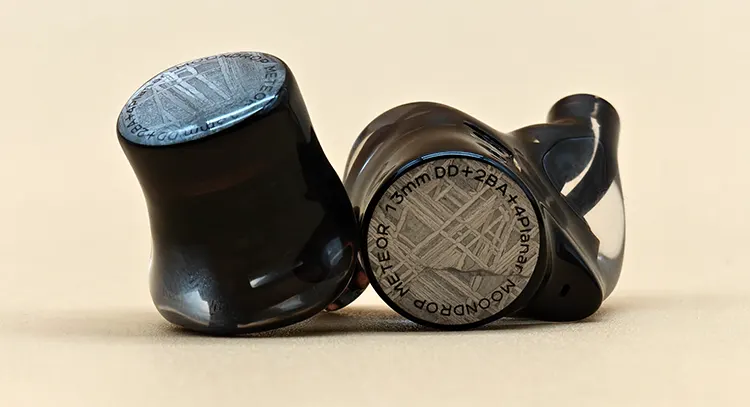
MOONDROP METEOR
Technical
The MOONDROP METEOR utilizes a tribrid setup featuring a massive 13mm dynamic driver, two custom balanced armatures, and four micro-planar drivers.
These are managed by an advanced crossover system known as XTM Complex Technology to ensure seamless integration between the different driver types.
To refine the high frequencies, a passive acoustic notch filter targets the 4.7kHz to 7.2kHz range to smooth out the response.
This specific tuning choice aims to eliminate unwanted peaks and harshness while maximizing the extension of the planar drivers.
Design
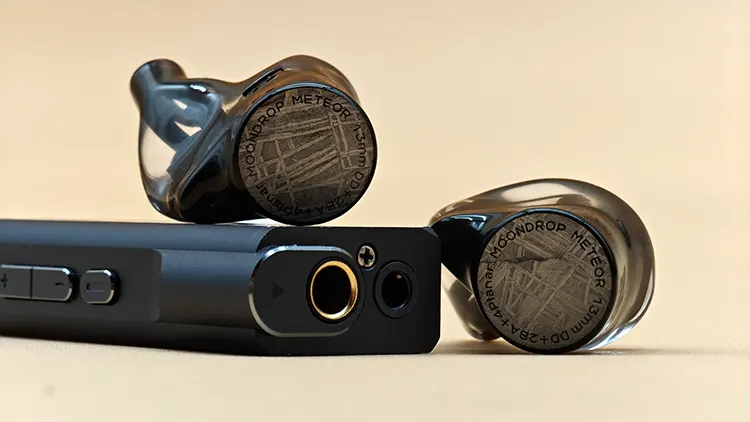
The faceplate stands out with real Aletai meteorite embedded into the resin, serving as both a visual highlight and a vibration damper for the dynamic driver.
Despite its imposing size, the ergonomic shape allows it to fit securely in the ear, similar to other models in the lineup.
Crafted from black semi-opaque resin via 3D printing, the shell offers a glimpse of the internal components and the notch filter under light.
The metal nozzle features three distinct sound openings but lacks a lip, which requires grippy ear tips to ensure they stay secure.
Performance
Both excel at delivering subbass rumble, but the METEOR hits with a significantly deeper and heavier impact that feels like dropping a boulder into a lake compared to the Baker’s rock hitting the same lake.
This added weight gives the MOONDROP METEOR a distinct advantage in energy, allowing the mid-bass punch to come alive exactly when the track demands it.
In the midrange, the Baker captures emotion far better, offering a musical presentation that highlights vocal texture and gives male vocals a heavier, more accurate weight.
The METEOR can sound somewhat boring or overly neutral by comparison, though this uncolored approach works wonders for instruments, making them sound incredibly realistic.
Treble performance is where the METEOR is nearly perfect, delivering high energy and top-notch clarity without ever becoming shouty or sibilant.
While detail retrieval is excellent on both, the METEOR manages to maintain this sharpness without any of the artificial edge or fatigue that can affect the Baker.
Surprisingly, the Baker pulls ahead in the soundstage, offering a wider, taller, and deeper presentation that feels truly immersive.
It handles separation and imaging with greater accuracy than the METEOR, although the METEOR scales extremely well when driven by higher-end gear and volume.

My Verdict
The Yanyin Baker, even without a dynamic driver, delivers a strong low-end performance, with a sub-bass response that is deeply extended and highly textured.
This solid foundation is complemented by an emotionally engaging midrange and a far-reaching soundstage, creating an enjoyable listening experience.
While the energetic treble can occasionally push into harshness, this aggressive tuning grants it a level of air and detail retrieval that few can match.
Combined with its precise imaging and immersive depth, the Yanyin Baker is a competitive mid-tier hybrid IEM for those seeking good clarity and lifelike emotion without being bass-heavy.
Yanyin Baker Technical Specifications
- Driver Type: Two (2x) micro-planar drivers and six (6x) balanced armatures
- Plug: 0.78mm 2-pin with 3.5mm and 4.4mm termination
- Frequency Response: Unspecified
- Impedance: 8Ω
- Sensitivity: 104 dB/mW
