

Synergy
Efficiency
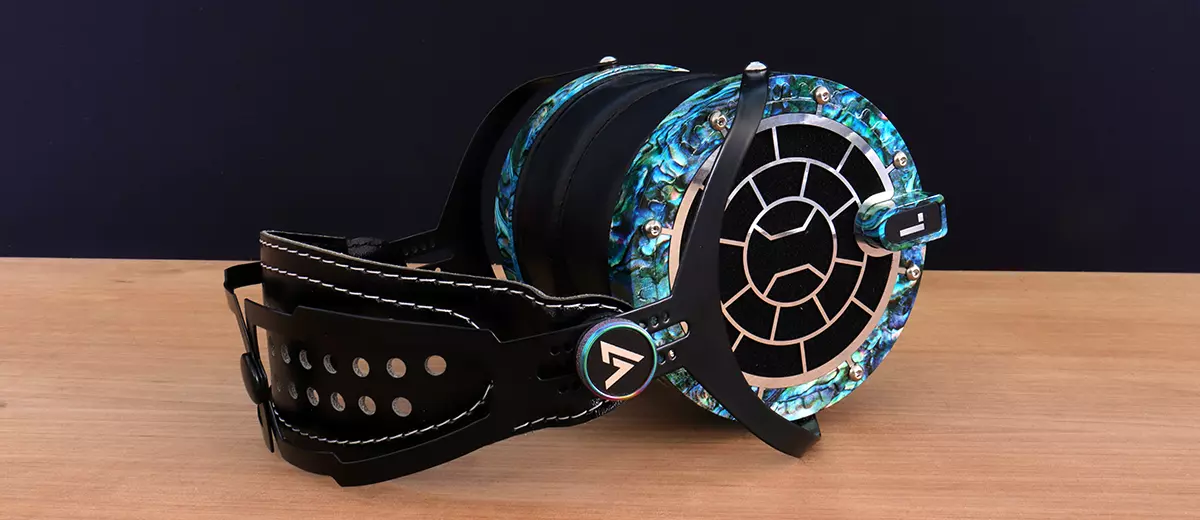
Testing the Verum 2 with the SMSL SU-X and SH-X combo, I was hearing some residual noise off this set on high gain when I rarely did previously with most of the headgear I ran through the setup.
The ideal gain level was at medium. Low gain produced a medium volume level at max volume.
The Verum 2 is not the most efficient headphone, but they don’t require lots of power to work optimally, because fortunately, they play well with DAPs and dongles.
I even got it to play at a decent volume level from an inline dongle like the one that comes with the Meze Audio 99 Classics Gen 2, which is an extremely low-powered device.
If you can drive them with that, you can drive them with practically anything you have in your audio arsenal. I think any dongle will work, especially off the balanced connection.
The Shanling UA7, a Questyle M18i, Sigma, Sigma Pro, of course, all would as well.
Pairings
I’m a solid state kind of guy, and that’s what the Verum 2 seems to like, just as most planar magnetic headphones do.
I tested the xDuoo TA-26 with the Verum 2, and there was not enough power to drive them. The low impedance does not help them with conventional tube amplifiers designed for high impedance.
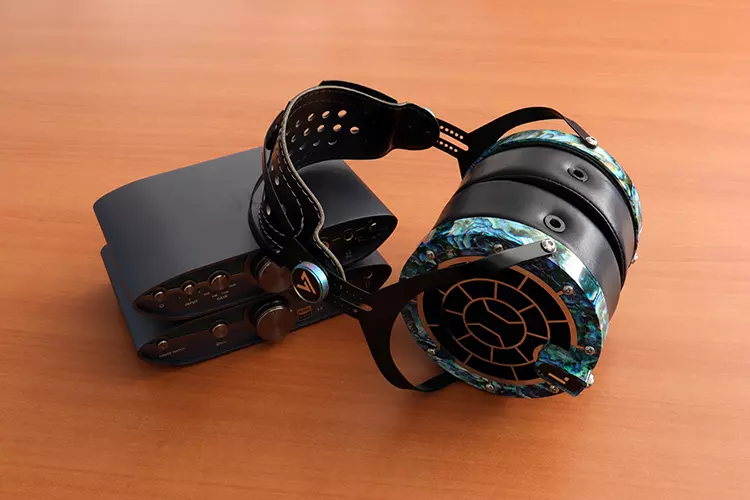
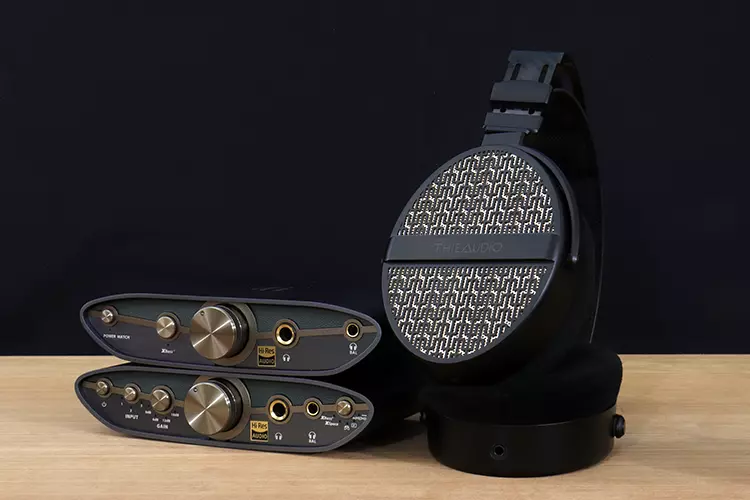
They tend to like solid-state amplifiers, like the SMSL SU-X and the iFi Audio ZEN CAN 3 and ZEN DAC 3 combo.
The NiPO A100 was also able to supply ample power and volume to the Verum 2, but it was not my preferred combo since it was too warm, and there was a loss in fine detail.
SGM chip-equipped gear like the ONIX Alpha XI1 also worked, and I preferred it over the Questyle M18i, but the Shanling UA7 sounded best over these other models in combination with the Verum 2.
I also got to use the Topping DX5 II with the Verum 2, and it also made an excellent combo.
The neutrality of the DX5 II’s bass gave this pairing a punchy sound with more speed and added definition. Especially so with the new firmware that uses DSP crossfeed to aid spatial enhancement and reduce in-head localization if you want a bit more expansiveness.
Selected Comparisons
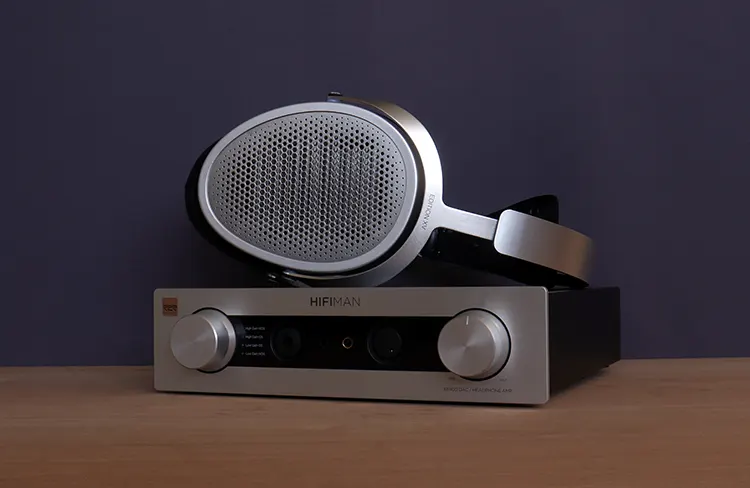
HIFIMAN Edition XV
Technical
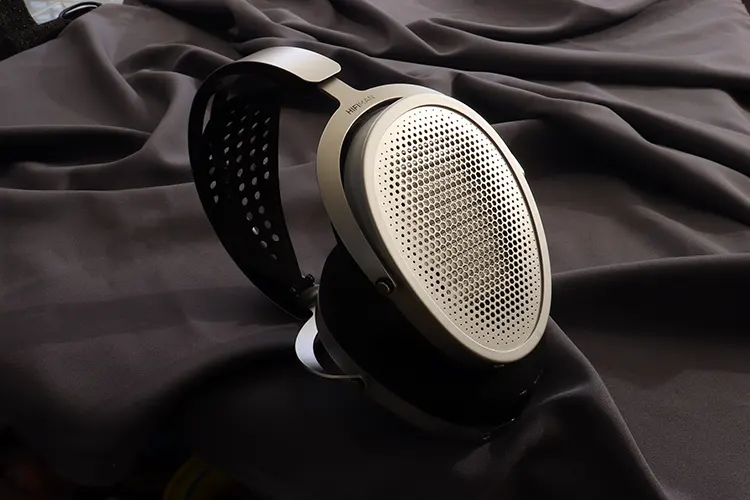
The HIFIMAN Edition XV is one of the most popular models in the sub-$500 tier today because it offers modern planar magnetic technology in a modern-day package and has lots to offer, sonically speaking.
Although it’s in the same lineage as the Edition XS, the XV is a totally different headphone in terms of looks and headband assembly. The XV employed a new look and one that’s unique, even within the HIFIMAN line in its entirety.
But some aspects did not change, including the asymmetrical and large cup design that is comfortable to wear, as well as giving the user a large sonic panorama that most HIFIMAN cans are known for.
They cater to those who want a large soundstage, which is a product of their oversized diaphragms.
Now, although the Verum Audio Verum 2 sports the more traditional round-shaped driver, it doesn’t mean there’s no complexity behind the driver.
A good look at the driver is a telltale that there’s more to it than just conventional design implementations.
Design
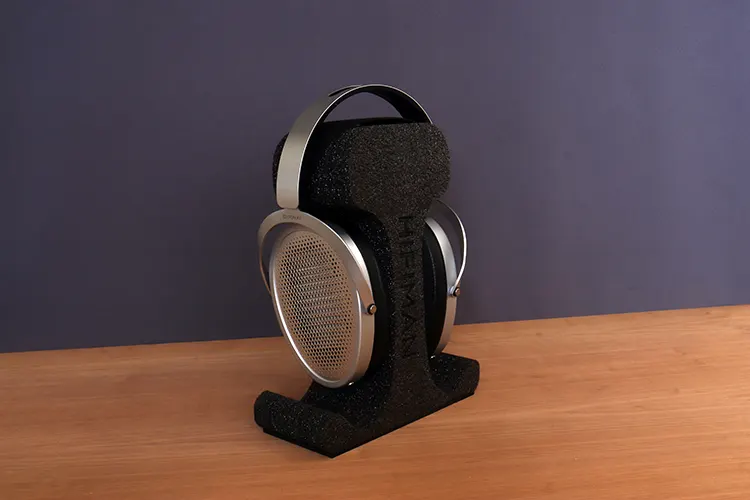
It’s no secret that HIFIMAN has had ups and downs when it comes to their headband designs. None can complain about their comfort level, but they have had short-lived designs due to reliability issues.
Their newly designed headband assembly shows promise. So far, of all the ones I’ve reviewed, none have shown signs of early degradation.
They seem to be holding up well. I’m expecting the day when I’ll have to replace the pads because their quality is not on par with the level they’re positioned at.
Verum Audio uses leather that tends to last longer, and doesn’t come apart like the usual pleather pads most manufacturers are installing on their headphones nowadays.
My major gripe with HIFIMAN is that if they only made their pads of this quality, they would win over customers in droves. But they haven’t jumped that hurdle yet.
Most people I talk to complain about the quality issues, but HIFIMAN stepped up their game with their newly designed headband.
I do ask HIFIMAN to never change their cup design. Their asymmetrical design is one of my favorite designs for comfort reasons and the driver size, which produces a large sonic panorama.
Another aspect is stock cable quality, which is another HIFIMAN weak spot. The Verum 2 comes with two cables that appear to employ a slightly higher standard when it comes to build quality, but not by much, to be honest. Plus, you also get two sets of leather pads with the Verrum 2.
Performance
Efficiency levels are the same here, but one of the first things I noticed was the larger aura around every element within recordings on Edition XV, and they also tended to produce a taller panorama of sound.
Their bass response has different characteristics in that the HIFIMAN XV has a fatter bass response that is more of an audible experience. Meanwhile, the bass response of the Verum 2 seems faster and harder-hitting in general.
The midrange is also a different experience with each of these headphones. The XV sounds wider and taller in general, while the Verum 2 offers an intimate experience that brings everything closer, mimicking a club-like experience over a concert hall panorama.
Personally, I like both presentations, as they produce relaxed high frequencies that tend to be preferable for long listening sessions and to prevent listening fatigue.
However, anyone who has read my short bio would probably guess that I prefer an intimate, punchy, club-like presentation over an ultra-spacious sound.
Then again, it depends on the music preference at the moment, or if you like big band, big orchestra, or large stadium presentations. I’d choose the XV for those reasons. Although there are larger-sounding headphones in the HIFIMAN line, the XV still produces a bigger picture of the input source.
But perhaps you want to party hard, slam on some tunes, but also want a more intimate experience, or one that has more emotion and inward impact, then the Verum 2 will produce those characteristics.
THIEAUDIO Cypher
Terchnical
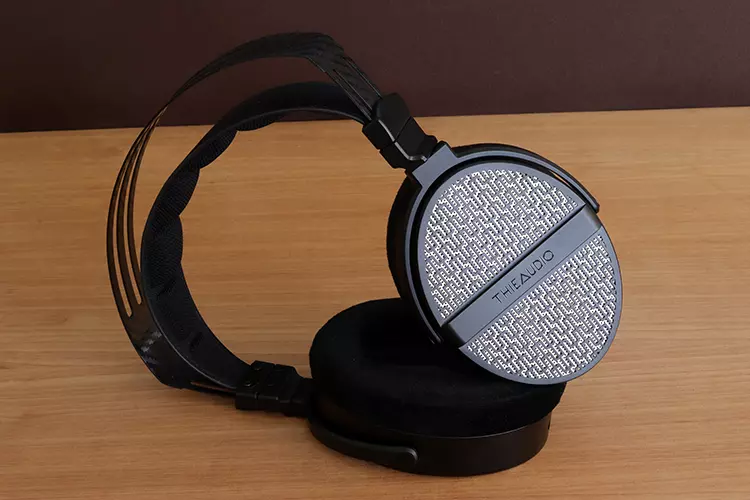
The THIEAUDIO Cypher is another new kid on the block that promises clean, monitor-like sonics in its sound signature alongside build quality. Which, in my opinion, is one of the nicest I’ve seen in this price tier.
The Cypher has a lot going for it. It takes the flagship position within THIEAUDIO’s lineup, but I have a feeling this is not the last time we’ll see THIEAUDIO introduce a full-sized headphone into the market.
Those who know me know that I always offer an antithesis headphone within my comparisons, and that’s the Cypher. It uses a 50mm custom dynamic driver with a semicrystalline polymer and rubber composite diaphragm and a unique core N25 magnet assembly.
Although the large differences in design, both models list an identical 96 db sensitivity rating.
The difference is that the Verum 2 has a very low 8Ω rating, while the Cypher has a more common 32Ω load rating. I think Verum 2 is almost as sensitive in real-world testing, almost.
Design
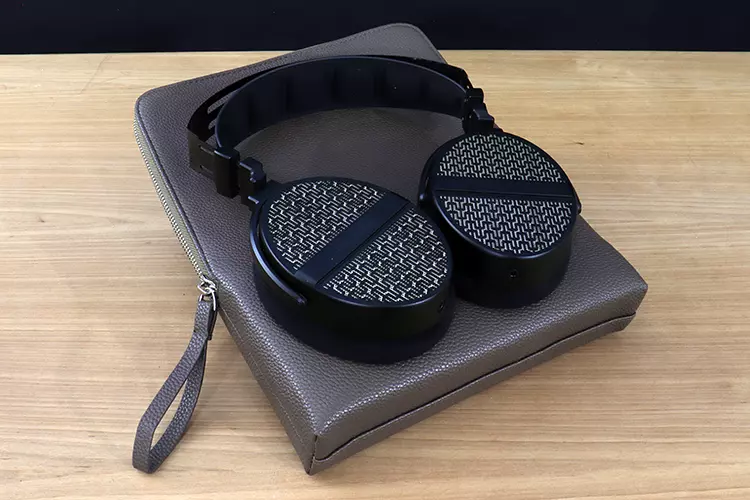
There are no plastic parts within the THIEAUDIO’s Cypher build, and most parts are made to tight tolerances, it seems. For example, the headband adjustment is a bit hard to execute due to the headband components’ tight fit.
The cups are also gorgeously decorated on the inside and out. I invite you to look at the fancified inner grill that protects the driver.
The Verum 2 uses a grille and foam on the outside, but no protection on the inner cup, except for some strips that seem to act as waveguides.
Some manufacturers use similar implementations to quell high-frequency peaks and such. However, Verum Audio seems confident that their driver performs well with no need to cover up flaws by using screens, foam inserts, or cloth filters to quell driver misbehavior.
Performance
The THIEAUDIO Cypher is certainly the brighter of the two by a small margin and seems to cater to the opposite ends of the spectrum. The Cypher produces pronounced highs, while the Verum 2 caters to people who like punchy bass.
The Cypher is a tactile-sounding headphone in that it brings forth lots of detail, and caters to that kind of crowd, but the Verum 2 is the more musical of the two, which can be listened to for longer periods of time due to the relaxed tuning of the high frequencies.
Both headphones present a forward midrange response that allows the listener to pinpoint instruments and individual vocals in choruses. They also share a similar intimate-sized soundstage, although I would consider the Verum 2 the larger-sounding of the two.
From top to bottom, I like the bass response on the Verum 2 more so since it tends to have impact and visceral energy behind things like kick drums and sounds that depend on attack and decay.
The Cypher produces a tactile bass response that prefers neutrality since they also tend to dislike any bass boosting, unlike the Verum2.
The funny aspect in this comparison is that the Verum 2 is just as efficient as the Cypher, but the Cypher prefers low-powered gear.
For example, it likes the Meze Audio Audio inline dongle that comes with the 99 Classics 2nd Gen, but the Verum 2 barely breaks a sweat with it and doesn’t produce a loud enough volume level on that dongle. The efficiency levels seem to rise evenly when switching to high power gear.
But the bottom line here is that there are two different tuning objectives within these two headphones.
The Cypher is at home with pros who use a DAW and want monitor-like abilities in a headphone. But there’s no doubt in my mind that you will find the Verum 2 to be the more musical and involving of the two.
My Verdict
I feel comfortable enough in public to say that the Verum Audio Verum 2 performance and build don’t equate to a sub-$500 set of planar headphones; it’s more within the $500-$1000 tier.
Leather pads, hand-rolled drivers, a general assembly that’s at the artisan level, and a punchy, energetic, and soothing sound signature that I can listen to all day long did it for me.
I can tell the Verum 2 was born out of a project of passion because I can sense their musical spirit, and I’m happy to include them in my arsenal of headphones. They will more than likely be used more often than others within my now extensive headphone collection.
Verum Audio Verum 2 Technical Specifications
- Driver: planar magnetic
- Style: open back
- Structure: double-sided N52 magnetic system
- Weight: 450g
- Resistance: 8 ohms
- Sensitivity: 96db/mW
- Membrane: 2µm film + 0.5µm silver
- Recommended amplifier: 0.5w @ 8Ω
