

Synergy
Efficiency
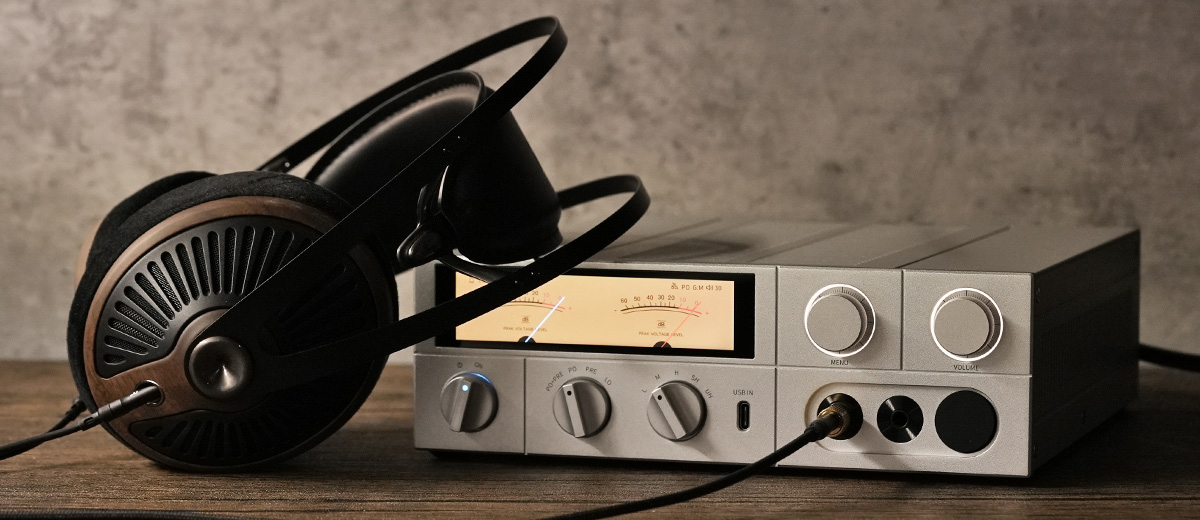
As mentioned, the 105 SILVA can be very easily powered by portable gear due to its high sensitivity.
Stronger outputs, such as pairing with a dongle, will offer it more power that can enhance the dynamics and outline the bass firmer, also further taking away sibilance in the upper vocal zone to sound more rounded.
When underpowered, there is a perception of “digital glare,” or a faint harshness that affects the vocal timbre and presentation.
While the design is open, noise doesn’t feel obvious when switching to mid or high gain listening outdoors, despite the high sensitivity rating.
With powerful outputs, you may not want to turn the gain high, or else the treble may come across too forward. Instead of providing more swing, better decoding, balance, and control will enhance performance.

Pairings
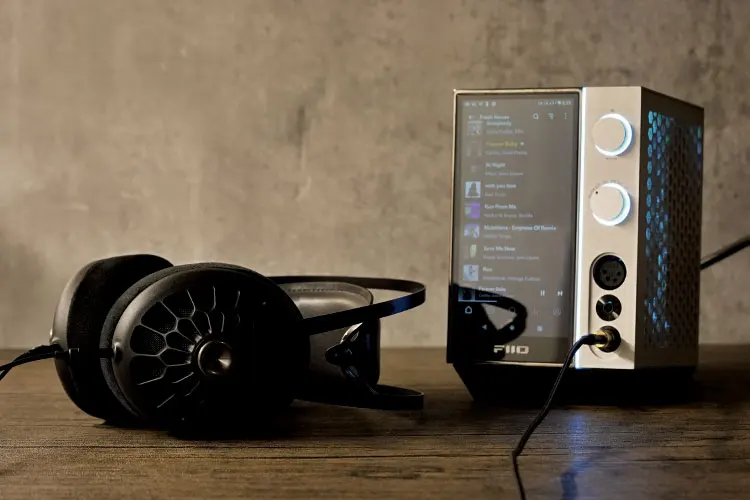
Just like the 105 AER, the 105 SILVA is also quite easily driven and is even easier to sound dynamic and firm as it stresses the transients more, giving a sense of stronger resolution even when plugged into laptops and dongles.
As I experienced with the 105 AER, the 105 SILVA pairs well with devices that emphasize richer mids, especially when the treble is more prominent this time.
Pairing with, for example, the Shanling EC Mini CD Player, introduces more warmth and body into the mid-lows. Similarly, the Shanling M8T thickens and textures the vocal body, enriching the vocal overtones while coloring the bass to sound meatier.
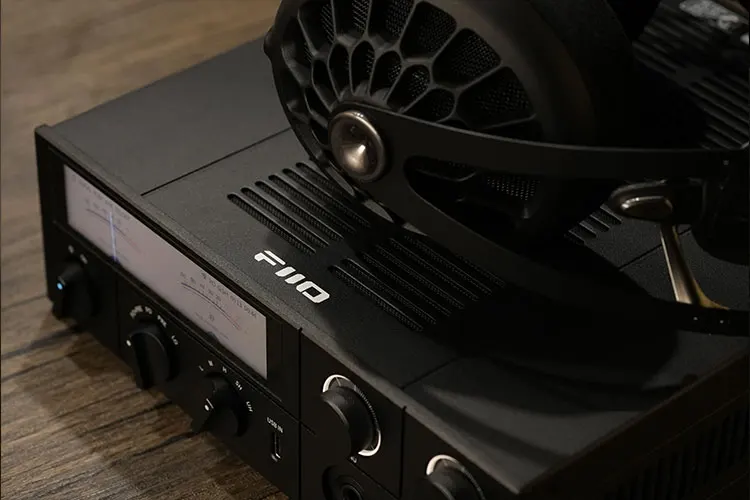
On the D&A Alpha Pro, the sound becomes denser and punchier in the mid-lows, enhancing overall articulation, layering, and dynamics.
Paired with the HiBy R6 Pro II, it also sounds delicate and more balanced. Harshness is nicely removed with just a bit of exciting sparkle that remains, which aligns nicely with the tight, impactful bass.
With the ADI-2 Pro, there is superior control, sounding tighter in the bass and enhancing the extension. The treble is nicely polished and smoothly extended, offering sufficient openness and resulting in a clearer vocal image than on the portable sources tested. The mids also sound more naturally positioned.
Using the supplied USB-C adapter, the performance is satisfactory, delivering adequate fullness in bass and clearly outlining the upper vocal frequencies, with a bit of sparkle that adds to the texture.
The mids feel a bit soft, and the extension, resolution, and firmness in bass are less impressive than with more powerful dongles. This is a free option that doesn’t consume much power on the phone, which could still be a decent option if you want to go light.
Select Comparisons
Meze Audio 105 AER
Technical
The specifications of the 105 AER and 105 SILVA are nearly identical, which is why the SILVA is as easily driven as the AER.
However, they involve different material designs and tuning. The new chamber also appears to offer more space between the meshes and the back of the driver, and its construction is more like that of the 109 PRO than of the 105 AER.
Design
The two headphones share the same framework design, but if you ask me which one looks more premium and classy, I will choose the 105 SILVA.
In addition to the blend of materials, there are fine details, such as the protection ring around the cable connectors on the ear cups, and the fitting between parts are perfectly executed.
Still, the 105 AER has a very artistic 3D design that is one of a kind, while the 105 SILVA is a more modern rendition of the same base design that I believe people would find more appealing.
Performance
The 105 SILVA has a rather different response, which offers greater penetration power by enhancing the intensity of the upper vocal range at around 5 kHz. This adjustment allows it to sound crisper, with tighter transient response, making it more effortlessly cut through mixes.
The 105 SILVA injects more sparkle and liveliness into the presentation compared to the 105 AER, which sounds smoother and mellower. When listening outdoors, the sound of the 105 SILVA remains clear and uplifting, and the 105 AER swifter and not as impactful.
While both headphones are terminated in 3.5mm, they offer an adequately open stage driven on the Hiby R6 Pro II. The 105 SILVA sounds punchier, and the mids are comparatively recessed. There is also more brilliance in the treble and a stronger sense of isolation and layering for vocals.
Whereas the 105 AER sounds more weighted in the mid-lows, positioning the vocalist closer, but isn’t as strong in vocal clarity, and delivers better naturalness without extracting as much detail on the two ends.
While both designs are responsive to power, the stronger technicalities and sharper tuning make the 105 SILVA more revealing and sensitive to the power fed to it.
It also improves clarity in the upper registers for strings and vocals when used on laptops or other sources, whereas the 105 AER may sound a bit softer when underpowered.
The 105 AER is more consistent in tone pairing with different sources, to give a more natural and smoother tuning, though it doesn’t get as exciting as the SILVA when more power is given.
And when listening in an environment that is not quiet, the 105 SILVA is preferable for its clarity and contrast, while the 105 AER sounds more relaxed with its swifter mids and flatter tuning.
FiiO FT5
Technical
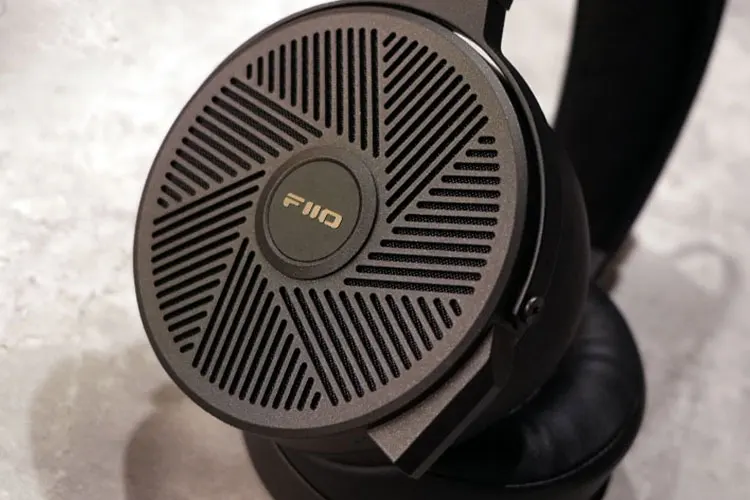
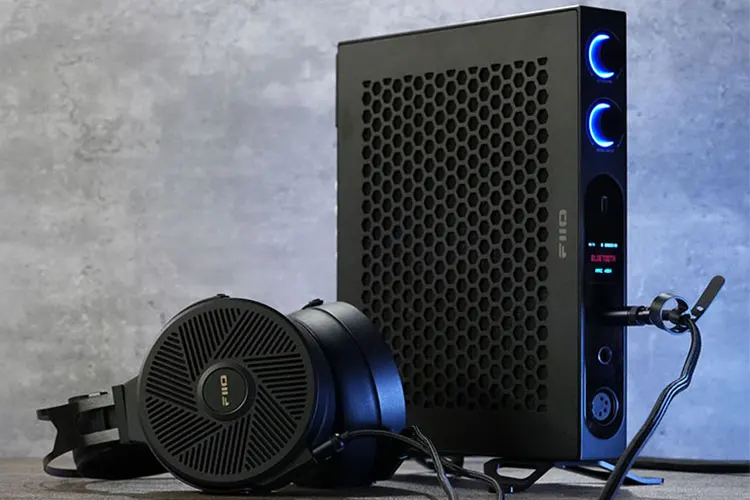
The FiiO FT5 features a 90mm diameter driver with a 6μm diaphragm and dual-side N52 Neodymium magnets that provide up to 1.5 T flux. It has an impedance rating of 36Ω and a sensitivity of 96 dB/mW (@1 kHz).
Compared to the 105 SILVA, it is significantly less sensitive, which is evident when driven by small dongles. Whereas the 105 SILVA sounds louder at low volume and more dynamic at the lowest gain, using a 4.4mm to 3.5mm converter for fair comparison on an SE output.
Design
The FiiO FT5 features numerous CNC-machined metallic parts in its construction, using a lightweight magnesium alloy. However, it weighs 456g, roughly 100g heavier than the 105 SILVA, making the latter feel much more compact for outdoor use.
The sci-fi-like design of the FT5 is impressive, with a hinge that rotates more freely, and its cable build is slightly superior. Both headphones feature self-adjusting headbands, which are equally nice.
When moving around while listening, the lighter weight of the 105 SILVA makes it less likely to fall off, and isolation is slightly stronger on the 105 SILVA than the FT5.
Performance
While the treble of the 105 SILVA may resemble that of Planar’s performance, it is notably more sensitive, allowing it to excel with portable sources and scale effectively with stronger decoding, particularly in the bass.
In contrast, the FT5 requires a controlled, powerful decoder for optimal performance; lower gain may not do it justice.
With weaker sources, the 105 SILVA demonstrates clear advantages over the FT5, sounding more dynamic and punchier in the bass while maintaining clarity in the upper vocal range.
Although the FT5 retrieves more texture in the bass and delivers faster, more powerful punches, it may feel comparatively flattened in staging when underpowered.
The FT5 does scale better with strong voltage swings, enhancing dynamics and firmness at both ends of the spectrum, but it is less forgiving than the 105 SILVA with low-powered desktop sources and portable gear.
The 105 SILVA requires robust decoding with ample current output to reach its full potential. I find that higher-grade decoders with lower gain or stronger current amplification work better with the 105 SILVA.
Whereas the FT5 benefits from stronger swings and current, needing a bit more warmth to sound natural. When underpowered, it sounds harsher in the sibilance zone.
Testing with the D&A Alpha PRO, one of the finer amplifiers in its price range, revealed that both headphones excel in outlining vocal details.
The 105 SILVA renders bass with greater fullness, firmer punch and air, while the FT5 interprets the vocal with better neutrality while keeping the whole picture upbeat with decent contrast.
I find the FT5 technically more proficient, though it doesn’t sound as natural or engaging across the frequency spectrum with the above pairings.
My Verdict
The Meze Audio 105 SILVA is a successful addition to the 105 series, featuring a more modern design and a refreshed, contrasting tuning that enhances its technical capabilities.
This distinguishes it from the more mellow, forgiving sound of the 105 AER, which does not emphasize transients as much. As a result, the 105 SILVA is particularly appealing for listeners who enjoy instrumentals, EDM, and house music that require clarity and energy.
The boosted clarity also enhances the listening experience for street use. Additionally, the inclusion of a USB-C adapter is a thoughtful touch for those who listen on phones and tablets, although I wish it could provide slightly more power for a meatier sound.
In my previous review of the 105 AER, I noted that the perceived resolution and transient performance could be improved. Meze has successfully addressed these issues with the 105 SILVA, which may even rival the performance of planar counterparts, especially in portable setups.
If you are looking for an attractive set of headphones with dynamic bass, good clarity, and sensitivity that allows it to sound clean and engaging with various sources, the efficient 105 SILVA is worth a demo.
Meze Audio 105 Silva Technical Specifications
- Driver: 50 mm Dynamic
- Membrane: Carbon fiber-enforced cellulose composite
- Impedance: 42Ω
- Frequency Response: 5 Hz – 30 kHz
- Sensitivity: 112 dB SPL/mW @ 1KHz
- Weight: 354 grams
