

Sound Impressions
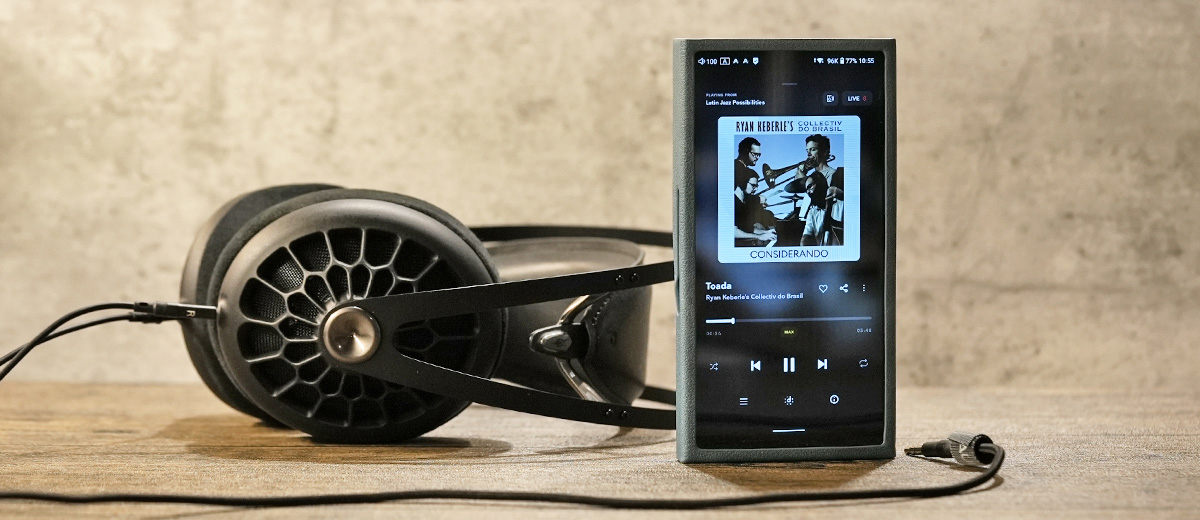
I gave the R6Pro II 2025 a week of burn-in and tested it with the Westone Audio MACH 80, Earsonics SWITCH 300 PRO, and the MOONDROP Venus to evaluate how the changes in power and decoding solution impact synergy, tonality, and perceived sound quality.
Summary
I was surprised by HiBy’s decision to release a 2025 version of the R6Pro II, given that the AK4499EX and AK4191 chipset combination remains among the top in the market.
However, the introduction of a flagship Cirrus Logic version is a welcome addition, offering an alternative sound profile and extended playback time.
Overall, the R6Pro II 2025 delivers improved resolution, denser mid-bass, better contrast, and a heightened sense of dynamics. It provides a clearer outlining of vocals and instruments, with greater emphasis on transients, increased bass intensity, and faster bass decay.
Vocal transparency and presence are more pronounced in this version, despite its fuller body, making the original R6Pro II sound calmer and smoother in the mids by comparison. The 2025 model feels more vivid and stresses the two ends overall.
The increased output power is noticeable in the volume, as it sounds louder at the same volume step compared to the previous generation.
However, for sensitive IEMs, the bass fullness remains similar. The higher power output particularly benefits dynamic IEMs, especially those with higher impedance.
Timbre
The R6Pro II 2025 retains the essence of the original R6Pro II but boosts its performance with increased output power, delivering a more robust and full-bodied sound with enhanced separation.
It emphasizes transients at both ends of the spectrum, resulting in a more contrasted presentation compared to the original. Vocals are outlined with greater clarity, and the bass delivers a more solid, faster attack with cleaner decay.
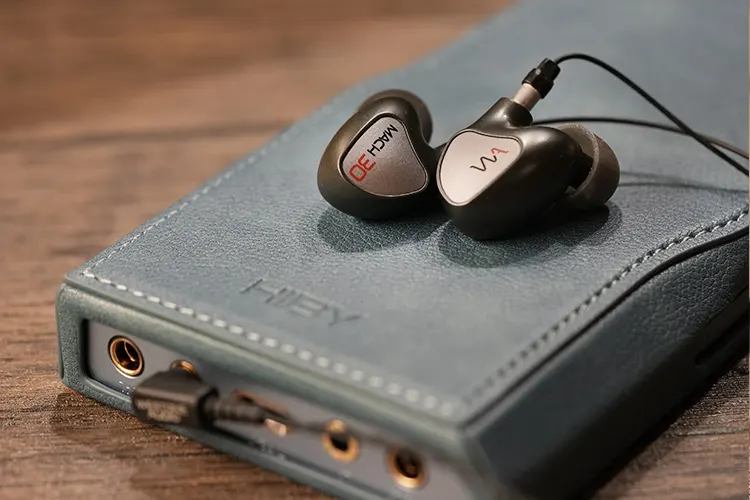
When tested with sensitive IEMs and BA-only designs, such as the Westone Audio MACH 80, the R6Pro II 2025 provides ample low-end power and rumble even at low to mid gain settings. The bass is presented in a clean, energetic manner, well-suited for genres such as EDM and House.
This change is consistent with higher loads and appears to be the most significant improvement HiBy aimed for in this new generation, as the original model was more limited to pairing with very sensitive gears, and felt slower and softer under higher loads.
Using Tidal to test with trending pop and 1980s Asian pop tracks, the R6Pro II 2025 demonstrates decent articulation from bass to mids.
Vocal separation improves as gain increases, pushing upper vocal frequencies forward for added air and brilliance, while bringing percussion instruments to the forefront.
Although the bass intensity is robust, the upper bass is smoothed to avoid overly coloring vocal frequencies, ensuring compatibility and control with a variety of vocal styles.
Staging & Dynamics
HiBy has enhanced the bass intensity in the R6Pro II 2025, resulting in a more extended and deeper soundstage, especially for IEMs that require additional power to fully open up.
The increased power in the lower register enables low to medium-impedance IEMs, particularly those with dynamic drivers, to sound more expansive, wider, and precise with accurate instrument positioning.
This is achieved while maintaining control, avoiding harshness in the treble, and preventing excessive bass emphasis.
The subtle boost in the bass, combined with a moderately fast response, enhances the presence of instruments like cellos, bass guitars, and darker vocal tones. This makes the R6Pro II 2025 well-suited for string quartets, unaccompanied vocals, and bass solos, to sound textured and engaging.
In scenarios with multiple bass instruments, it may feel slightly congested, but users can utilize the MSEB panel to adjust the bass recovery speed for a more controlled and cleaner attack, keeping the image for each instrument more distinct.
While the mids are rendered smoothly, they contribute to a deeper perceived soundstage. Compared to the shyer presentation of the original R6Pro II, the 2025 version feels more energetic and contrasted, offering a stronger sense of definition, openness, and vividness.
Synergy
Efficiency
Despite the increased power output, the R6Pro II 2025 maintains effective noise control, even at the highest gain level. When listening outdoors with sensitive gear, noise is unnoticeable.
A faint hiss may only be detectable with custom in-ear monitors, but it remains negligible. If hissing is perceived, it may indicate the need to switch to a lower gain setting.
Power
HiBy’s intent to double the output power in the R6Pro II 2025 is evident, addressing the demands of users who need greater dynamics on portable headphones, and more power-demanding in-ears, an area where the original model was more tailored to sensitive IEMs.
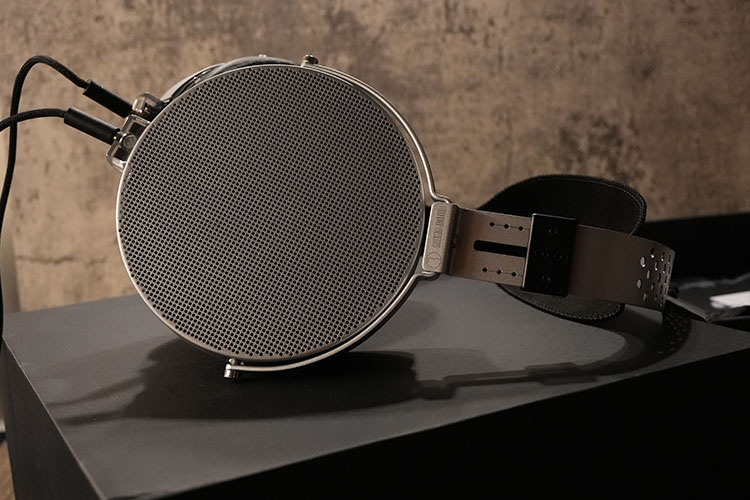
In side-by-side testing at the highest gain level with the MOONDROP PARA planar headphones, the R6Pro II 2025 delivers a more natural and impactful output, with better extension compared to the original, which sounds more reserved and softer in impact.
This enhancement broadens the versatility of the R6Pro II 2025, enabling it to handle moderately sensitive gear while offering improved resolution over the original.
Overall, the R6Pro II 2025 provides sufficient power for most entry-level to mid-tier IEMs, achieving not only a balanced but also a dynamic and expansive presentation.
The tuning cleverly enhances the perception of power by boosting the bass, allowing even multi-BA IEMs to deliver strong, well-defined low frequencies under a low gain setting.
Pairings
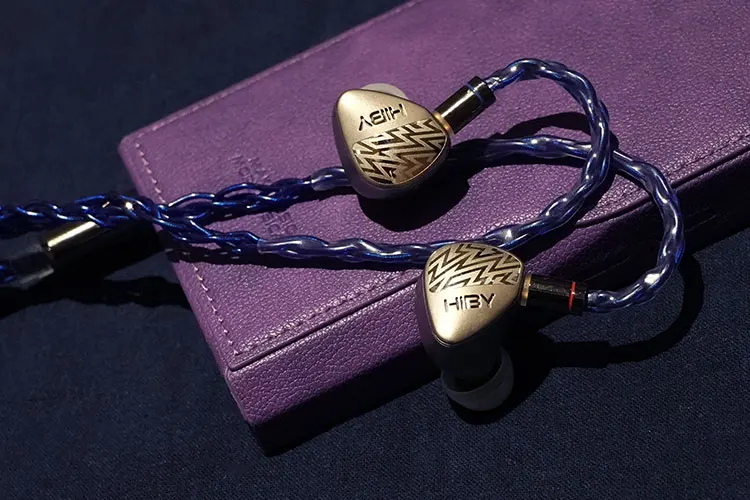
The R6Pro II 2025 offers greater flexibility compared to the original model, and I am testing it with the HiBy Zeta IEM, which is a sensitive design. It exhibits decent control, producing good contrast and vocal separation even when playing lower-resolution files and using low gain.
The warmth in the fundamental vocal frequencies is notable, and bass instruments come across as punchy and airy. Additionally, percussions have a nice brilliance and airiness without sounding overly harsh.
In Class A mode, the bass becomes punchier, and the overall sound is energetic and dynamic, featuring good musicality while maintaining tight and fast transients.
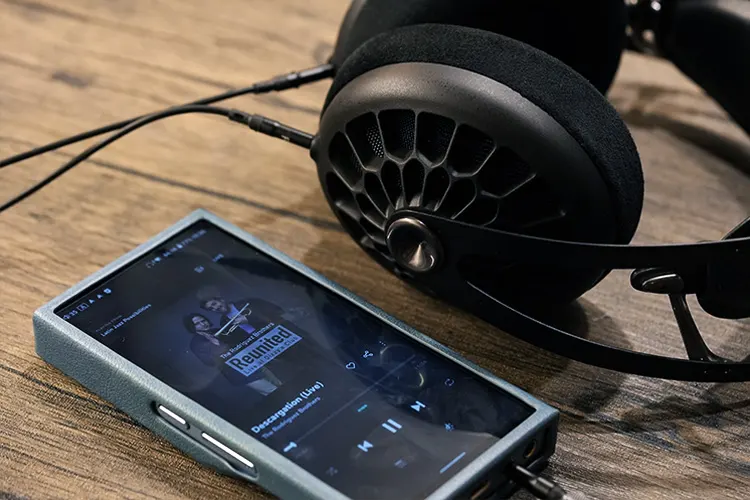
Given that the R6Pro II 2025 is more powerful, I am also testing it with portable headphones such as the Meze 105 AER and 105 SILVA.
I find the AER pairs better with the R6Pro II 2025 due to its ability to produce more rumbles and impart a warmer color to the overall output, which gives the mids a lusher timbre.
In contrast, the increased power and slight elevation in the treble allow instruments across that range to be clearly heard, enhancing their positioning.
With the SILVA, it becomes more exciting and cooler in tone, further strengthening vocal separation and allowing percussion instruments to cut through more energetically, while the vocals are outlined even more clearly.
Overall, the R6Pro II 2025 can deliver satisfactory power, and its tuning adds a touch of warmth to the bass while authorizing the vocal with better sharpness and penetration. This combination makes IEMs sound more dynamic and fuller in presentation.
When using higher gain, the vocal is pushed more forward, resulting in a more exciting top end that may become a bit hot. I prefer using mid-gain for IEMs, while higher gain works nicely with the 105 AER for those seeking stronger clarity.
Select Comparisons
HiBy R6Pro II (Original)
Technical
A little bit of repetition, the key difference between the original R6 Pro II and the 2025 version lies in the decoding solution, which has shifted from the AK4491 + AK4499EX to a newer dual CS4308P configuration.
This change allows for increased output power, as the new chipset is significantly more power-efficient. Additionally, HiBy has incorporated more RAM and ROM in the 2025 model.
The measurements have been enhanced in the 2025 version, although the original R6Pro II remains competent when paired with smaller loads. The effectiveness of each model largely depends on the specific pairing.
While the original version performs well with sensitive multi-balanced armature IEMs, the 2025 version offers a stronger character in its tuning, enhanced playback time, and increased power, making it better suited for average lower-end to mid-tier IEMs that scale more with power.
Design
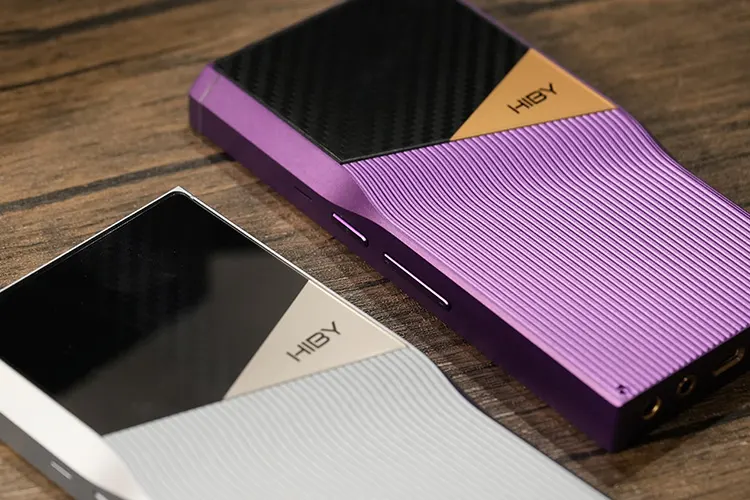
The two devices are basically identical, so I am not drilling into this part in any detail. The main difference is color; the original version is available in purple, but this time it is in light blue. There isn’t much difference when you snap on the leather case.
Performance
Comparing the Meze 105 AER with both models on mid-gain, the original HiBy R6Pro II presents nicely textured bass, well-articulated mids, and a well-rounded upper end.
In contrast, the 2025 version offers greater body and separation power, with a more forward treble. The higher output power, particularly in high gain and Class A mode, enhances the bass’s punch and presence, while also providing better vocal separation from the backing instruments.
With the R6Pro II 2025, HiBy has effectively balanced decoding quality and power delivery to the IEMs.
It is evident that as the load increases, the newer version is more versatile in providing sufficient power while maintaining good density and speed, especially in the lower frequencies, which I appreciated in the original.
The 2025 version retains some characteristics of the original’s tuning, likely due to a similar amplification design. The increased output power contributes to a clearer and firmer output, particularly when paired with dynamic technology-based designs.
When using sensitive IEMs like the HiBy Zeta, differences become apparent. The R6Pro II 2025 outlines vocals more clearly with stronger dynamics, whereas the original version offers a more coherent and articulated midrange, along with a smoother and denser timbre.
However, it lacks the resolving power and precise positioning of the 2025 model, which also features a marginally stronger bass intensity, making the bass line more engaging.
HiBy R6Pro MAX
Technical
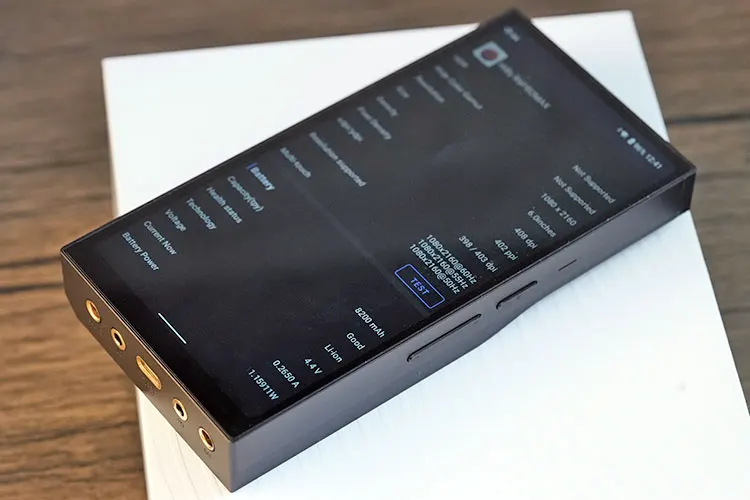
The R6Pro MAX was released after the R6Pro II, and it is evident that it builds upon the R6Pro II’s design, albeit with a thicker body that accommodates a larger battery.
This model can output a maximum power of 697mW for a 32-ohm load and utilizes dual 8-channel ESS ES9039MS Pro DAC chips, supporting DSD1024 and maximum decoding rates of 32-bit/768kHz.
While the operating system features are quite similar to those of the R6Pro II 2025 that I am currently reviewing, I will primarily focus on sound performance to compare how the slimmer R6Pro II 2025 measures up against the marginally more powerful MAX.
Design
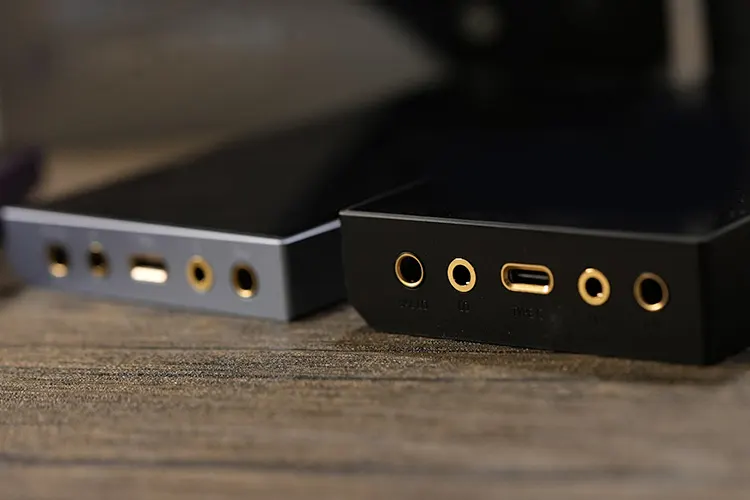
Although the R6Pro MAX is significantly thicker, it offers only around 9 hours of playback time on balanced output, which is about one to two hours less than the R6Pro II 2025.
This suggests that the power efficiency of the two designs differs, reflecting their distinct design philosophies and how much more power is going into amplification on the Max version.
Weighing in at 425g, the R6Pro MAX is close to double the weight of the R6Pro II, highlighting the latter’s advantage in portability.
Performance
I tested first with easy-to-drive gear, including the HiBy Zeta and Westone Audio MACH 80, to compare the two models.
Both follow a similar tuning approach, but the perceived quality is marginally better on the R6Pro MAX, which benefits from a stronger amplification design and greater power reserve.
The R6Pro II 2025 delivers good fullness, air, and depth in the bass for both IEMs, maintaining control at both ends of the spectrum and allowing the treble to extend swiftly with good air without sounding dampened.
In terms of bass firmness and raw power, the R6Pro II 2025 performs admirably, keeping pace with the R6Pro MAX, with both models offering a contrasty and dynamic output.
The R6Pro MAX excels at vocal separation, providing a more concise, textured, natural, and denser image, while the R6Pro II 2025 presents a more relaxing and smoother midrange, with both ends still feeling exciting and energetic.
Testing with the Westone Audio MACH 20 and MACH 30, which are both over 90Ω, reveals a clear advantage for the R6Pro MAX at mid-gain.
The texture and firmness in the bass indicate that the R6Pro MAX is better equipped to handle the current draw required for higher impedance loads that are sensitive to power.
The R6Pro II 2025 also sounds pleasing, offering sufficient dynamics. However, it may not feel as separated or as distinctively imaged. Still, the bass impacts cleanly, with good control in the upper frequencies that makes it engaging and defined.
Considering the R6Pro MAX is nearly double the weight of the R6Pro II 2025, I would recommend the latter for outdoor listening due to its portability. However, if you plan to listen at home as well and want a semi-portable device, the R6Pro MAX remains the stronger choice.
My Verdict
The mid-end market for DAPs can sometimes be overlooked when everyone is striving for bigger numbers. However, if your focus is on synergy, low to medium impedance IEMs, something you would really pair the DAP with, then ultra-high output power may be redundant.
The original R6Pro II excels with its organic presentation, particularly with sensitive IEMs and CIEMs. However, the R6Pro II 2025 offers extended playback time, enhanced power, and an alternative sound profile that is more contrasty and vivid, with improved resolution and technical capabilities.
This updated model allows higher impedance designs to scale better with its higher output swing, boosting the definition and dynamics, whilst sounding controlled and articulate.
Overall, few can match HiBy in terms of OS features and design. The R6Pro series continues to impress with its all-rounder approach, making it a standout choice in the mid-end DAP market.
HiBy R6Pro II 2025 Technical Specifications
- OS: Android 12
- Decoder: Dual CS4308P
- Decoding rate: DSD512 & PCM 768 kHz / 32-bit, MQA 16x
- Display: Size, 5.9″ IPS, 1080 × 2160
- RAM: 6 GB
- ROM: 128 GB
- Dimensions, 147.45 × 75.2 × 15 mm
- Weight, 283 g
- Battery Capacity, 5000 mAh
- Playback Time: Class AB mode: 3.5 mm PO: 12 h; 4.4 mm BAL.PO: 10.5 h / Class A mode: 3.5 mm PO: 8.5 h; 4.4 mm BAL.PO: 5.5 h
