

Synergy
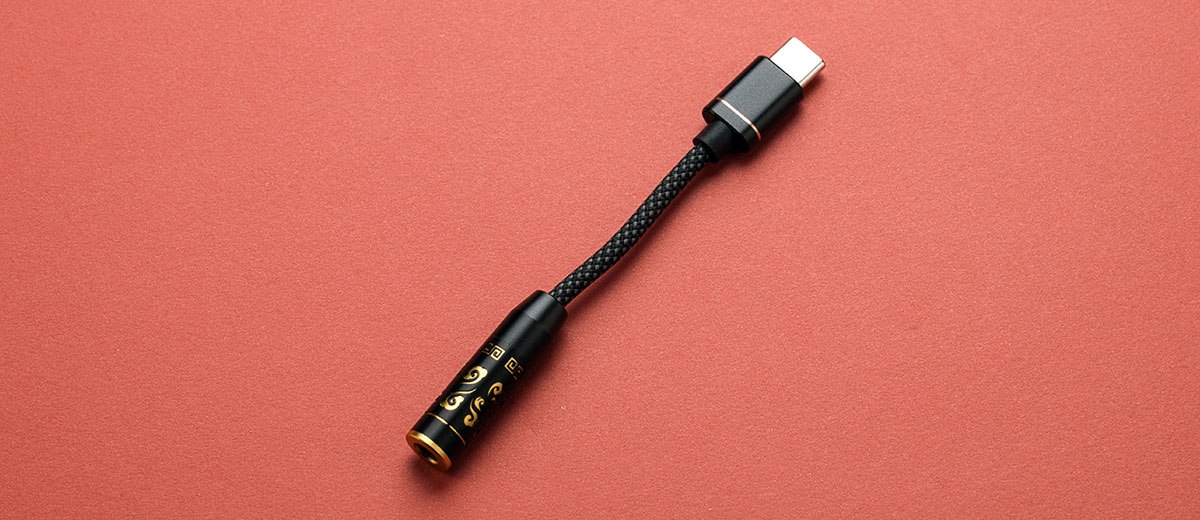
I never experienced any noise, clicking, or popping sounds with the JIEZI B when used with the IEMs and Headphones in this review, or with others not included in this review.
Without music playing, it remains quiet and radio interference-free when plugged into my phone with data, WiFi, and Bluetooth on.
It drove all my IEMs and Headphones loudly with the volume setting at 80 percent, except for the MOONDROP Harmon, which requires slightly more volume than the IEMs to sound as loud.
Still, for a small dongle DAC with a low power output rating, I was pleasantly surprised with its loudness.
IEM Pairings
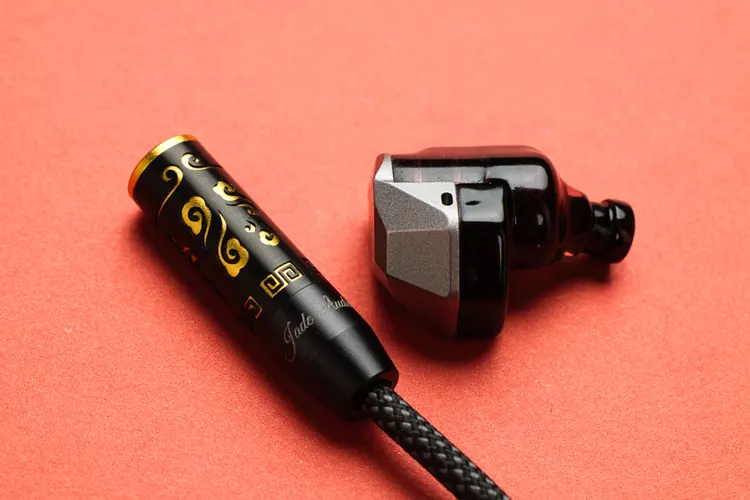
The JIEZI B pairs well with the MOONDROP Harmon and Kiwi Ears Etude, offering good sound, loudness, and dynamics.
However, I wouldn’t say that these pairings are optimal for the IEMs, as they benefit significantly from sources with more power and higher sound quality.
Still, I think the resulting sound is good enough for the listening the JIEZI B is intended for, which is casual listening, rather than critical listening.
I would have to say, though, that JIEZI B is more suited to IEMs that don’t have very high resolution
For example, the JIEZI B sounds the best with the MOONDROP Harmon, which is not very resolute and slightly forgiving-sounding. It made the Harmon less bassy and more vocal and treble-forward, which I like more than the darkish sound the Harmon usually has.
A similar effect can be observed to a lesser degree with the JIEZI B and Kiwi Ears Etude pairing; it makes the Etude more midrange and lower treble forward, which adds more presence to the slightly laid-back presentation of the Etude.
Regarding JIEZI B and Project M pairing, unfortunately, the revealing and highly resolving sound of the Project M exposes the coloration and congestion in the treble, which I discussed in the summary section above.
Headphone Pairings
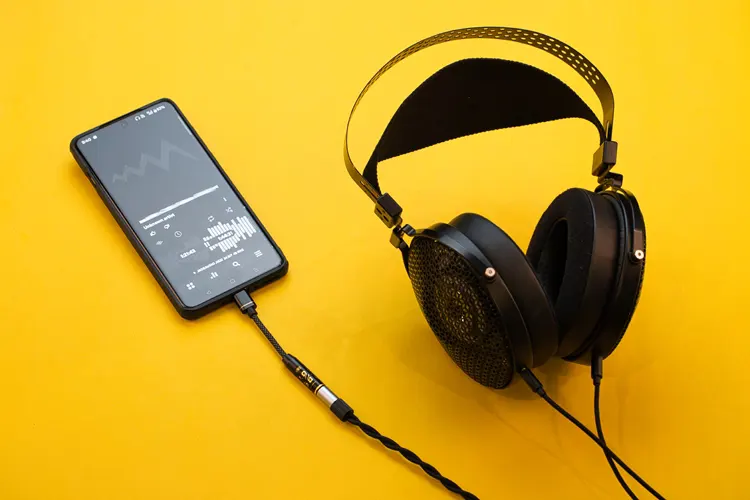
The MOONDROP Horizon is an easy-to-drive open-back headphone with a moderate impedance of 32Ω and sensitivity of 109 dB, featuring a 50mm ULT (Ultra-Linear-Topology) dynamic driver with a titanium-plated PEN polymer dome and liquid silica gel suspension.
The Horizon has a warm or slightly dark sound signature characterized by a boosted midbass, a relaxed upper midrange, and treble, with an energized upper treble that adds life to the top end.
The Horizon and the JIEZI B are a good pairing as the JIEZI B’s less-than-stellar resolving power is masked, or at least not made apparent, by the Horizon’s forgiving sound.
Plus, the extra energy in the upper treble of Horizon mirrors the JIEZI B’s laid-back upper treble, therefore balancing the sound nicely.
Thanks to the sensitivity of Horizon and the ease of loading it presents to the source, this pairing product produces a musically engaging and satisfying sound, despite the modest power output of the JIEZI B.
Selected Comparisons
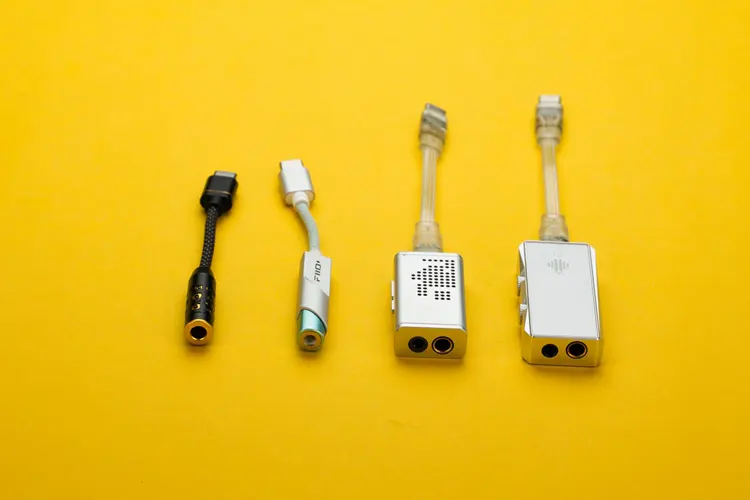
I set the volume at 50 to 80 percent to ensure that I wasn’t clipping the JIEZI B and adjusted the volumes on the other dongle DACs to a similar loudness before listening for the sound differences.
MOONDROP Dawn Pro
Technical
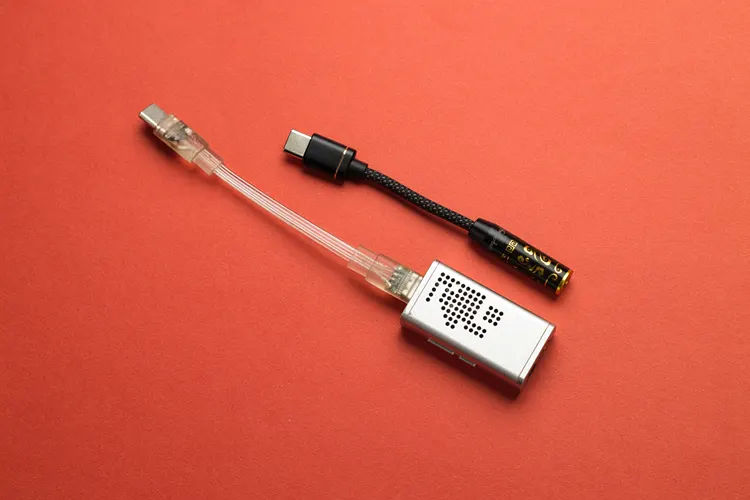
The Dawn Pro utilizes dual CS43131 DAC chips, offering a maximum output of 120mW through its 4.4mm output jack. The device weighs 13g and measures 42 mm x 22.45 mm x 12.39 mm in size.
Design
The Dawn Pro has an all-metal construction and a perforated front, finished in an anodized silver color. The design features a sci-fi, space-age aesthetic, with only two control buttons serving as volume controls on its side.
Performance
Both the Dawn Pro and the JIEZI B have a warm tonality where there is more low end than high end in their subjective response, but the JIEZI B sounds slightly darker with an apparent less upper treble presence.
The JIEZI B also has more coloration in the treble compared to Dawn Pro’s almost neutral treble sound.
In terms of sound staging, the Dawn Pro is superior, but not by a significant margin. Dawn Pro has a deeper soundstage and cleaner decay, but when it comes to width, they are about the same, which is average at best.
As I mentioned earlier, regarding the volume matching when staying within the power limit of the JIEZI B, it sounds more dynamic and contrasty, thanks to its energetic mid-bass and elevated lower treble response. The Dawn Pro sounds flat and dull by comparison.
Hidizs S9 Pro Plus
Technical
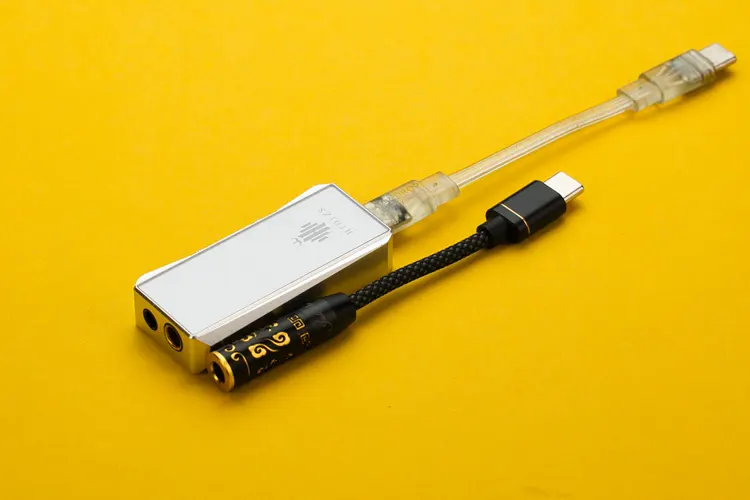
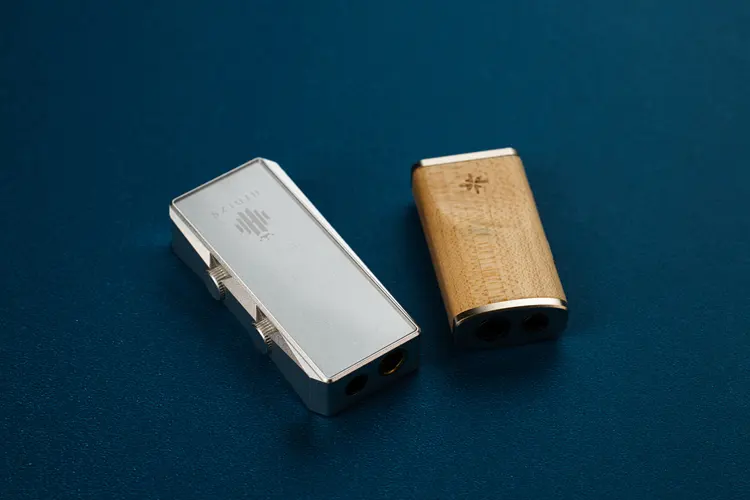
The Hidizs S9 Pro Plus utilizes an ES9038Q2M DAC Chip that supports up to 32-bit/768kHz PCM and Native DSD up to 512. It features an output power of 138mW + 138mW at 32Ω 3.5mm SE and 180mW + 180mW at 32Ω 4.4mm BAL. The device measures 55 × 25 × 11 mm in size and weighs 17 grams.
Design
The S9 Pro Plus’s body is CNC-machined from a solid piece of aluminum, sandwiched between tempered glass on the front and back. Available in black, silver, and blue-colored finishes. It has two buttons on the side, serving as volume control and multifunction control.
Performance
The S9 Pro Plus has an almost ruler-flat perceived frequency response, disturbed only by a slight hump in response between approximately 1 and 4 kHz. While the JIEZI B is V-shaped, with a boost in the mid-bass and lower treble.
The S9 Pro Plus offers more clarity and detail, with cleaner air and decay in the sound, making the soundstage deeper and broader than the JIEZI B by a significant margin.
The response hump in the S9 Pro Plus enhances the instruments and vocals, making them more forward in the soundstage, which improves the clarity and presence of both.
The JIEZI B has a laid-back, less detailed, and less resolved sound presentation compared to the S9 Pro Plus. However, I noticed that the S9 Pro Plus could sound thin and clinical at times, especially when paired with thin-sounding IEMs.
They are equally dynamic-sounding, despite having different tonalities. And with the right headphone or IEM pairing, both can sound remarkably engaging musically.
FiiO KA11
Technical
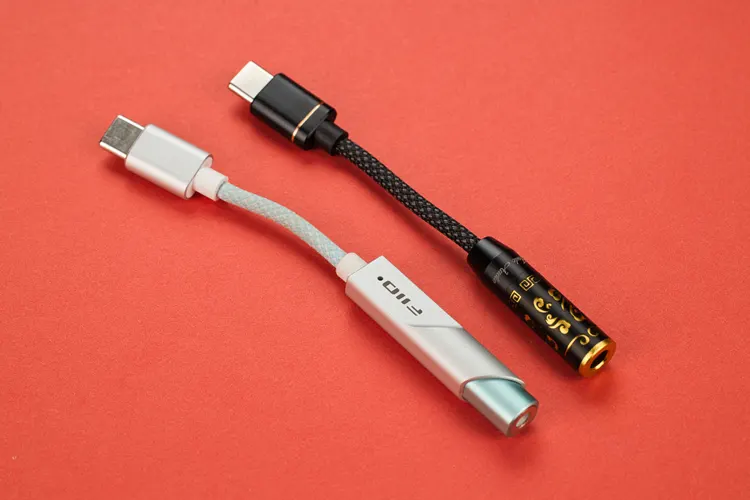
The KA11 is a compact, tail-style DAC/amplifier that features a Cirrus Logic CS43131 DAC and SGM8262 op-amp.
It supports high-resolution audio up to 384kHz/32-bit and DSD256 and offers output power of 245mW at 16Ω, 200 mW at 32Ω, and 22 mW at 300Ω.
Design
The KA11 features a sturdy and compact aluminum-magnesium body with a clean, sleek curve and flat surfaces, devoid of any control buttons.
The fabric braided cable is made of high-purity oxygen-free palladium-plated copper, designed for low impedance with interference shielding. My sample KA11 is silver, but it is also available in black.
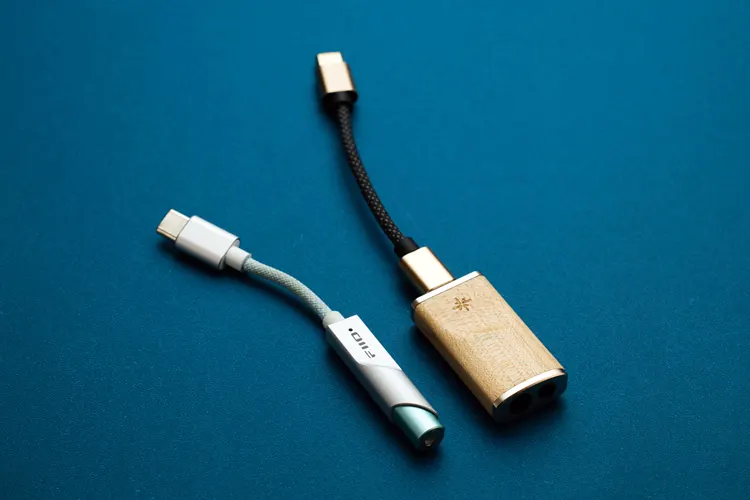
Performance
The JIEZI B and the KA11 sound very similar to each other; they sound almost identical, with only minor differences, such as the bass on the KA11 being slightly more controlled and the treble being somewhat less peaky and colored. Both have a V-shaped sound signature.
I find that the KA11 has a cleaner sound with slightly more detail and resolution, which gives it better staging and imaging.
However, both lack the upper treble clarity with the KA11 to a lesser extent, which robs them of those fine and delicate micro-details.
Having more power and similar tonality, the KA11 has a slight edge in dynamics despite listening to similar volume levels and staying within the power capability of the JIEZI B. The KA11 sounds more muscular and effortless than the JIEZI B.
My Verdict
I was initially worried about the FiiO JIEZI B’s modest power output rating, as it might not drive most of my IEMs and headphones properly.
That worry evaporated immediately, especially after updating the firmware; it turns out that JIEZI B can drive most of my IEMs and headphones vigorously.
I like the size, design, and the 4.4mm output jack feature, which makes JIEZI B a handy dongle DAC for up-to-date audio enthusiasts like me whose ecosystem of portable audio gear consists mainly of 4.4mm connections. I also like its built-in DSP EQ and energetic sound.
I am okay with the JIEZI B’s perceived mild V-shaped sound signature, as it adds energy and fun to most paired IEMs and headphones. However, I’m not so fond of its slightly hazy treble.
That said, I believe that the FiiO JIEZI B’s sound is flexible, thanks to its built-in DSP EQ, which will allow you to adjust its sound signature to better meet your preferences.
FiiO JIEZI B Technical Specifications
- Product Type: DAC and Headphone Amplifier.
- Input: USB Type-C.
- Output: 4.4mm (JIEZI B).
- Output Power: L+R ≥ 49mW+49mW (16Ω/THD+N<1%),
- L+R ≥ 34mW+34mW (32Ω/THD+N<1%).
- SNR: 104 dB.
- THD+N: 0.0034%.
- Output Impedance: <0.5 ohms.
- Decoding: Up to PCM 32-bit/384kHz, DSD 256.
- Weight: Approximately 6g
