

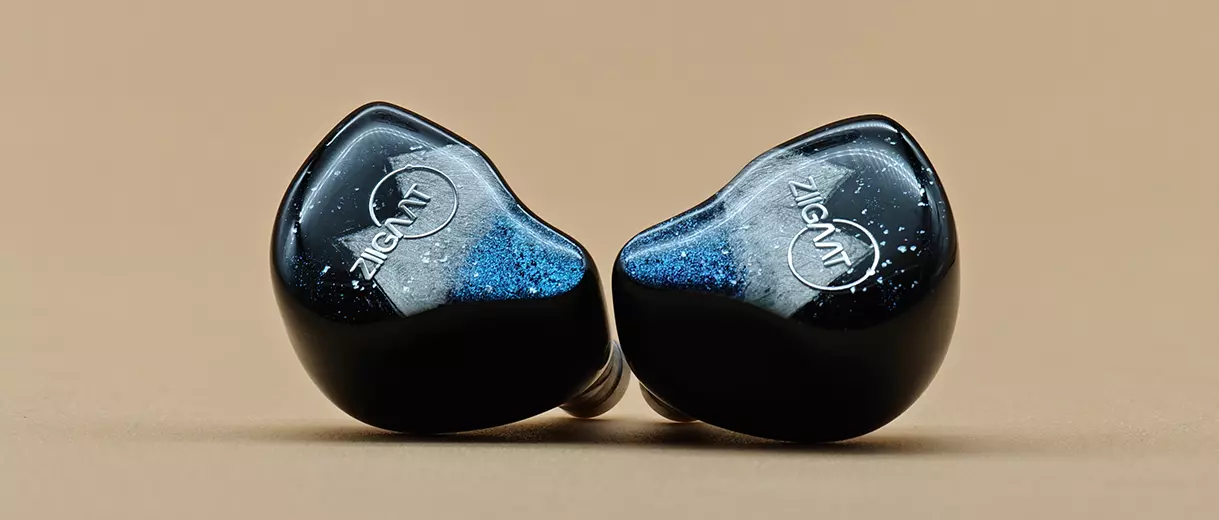
Synergy
Efficiency
The ZiiGaat Horizon has an impedance of 24Ω and a sensitivity of 102dB/mW, making it relatively easy to drive. A standard smartphone or basic dongle can power it to listenable volumes without much issue, though it does scale with better gear.
The modular cable is a key factor here, as switching to the 4.4mm balanced plug allows you to easily tap into more power from balanced sources.
This flexibility ensures that whether you have a simple 3.5mm source or a more powerful balanced amp, the Horizon is ready to perform.
At lower volumes, the Horizon sounds really balanced, with the frequency response feeling correct and cohesive. The lack of bass impact is less noticeable, and the treble integrates smoothly with the rest of the mix.
However, at higher volumes, the hint of sibilance gets revealed, making the listening experience more fatiguing. The treble energy becomes dominant, overshadowing the mids and bass and potentially causing discomfort.
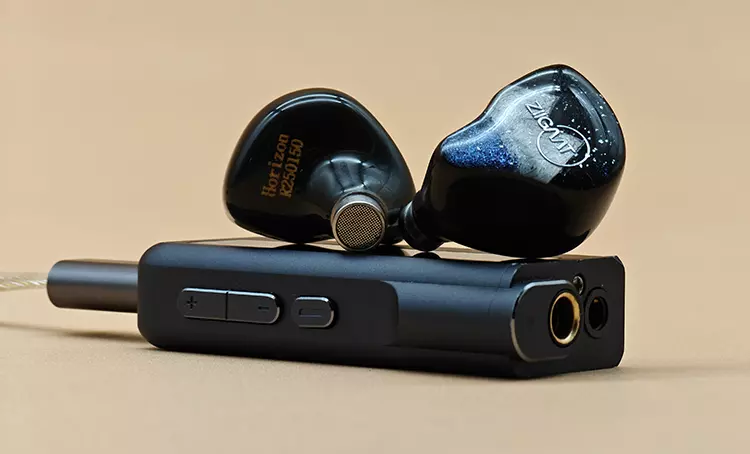
Pairings
Using a standard smartphone with a 3.5mm jack provides a decent experience. The sound is clear enough, but it lacks the dynamic punch and separation that dedicated sources can provide.
Using the FiiO JA11 easily reveals the sibilance issues found in the Horizon. This pairing pushed the treble too far forward, making the overall sound harsh and difficult to enjoy for long periods.
The HeartField R1, with its R2R warmth, proved to be a beneficial pairing for the Horizon. It added much-needed weight to the bass and midbass, helping to balance out the spicy treble and create a more organic listen.
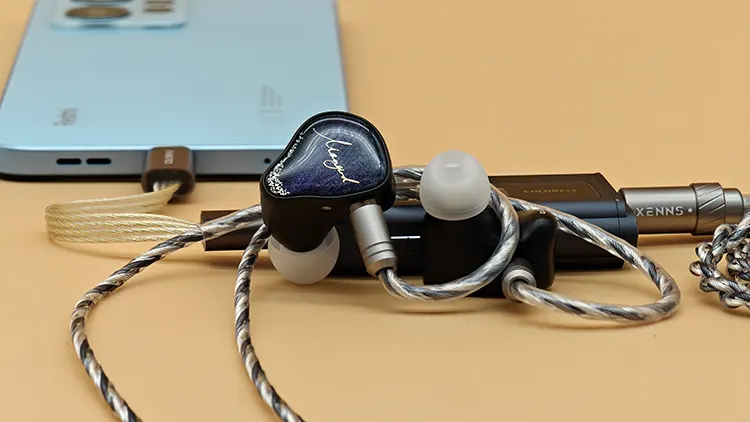
The Colorfly CDA-M2 offered a technical synergy, enhancing the already great soundstage and imaging capabilities. While it didn’t fix the tonal balance as well as the R1, it maximized the Horizon’s technical strengths for a very analytical experience.
Select Comparisons
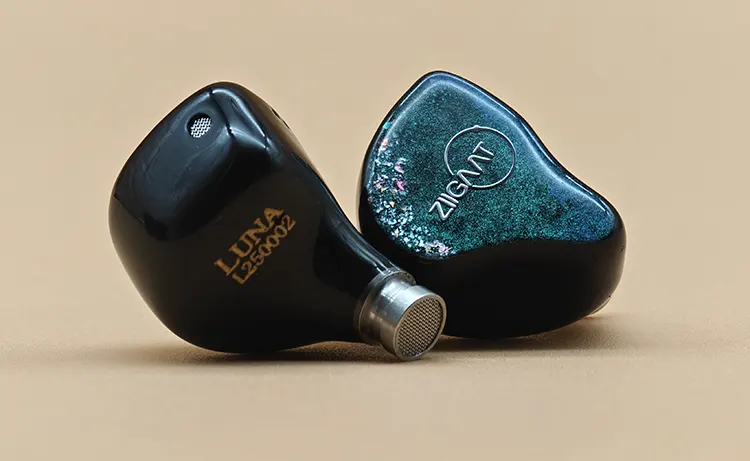
ZiiGaat Luna
Technical
The ZiiGaat Luna is their first attempt at a balanced armature design, moving away from the hybrids used in the Odyssey, Lush, and Arcanis.
Each side holds six drivers, split between Sonion and Knowles units that have become staples in higher-end setups.
For the lows, ZiiGaat used a pair of Sonion 39AY008 woofers. The midrange is handled by two Knowles 32873 units, while two Knowles 33518 tweeters are used for the highs.
Design
The faceplate of the ZiiGaat Luna takes on a hand-poured finish that resembles a field of flowers under shifting light. Each swirl and fleck is unique, giving it one of the most striking appearances among ZiiGaat’s releases.
The shell is a fully opaque black, made from imported medical-grade resin and 3D-printed for durability. Its glossy surface highlights the smooth contours and provides a seamless contrast against the colorful faceplate.
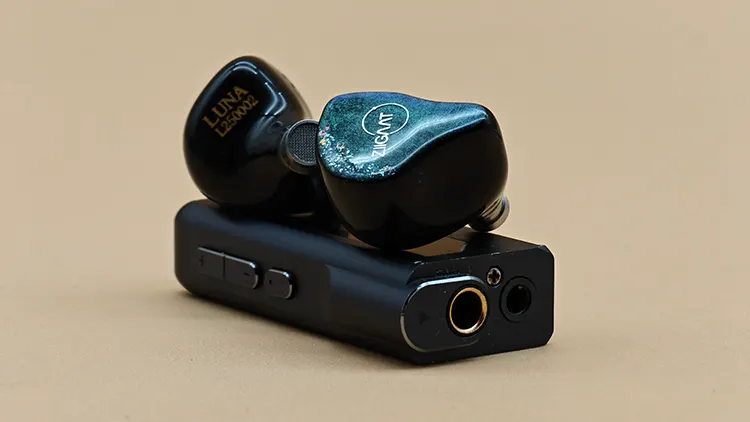
Performance
The Horizon takes the win for bass texture and decay, with its dynamic driver adding a natural sense of weight that the Luna cannot replicate.
While the Luna is faster and cleaner with its balanced armatures, it feels leaner and lacks the satisfying punch and air movement that the Horizon provides in the low end.
The Luna has a better midrange experience, which offers a more balanced note weight that feels effortless and correct.
The Horizon falls short here due to its lack of male vocal weight, making voices sound thinner and less grounded compared to Luna’s fuller presentation.
Treble is a split decision, where the Horizon wins on pure detail retrieval and extension thanks to its micro-planar drivers.
However, the Luna takes the win for refinement, offering a smooth and resolving top end that completely avoids the sibilance found on the Horizon.
Soundstage is a clear victory for the Horizon, constructing a holographic and three-dimensional space that the Luna cannot match.
While the Luna has precise imaging, its stage feels more traditional and confined to the head, whereas the Horizon pushes sounds upward and outward for a more immersive experience.
XENNS Mangird Tea Pro
Technical
The XENNS Mangird Tea Pro features a hybrid setup of two dynamic drivers and six balanced armatures.
Its dual 8mm dynamic drivers use a reinforced bio-composite diaphragm designed to deliver a cleaner and stronger sub-bass.
The six balanced armatures are an updated mix of Knowles, RAF, and RDB composite drivers, which were selected to improve the natural timbre.
This custom driver configuration was tuned based on feedback from the previous Tea and Tea 2 models.
Design
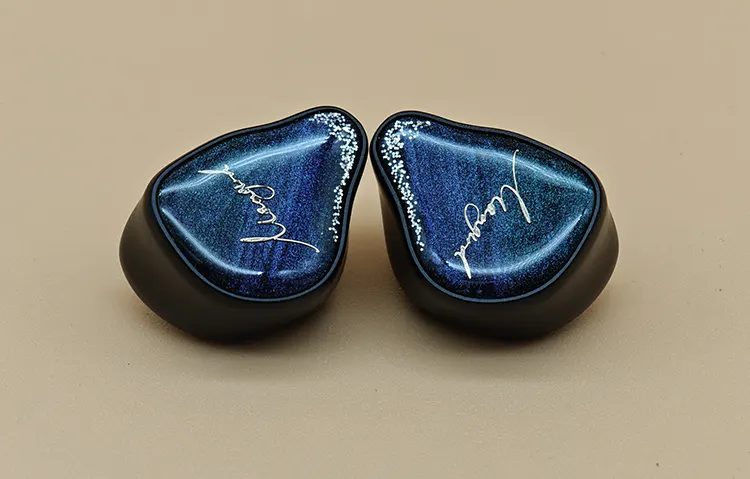
The Tea Pro faceplate uses a two-tone “Northern Lights” design that shifts between green and violet colors depending on the lighting. Tiny golden dots are scattered across the surface, and the “Mangird” name is printed in gold at the center.
In contrast to the vibrant faceplate, the shell is crafted from a simple opaque black resin. The “Tea Pro” name and left/right indicators are printed directly on the hump of the shell.
Performance
The Tea Pro brings more physical energy to the table with a stronger sub-bass rumble and punchier mid-bass, making it feel more engaging for bass lovers.
The Horizon, while competent, focuses on speed and control, lacking the sheer weight and authority that the Tea Pro delivers in the low end.
Bass quality is quite equal between the two, but the impact difference is undeniable. The Tea Pro simply fills the low end with more presence, whereas the Horizon keeps it leaner to avoid muddying the mix.
In the midrange, the Horizon takes the lead in clarity and detail retrieval, capturing vocal nuances that the Tea Pro keeps more subtle.
While the Tea Pro offers a lush and safe vocal presentation with good note weight, it doesn’t match the transparency and clarity of the Horizon.
The Tea Pro is slightly more pushed forward in the mids but has noticeably less clarity than the warmer but cleaner Horizon. This makes the Horizon feel more resolving, even if the Tea Pro has a safer, smoother tonality.
Treble performance is an easy win for the Horizon, as it gives great extension, strong detail retrieval, and proper airiness thanks to its micro-planar drivers.
While the Tea Pro has good treble performance, it finds it hard to compare with the detailedness of the Horizon all around, winning only in sibilance control.
Staging is where the Horizon truly shines, offering better width, height, and depth control for a more holographic experience.
The Tea Pro has good width but lacks the verticality and precise imaging that the Horizon achieves effortlessly, making the Horizon the superior choice for spatial immersion.
My Verdict
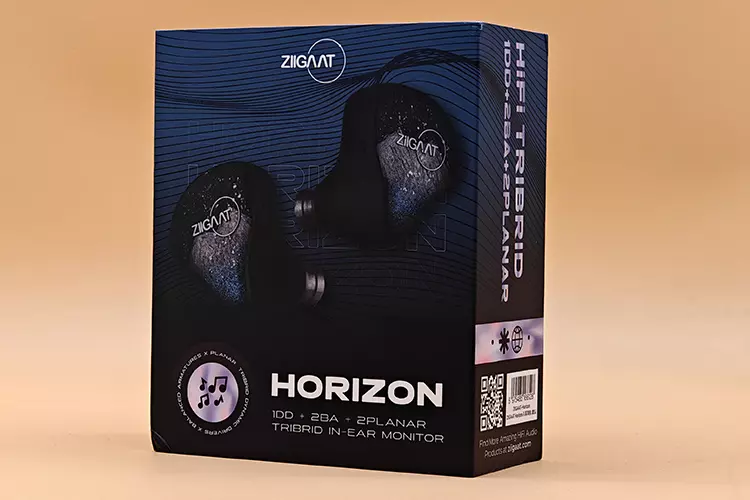
The hybrid ZiiGaat Horizon IEM offers a technical performance that punches well above its price point. Its combination of a spacious, holographic soundstage and good treble extension makes it a unique offering in the company’s lineup.
It delivers a technical experience that rivals more expensive sets while maintaining a level of musicality that keeps it engaging. The Horizon stands as ZiiGaat’s most resolving IEM to date, without sacrificing the fun element.
ZiiGaat Horizon Technical Specifications
- Driver Type: One (1x) 10mm bio-cellulose dynamic driver, two (2x) Knowles balanced armatures, and two (2x) custom micro-planar drivers
- Plug: 0.78mm 2-pin with modular 3.5mm and 4.4mm termination
- Frequency Response: 20Hz – 35kHz
- Impedance: 24Ω @ 1kHz
- Sensitivity: 102 dB/mW @ 1kHz
