

Synergy
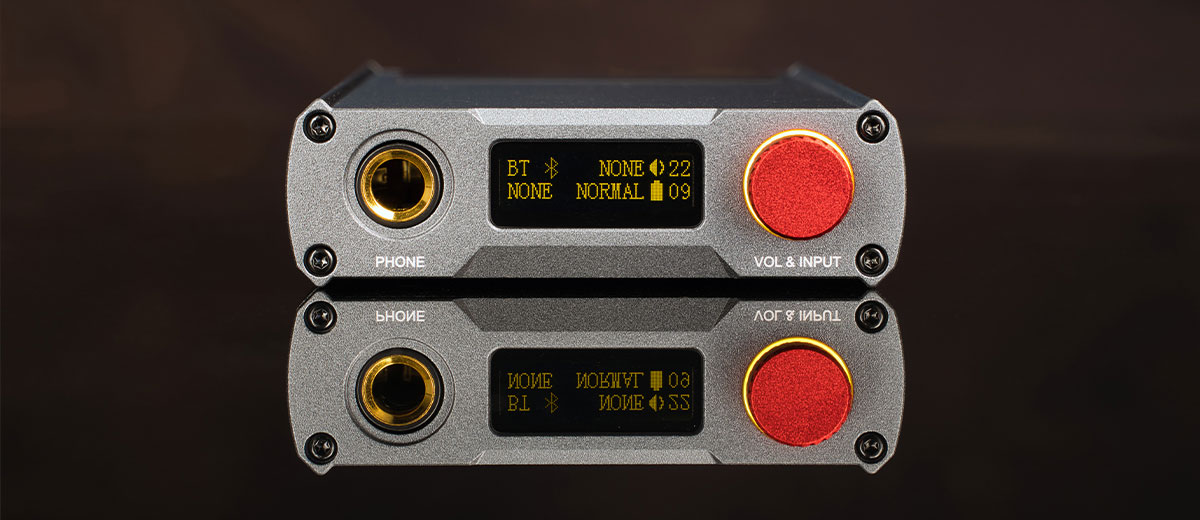
I used the XD05 Basic2 with the MOONDROP Harmon, DUNU Falcon Ultra Ti, the Kiwi Ears Astral, and the Sennheiser HD 6XX headphones with my Samsung S21 Ultra Android phone as my source.
There’s no noise when no music is playing with the IEMs and headphones when they are at the table, sitting side by side.
However, I can detect faint and negligible noise with the IEMs when I put the phone on top of the XD05 Basic2 with WiFi, data, and Bluetooth turned on. It is very faint and almost inaudible.
It effortlessly drives all the IEMs to uncomfortable volumes. However, regarding the HD6XX, the volume control had to be near the maximum for a satisfying loudness.
IEM Pairings
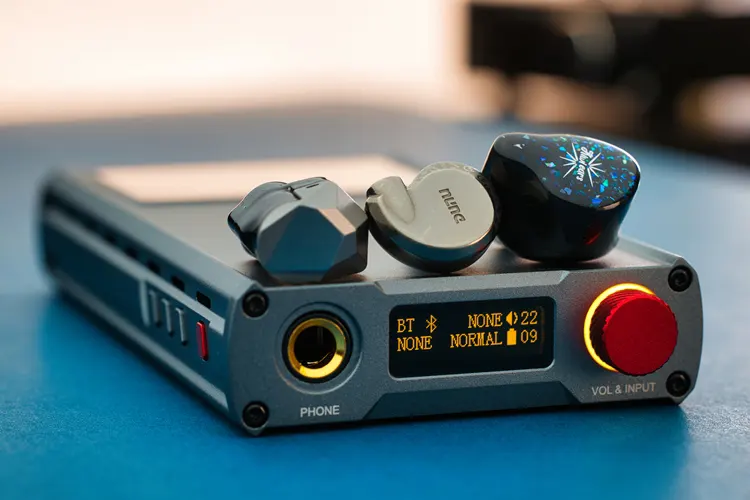
With the MOONDROP Harmon and its low sensitivity and below-average 19-ohm impedance, I must increase the volume 50 percent more than my usual volume settings.
The bass isn’t as tight as I liked; it is elevated and slightly boomy. It seems the XD05 lacks bass control.
It sounds lush and musical in the midrange, meaning it is warm and inviting, not overtly clean and analytical. The treble is extended with good micro-details and gentleness in its textures; it has a good sense of air with laid-back presentation.
This pairing is not ideal as the XD05 Basic2 struggles to control the bass in the Harmon.
A noticeable warmth is added to the sound when paired with the DUNU Falcon Ultra Ti. The bass isn’t the punchiest, but there is reasonable control and no lack of power due to the easy-to-drive characteristic of the Falcon Ultra.
The midrange is lush with an analog style presentation; it has plenty of details but is not aggressive. The treble also has this analog sound with plenty of details, but a soft textured presentation.
The DUNU Falcon Ultra Ti and the xDuoo XD05 Basic2 pairing is good. There is lovely harmony between the two, and no audible struggle; they sing together well.
Lastly, with the moderately U-shaped sounding Kiwi Ears Astral. There is a noticeable reduction in the sub-bass and upper treble. Making it sound more neutral.
By far, this is the best IEM pairing in this review for the XD05 Basic2. It sounds detailed but not fatiguing, warm and realistic, and the bass has excellent details and articulation, making the sound very musically engaging.
Headphone Pairings
This review has only one headphone: the Sennheiser HD 6XX, a well-known, difficult-to-drive headphone, to test the XD05 Basic2.
There is a reduction of bass presence, and the bass is not well-controlled; the midrange is good, but the treble loses some sparkle. Needless to say, I wouldn’t recommend this pairing; the XD05 Basic2 changes the sound of the HD 6XX negatively.
Selected Comparisons
I’ve tried several IEMs with them, but I mostly used the Kiwi Ears Astral for the XD05 Basic2 comparison.
Muse HiFi M5 Ultra
Technical & Design
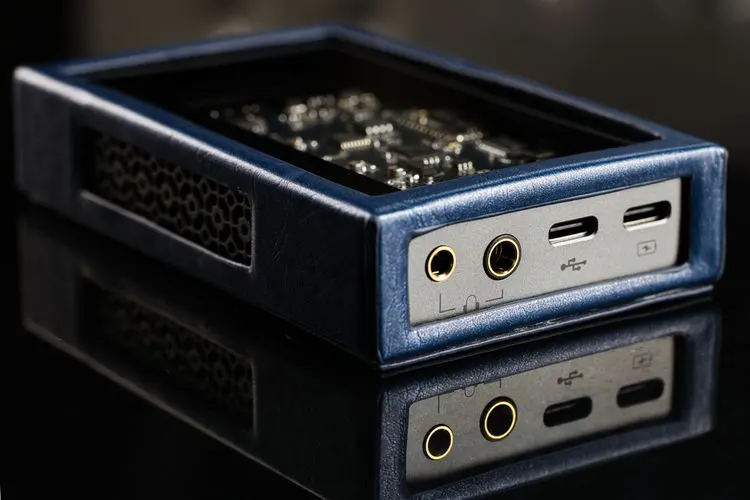
The M5 Ultra is a Bluetooth DAC/amplifier with a selectable vacuum tube output stage using a pair of JAN6418 tubes.
An ES9038Q2M DAC chip converts the digital audio signal to analog, and a Qualcomm QCC5125 Bluetooth Chipset for Bluetooth connection, with about 400 mW of output power per channel and a 3000mAh battery capacity for 10 plus hours of battery life.
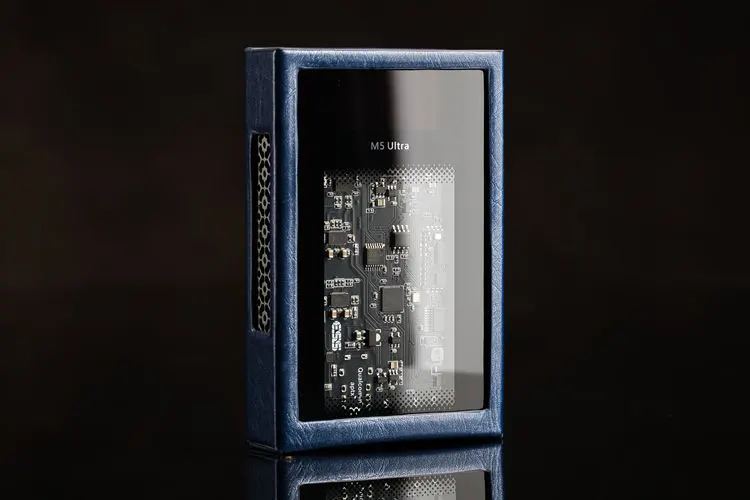
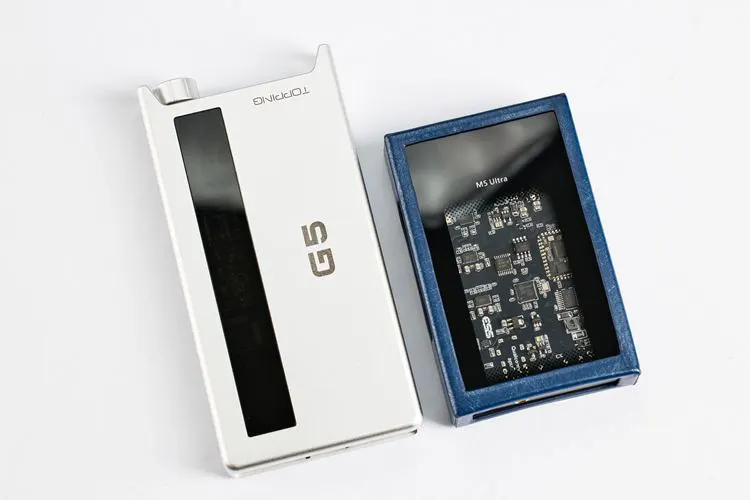
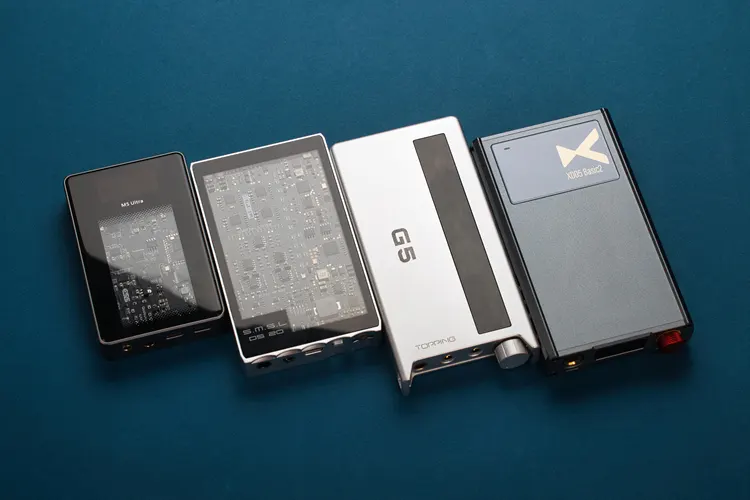
It’s a solid aluminum alloy sandwiched by two tempered glass panels on the front and back. With vents for the tubes on the left, I/O at the bottom, and all the controls on the right. A window on the front shows a small display screen near the top and the circuit board below.
Performance
The Muse HiFi M5 Ultra is similarly analog-sounding to the XD05 Basic2. Still, the better bass control and the more neutral tonality make it more versatile when pairing with various IEMs and music genres.
The M5 Ultra has better detail retrieval by a small margin, a bigger soundstage, and longer perceived instrument decay.
On the other hand, the sound presentation of the XD05 Basic2 is more analog-like, with more defused instrument presentation that allows you to enjoy the song for its organic musicality, more so than with the M5 Ultra, if that’s your trip.
Topping G5
Technical & Design
The Topping G5 is a Bluetooth DAC/amplifier that uses an ES9068AS DAC chip, an NFCA headphone amplifier with 1200 mW power per channel, a QCC5125 Bluetooth chip, and a 4000 mAh capacity battery with up to 10 hours of battery life.
A clean-looking silver chassis with a small tempered glass window at the front, with the I/O and controls at the top and bottom.
Performance
The G5 is the opposite of the XD05 Basic2 regarding sound character. The Topping G5 is very neutral and has a flat perceived frequency response.
It has excellent bass control to the point of making the bass sound lacking in life or fun, compared to the slightly boomy and less controlled bass in the Basic2.
The midrange is coloration-free and has a clean and near-sterile presentation, while the Basic2 is slightly fuzzy or veiled, with musically engaging sound.
The treble is more detailed and resolved with the G5, but sounds analytical in comparison to the less detailed sound of the Basic2.
SMSL DS20
Technical & Design
The SMSL DS20 is a DAC/amplifier that uses 4 x CS43131 DAC chips, a PLFC fully balanced ear amplifier circuit design with up to 500 mW of output power per channel, and a 6000 mAh battery for 10 hours plus of battery life per charge.
A clean-looking, solid piece of machined aluminum alloy with a tempered glass front panel and all the I/O and controls at the bottom.
Performance
The SMSL DS20 is a modern DAC/amplifier incorporating some analog traits, without sounding too detailed and analytical. It sounds neutral and has a more forward presentation compared to Basic2.
It has a more powerful and controlled bass sound, with an equally lush and coloration-free midrange compared to the slightly boomy bass and analog-veiled midrange of the Basic2.
It has a more forward and vivid-sounding treble, with more details and resolution, compared to the laid-back and less resolving treble rendition of the Basic2.
The SMSL DS20 has a bigger and wider open soundstage, but the xDuoo D05 Basic2 has a more intimate and realistic soundstage, like listening to a live performance in a medium to small venue.
My Verdict
With wired and wireless capability, and a replaceable op-amp feature, the potential to change the sound makes the xDuoo XD05 Basic2 an excellent value for money portable DAC and headphone amplifier, and could start you on a delightful journey into the rabbit hole of op-amps.
Regarding its analog-style rendition of the sound, it is not 100 percent to my taste, but I like it occasionally.
For people tired of sterile, digital sound and who want analog sound for variety in their collection, I suggest they try the xDuoo XD05 Basic2; this could be the one they are looking for.
xDuoo XD05 Basic2 Technical Specifications
- Battery: 7V / 3000mAh
- Battery life: 11 hours (USB In), 15 hours (Bluetooth In)
- Charging time: 3 hours (fast), 5 hours (slow)
- DAC chip: CS43131
- PCM: 16–32bit / 44.1kHz–384kHz
- DSD: DSD64–256
- MQA: 8x unfolding
- Bluetooth 5.4 LE Audio: LC3, aptX Lite, aptX_AD,SBC, AAC, aptX, aptX_HD, aptX_Adaptive, aptX_Lossless, LDAC
- Headphone out: 750mW @ 32Ω, THD+N 0.0006% @1kHz, SNR 124dB, Crosstalk ≥74dB
- AUX out: 2.0Vrms, THD+N 0.0003% @1kHz, SNR 124dB, Crosstalk ≥107dB
- Gain: +0dB / +6dB
- Bass boost: 0dB / +6dB
- Screen: 0.91″ OLED
- Dimensions: 5.5″ x 2.95″ x 0.9″ (13.9 x 7.5 x 2.3cm)
- Weight: 61 oz (244 grams)
