

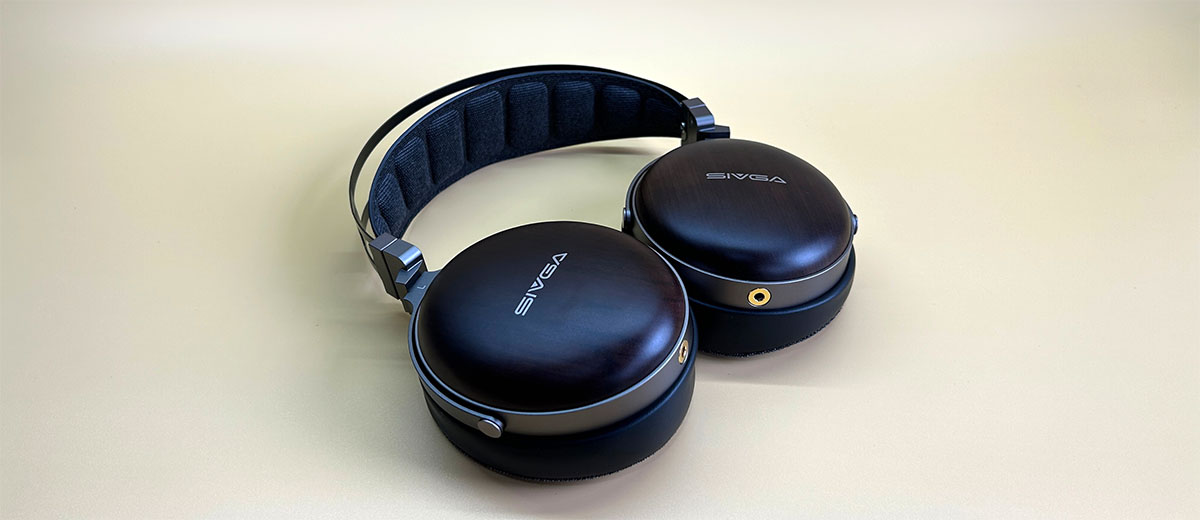
Synergy
With an impedance of 340Ω and a 102 dB sensitivity, the SIVGA Peng demands a fair amount of power to reach its full potential.
Initial tests with the iFi audio ZEN DAC V1 revealed an underwhelming experience. While the tonality remained balanced and pleasant, the Peng sounded flat, lacking both dynamics and harmonic richness.
This impression was mirrored when using the 7Hz Artemis39, which also struggled to drive the Peng adequately.
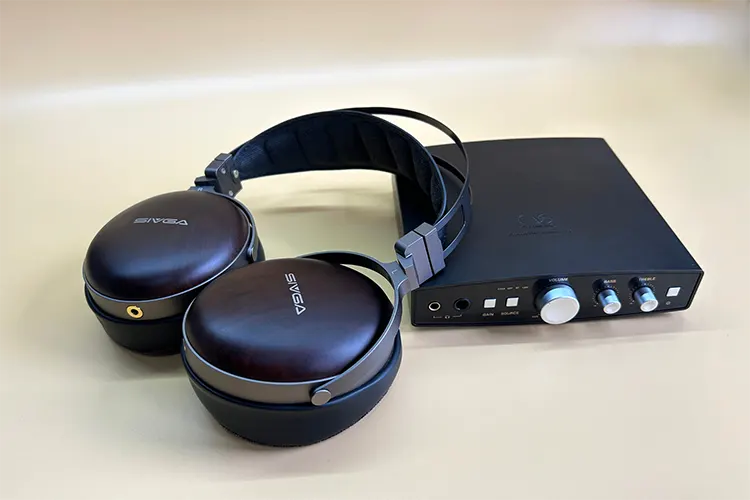
The turning point came with the Shanling EH2, a 4.35W desktop amplifier. Paired with the EH2, the Peng truly came alive. Dynamics were immediately more impactful, mid-bass gained fullness and punch, and harmonics became much more pronounced.
Even stepping down to the FiiO K11 R2R produced respectable results. While a little bit less dynamic than the EH2 pairing, the K11 still managed to drive the Peng sufficiently to showcase its warm, detailed sound signature, proving it to be a viable alternative for listeners without high-powered desktop gear.
Select Comparisons
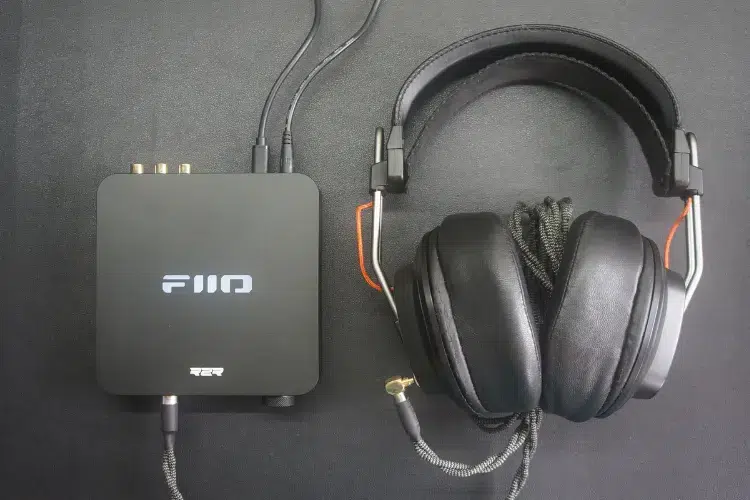
Modhouse Argon Mk3
Technical
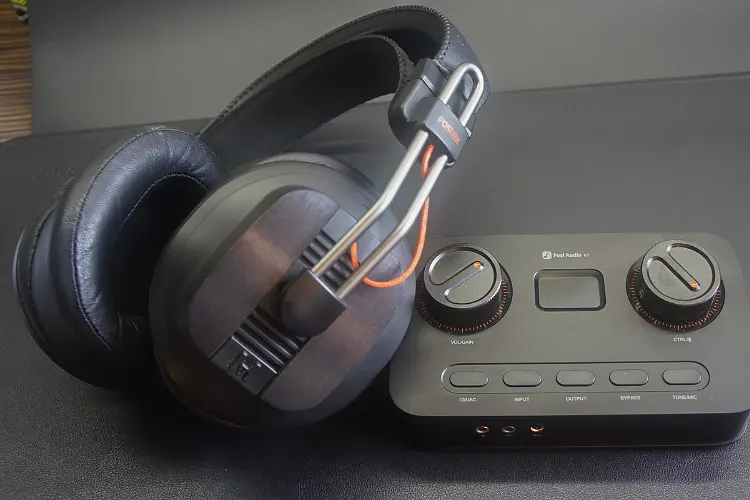
The Modhouse Argon MK3 is a heavily modified version of the Fostex T50RP Mk3 planar-magnetic closed-back headphone.
Whereas the Peng is a closed-back dynamic headphone with a 50mm dynamic driver. The Argon has an impedance of 50Ω and a low sensitivity of around 91dB/mW, making it notoriously hard to drive.
Compared to the Peng and its 340Ohm impedance and 102db sensitivity, it performs best with powerful amplification. However, in practice, I found that the Modhouse Argon MK3 was still harder to drive than the Peng.
Design & Comfort
Being built on the Fostex T50RP, the Argon has a more utilitarian, studio-oriented design with its matte plastic cups, tubular metal rails, and plastic yokes. The 3D printed cup design swapped out by Modhouse also gives it a more DIY feel, as well, compared to the Peng.
The SIVGA Peng, by contrast, leans heavily into premium design elements and a more refined aesthetic with its aluminum frame and Zebrawood cups.
In terms of comfort, my Argon Mk3 with the ZMF Lambskin pads competes well with the Peng. Both are hefty headphones, but they spread their weight comfortably through their suspension comfort strap design.
Performance
The Argon Mk3 offers significantly more sub-bass extension and rumble than the Peng. It excels in bass-heavy genres like EDM and hip hop, delivering deep lows that make the entire presentation feel larger and more immersive.
The Peng leans more toward mid-bass warmth, giving bass guitars and kick drums a rounder, more organic presence. While it lacks the visceral rumble of the Argon, the Peng’s low end is tighter and blends more naturally into the mids.
In the midrange, the Peng pulls ahead in terms of clarity and forwardness. Its lower mids are warmer, giving male vocals and acoustic instruments better harmonics and resolution.
Percussive guitars and brass instruments also benefit from Peng’s more dynamic and responsive presentation, coming through with satisfying energy and impact. The Argon Mk3’s midrange is more recessed in comparison, occasionally feeling distant next to the Peng.
The treble performance between the two is more subjective. The Argon Mk3 can sound slightly more open in the highs due to its spacious staging, but the Peng holds its own with a smoother, more forgiving treble that complements its warm tilt.
Where the Argon Mk3 pulls ahead is in soundstage and imaging. It has a wider, more enveloping stage that stretches further left and right.
Instrument placement is also more precise on the Argon, especially in layered mixes. The Peng, while capable in its own right, presents a more intimate stage.
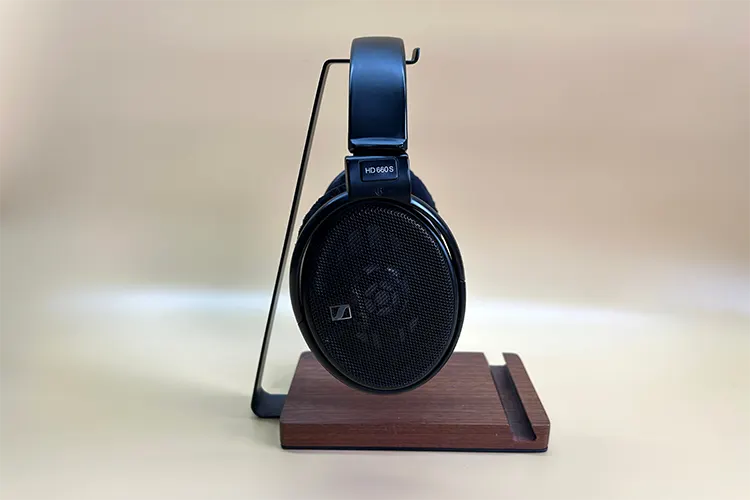
Sennheiser HD 660s
Technical
The Sennheiser HD 660S is an open-back pair of headphones equipped with a 42mm dynamic driver.
It features an impedance of 150Ω and a sensitivity of 104 dB/V, making it easier to drive than older high-impedance Sennheiser models but still best paired with a dedicated amplifier to reach its full potential.
In contrast, the SIVGA Peng is a closed-back dynamic headphone featuring a 50mm sapphire composite + LCP driver, with a much higher impedance of 340Ω and a sensitivity of 102dB/Vrms.
During my testing, I found that the Peng was significantly harder to drive than the HD 660s.
Design & Comfort
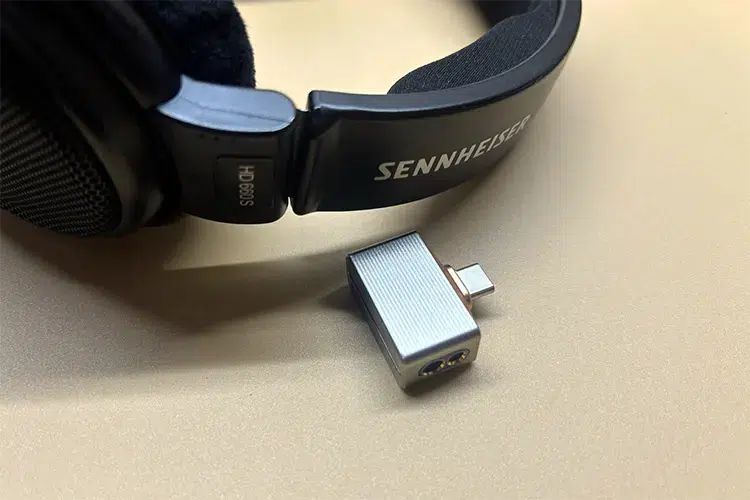
The HD 660S is significantly lighter at just 260g, thanks to its mostly plastic construction and open-back design. It has an all-black color scheme, mesh grilles, and exposed wiring contributing to its classic Sennheiser look.
The clamping force out of the box is noticeably tighter, which helps with stability but may cause discomfort over long sessions, especially for larger heads. Its oval-shaped velour pads are soft and breathable, lending themselves well to extended listening in warmer climates.
The SIVGA Peng feels more like a showcase piece. With Zebrawood earcups and aluminum yokes, it exudes a premium build quality and finish that exceeds its price point.
It is heavier than the HD 660S, but the suspension-style headband distributes weight evenly across the top of the head, aided by large, plush, angled pads that envelop the ears without pressure points.
In practice, I found the HD 660S to be more comfortable because of its lighter weight and more breathable pads, but I found the Peng to have a more secure fit.
Performance
The HD 660S leans toward a darker, more intimate sound signature. Its sub-bass is more present and extends lower than the Peng’s, giving kick drums and deep bass notes a more resonant and grounded feel.
Mid-bass is quite comparable between the two, with both delivering a good sense of weight and authority, particularly noticeable in bass guitar lines.
However, the HD 660S’s elevated low end tends to bleed slightly into the midrange, resulting in a thicker but less resolving presentation that can obscure upper-frequency detail.
The SIVGA Peng has a warmer tonal balance with a more open and articulate midrange. String instruments and keyboard tones have better-defined dynamics, resolution, and harmonics.
The Peng’s midrange clarity also translates into more natural and lifelike male vocals. While the HD 660S presents male vocals more forward and intimately, they do not sound as natural as the Peng.
High-pitched female vocals are an area where the HD 660S maintains an edge. They are rendered with slightly better detail and intimacy, sitting a bit more forward in the mix.
That said, the Peng still performs well in this region, offering a smoother and more natural treble tuning. Its treble is more ex.
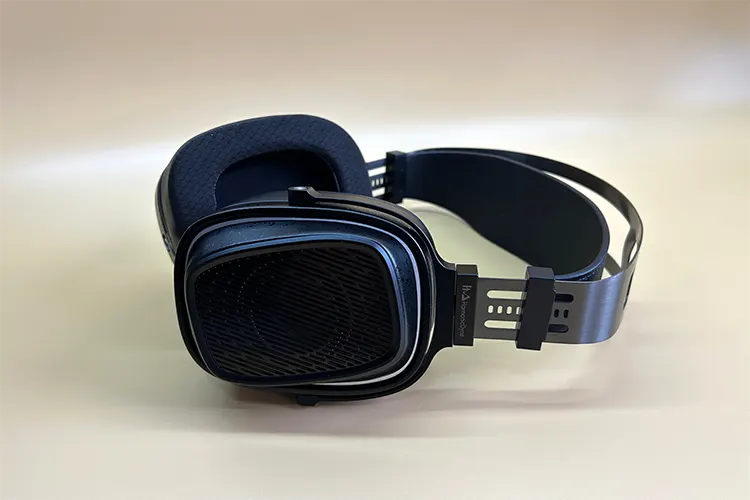
Harmonicdyne Baroque
Technical
The HarmonicDyne Baroque is an open-back headphone built around a 60mm dynamic driver with an impedance of 64Ω and a sensitivity of 109 dB.
It’s designed to be relatively easy to drive from a wide range of sources, including portable players and mid-tier dongles, while still scaling modestly with better amplification.
The SIVGA Peng, by contrast, uses a 50mm dynamic driver as well but opts for a much higher impedance of 340Ω and a sensitivity of 102 dB.
During my testing, I found that the Peng was significantly harder to drive than the Baroque. While I could easily drive the Baroque with some dongles designed for IEMs, the SIVGA Peng needed amplifiers that could offer well over 1W.
Design & Comfort
The SIVGA Peng features solid wood earcups, polished metal components, and plush velvet-lambskin hybrid earpads. The headband uses a steel suspension system under a well-padded leather strap, creating a balanced mix of comfort and upscale aesthetics.
The machining is precise, the materials feel dense and durable, and the finishing on the wood grain gives the headphone a distinctive handcrafted look.
The earcups have good articulation, and the thicker angled pads form a comfortable seal without creating too much clamping force.
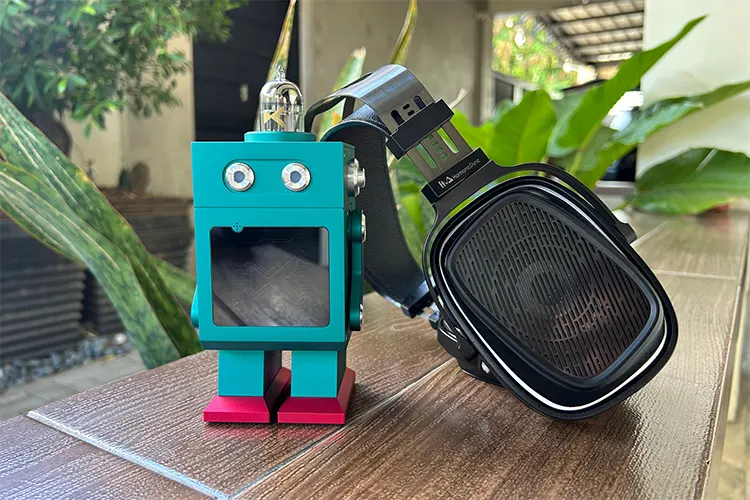
The HarmonicDyne Baroque opts for a minimalist open-back design with a matte-finish CNC-machined aluminum shell and a metal yoke and headband structure.
The build is lightweight, solid, and practical. It forgoes real wood accents in favor of a sleeker, more modern industrial look.
The stock pads use a hybrid mesh and protein leather combination that keeps things breathable for long sessions. While the materials may not feel as rich or weighty as those on the Peng, the Baroque delivers a more airy and effortless wearing experience due to its lighter build and open-back structure.
In practice, I found the Baroque to be noticeably lighter on the head, but the Peng was ultimately more comfortable for me.
Its softer, more contoured pads better conformed to the sides of my head, leading to more even weight distribution and a more secure fit during extended listening
Performance
The Baroque delivers deeper and more defined sub-bass extension, giving low-end elements greater rumble and control.
While mid-bass is more atmospheric and warm on the Peng, lending bass lines a smoother and more weighty presence, the Baroque still maintains a tight and articulate low-end that avoids bloat.
Midrange reproduction favors the Baroque with its more organic sound signature. String instruments have higher fidelity and better dynamics, while vocals feel more lifelike.
Horn instruments like trumpets also have more heft and realism on the Baroque, adding to their natural presentation in brass-heavy tracks.
Treble is where the Baroque pulls further ahead. It has a more elevated and resolving high-end that brings out fine details in cymbal crashes and percussive hits.
Hi-hats have a precise bite without ever sounding piercing or sibilant. Snare drums, in particular, have a satisfying crack.
The SIVGA Peng leans toward a smoother and warmer treble tuning that is more forgiving and easier on the ears during long listening sessions.
While it lacks some of the sparkle and extension found in the Baroque, it still presents a well-controlled and coherent top end that avoids harshness.
Imaging and soundstage are also more expansive on the Baroque, with a slightly wider stage and sharper positional accuracy. The Peng, while decently wide, tends to concentrate its presentation more centrally and lacks the same level of separation between instruments.
My Verdict
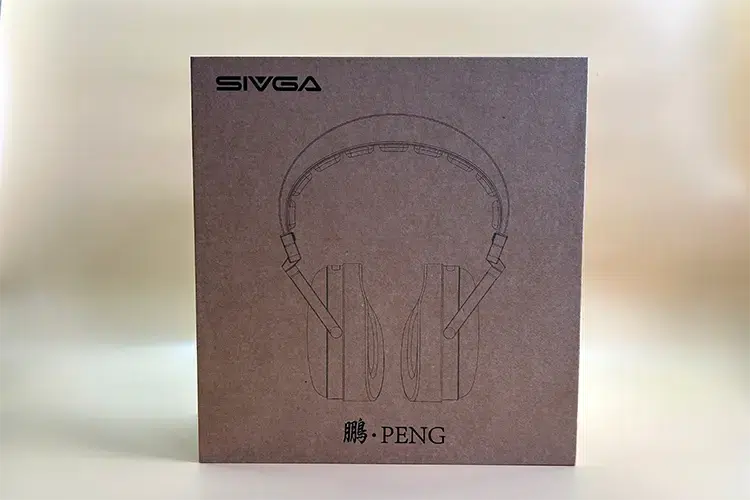
The SIVGA Peng is a quality closed-back headphone featuring attractive wooden earcups, a smooth and relaxed tuning that leans warm, and a comfortable fit with plush, contoured earpads.
Its tuning can be light on the sub bass, making it more suited for listeners who prefer a gentle low-end presence over heavy rumble.
While its warm mid bass and laid-back treble make it an inviting choice for casual listening, those seeking maximum technical performance and detail retrieval may prefer alternatives with a more forward and dynamic tuning.
Additionally, the Peng is very power hungry and benefits from a powerful desktop amplifier to fully unlock its capabilities.
Still, for listeners who value aesthetic craftsmanship, easy-going tonality, and a natural presentation suited for relaxed, extended listening, the SIVGA Peng is a compelling and enjoyable option.
SIVGA Peng Technical Specifications
- Driver: 50mm Dynamic Driver
- Acoustic Design: Closed Back
- Impedance: 340 Ω
- Sensitivity: 102 dB
- Frequency Response: 20 Hz – 40 kHz
