

Selected Comparisons
Softears Enigma
Technical
The Softears Enigma is a tribrid multi-driver IEM equipped with a larger array of drivers than the SONORA SE. Its configuration includes dual dynamic drivers, six custom balanced armature drivers, and four Sonion electrostatic drivers.
For the low end, the Enigma uses a combination of an active 10 mm wool-based biological diaphragm dynamic driver along with two additional BA drivers, delivering a blend of power and speed.
There is also a second beryllium-coated diaphragm dynamic driver deployed in a passive role to absorb unwanted vibrations and standing waves.
The midrange is handled by four full-range custom balanced armature drivers, while the high frequencies are covered by four third-generation Sonion electrostatic drivers.
The Enigma is rated at an efficient 10Ω with a sensitivity of 121.5 dB/Vrms at 1 kHz, and it requires less power than the SONORA SE.
The PLUSSOUND IEM can take a few more volume clicks before getting loud and tends to scale better with added power.
Design
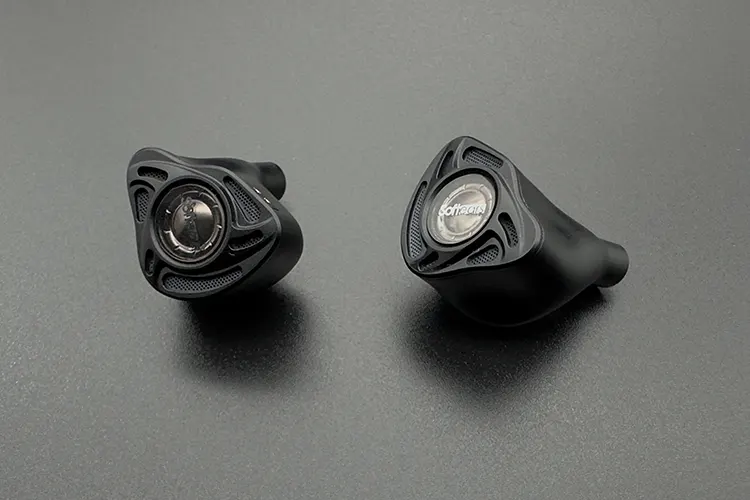
The Enigma sports a very futuristic look, with cutouts on the faceplate that resemble a rotating disc and an artificial sapphire-like crystal at the center.
Going purely by design elements, the SONORA SE looks a tad more toned down and simplistic, though the build remains equally durable on both IEMs.
Like the SONORA SE, Enigma’s shell is crafted from an aluminum alloy. One strong point of the Enigma is its long-lasting matte black finish, which has not worn off even after nearly a year and a half of use.
The Enigma’s shells are slimmer while maintaining a similar weight, which makes them more comfortable on the ears.
The flat, squarish design of the SONORA SE does not offer ergonomics as refined as Enigma’s shells, but I never faced any comfort issues with the fit on the SONORA SE either. Enigma’s narrow and longer nozzle allows for deeper insertion, resulting in a more secure and stable fit.
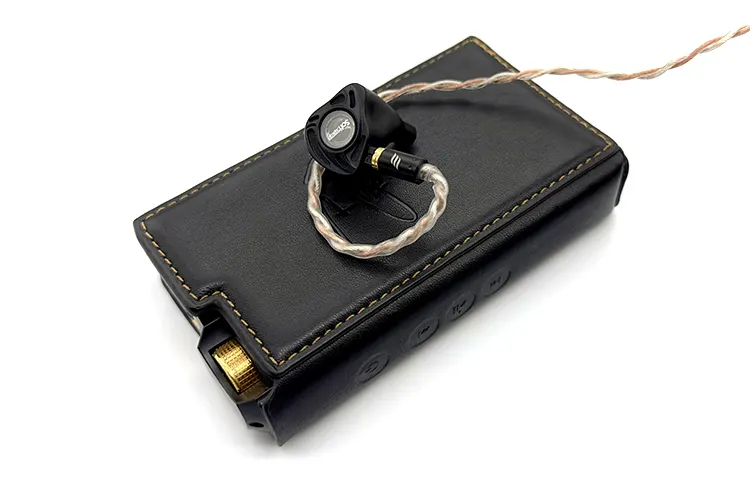
Enigma also packages the IEMs and accessories in a very grand presentation. Similar to the SONORA SE’s matching stock cable, Enigma comes bundled with an Effect Audio cable that complements its aesthetics well.
Both stock cables feel premium and perform at a high level, just offering different flavors in terms of handling and sonic synergy.
Performance
In the bass, both sets keep things clean, but they chase different goals. Enigma feels leaner down low, with less of that deep rumble and chesty slam.
It has an edge with a tight, punchy mid-bass, but that’s the only highlight. SONORA SE carries more sub-bass presence and overall weight. It hits with more authority, feels fuller across the low end, and sounds more “complete” when the track asks for scale.
Midrange is where the personalities split hard. Enigma has that Softears charm: natural, organic, and slightly intimate. Vocals sit closer, so singers feel more present and emotionally direct, and instruments carry a rounded, musical tone.
The SONORA SE places the midrange a couple of steps back, not recessed, just staged with more space around it. Its upper midrange carries more energy, so edges are cleaner and articulation pops faster, giving it a more reference-leaning clarity while still keeping warmth in the picture.
Treble follows the same theme. SONORA SE brings more air and shimmer, and it feels more open up top. Cymbals and high strings have a brighter sheen and longer, clearer trails, so the stage breathes.
Enigma’s treble sounds softer and smoother, with less sparkle lift, which makes it easy to listen to and keeps the focus on the midrange tone. SONROA SE stays controlled too, but it simply shows more light in the top end.
Technically, SONORA SE comes off as the more accomplished set. Stage width feels larger, imaging locks in harder, and layering is more obvious, especially when mixes get busy.
Enigma counters with a stage that feels taller and very lifelike, just with slightly softer outlines. SONORA SE also pushes stronger dynamics, with bigger swings and more impact when the music ramps up, while Enigma leans into flow and musicality over precision.
64 Audio Fourté
Technical
The 64 Audio Fourté is a flagship IEM that uses just four drivers, compared to the eight-driver setup in the SONORA SE.
Fourté challenges the common belief that more drivers automatically lead to better sound quality, showing that a smaller driver count can still deliver exceptional performance. Its configuration includes a tia high driver, a high-mid driver, a tia mid driver, and a dynamic driver handling the lower frequencies.
The Fourté is rated at 10Ω at 1 kHz with a sensitivity of 114 dB SPL, making it easier to drive than the SONORA SE. In practice, the SONORA SE needs roughly five to six additional volume steps compared to the Fourté to reach the same listening level.
Design
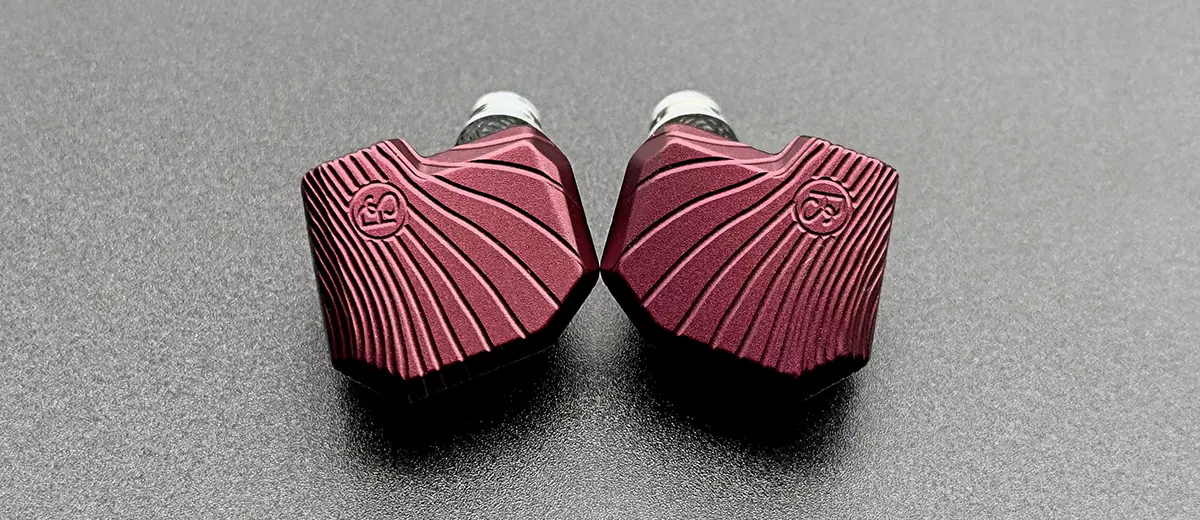
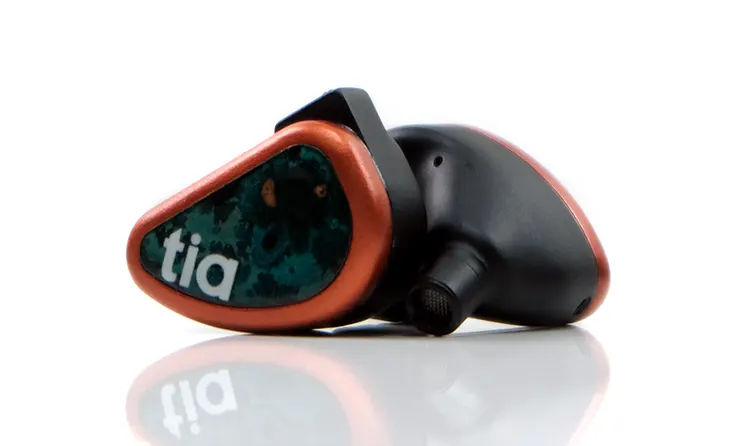
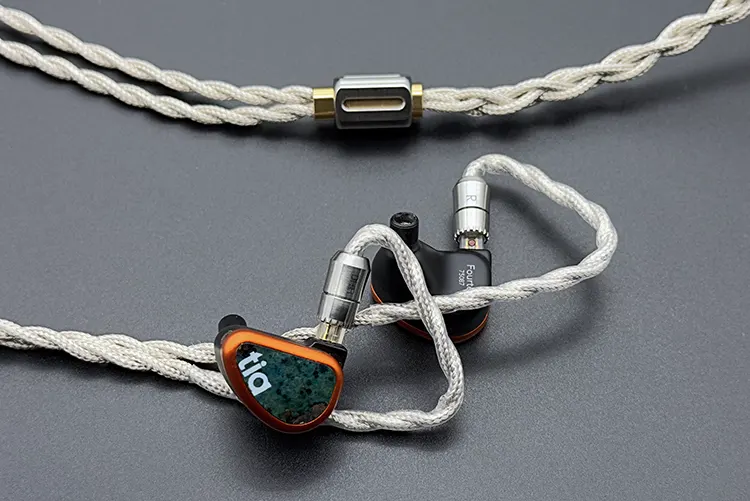
I find both IEMs to sport a simplistic, non-flashy look. Fourté wins over with its vibrant-colored faceplate, while the SONORA SE stands out with its square shell design and deep wine red faceplate.
Like the SONORA SE, the Fourté’s shell is machined from solid aluminum, and each faceplate carries a unique patina pattern. Both IEMs feel robustly built.
My Fourté is still going strong after three years of regular use, which says a lot about its durability. The Fourté’s shells are lighter and slimmer, making them more comfortable on the ears.
Its narrow and long nozzle allows for deeper insertion, which helps with fit and stability. Fit is also not an issue on the SONORA SE, although its design can look a bit confusing at first glance.
The Fourté comes with a 3.5 mm-ended silver-plated OCC copper cable, which is largely just functional. Truth be told, most Fourté owners do not even remember where the stock cable went after purchasing the unit.
In contrast, PLUSSOUND’s cable is genuinely top-notch. It has excellent build quality, looks great, and performs really well, making it a clear highlight of the package.
Performance
Fourté’s low end reaches deeper and presses down the throat, giving sub-bass notes a more subterranean pull. SONORA SE, on the other hand, feels more like a brain-rattle kind of slam.
The Fourté bass feels a bit thicker and warmer and has a more physical presence. Quality is quite close. Both sound detailed, clean, and textured. SONORA SE’s bass is cleaner, snappier, and has a faster decay.
Fourté brings vocals closer to you, so singers feel more forward and intimate, with that euphonic glow that makes it sound naturally musical.
SONORA SE sits the midrange a step back, but it spreads it across a bigger space on the stage, so instruments feel less clustered around the head.
Fourté can make vocals feel a bit thick and slightly stuffed, whereas SONORA SE keeps vocal density more even and controlled.
Resolution is strong on both. SONORA SE tends to pull micro-details out more easily, especially in vocal textures and small background cues. Its midrange is flat and clean, with a more reference-style tilt.
Fourté sounds airier and more treble-forward, with certain notes popping a bit harder and drawing attention to themselves. It has that exciting, high-contrast sparkle, but it can also sound more peaky in spots.
SONORA SE pushes plenty of treble detail too, yet it feels more even and better leveled, so the shimmer and bite arrive without turning into a “treble show.” It stays cleaner in balance, and the top end feels more coherent with the midrange.
Technically, Fourté still throws the more cavernous stage. Depth is the big flex, and height also feels a touch stronger, giving that grand sense of space.
SONORA SE fights back with precision. Imaging is more precise, separation feels more orderly, and it handles busy passages with more composure.
Alpha Omega Omega
Technical
The Omega is a flagship nine-driver hybrid universal IEM, featuring a dynamic driver, Sonion balanced armatures, and Sonion electrostatic drivers.
The precise configuration includes a single dynamic driver, one Sonion BA driver handling the lows, and three BA drivers for the mids.
Two Sonion electrostatic drivers are dedicated to the highs, with two more covering the ultra-highs, all tied together through a 6-way passive crossover.
The Omega is also equipped with three tuning switches, offering a total of eight different sound signatures. My preferred option is the UDD setting, where the bass gets a slight boost while the rest of the frequency range remains close to the default tuning.
The Omega is rated at 43Ω at 1 kHz with an 86 dB SPL sensitivity. It asks for a good amount of power to really open up. On my Lotoo PAW Touch Gold, it easily touches a volume level of 45, which is quite a lot.
Design
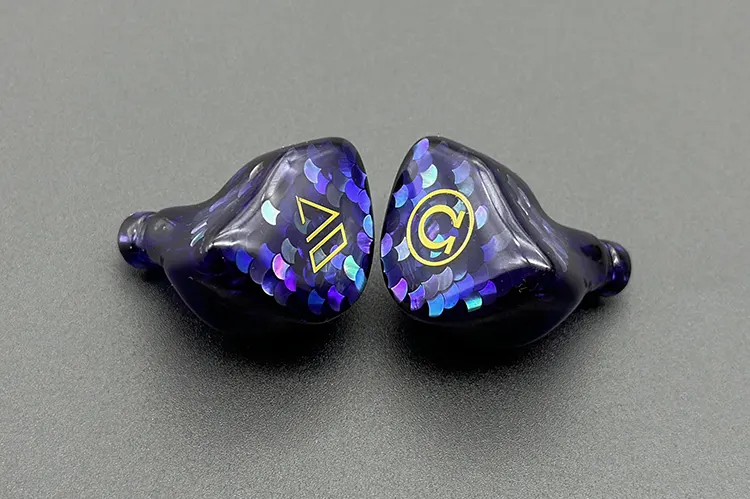
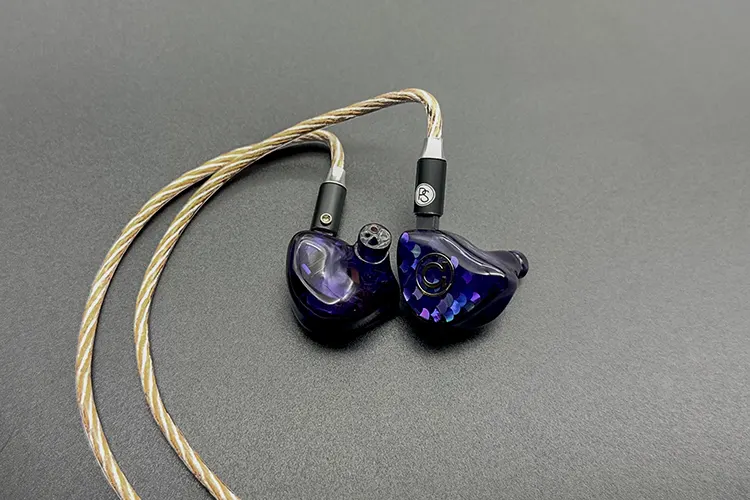
The Omega is built using resin shells, which look and feel premium. The purple color scheme, paired with a faceplate adorned with a shiny, fish-scale-like pattern, gives the IEM a very sophisticated appearance.
The shells catch the light beautifully, making the internal components shimmer almost like a piece of jewelry. Resin shells also allow a lot of room for artistic expression, and Omega makes good use of that freedom.
Omega’s shells are big, no doubt, but not bigger than the SONORA SE’s. They are also more ergonomically designed. The nozzle on Omega is larger than what we see on many IEMs, which can be an issue for listeners with smaller ear canals.
For me, pairing it with large, wide-bore ear tips works well, and it slides in without much effort. The lightweight shells, combined with the absence of hot pressure points, make Omega quite comfortable for long listening sessions.
The SONORA SE, while not the most ergonomic design out there, is still easy to wear, and I can listen to it for hours without experiencing any ear fatigue.
Both IEMs use standard 0.78 mm 2-pin connectors. Omega comes stock with an Astral Acoustics cable, which has good synergy with the tuning.
However, in terms of both build quality and overall performance, the SONORA SE’s included cable clearly feels a step ahead.
Performance
In the low end, Omega carries a warmer low-end shelf, so the foundation feels broader and more enveloping. Sub-bass rumble is generous and satisfying, and it hangs around a touch longer, giving notes a slightly slower, weightier feel.
SONORA SE’s low end is more well-defined, cleaner, and punchier. It hits harder, stays controlled, and steps out quickly, so the low end feels more like impact and texture than sheer bloom.
Midrange is where the tuning priorities become obvious. Omega leans warmer and more organic. It has a smoother, more forgiving tone that is more engaging. Vocals sit closer and carry more richness, and instruments have a rounder, more “musical” body that makes casual listening easy.
SONORA SE feels more transparent and reference-leaning by comparison. It is not dry, but it is less lush, with clearer outlines and less extra warmth painted onto voices. Omega softens edges and attacks a bit more, while SONORA SE highlights articulation and separation more readily.
Treble follows the same theme. Omega keeps the top end smoother and more relaxed, prioritizing comfort and flow over spotlighting every small sparkle.
SONORA SE throws more light on detail, with more shimmer and more obvious treble information in the mix. It still sounds controlled, but it feels more revealing and more “lit up” than Omega, which stays gentler and more even-going.
Technically, SONORA SE feels like the sharper one. Dynamics have a clearer contrast between big swings and fine shifts, and busy passages stay better organized.
Omega expands wider, giving a more open left-to-right spread, while SONORA SE focuses more on depth and height, building a more layered, three-dimensional picture.
Imaging locks in more precisely on SONORA SE, and layering feels a bit cleaner, whereas Omega leans on that warm, spacious, easy immersion.

My Verdict
The PLUSSOUND SONORA SE ended up being more than a surprise for me. I went in curious but without any big expectations.
Two weeks later, I’m sitting there at 2 a.m. thinking, “Hold up, these guys can swing like this?” It’s flagship stuff, plain and simple; not just a fat price tag and a big case, but in the way it carries itself through every part of the sound.
The whole signature sits up straight with a reference-leaning tuning, but there’s a friendly warmth tucked in, so it never turns clinical or dry.
Resolution and micro-detail are top-notch. It pulls information out of tracks easily, but it does it in a way that feels effortless, not like it is trying to impress you with forced brightness or exaggerated contrast.
The bass is also a big part of why it keeps pulling me back. It hits with authority, carries texture, and stays controlled, so the fun never comes at the cost of cleanliness. The bass is one of the reasons “one more song” keeps converting into a two-hour spiral.
Treble is the little dash of hot sauce: it lifts the top, keeps the lights on, and stops the whole dish from tasting dull, but never burns your tongue. Pair that with the confident technical delivery, strong dynamics, and precise imaging, and the SONORA SE feels like a complete package.
In my comparisons, it holds its ground comfortably next to heavy hitters like the Fourté and the Enigma, and it feels like a step up from something like the Omega. That tells you the neighborhood it’s living in.
The PLUSSOUND SONORA SE earns an easy recommendation from me, and now I’m twitchy to see what else PLUSSOUND has hiding in the basement.
PLUSSOUND SONORA SE Technical Specifications
- Driver Configurations: Two 10mm Dynamic Drivers, Four Balanced Armatures, Two Electrostatic Drivers
- Impedance: 10Ω @ 1 kHz @ 1 mW
- Sensitivity: 110 dB/Vrms at 1 kHz
- Frequency Response: 10 Hz – 40 kHz
- Cable: In-house, limited SPC XL cable
