

Nihal reviews the Effect Audio Horizon Series, a 2nd-gen set of aftermarket audio cables including Fusion 1 2025, Code 23 MKII, and Code 24 MKII. They are priced at $1299, $649, and $849, respectively.
Disclaimer: This sample was sent to me in exchange for my honest opinion. Headfonics is an independent website with no affiliate links or services. I thank Effect Audio for their support.
Click here to read more about the Effect Audio products previously reviewed on Headfonics.
This article follows our current scoring guidelines, which you can read in more detail here.
People at Effect Audio must be really busy these last few months with so many releases lined up, and it’s honestly a great time for enthusiasts with their new Signature Series II, DIONYSUS, and the high-end Centurion II.
While the spotlight was on the new launches, Effect Audio had already been busy working on three of their older crowd-pleasers, namely, Code 23, Code 24, and Fusion 1.
All three earned solid word-of-mouth for their very different personalities and solid performances. EA has bundled these cables and brought them back with new structures, new materials, and tweaked geometry.
The only real criticism around the Code cables was their ergonomics, so this time, Effect Audio seems to have focused on fixing that while also refining performance.
These three updated models are now grouped under what they call the Horizon Series. The new versions bring noticeable changes in internal geometry, conductor design, and flexibility.
Below, in this review, I’ll walk through what’s actually changed under the hood and how the new generation of cables compares to their peers.
Materials & Geometry
The Horizon Series release brings updated versions of three well-known models, the Code 23 and Code 24, both now in their MKII form, along with the upgrade of their premium release, Fusion 1.
The Code 24 MKII is built from 16.5 AWG UP-OCC Silver-Plated Copper Litz and uses a 13-bundle multi-size strand layout within EA UltraFlex™ insulation, combining strength with pliability.
The Code 23 MKII, on the other hand, keeps this same physical structure and uses 16.5 AWG UP-OCC Pure Copper Litz, staying faithful to a fully copper wire. In their earlier versions, both cables had a 12-bundle layout structure, with the Code 23 having just a single solid-core copper wire.
Both Code 23 MKII and Code 24 MKII follow the same engineering formula for improvement. Each version now packs 20% more conductive metal, so current spreads more evenly and the tiny pockets of resistance inside the bundle shrink.
Even with that extra copper, the overall diameter is actually 10% lower than before, so the wire bends more easily and brings in a much-needed relief.
At the center of both models is the Quad-FlexPro Solid Core system, an evolution of the earlier Trio-Flex solid-core designs.
It consists of four individual cores of varied sizes, catering to a specific frequency range, allowing the cable to maintain consistency and electrical stability across all signal paths.
Fusion 1 2025 sits at the top of the Horizon lineup and has the same internal geometry, known as Tri-Strata Layering, as its previous generation. It combines Gold-Plated Silver, Pure Silver, and several Copper variants around a central solid copper core.
Within this structure are 40 multi-sized bundles designed to maximize conductivity, mechanical strength, and long-term reliability, forming one of Effect Audio’s most advanced cable builds to date.
Design
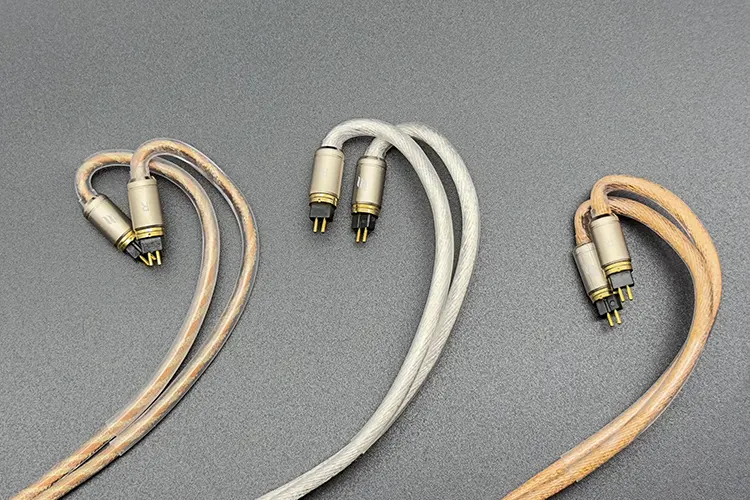
The Horizon Series trio sits well together, but each has its own look.
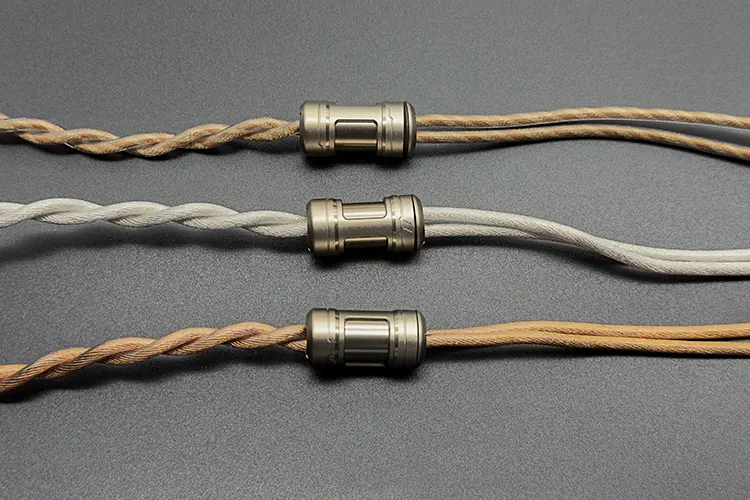
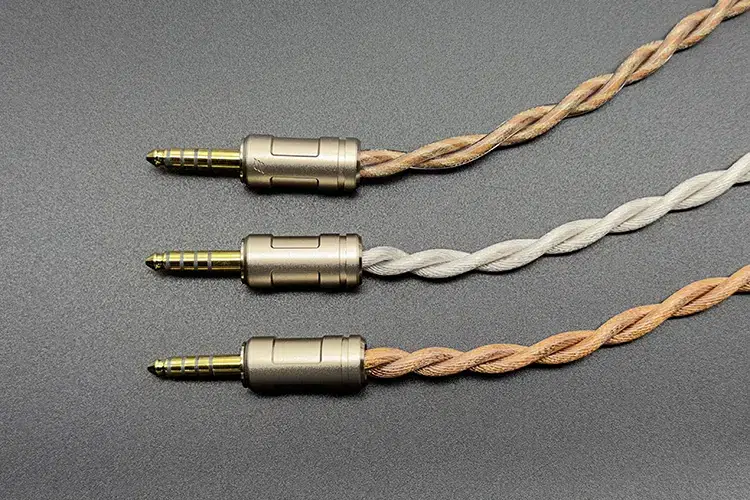
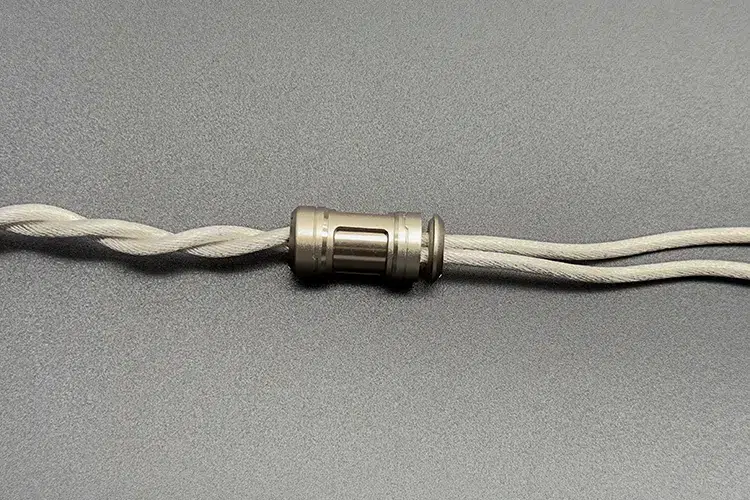
Code 23 MKII shows its copper core, picking up a warm amber cast. Code 24 MKII reveals the silver-plated conductors inside, giving it a bright, frosted look. Fusion 1 2025 exposes mixed types in the braid, so the subtle swirls are a visual hint of its different conductors inside.
The outer sleeve is Effect Audio’s EA UltraFlexi™ Insulation, so all three share the same surface feel.
It is smooth to the touch and is a little grippy and just thick enough to feel rugged, yet clear enough to let the inner conductor color show through. The cable feels like a cable should: a deliberate, technical look rather than flashy jewellery bling.
Flex feel is different across the set. Code 23 MKII and Code 24 MKII are a bit stiff. Not unwieldy, and definitely more compliant than the earlier versions, but they still hold a little shape when you coil them.
Fusion 1 2025 is the most pliable. It drapes easily, resists kinks, and is the simplest to handle. All three carry some weight and take up a bit of space when coiled.
Hardware is identical across the set. You get the same Y-split, termination adapter, and 2-pin connectors on each cable.
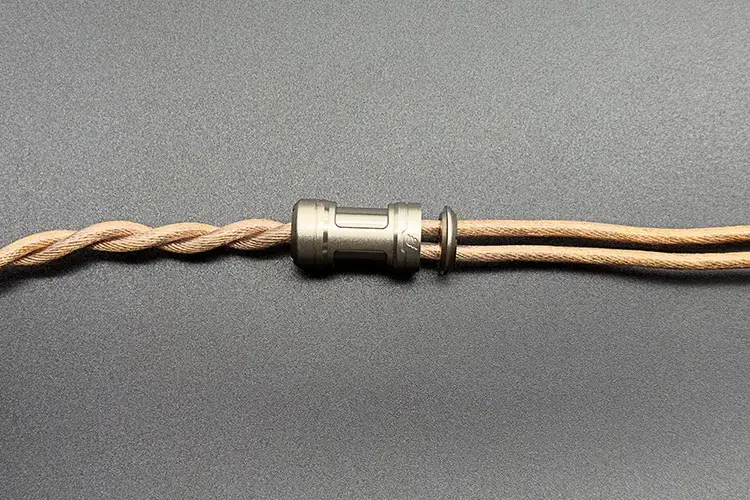
All metal parts are milled from aluminum and finished in a soft metallic gold. The Y-split barrel has clean lines, neat chamfers, and a precise, geometric look. The chin slider moves smoothly and does not snag on the braid.
Each cable gets the Effect Audio’s ConX and TermX system. You can easily swap the IEM using different connections, such as 2-pin, MMCX, and Pentaconn Ear. TermX allows you to change the plug to 2.5 mm or 3.5 mm, while the default is 4.4 mm.
Handling
My only real complaint with the old Code cables, the Code 23 and the Code 24, was their stiffness. That has eased.
The Horizon Series cables keep a similar thickness across the set, and day-to-day handling is better. Code 23 MKII and Code 24 MKII are still a little firm and hold a bit of shape, yet the flexibility is good enough that they behave the way you would like a normal cable to.
Weight sits just above average. Pressure around the ear is improved. Once the ear hooks settle, the cable does not nag at the skin.
That said, the ear hook region could be more flexible. You will feel a light downward tug from the weight of the cable and the splitter, but I had no discomfort during long use.
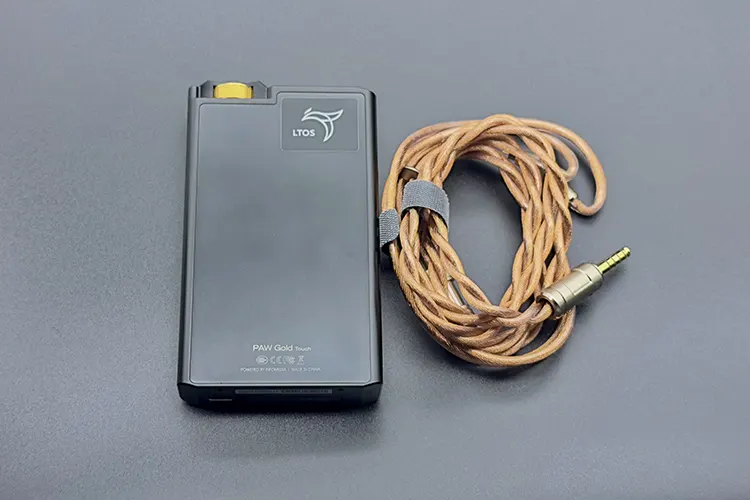
Storage needs a minute of care. These braids take up some space and like to spring open if you coil them loosely. I keep one of those small velcro straps on each one so they stay quiet and tidy in a case.
Fusion 1 2025’s build is the most flexible of the three and the easiest to live with. Almost no pressure around the ear, even for long sessions. The downward pull is minimal, so it feels lighter than it looks.
If I had to choose a cable for moving around, this is the one. It coils smaller than the other two and slips into a pocket or pouch without a fight.
The overall thickness and the nature of the build can add to a bit of cable noise when walking or brushing the braid. It is not severe, but it is something to be aware of.
Overall, the comfort jump from the previous generation is real, and Fusion 1 2025 leads the pack for ergonomics and comfort of usage.
Packaging & Accessories
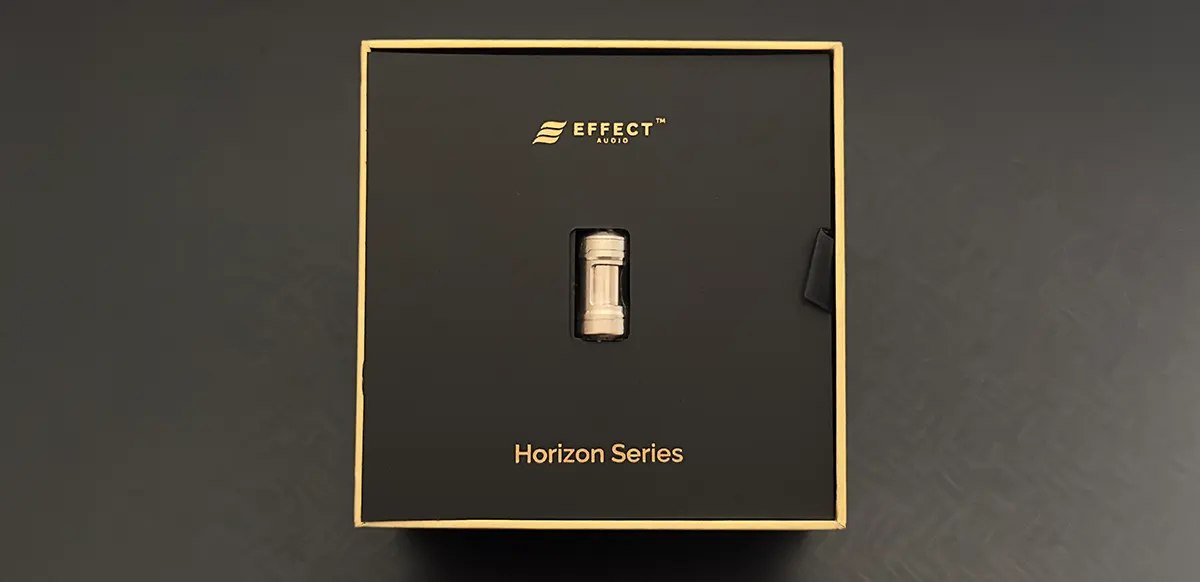
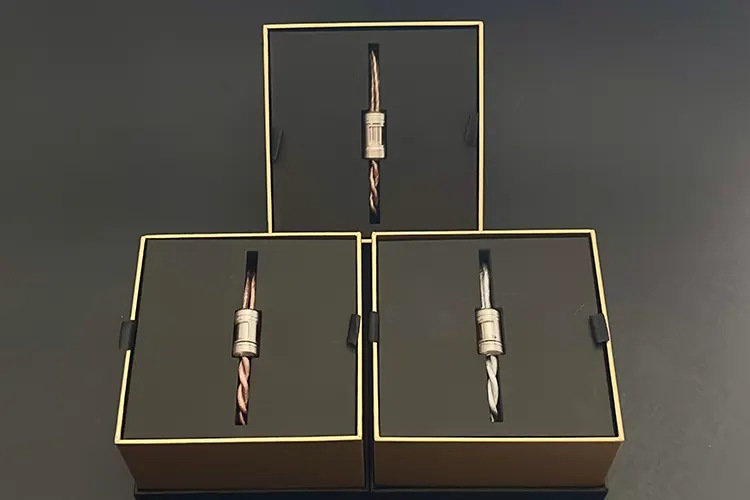
Effect Audio has kept the packaging consistent across all three Horizon Series cables, with each presented in a box of the same size and color. All are packed and presented similarly, from the gold outer sleeve to the inner box and the way the cable sits inside.
The sleeve is the first thing you notice. It is a solid, mirror-like gold with the model’s name pressed into the top, and it gives off a clean, premium look before you even open it. It feels more like jewellery packaging than audio gear, which sets the tone nicely.
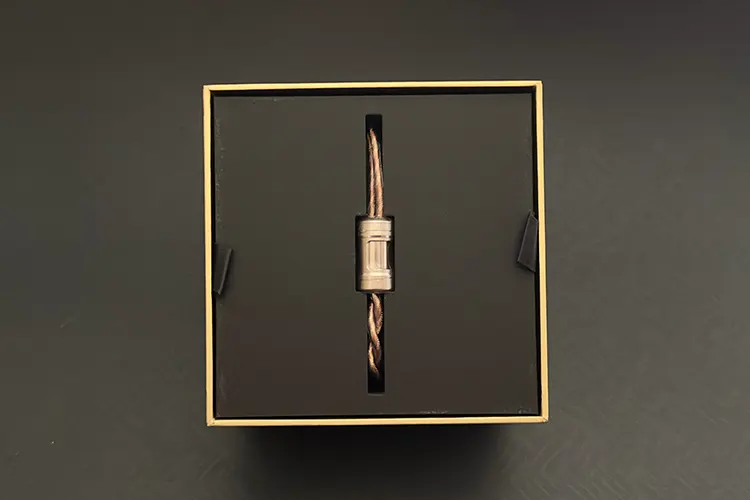
Slide off the sleeve, and you reach the inner box, a matte black box with a small gold Effect Audio logo on top. Opening this box, you meet the cable standing vertically with the Y-split centered and facing up.
The rest of the cable is wrapped around a hard cutout resting inside the box. The cable is tied perfectly well so that it does not lose its position.
Because the hardware is identical across the range, the quickest visual identifier is the wire color showing through the jacket: copper for Code 23 MKII, silver for Code 24 MKII, and mixed swirl for Fusion 1 2025.
The presentation feels elegant and tidy. My only gripe at this price is the lack of a carry case.
As delivered, the box is classy, protective, and uniform across every model, but you’ll need to supply your own pocket once the cable leaves home. Fusion 1 2025 in particular deserves that extra touch.
Performance Impressions
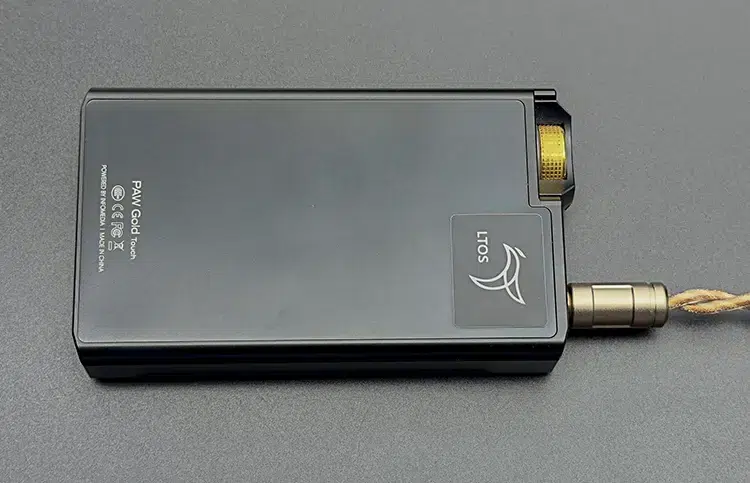
The following sound impressions of the Effect Audio Horizon Series cables were completed using 64 Audio Fourte, THIEAUDIO Valhalla, and LETSHUOER Cadenza 12 2024, alongside my main source, Lotoo’s PAW Gold Touch.
Summary
Starting with the entrant Code 23 MKII, which is the copper voice of the trio, which adds a cleaner background and a touch of extra weight in the low end.
Bass feels thicker and better textured, lower midrange comes a step forward, and treble smooths out while keeping a bit of bite for definition.
Code 24 MKII aims for clarity and space. It pulls out fine details with more air around notes, gives the bass a firmer hit, and presents a cleaner midrange with tidy, lively treble
Fusion 1 2025 builds on what the Code cables offer, adding a tighter, fuller bass foundation, natural midrange with strong resolution, and a refined top end that opens the stage without pushing extra energy.
Code 23 MKII Timbre
Code 23 MKII feels more refined and better grounded than before. The biggest changes come in the low end, where there’s a touch more thickness and texture.
Sub-bass gains a gentle swell and lingers a bit longer, and mid-bass fills out with a thicker, fleshier thud. The thickened bass has a little slower decay.
A mild lift in the lower midrange nudges male vocals and instruments forward. The region gains some weight, but nothing goes overboard.
Up top, the treble keeps its former sparkle, with some extra crunch in the lower treble that adds character. The openness and the air do not see any compromise; they just remain as they are.
The whole presentation feels more solid and physical yet balanced. Micro-details now flow more naturally and stand out clearly thanks to a cleaner background. Resolution itself hasn’t jumped much, but the clarity makes every small element easier to catch.
Code 24 MKII Timbre
If you want to pull out every bit of detail from your IEMs without effort, Code 24 MKII does that with ease. This version feels surprisingly lively and open. It refines the finer details and places them with more weight and definition, leaving better space around notes.
There’s more energy in the mix and a sense of air that lets instruments breathe. Bass widens its shoulders, not just hitting harder but having more volume too. You won’t feel the same thickness and slower decay that Code 23 MKII adds; rather, it’s a quicker low end.
Midrange feels cleaner and more resolved: edges sharpen, colors brighten, and there is added air between instruments. The cable adds touch more energy and polishes the resolution.
Treble gains a layer of fairy-dust sparkle. You get extra shimmer on hats and extra bite on picked guitar, yet the top end stops short of brittleness. Even on treble-focused IEMs, it keeps things tidy, adding shimmer and shape rather than sharpness.
Fusion 1 (2025) Timbre
Fusion 1 2025 feels like plugging the goodness from the Code cables into one luxurious envelope and then adding its own silk lining.
The bass gets thicker and tighter, laying a stronger foundation that adds some fun to the mix. It retains the speed without adding any extra lingering. The improvements in the sub-bass region with extra depth and rumble are quite evident.
Midrange retains its natural timbre and improves the resolution without injecting extra energy.
Micro-details feel more vivid, notes carry extra texture, and the tails linger with more presence. Upper midrange extends smoothly, never pushing hot, letting female vocals soar without glare.
The treble doesn’t go for excitement like Code 24 MKII but focuses on refinement and space. It opens up the top end, adds air around instruments, and resolves details effortlessly. The result feels cohesive and well-finished from top to bottom.
Staging & Imaging
Every cable in the Horizon Series offers a distinct style in the way it presents its respective soundstage and imaging qualities.
With Code 23 MKII, the holography is easy to notice, though the overall stage size does not stretch much. The width gets a small boost, giving instruments more room side to side, but height and depth stay roughly the same.
The midrange comes slightly forward, putting vocals in a better spot and making them more engaging. Layering and separation between vocals and instruments are impressive for this tier; the stage arrangement feels organized and neat.
Imaging remains strong as before, and the little bit of treble crunch and openness adds clarity to positional cues. The background feels cleaner, which helps you pick up tiny details.
Code 24 MKII takes things further with a more holographic and open presentation. The soundstage feels more spacious, stretching out in height and depth. Imaging is simply accurate, not overly sharp, but feels spatially more correct.
The detailed and airy treble gives the stage an open and natural spread. The center image stays locked; everything else fans around it nicely. Everything feels connected yet well spread out, like the instruments have a better arrangement within the space.
Fusion 1 2025 takes the top spot for its technical performance. It creates a large and immersive field that extends evenly in every direction, working in a full concert-hall mode.
The front-to-back depth and height both open up noticeably. Vocals anchor the middle; every other instrument is dropped onto its own patch of floor with clear air and plenty of breathing space around it. Imaging feels sharp and precise.
Layering stands out clearly here. Even dense tracks stay sorted; no line ever collapses into the next, so the final picture is immersive, open, and firmly organized.
Click on page 2 below for my recommended pairings and selected comparisons.
