


Synergy
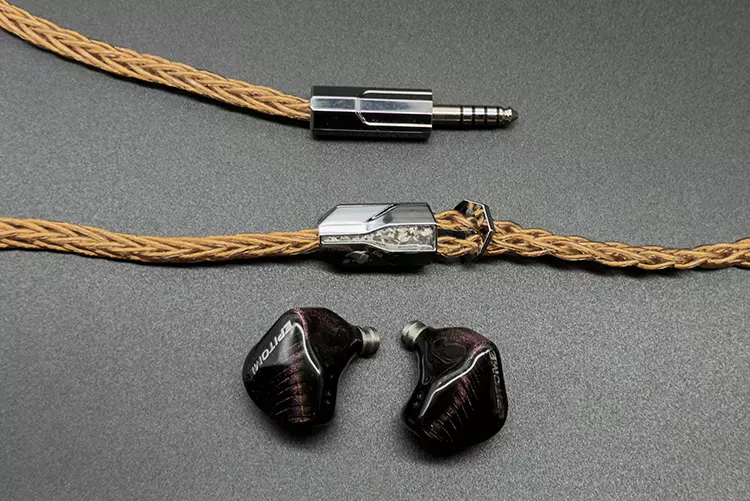
iBasso EPITOME
EPITOME, the iBasso flagship IEM, does not come across like an IEM that desperately needs a cable swap. Its tuning is already quite balanced. Very transparent and quite revealing without any sharpness.
However, the overall presentation can still lean a bit too clean and a touch too dissecting at times. Not cold exactly. Just a little too matter-of-fact on certain tracks. That is where Ares 10 helps.
The first thing you notice is the added tonal richness. Ares 10 brings in that good copper weight and gives EPITOME a more grounded note structure. Notes feel a bit fuller. Bass is more present than before. It is not a dramatic shift, but certainly it moves away from the earlier lean nature.
Bass gets a mild uplift as well. Just a bit more support underneath. That helps the whole presentation feel less lean. The low end has slightly better presence, and because of that, the mids also come across with a bit more ease and continuity.
The bigger change, though, is in the overall tone. On some tracks, EPITOME can sound a little too separated, with the last bit of naturalness feeling slightly missing.
Ares 10 fixes that in a very tasteful way. It does not blur things. It does not soften the core strengths. It just adds a bit more flow and musicality. Resolution does not drop. The presentation just feels less spotlighted.
That is what makes this pairing work. Ares 10 does not try to change EPITOME too much because, honestly, there is not much that needs fixing here.
What it really does is treat that slight analytic tint and give the monitor a richer and more relaxed tone. The technical ability stays fully intact.
THIEAUDIO VALHALLA
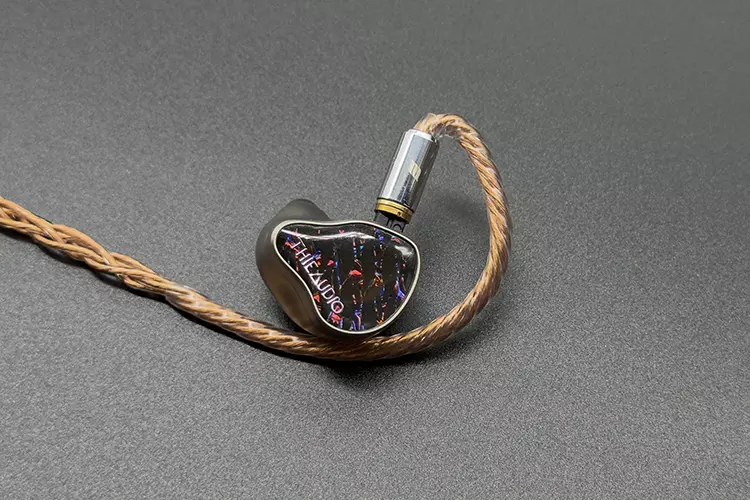
On the stock setting, Valhalla is revealing, fast, and quite responsive to changes upstream. You get a slight bass lift for the foundation, but the overall tone can still lean a bit neutral through the mids, with a treble region.
On some tracks, that can come across as slightly analytic. Not harsh all the time, but a touch too crisp or too exposed. Ares 10 steps in and fixes that in a very tasteful way. This is one of those pairings where the change is easy to notice.
In the bass, Ares 10 does not try to boost things for effect. Instead, it trims a bit of that mid-bass presence and makes the low end feel cleaner. Bass notes come through tighter and with better control.
In the midrange, you immediately notice a richer tone. Not thick. Not syrupy. Just richer, touch smoother, and less dry. Instruments carry a more natural body. Vocals especially benefit from this. They get better weight, more openness, and a more natural sense of extension.
The upper midrange and lower treble area is where the pairing really pays off. That slight crunch or edgy bite Valhalla can show at times gets toned down. Ares 10 smooths that region without blunting it.
The treble presentation shifts toward smoothness and naturalness. It does not lose resolution. It just feels more settled and refined. Images feel a little more relaxed. There is less tension in the presentation. That makes separation feel more organic rather than artificially highlighted.
Overall, Valhalla, which is already a very competent IEM, simply sounds more complete. Tracks that might normally feel a bit too forward or slightly irritating become much easier to enjoy. You stop thinking about the energy and start focusing on the music.
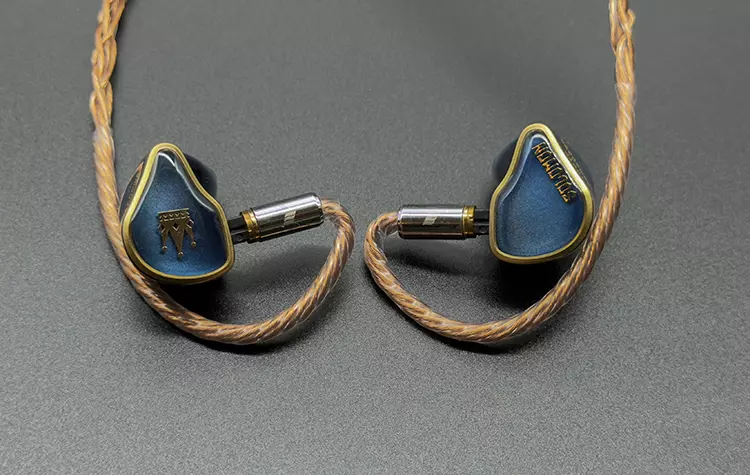
BGVP Solomon
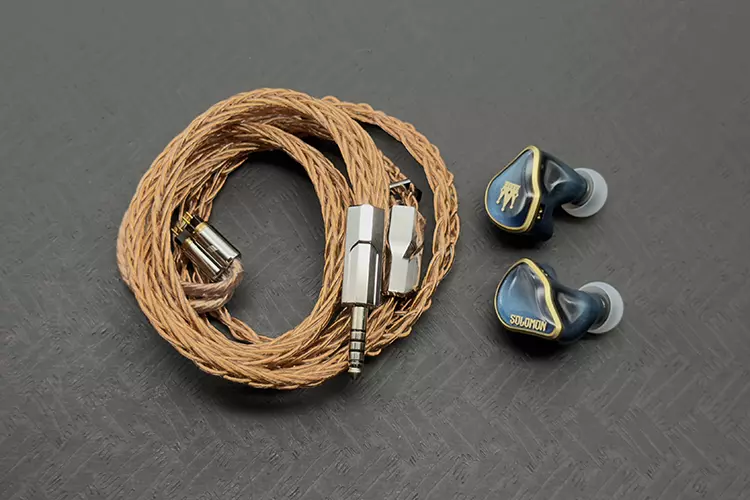
Solomon is already in a good place with its stock setup. The Temple Cable does a surprisingly solid job. Good enough, in fact, to keep upgrade thoughts away for a while.
Solomon is highly resolving, very airy, and hot in upper frequencies too. These same strengths can sometimes push a bit too much energy into the presentation.
The treble can feel a little sharp, a little too pushy, which can kill some enjoyment for a few folks. Ares 10 handles that quite well.
It just eases Solomon. The clarity stays. The sense of resolution stays. But the unwanted edge gets pulled back a bit. The lower treble crunch is still there, just less aggressive.
The upper treble also feels more controlled. Less sharp. Less jumpy. So, the whole top end becomes easier to enjoy without losing the reason people admire Solomon in the first place.
Solomon already has good depth and enough rumble in the low end to stay engaging, but on stock, it can feel slightly lean in body. The bass has reach, but not always the weight or warmth you may want.
Ares 10 adds some heft here. You get a richer, fuller low end. A bit more warmth, too. I do think the dynamic drivers are responding strongly to the cable change here.
The midrange also benefits. Ares 10 gives it a more natural tone and a better sense of note presence. Vocals stand out more. There is more flesh on the notes. More ease too. That helps Solomon sound less like it is chasing detail and more like it is simply playing music.
The result is a more organic and more enjoyable Solomon. Still technical. Still exciting. Still very detailed. But now with better balance and a more natural tone.
Selected Comparisons
PLUSSOUND Copper Fusion Hybrid
Technical
The newly released cable from PLUSSOUND, Copper Fusion Hybrid, brings together two different alloy mixes: copper with silver and copper with gold. P
LUSSOUND has used a 25AWG wire here, built with three separate layers and multiple strand sizes packed tightly together.
Looking further into the structure, the outer layer uses both copper+silver and copper+gold alloys. The middle layer is made fully from copper and silver. Then the center layer uses copper+gold again, but this time with the largest diameter strands in the whole structure.
Each strand is enamel-coated, which helps reduce electrical irregularities and also keeps oxidation in check over time.
Design
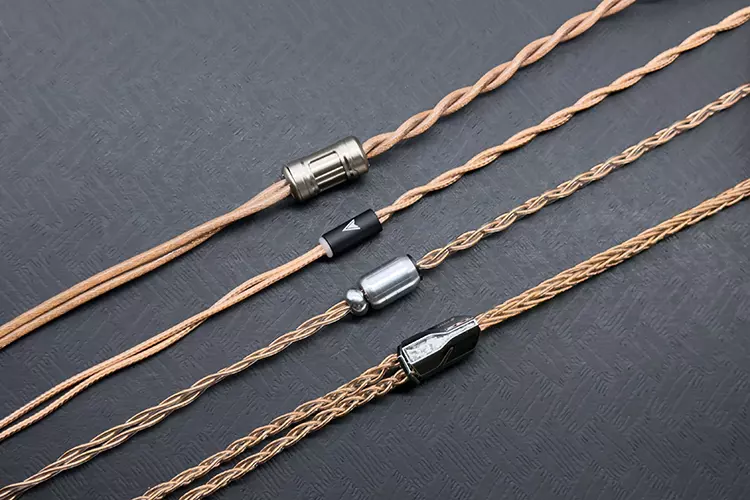
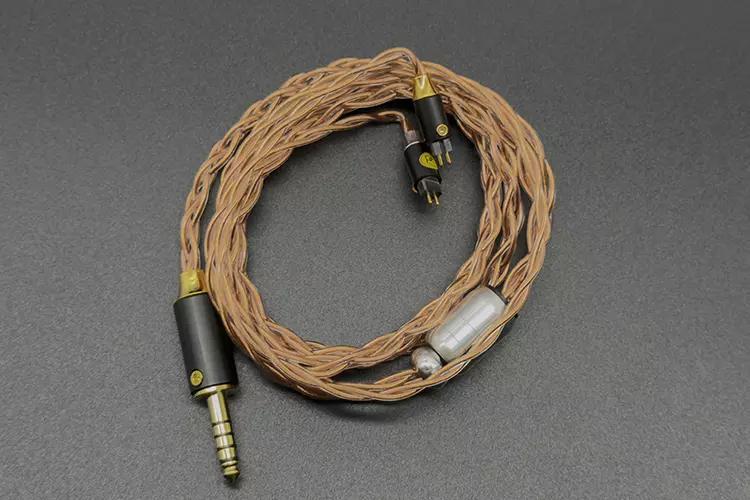
The looks are very PLUSSOUND, and the design feels uncompromised here, with the look and feel matching some of the higher-priced cables from the brand. The Copper Fusion Hybrid cable has a copper-toned color scheme with an added shine.
The cable itself is very supple and easy to handle. The hardware on this cable is quite robust and carries the same solid build language that we find on other PLUSSOUND cables.
Ares 10, on the other hand, is a slightly thicker cable, which is expected from its 10-wire build. I would put the Copper Fusion Hybrid’s handling ahead of the Ares 10. It never bothers you with its presence.
I find the hardware on Ares 10 very pleasing because of its cleaner, shinier finish, which adds a layer of sophistication to the overall look.
Performance
Copper Fusion Hybrid feels a bit more balanced in how it approaches things. It plays to copper’s strengths, yes, but it does not go all in on warmth or lushness. The silver and gold elements keep the top end cleaner and more polished.
Ares 10, in comparison, sounds more obviously rich and more musical. It leans more into sweetness, especially through the midrange, and gives the sound a slightly more expressive and emotionally engaging character.
In the low end, Ares 10 brings in a stronger sense of body and note presence and can come through with more warmth and a more noticeable lift in richness. Between the two, Copper Fusion Hybrid feels a bit more restrained. It adds weight in a more measured way and keeps things pretty even and composed
If midrange tone is the priority, Ares 10 has a stronger personality. Copper Fusion Hybrid does not push that much sweetness into the midrange.
Its focus is clarity and a cleaner presentation, and it does not add much weight and density to notes. With Ares 10, on the other hand, notes have more body and more bloom around them.
In the treble, Copper Fusion Hybrid feels slightly more polished in a quiet way. It smooths the leading edge, keeps the air intact, and does not pull down energy much.
Ares 10 also smooths treble, but it does it with a bit more tonal richness underneath. The result is a treble that sounds softer in texture and a touch less open, though still detailed and extended enough.
On the technical side, Copper Fusion Hybrid has a slight edge in the openness and crisply outlined images. Ares 10 trades a bit of that cleaner structural feel for a more fluid and musical one.
Effect Audio Code 23 MKII
Technical
The Code 23 MKII is a copper-only cable from Effect Audio. It is built using 16.5 AWG UP-OCC Pure Copper Litz and features a 13-bundle, multi-size layout within EA UltraFlex™ insulation.
At the center, the cable uses the Quad-FlexPro Solid Core system, which consists of four individual cores of varying sizes, each catering to a specific frequency range. This allows the cable to maintain consistency and electrical stability across all signal paths.
At its core, the Ares 10 uses a newly developed Tri-Strata Copper Architecture, which is essentially a three-layer composition with multiple copper variants across all three layers.
Design
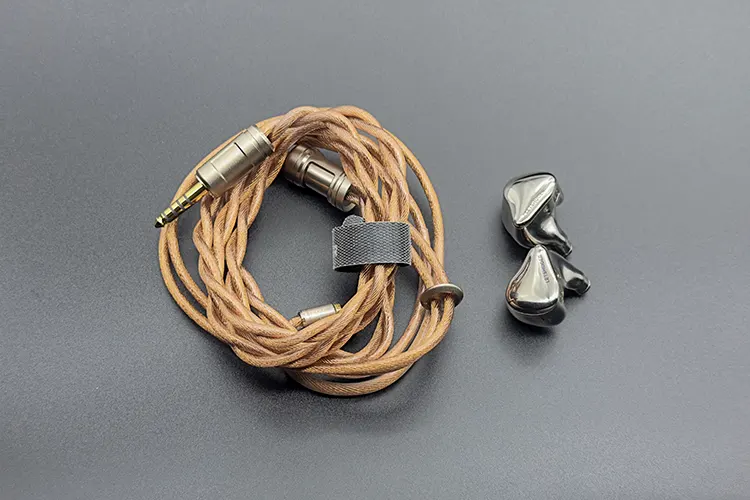
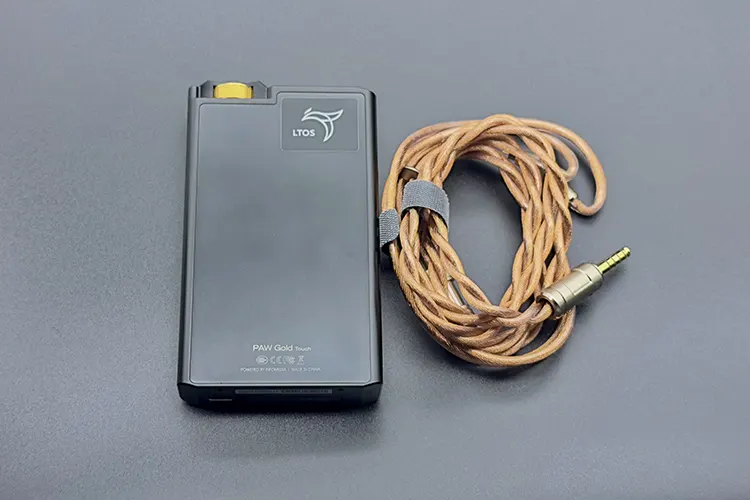
Code 23 MKII has a more premium and flashy touch due to its shiny appearance and hardware. Ares 10 does have shiny elements too, but they feel more subtle. The design on Ares 10 is also more geometric, which gives it a more formal look.
The termination adapter and Y-split on Code 23 MKII have clean lines, neat chamfers, and a more cylindrical structure. One good thing is that the hardware on Code 23 MKII does not attract fingerprints or dirt as easily, and also feels more resistant to scratches.
In terms of handling, Ares 10 is the easier one, thanks to its more breathable braiding.
Though both cables use the same EA UltraFlex sleeve, I find Ares 10 more flexible than the slightly more rugged and thicker-sleeved Code 23 MKII. However, Code 23 MKII does have a cleaner appearance from a distance.
Performance
Code 23 MKII leans much harder into warmth. It adds more low-end weight, more fullness, and a richer overall tone. Ares 10 also brings richness, but it does so in a cleaner and more controlled way.
It feels a bit more open, a bit more detailed, and a touch airier. That extra copper-gold alloy really seems to help here.
In the low end, Code 23 MKII adds extra warmth and more body. It has a thicker, softer kind of bass lift. It’s very pleasing with leaner IEMs, or with sets that feel slightly dry down low.
Ares 10, on the other hand, sounds more controlled and more textured. Bass feels better shaped, so if an IEM already has a warm or full low end, Ares 10 is usually the safer and better match.
Code 23 MKII gives you a fuller lower midrange and carries some of that warmth upward. Vocals sound rich, dense, and pleasing. Ares 10 keeps the lower midrange cleaner. It still adds body and depth, but it does not warm things up as much.
It also brings out more nuances and a bit more expressiveness. Because of that, the midrange on Ares 10 feels more accurate and a little more articulate, while still sounding musical.
In the treble, Ares 10 clearly has more openness. There is more air. and energy. It feels better extended, and it holds on to some sparkle and liveliness without compromising detail. Code 23 MKII is gentler here. The treble sounds lighter, softer, and more mellow.
That is really the core difference between them. Code 23 MKII is more about warmth, fullness, and taming energy. Ares 10 is more about tonal richness with better control, cleaner note structure, and a bit more technical openness.
Astral Acoustics Mars
Technical
Mars is a premium release from the Hong Kong-based brand Astral Acoustics. It is a 2-braid coaxial cable priced at $650.
At its core, it is also a copper-only cable, much like the Ares 10. Mars uses 5N Long Crystal OFC Copper Litz wire. It features a three-size stranded coaxial design with a combined effective gauge of 21 AWG.
Design
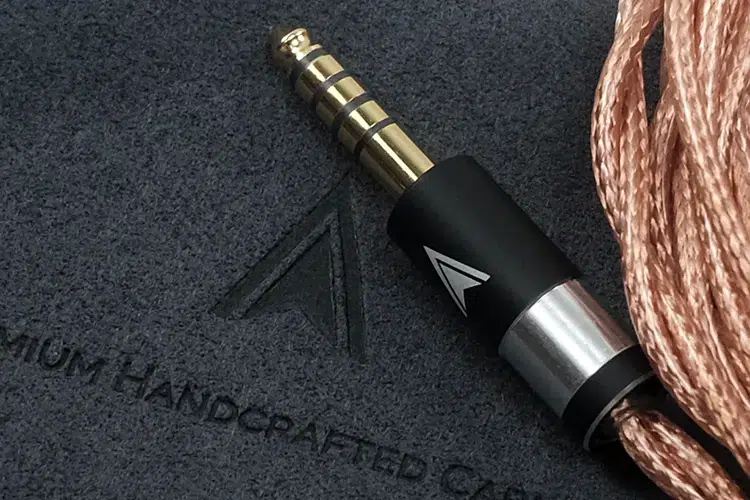
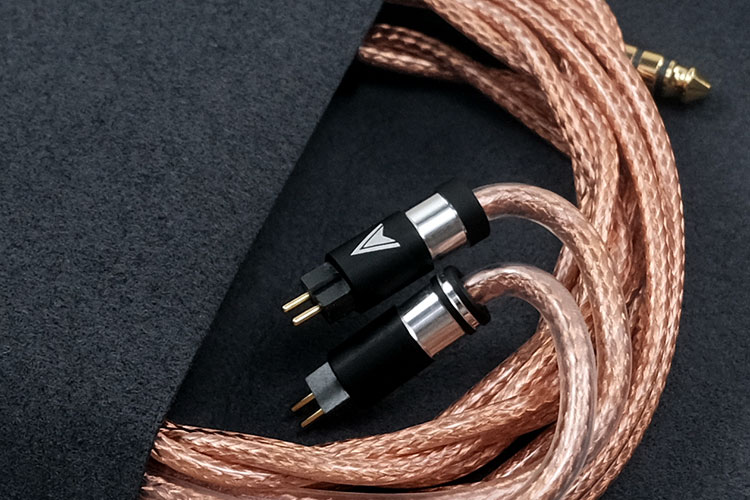
By design, Mars is a very easy cable to handle. The hardware on Mars is quite slim and subtle, finished in matte black.
The wires have more pliability due to the thinner sleeve. They carry a slight firmness, but storing and coiling are easy, and they do not spring back or fight you.
Ares 10, on the other hand, has more beef and body, with greater thickness, so it takes up a bit more space when stored.
However, despite being a 10-wire design, the cable remains quite breathable and easy to handle. The hardware is also more refined in shape, giving the Ares 10 a slightly more polished look.
Performance
Mars is one of the smoothest-sounding cables I have tried. It has a softer and warmer hand to the sound. Ares 10, on the other side, sounds a bit more open, a bit more vivid, and more willing to preserve energy and detail.
In the low end, Mars puts more focus on the mid-bass to the lower midrange region. That gives the bass a warmer and slightly fuller character. Ares 10 gives more of a whole low-end lift. The sub-bass goes a touch deeper.
Here, the difference is more about shape and emphasis than quality. Both cables do a very good job with texture and detail.
In the midrange, because of how it balances energy, clarity, and extension, Ares 10 feels more tonally accurate. Mars sounds warmer and more full-bodied here. Smoother too. But Ares 10 feels more expressive.
The upper midrange extends better, which helps female vocals come through with better presence and life. Mars is pleasing and lush, but Ares 10 feels more open and better balanced.
In the treble, Mars is refined and easy on the ear, but it does not separate notes as clearly as Ares 10 does. Ares 10 keeps more air, more sparkle, and more energy in the mix.
That gives it a clearer and more revealing top end. If your goal is to tame brightness, kill unwanted peaks, and add warmth and lushness, Mars is the better choice.
In the soundstage, Mars adds depth and holography over most stock cables, and it presents things in a calmer and more polished way.
But for me, Ares 10 does even better in depth and holography. It does not stretch as wide as Mars can at times. With Ares 10, the images are sharper and more outlined; also, the stage feels more open.
My Verdict
The Ares line from Effect Audio has aged beautifully. It has always had its own place, but Ares 10 feels like a complete and more polished version of that identity.
There is a maturity to it. The copper richness, paired with that gold-copper alloy touch, brings in a very pleasing tonal balance. It sounds rich, smooth, and musical, but never slow or overly colored.
What I like most about Ares 10 is that it does not chase cheap excitement. It does not try to impress with forced sharpness or an artificial sense of clarity. Instead, it leans into tone, body, and musicality.
The midrange is where this really comes through. Vocals have an addictive sweetness. Instruments sound more natural. There is a softness to the delivery, but not the kind that takes away detail. It just makes everything feel more refined and easier to enjoy.
Among the recent Effect Audio releases I have tried, including Code 24 MKII and Code 23 MKII, Ares 10 is easily my favorite of the lot.
It hits the right balance for me. It gives enough richness. Enough technical cleanliness. But it never forgets to sound musical first. Plus, in terms of performance, it is a much easier and more comfortable cable to handle.
If you are someone who values a sweet midrange and engaging vocals, Ares 10 is very easy to recommend. Its synergy with some of the IEMs I tried was genuinely impressive. For me, this is one of the most satisfying cable releases from Effect Audio in recent times.
Effect Audio Ares 10 Technical Specifications
- Spec: 26 AWG, 10 Wires
- Material & Structure:
- – Soul Blend Gold Copper Alloy
- – Organic Timbre Pure Copper
- – Tri-Strata Copper Architecture™
- – Multi-sized Core Bundles
- Sleeve: EA UltraFlexi™ Insulation
- Plug: 4.4mm Balance, EA Standard Rhodium-Plated Brass Straight Type
- Connector: ConX – 2-pin (Default)
