

Synergy
Power
The TC44Pro M3 has a decent power output of up to 120 mW into 32Ω via the 4.4mm balanced output, and a respectable 90mW into 32Ω via the 3.5mm output.
Even on its single-ended output, the TC44Pro M3 had more than enough power to drive the Yanyin Canon II with a decent amount of headroom.
When paired with my MacBook Air, the drive the Canon II via its SE jack to a listenable level while at about 40% of its maximum output.
However, switching to its 4.4mm balanced port, I found that it was able to drive the Canon II to a listenable volume at just 20% of its max volume.
My harder to drive IEMs, such as the Blessing 3, performed similarly, indicating that the M3 has enough power to drive almost any IEMs.
Even on its balanced output, the M3 was unable to maximize my Sennheiser HD 580 Precision headphones. It was able to drive them to a listenable volume while at 60% output, but it had an overall sibilant treble and bloated bass range that made it hard to listen to.
Pairing it with more efficient headphones, such as the Harmonicdyne Baroque, yielded better results. I found it was able to drive the Baroque to listenable levels and close to peak dynamic performance while showing just 40% on the Mac OS volume indicator.
Pairings
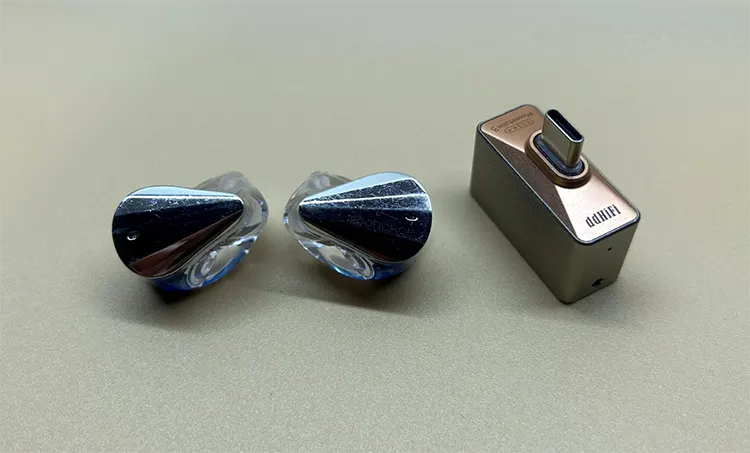
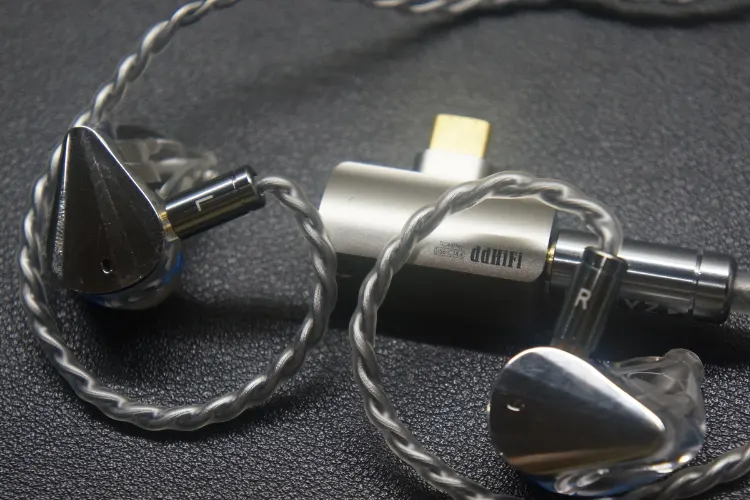
During my testing, I found that the TC44Pro M3 paired best with more neutral-sounding IEMs and Headphones that did not have too much innate warmth. Amongst all the IEMs I’ve tried, I found that the TC44Pro M3 paired best with the MOONDROP Blessing 3.
This did not come as a shock since I tend to prefer the Blessing 3 paired with warmer sources since it compensates for the slightly lean bass of the IEMs.
The additional warmth of the M3 did not cause any bloat or bloom, and instead contributed to a more lush and relaxing sound signature without sacrificing too much technical performance.
I was shocked to find that the M3 paired well with the Harmonicdyne Baroque full-sized headphones. Because of its efficient drives, the M3 had no problem powering them while preserving its good dynamic performance.
Despite the Baroque being a warm leading pair of headphones already, I found that the slight warmth added by the M3 did not cause too much bass bleed or too much bass emphasis.
Select Comparisons
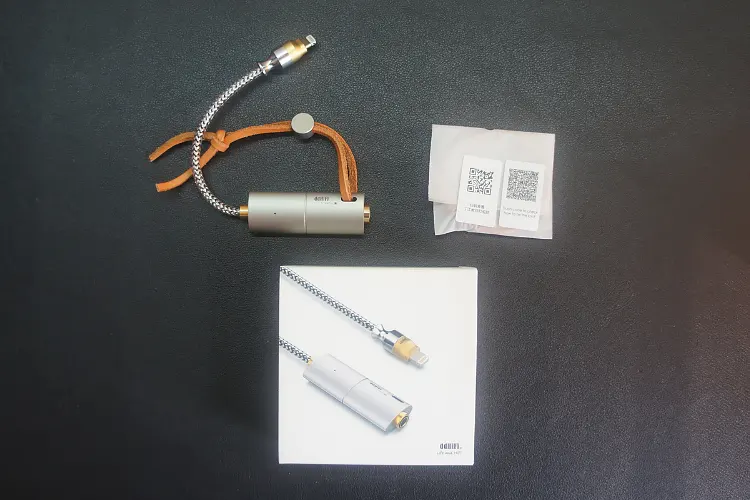
ddHiFi TC44Pro
Technical
The ddHiFi TC44Pro M3 uses dual Cirrus Logic CS43198 DAC chips, capable of decoding up to PCM 32-bit/384kHz and native DSD256, while the TC44Pro uses dual CS43131 DACs, also supporting PCM 32-bit/384kHz and DSD256.
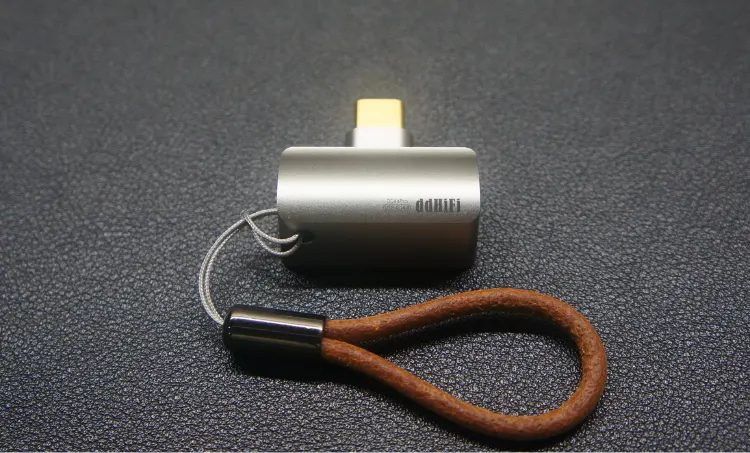
Just like the TC44Pro M3, the original TC44Pro’s sole input is a direct USB-C plug; however, the TC44Pro comes in a lightning model as well. This eliminates the need for an integrated cable, but it may cause clearance issues with adjacent USB-C ports.
Both dongles differ in outputs as well. The TC44Pro M3 can power up to 120mW into 32Ω on its 4.4mm output and 90mW into 32Ω via 3.5mm, while the original TC44Pro’s sole balanced output can power a similar 120mW into 32Ω
Design
With both dongles coming from the same manufacturer with the same “mountain” series design language, the TC44Pro and TC44Pro M3 are similar bedfellows.
The main differences include a smaller form factor for the TC44Pro and only a single 4.4mm output, while the TC44Pro M3 has both 4.4mm and 3.5mm SE Outputs.
While insignificant in hand, this made the TC44Pro M3 more of an obstruction to my laptop’s I/O when compared to the original TC44Pro, but this was less of an issue during phone usage.
Performance
The sound signatures of the TC44Pro and TC44Pro M3 are very similar, with the M3 being slightly warmer. I tested both using the 4.4mm balanced output, and in terms of driving power, they performed nearly identically.
The warmer-leaning TC44Pro M3 has a noticeable bump in the mid-bass and lower mids, resulting in a fuller, more textured presentation of bass guitars and a stronger presence for male vocals.
These elements sound richer and more authoritative, especially in genres like jazz, soul, and ballads.
The original TC44Pro, in contrast, offers a cleaner, more neutral tuning that favors upper mids and lower treble. Strings and female vocals come across with better separation and clarity, giving acoustic and classical tracks a more airy and detailed sound.
ddHiFi TC44Pro E2
Technical
The ddHiFi TC44Pro M3 uses dual Cirrus Logic CS43198 DAC chips, capable of decoding up to PCM 32-bit/384kHz and native DSD256.
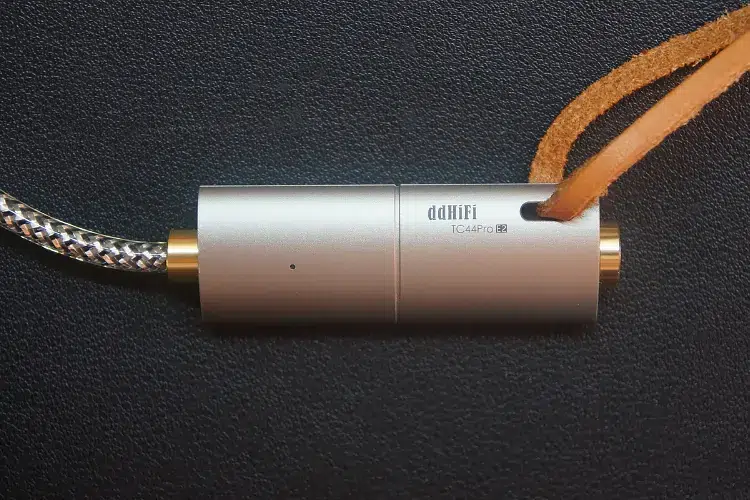
The TC44Pro E2 utilizes dual CS43131 DACs in combination with dual ES9603Q op-amps, retaining the same decoding capability of PCM 32-bit/384kHz and native DSD256.
The TC44Pro M3 connects via a direct USB-C plug and offers both 4.4mm balanced and 3.5mm single-ended outputs, giving it more flexibility in device and IEM pairing.
In contrast, the E2 moves to a cabled design with a 9cm silver-shielded USB-C or Lightning cable and features a single 4.4mm balanced output.
In terms of power, the M3 is rated at 120mW into 32Ω on 4.4mm and 90mW via 3.5mm. The E2 boasts a higher spec of 250mW into 32Ω via 4.4mm, though real-world usage suggests a more modest bump; it’s still enough to drive more demanding gear than the M3 with a bit more headroom.
Design
Despite being from the same ddHiFi family, the two dongles take different design routes. The TC44Pro M3 continues the angular “mountain” series aesthetic with sharp lines and a direct USB-C plug. The E2 adopts a sleeker, capsule-like design with a metallic “eye” shape and fixed cable.
The M3’s blocky form can be more of a hindrance on laptops or tightly spaced USB-C ports, though it’s more compact overall when paired with phones.
The E2’s fixed cable adds length and bulk but avoids port crowding and feels more at home in mobile setups.
Performance
The TC44Pro E2 and TC44Pro M3 differ in tonality and presentation, though the gap between them is more subtle compared to the difference between the original TC44Pro and the M3.
The M3 still leans slightly warmer, with a modest emphasis on mid-bass and lower mids. This results in a fuller and more textured presentation for bass guitars and male vocals, giving certain genres like jazz, soul, and ballads added weight and richness.
The E2 tilts toward a more neutral tuning. While not necessarily brighter, it has noticeably stronger dynamics and resolution, especially in the sub-bass region and upper treble.
These frequencies aren’t louder per se, but the improved dynamic contrast and harmonic layering make low-end rumbles and treble air come through with greater detail and nuance. Imaging is tighter, and the sense of space and separation feels more precise.
iFi Audio GO Link Max
Technical
The TC44Pro M3 relies on dual Cirrus Logic CS43198 DACs, delivering clean high-res playback up to PCM 32/384 and native DSD256.
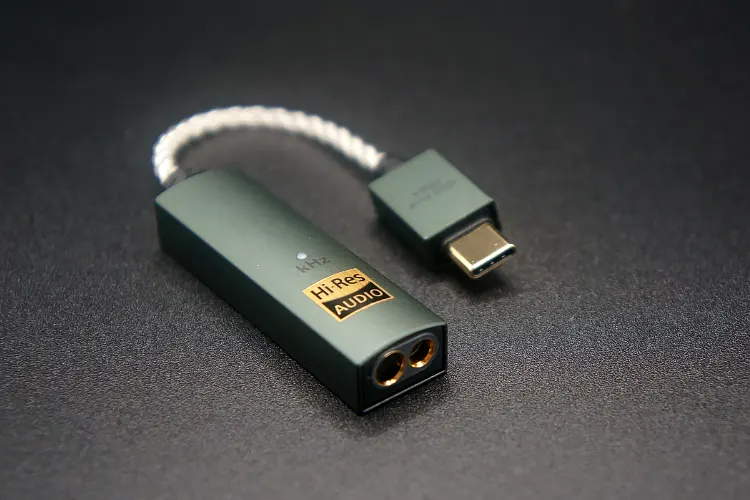
The iFi GO link Max takes a different approach with dual ESS ES9219 Sabre DACs, also supporting PCM 32/384 and DSD256, plus iFi’s Dynamic Range Enhancement (DRE), which is said to add dynamic range for richer playback
In terms of power, the M3 outputs 120 mW into 32 Ω balanced and 90 mW single-ended. The GO link Max significantly outpaces it with 241 mW balanced and 100 mW via its 3.5 mm output
For connectivity, the M3 has a direct USB-C plug and both balanced 4.4 mm and SE 3.5 mm outputs. The GO link Max features a short, wired USB-C to the dongle body that offers the same two outputs. Both are plug-and-play with no extra drivers needed.
Design
Both dongles feature solid metal constructions and compact builds, but they take fundamentally different approaches in form factor.
The TC44Pro M3 embraces ddHiFi’s signature “mountain” aesthetic—a sharply angled, machined aluminum block that plugs directly into your device’s USB-C port.
The GO link Max opts for the more traditional cabled dongle form, with a short, braided USB-C cable leading to the main unit.
It’s slightly longer overall, but because the body is physically separated from the USB port, it avoids interfering with nearby connectors. This setup also offers more flexibility in cramped or awkward spaces.
Performance
The TC44Pro M3 leans slightly warmer than the GO link Max, offering textured mid‑bass and lower mids that enhance richness in vocals, bass guitars, and laid-back genres like jazz and soul. It brings a smooth, musical presentation that works especially well with IEMs and easier-to-drive headphones.
The GO link Max, in contrast, delivers a more neutral-leaning, technically proficient sound signature. It’s Dynamic Range Enhancement (DRE, making quiet details more audible and impactful.
It also demonstrates stronger dynamics and cleaner resolution, particularly in the sub-bass and upper treble.
These areas don’t necessarily come through with more volume, but the improved dynamic contrast and harmonic layering make them stand out with greater detail, presence, and realism.
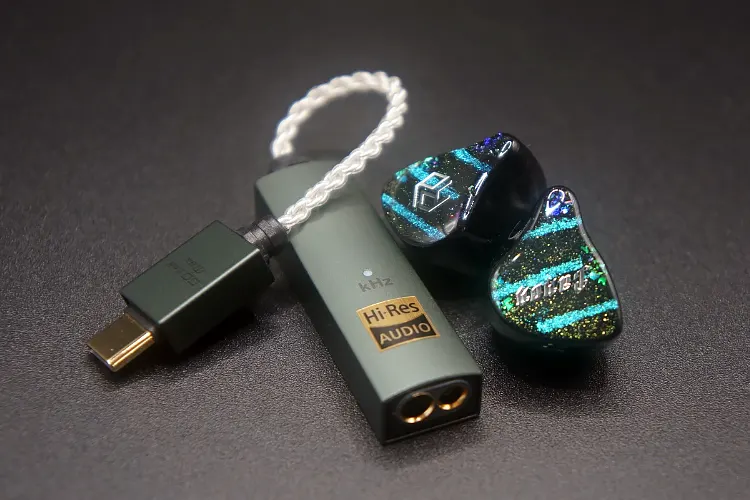
Additionally, the substantial power advantage of the GO link Max became evident when driving full-sized headphones. It handled the HarmonicDyne Baroque and Sennheiser HD 660S with more authority than the M3, delivering better headroom, bass control, and overall slam.
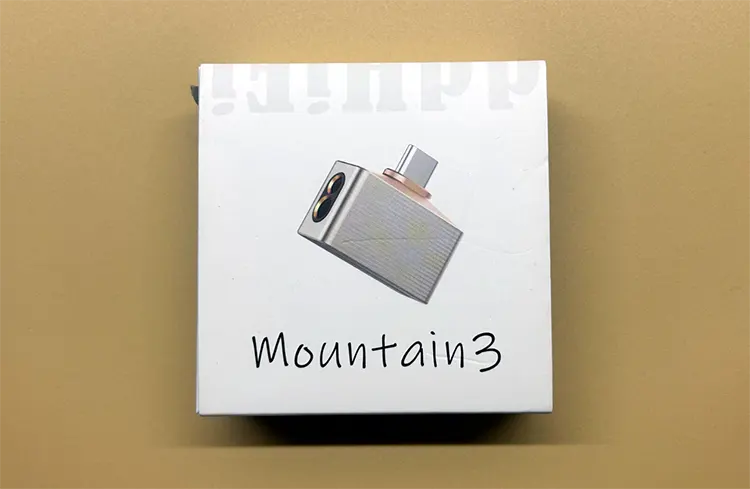
My Verdict
The ddHiFi TC44Pro M3 is an affordable, clean-sounding dongle DAC with some slight warmth in its tuning, decent power, and a compact yet premium-feeling build.
As a fan of ddHiFi’s dongles and their house sound, I was excited to see that they finally have a dongle with both 3.5mm and 4.4mm outputs
However, it’s hard to ignore that there are similarly priced and compact dongles that offer more power, granting more flexibility when it comes to driving more efficient headphones
For listeners who primarily listen to IEMs, the TC44Pro M3 is a solid-sounding dongle DAC with good sonic versatility and physical durability. With its slightly warm coloration, fans of more relaxing IEM sound signatures should give the TC44Pro M3 a listen.
ddHiFi TC44Pro M3 Technical Specifications
- DAC Chips: Dual CS 43198 DACs
- Output(s): 3.5mm Single Ended and 4.4mm Balanced
- Output Power: 90mW @32 Ohms (SE) and 120mW@32 Ohms (BAL)
