

Wired Connectivity
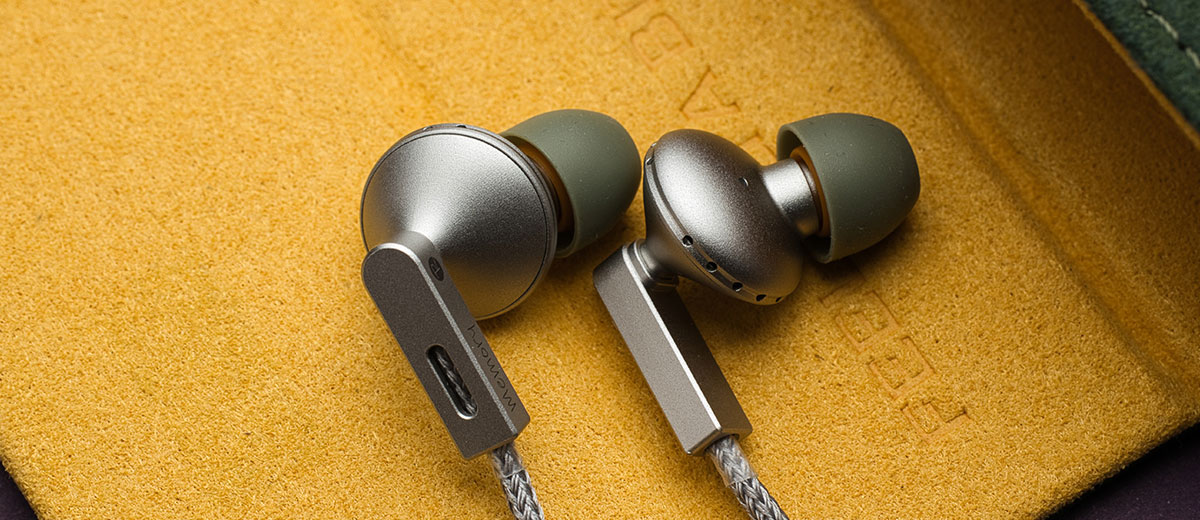
My primary use for the Memory is for outdoor portable use during trips or walking exercise, paired with my phone. Still, thanks to Memory’s modern design and components, it is fully compatible with my Android phone, Windows 11 PC, Windows 10 laptop, and several of my DAPs.
When plugged into my PC and Laptop while music or YouTube is playing, the sound output is automatically routed to the Memory. When unplugged, the sound output automatically reverts to the speaker output.
Memory also works with my Fiio M15s, Shanling M3 Plus, HiBy R3Pro II, Tempotec V1, and Shanling’s M3X DAPs without any hiccups.
Synergy
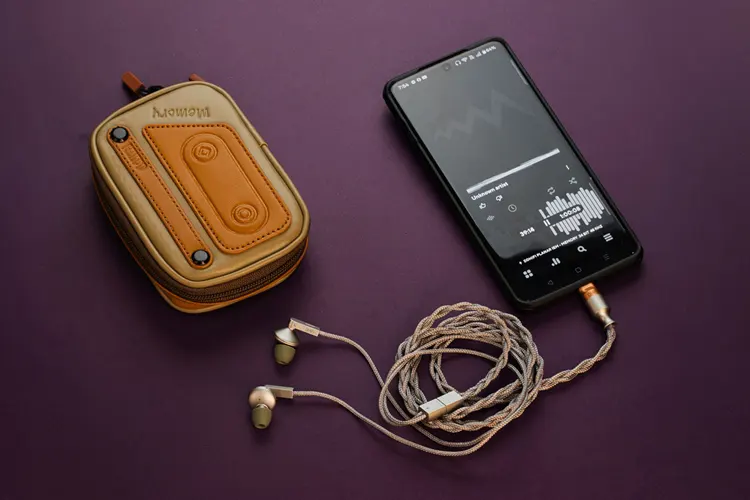
On my testing of the Memory with various sources, including a PC, a laptop, a phone, and several DAPs, not once did I hear noise or a popping sound, which might indicate radio frequency interference.
Memory remains silent when plugged into the source with no music playing, and it works with all my DAPs, even when some of my dongle DACs wouldn’t work, which means Memory has a higher level of compatibility than most dongle DACs when paired with various DAPs.
Selected Comparisons
MOONDROP May
Technical
The MOONDROP May is a USB-C Online Interactive DSP DD +Planar Hybrid Dual Drivers Fully Balanced HiFi In-ear Monitors With Interchangeable Cable.
It features a 10mm Sapphire Plated Diaphragm Dynamic Driver + 6mm Annular Planar Magnetic Drive, with an impedance of 30 Ohms and 120 dB sensitivity.
The MOONDROP May is compatible with the MOONDROP Link 2.0 App, which is used to program the equalizer in the May.
Design
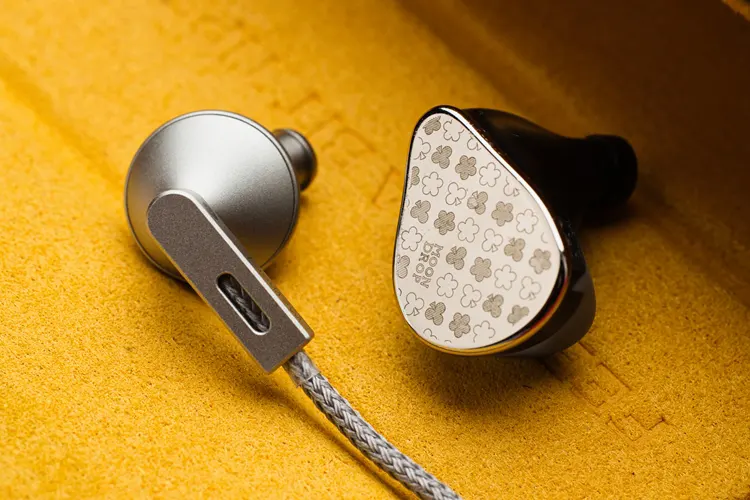
May uses a black 3D printed resin shell with a metal faceplate. I like the mirror-finished faceplate, mainly when a light source reflects on its surface, as the design pattern becomes more apparent.
It includes a removable, thick, colored cable with a built-in mic, control buttons, and a USB-C plug at the input end.
Performance
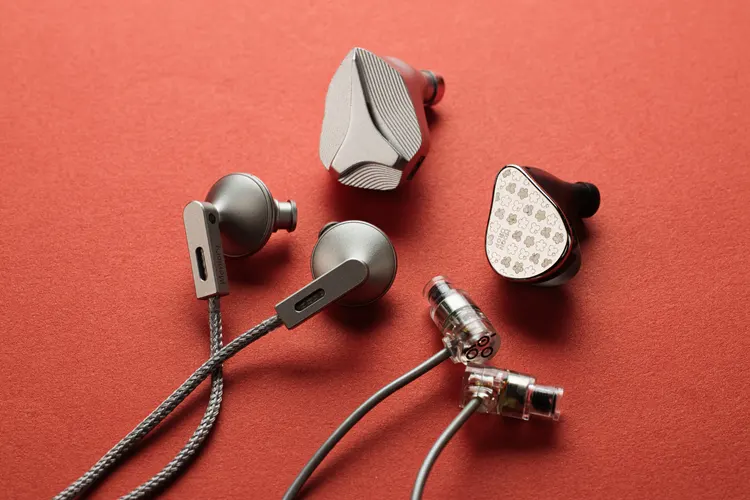
The MOONDROP May has a U-shaped sound signature where the sub-bass is slightly boomy, upper midrange recessed somewhat, and upper treble sound sparkly and airy, compared to Memory’s slightly V-shaped sound signature with boosted mid-bass and lower treble, and relaxed upper treble.
May has a bigger soundstage and has a grander overall sound presentation with its somewhat boomy sub-bass, recessed upper midrange, and airier treble. Memory has a smaller, more intimate kind of sound presentation, like listening to a jazz band inside a small jazz club.
Both are average performing in terms of imaging. They don’t have the most defined images, and neither is particularly holographic.
Regarding dynamics, both are similarly dynamic and can reach equally loud levels; however, May has an edge due to its more pronounced sub-bass extension and crisp upper treble.
MOONDROP Quarks DSP
Technical
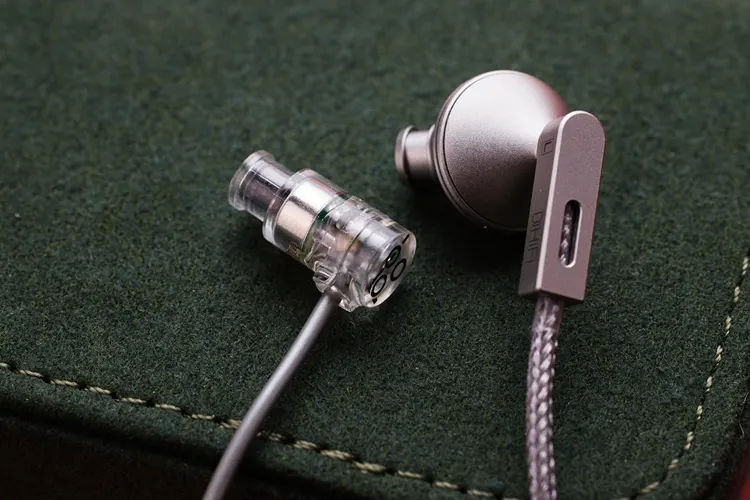
The MOONDROP Quarks DSP features a Microphone, USB-C, and an Enclosed Front Cavity Magnetic Specialized High-performance 6mm Miniature Dynamic Driver. Its 1.2m cable is not removable and has no accompanying App.
Design
Quarks DSP features a small and light shell made of transparent plastic, where you can see the tiny drivers and filters inside. The 1.2m cable is gray in color and features a microphone and control buttons near the headset, as well as a USB-C plug at the input end.
Performance
The Quarks DSP has a slightly U-shaped sound signature; it sounds more neutral than the Memory with a more balanced bass, midrange, and treble presentation. It also has a flatter perceived frequency response with more treble extension.
Soundstage-wise, they are about equal in size, with the Quarks DSP having a broader stage and the Memory being deeper. I find the upper treble extension in the Quarks DSP gives it a more spacious and open soundstage, but the soundstage depth on the Memory compensates somewhat.
Both are energetic sounding and never anemic, but the Memory is slightly more dynamic and can go louder by a small but noticeable margin.
Hidizs MP145
Technical
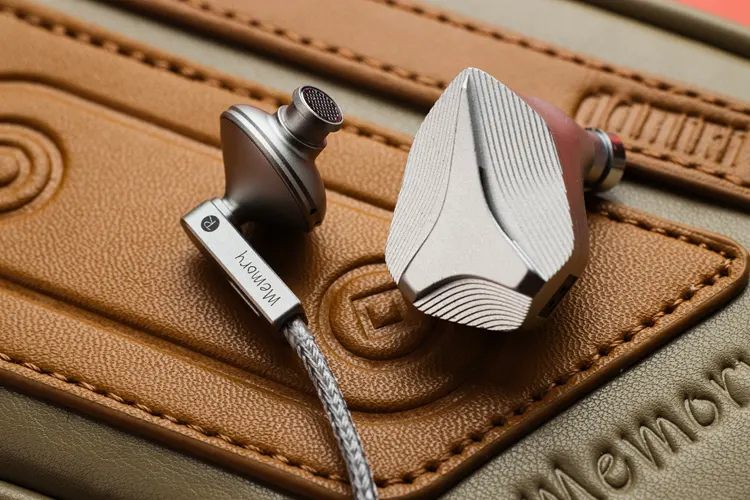
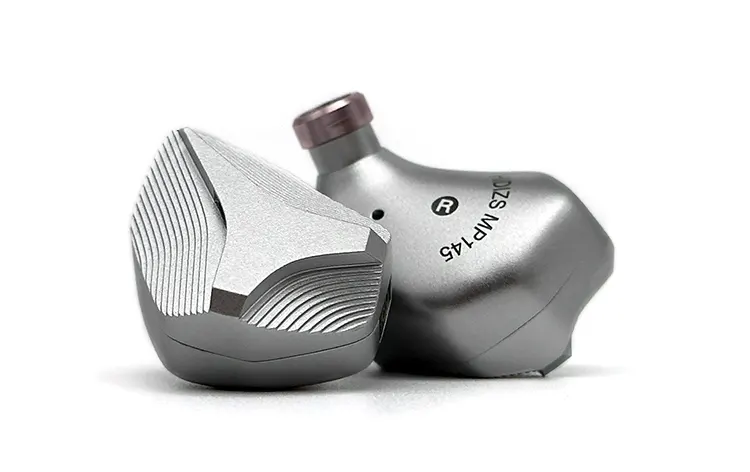
The MP145 features a 14.5mm Ultra-large Planar Magnetic Driver with traditional planar design and changeable tuning nozzle filter, it has an impedance of 30 Ohms, and sensitivity of 104 dB.
MP145 is not an IEM with a 3.5mm input plug and not a USB-C cable like the Memory; MP145 is only here because I want to compare the unique planar driver design of the Memory to a traditional planar driver design.
Design
Whale-Inspired Design, Hidizs MP145 has a large all-aluminum alloy shell with a faceplate that has a design that resembles a whale’s tail. The IEMs have good build and finish quality; however, I find the cable too thin for my taste, and it tangles easily.
Performance
The MP145 features a U-shaped sound signature, characterized by its boosted and slightly boomy mid-bass, recessed upper midrange, and elevated upper treble, in contrast to Memory’s warm V-shaped signature, which boasts a boosted mid-bass, elevated lower treble, and relaxed upper treble.
MP145’s bass is boosted and slightly boomy; however, the weight and texture are light and dry, or at least lighter and drier than most dynamic driver bass.
Memory’s bass sounds like dynamic driver bass, even though it’s not the most sub-bass rumbly bass I’ve heard; it sounds like an average bass for a single DD IEM.
The treble on the MP145 is more extended and airy; it is also more technical, with improved separation, definition, and resolution. Though Memory’s treble isn’t as good as the MP145’s treble, Memory’s treble technical performance is better than most single DD IEMs.
MP145 has a bigger soundstage, better imaging, resolution, and details. Still, I can’t compare it to the Memory in that regard, as the MP145 is paired with higher-quality sources, such as DAPs and DAC amplifiers, in contrast to the tiny USB-C plug that serves as a dongle DAC on the Memory.

My Verdict
My initial concern regarding the dynamic performance, due to Memory’s use of planar drivers and a tiny amplifier, has been relieved at first listen, as I was greeted with loud, energetic, bassy, and dynamic sound.
I love the design, and I like how Memory combines the positive aspects of planar and dynamic driver sound quality with its dynamic driver-like bass and planar-like treble technical performance.
That said, the bass is not the best example of DD bass, and the treble is also not the best example of planar treble; it’s a sort of a jack of all trades but a master of none.
I have to commend ddHiFi and MOONDROP for developing a unique and efficient driver used in a USB-C earphone set that looks delightfully youthful, sounds musically engaging, and is easy to use. I believe the ddHiFi Memory will find its way into the ears of many listeners.
ddHiFi Memory Specifications
- Driver Configuration: 13 mm planar driver
- Connector: USB‑C (smartphones and devices)
- DAC Chip: CS43198 independent decoding
- PCM Decoding Support: up to 32 bit / 384 kHz
- DSD Decoding Support: native DSD256
- Effective Frequency Response: 20 Hz – 20 kHz
- Inline Controls: calls, recording, play / pause
- Housing Process: CNC‑machined AL6063 aerospace aluminum
- Main Cable: reinforced braided 5N OCC wires
