

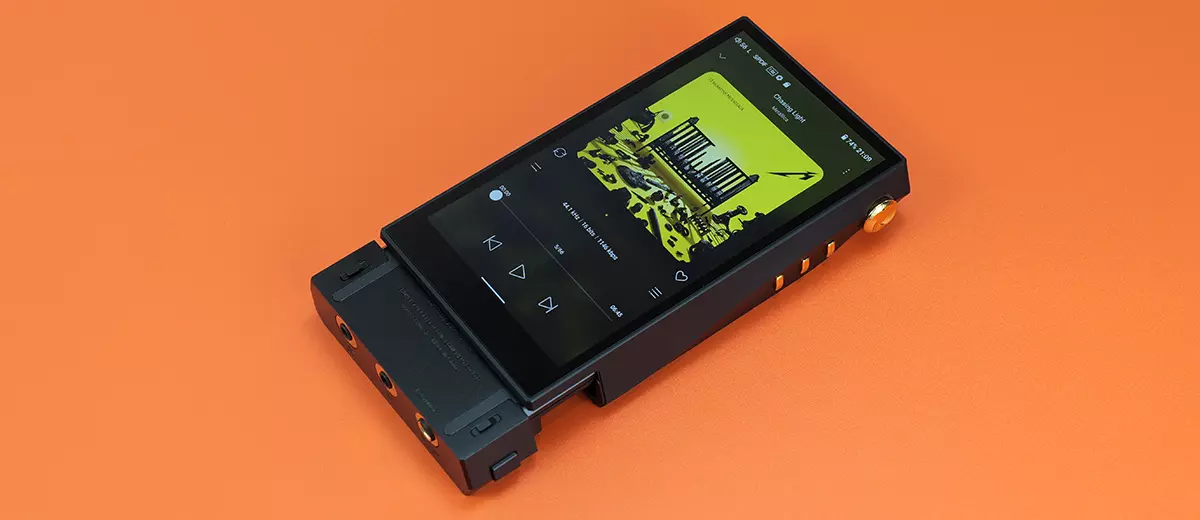
Marcus reviews the Cayin T201, a N6iii DAP motherboard with an AK4497S DAC and Solid-State, Classic Tube, and Modern Tube timbre modes. It is currently priced at $459.00.
Disclaimer: This sample was sent to me for my honest opinion. Headfonics is an independent website with no affiliate links. I thank Cayin for their support.
You can click here to learn more about Cayin products previously reviewed on Headfonics.
This article follows our current scoring guidelines, which you can read in more detail here.
The Cayin T201 is the 4th and final audio motherboard designed for the N6iii digital audio player.
Along with the earlier R-2R and 1-bit-capable R202, the T201 introduces a range of audio ‘flavors’, most notably a much-requested tube dimension and a similar timbre control system to the flagship N8ii.
This is a motherboard rich in analog overtones, offering a punchy yet decidedly tube quality that ranges from deep and rich to wide, airy, and sweet-sounding. Not to mention a more formal, ‘upright’, and more neutral-to-natural solid-state option to make up the trilogy of sound options.
Priced at $459, it’s not the most expensive of the available cards. That honor goes to the $559 R202, but it is more expensive than the $359 E203 and C201 alternatives.
Just how well the T201 competes against the other cards, and my thoughts on how it completes the N6iii ecosystem, are contained in my full review below.
Features
The T201 is a single DAC, triple-timbre amplification audio motherboard designed exclusively for the N6iii DAP.
Inside is an AK4497S DAC, a 2-channel delta-sigma DAC launched in 2025 and the successor to the classic AK4497 previously used by Cayin in the original N8 DAP.
It can decode up to fairly standard native DSD512 and PCM up to 32-bit/768kHz, and on paper, it offers superior noise performance compared to older models, which makes sense since the T201 uses tubes in its circuit.
The balanced-designed amp modes are split between a solid-state output whose signal bypasses the tubes and goes straight to a quad TI INA1620 high current opamps (2×2 in parallel), and a set of matching JAN6148 NOS mini tubes responsible for the Classic and Modern tube timbre sound output.
The T201 is PO- and LO-capable, with balanced and single-ended outputs for each. Rated output power for tube and solid-state modes are the same at a maximum of 252 mW SE and 543 mW balanced for PO (32Ω load), and standard 2Vrms SE and 4Vrms for its line-level output.
Some will be pleased to learn that the T201 also has variable level PRE output capability, at 4Vrms SE and 8Vrms balanced, offering additional flexibility and higher voltage output for connecting to power amplifiers with fixed output.
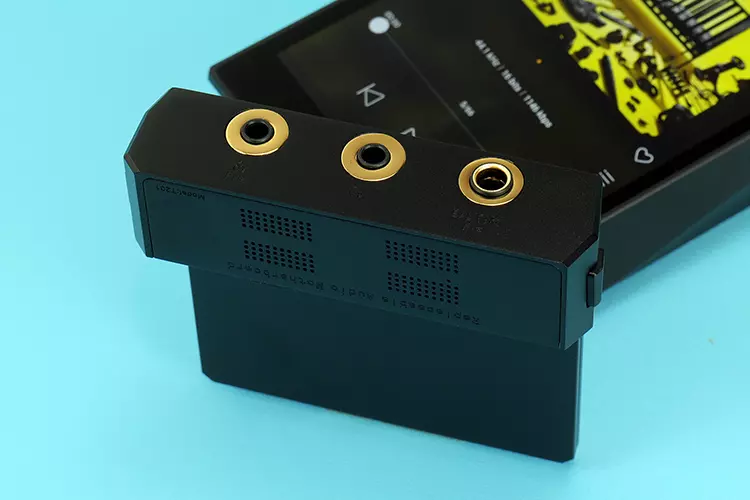
One thing to note design-wise. The T201 has 2 grilles on the rear panel to allow heat dissipation from the tubes and provide an aesthetically attractive orange glow.
I/O
The T201 has 3 output ports, with the central 3.5mm port a dedicated PO for IEM/headphones and the two on either side operating in a multifunctional role for 4.4mm PO/LO/PRE and 3.5mm LO/PRE.
All options are user-switchable from the N6iii UI, either through a quick-access drop-down menu or by drilling deeper into the audio settings sub-menu, where you can also control the PO/LO/PRE options.
Line-out settings also have 3 Vrms levels labeled low, medium, and high, with the quoted Vrms numbers in the feature section based on the T201 in a high setting.
The PRE Out is also governed by these 3 settings, so you can choose a lower level depending on the type of connection you are making.
All timbre options are available for both lineout and PRE output, meaning you are not restricted to a pure line-level DAC output type of sound.
The T201’s volume controller is the same JRC NJW1195 full-balanced volume control chip used by the R202. Via the main N6iii volume wheel, you have access to 100 steps of volume control and three gain levels (low, medium, and high).
Battery life is very impressive, perhaps the best yet from an N6iii motherboard, but it will vary depending on the mode you choose.
Cayin’s weighted mid-gain guides have a rating of up to 23 hours in SE solid-state mode, down to just under 18 hours in either tube mode. For balanced, it’s 21 hours solid-state down to 15-16 hours for the tube modes.
Since these are tests with the screen turned off, using standard 16-bit 44.1kHz files and a relatively low volume, you can expect lower numbers with higher resolution, higher loads, or streaming via WiFi and BT connections.
Installing & Updating
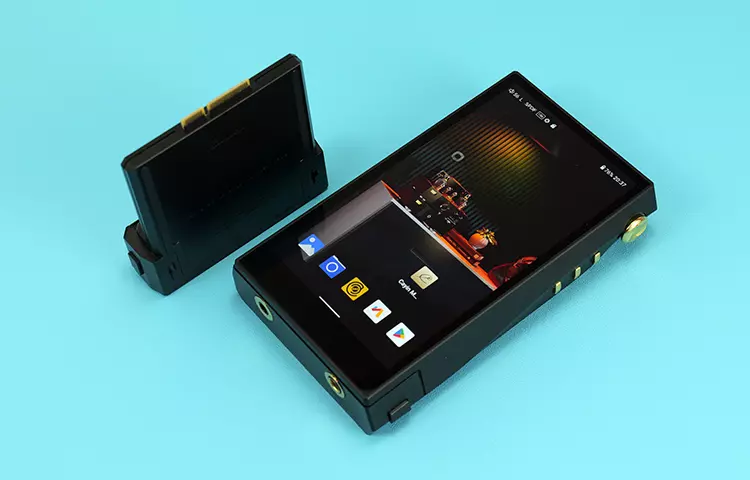
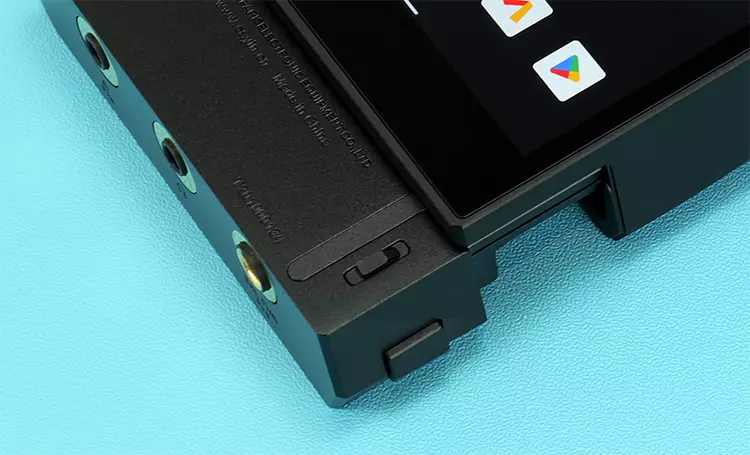
The physical installation of the T201 into the N6iii is now very simple, courtesy of the next-generation motherboard’s dual-latch release mechanism, rather than the first-generation card’s screws.
All you have to do is slide the card in, and the latches on either side will lock it into place. Should you wish to remove the motherboard, press on each side to release the lock, then slide it out.
One important note when installing and using the T201 is the firmware. You need to update it to the latest version (via OTA System updates) before it recognizes the T201 and presents you with the timbre/LO/PRE output mode options.
If you do not, the N6iii will revert to viewing it as the stock C201 motherboard, with no mode options.
Packaging & Accessories
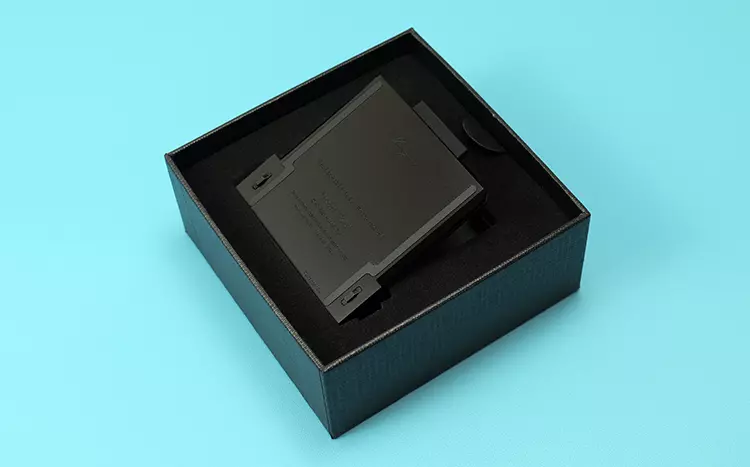
The T201 motherboard comes in a box similar to that of the R202 and E203. These are boxes are more compact than the wider, fiddly, and flatter 1st-gen series board packaging. They also come without screwdrivers or spare screws because of the new quick-release latch system.
That means you get a fairly simple but sturdy compact box with protective layers on the inside, a user guide, and the motherboard, which has a small rubber sleeve over the connector for additional protection.
Sound Impressions
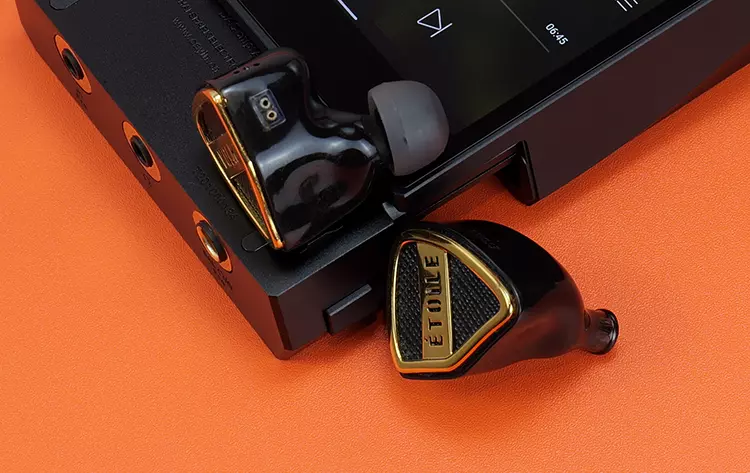
The following sound impressions of the Cayin T201 were completed using the PMG Audio Apx (OG), Volk Audio’s ÉTOILE, the TANGZU Monkey King, and the UM Multiverse Mentor (custom format).
Headphones included the ZMF Headphones BOKEH Open and the Austrian Audio Composer. All connections were balanced, with high gain for the headphones and low gain for the IEMs.
Classic Tube
I do not have a specific tube mode preference; it ultimately depends on which IEM or headphone I am using or what type of music I wish to listen to.
Both tube modes are excellent for combating sibilance or taming bright-leaning headgear, creating either a thickish, warmer sound (Classic mode) or a sweeter, airier presentation (Modern Tube Mode).
The T201 Classic Mode is the presentation you want for brighter, thinner monitors or for neutral gear and harder-edged recordings. It also does really well with gear that has a strong pinna gain region that can slip into ‘shouty mode’ with some vocal performances.
Classic mode has a stronger low-end response compared to Modern mode, especially for sub-bass extension and bloom. It will convey a slightly slower pace than Modern, with perceived longer note decay, but lower-register instruments will sound more powerful as a result.
Staging qualities are more ambient than Modern Mode for left-right separation, with excellent depth and decent height. Vocals are more relaxed with midrange imaging sound a little more diffuse if your chosen pairing gear is more V-shaped or L-shaped dominant.
The tonal coloration of the T201’s Classic Tube mode is very even-harmonic and slightly rounded with a stronger fundamental frequency presence. Upper register percussion hits fall away a bit in terms of impact, but still sound very natural.
Sibilance is non-existent, though for my tastes I find Modern Tube mode a little more revealing in the mids and highs because of its additional emphasis in this region.
It’s super relaxing, with a very organic analog type of performance overall. This is the mode I tend to choose for breathy vocal performances using the ÉTOILE and the original Apx.
Modern Tube
The T201 Modern Tube mode is my choice for vocal-centric listening or for darker-tuned gear with less midrange and treble presence.
It’s a cleaner, tighter sound but still an unmistakable tube quality in its timbre reproduction, meaning vocals are smooth-sounding whilst remaining more prominent in the presentation.
The Modern Tube emphasizes switches from the lows-mids to the mids-highs, so it is not quite as deep and well-rounded as Classic mode’s performance.
However, it does sound tighter, punchier, and a little faster in its delivery and might be more suited to higher BPM recordings or more L-shaped monitors like the Apx ME.
Staging dimensions are taller and airier, with a slightly more dynamic-sounding midrange. Vocal presence is further forward than Classic Mode, with enhanced treble presence, creating a lighter but sweeter note quality. Notes might seem brighter, but it’s still excellent for sibilance control
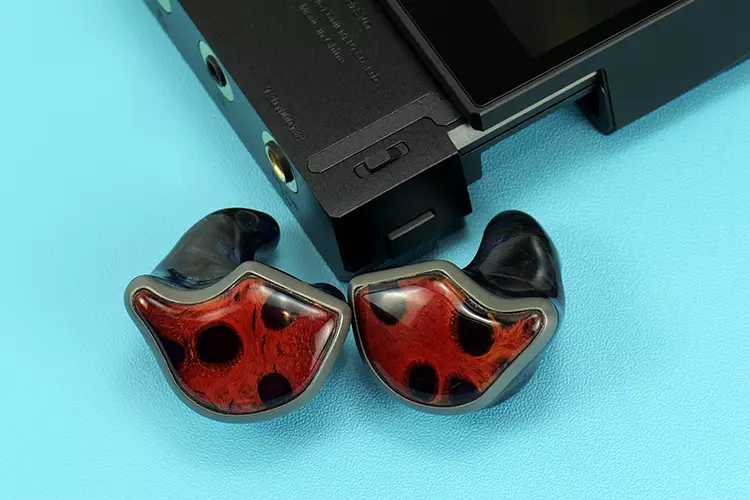
I actually preferred Modern Tube mode for the sparkle it introduces into the Multiverse Mentor’s dipped mids. Its airer presentation really opens up the Multiverse Mentors’ staging to ideal levels.
I also found the Classic Mode’s more ambient staging quality and slightly relaxed midrange to create a hollower sound on the BOKEH Open mids, whereas the Modern Tube sounded firmer and more ‘filled in’.
It is less suited to the ÉTOILE, at least for my tastes. The stronger Pinna gain tuning creates a more forceful vocal performance, which the Modern Tube mode can amplify a bit. Classic Mode is the more relaxing choice in this case.
Solid State
I would not say the T201’s solid-state mode is mediocre; rather, it’s the most reserved solid-state performance out of all the motherboard options, and to be honest, most will buy the T201 for the excellent tube modes.
I find the T201 solid-state mode to be relatively unoffensive, certainly more neutral-sounding and drier than the tube modes, but with a little bit of roll off in the extreme frequencies that gives it a slight midrange bias.
Relative to the C201 and the operational Class A/AB modes of the E203, it’s not as holographic or as dynamic-sounding.
However, it introduces a nice level of control with a shorter level of decay and not too much additional sharpness, a trait I found applicable on the older AK4497, which was also quite smooth-sounding.
If you need a relatively linear and more reference-type sound with good tempo and micro-detail, the solid-state is a good choice, providing flexibility with gear where there is no clear fit with the tube modes.
Click on page 2 below for my recommended pairings and selected comparisons.
