

Selected Comparisons
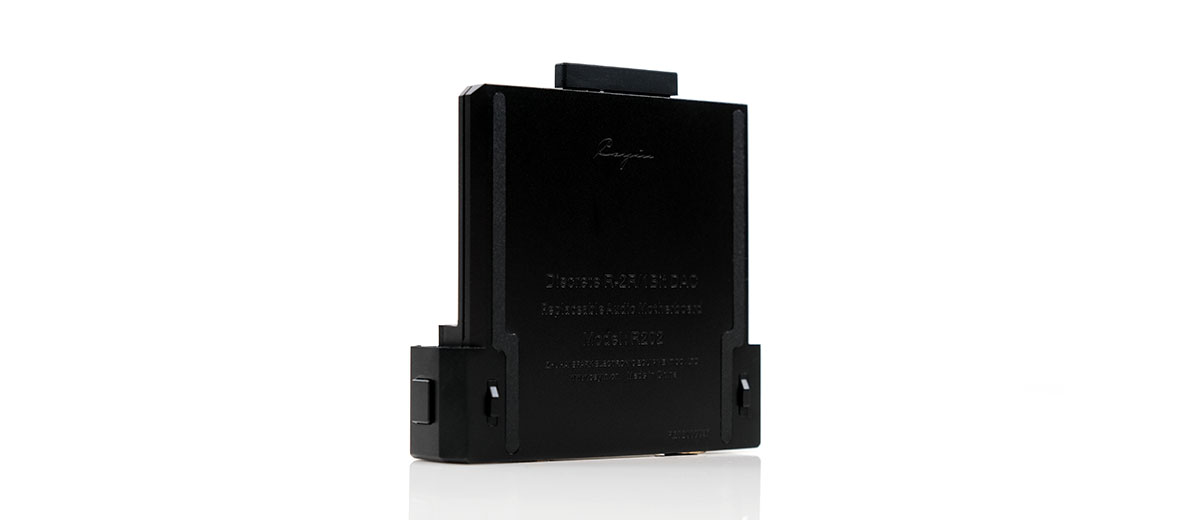
The following comparisons to the Cayin R202 were completed using a mix of the PMG Audio Apx, the Vision Ears VE10, and the Noble Audio Ronin, all in balanced mode output.
Cayin C201
The Cayin C201 is the stock card that comes with the N6iii DAP, but it can be bought separately from official dealers for $359.
Technical
The C201 utilizes a delta-sigma DAC architecture with 8 CS43198 chipsets in a parallel, full-differential implementation. This is combined with a quad OPA1622 balanced amplification design, offering 4.4mm and 3.5mm balanced and single-ended PO and LO options.
Decoding is competitive at up to 32-bit/768 kHz and native DSD 512 via USB, down to the maximum of 24-bit/192 kHz from the player’s embedded S/PDIF coaxial output.
While the R202 can accept signals up to DSD512 and PCM 32-bit/768kHz, it will downsample them to PCM 384kHz via its R-2R circuit or DSD256 via the 1-bit alternative.
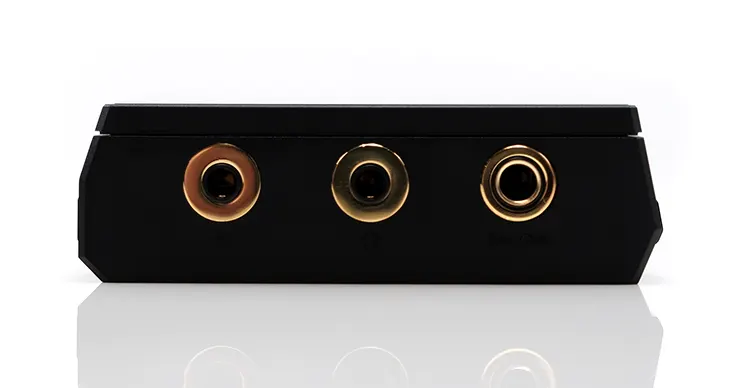
There is no S/PDIF output on the R202, whereas the C201 can convert the N6iii into a transport via a coaxial output. The C201 also has a 3-stage lineout capability, with ascending Vrms ratings matched to the gain levels.
The C201 is capable of between 260mW SE up to a maximum of 700mW balanced, so it is a little bit more powerful than the maximum 550mW balanced output rating of the R202. Both offer sub-impedance output for headphones, and neither has dual amplification operation (Class A/Class AB).
Battery life is close to the R202 at 14 hours (benchmarked), as opposed to 16 hours, but as always, this will vary depending on how you use the N6iii.
Performance
Ranged against the R202 1-bit mode, the C201 is a fairly balanced but more neutral-sounding motherboard. The lows are punchy but lack the weight and density of the 1-bit R202 low-end, and the highs are a little more forceful with enhanced treble coloration.
You can hear those two elements combine in the C201 mids with a lighter note weight and a drier, shorter decay. The R202 midrange is more analog in tone, combining a stronger fundamental and a smoother treble overtone. Vocals sound easier on the ear and less digital in timbre.
Both motherboards do very well to deliver an airy, tall, and wide soundstage. It is something the C201 does better than the more intimate E203. However, the R202 1-bit is almost on par height and width-wise, with improved bass depth and power.
I would argue that the C201 vocals have a bit more perceived presence, but only due to the more linear bass performance pushing your ear more towards the mids and highs during energetic recording passages.
The R202 1-bit sounds more relaxed through the mids, but the quality of the note texture and resulting harmonic balance is more life-like, more analog, and more pleasing to the ear.
In R-2R mode, the R202 sounds more flamboyant in its coloration compared to the neutral-to-natural airy sound of the C201. It has more bass bloom, delivering a fulsome sound, with richer, more focused vocal performances.
There is a rhythmic ‘drive’ to the R-2R R202 performance that I do not hear with the flatter C201 sound. The C201 sounds more analytical to my ear and less engaging, despite offering a very resolving presentation.
Cayin E203
The Cayin E203 was launched shortly after the N6iii debut and is also priced at $359 from authorized dealers.
Technical
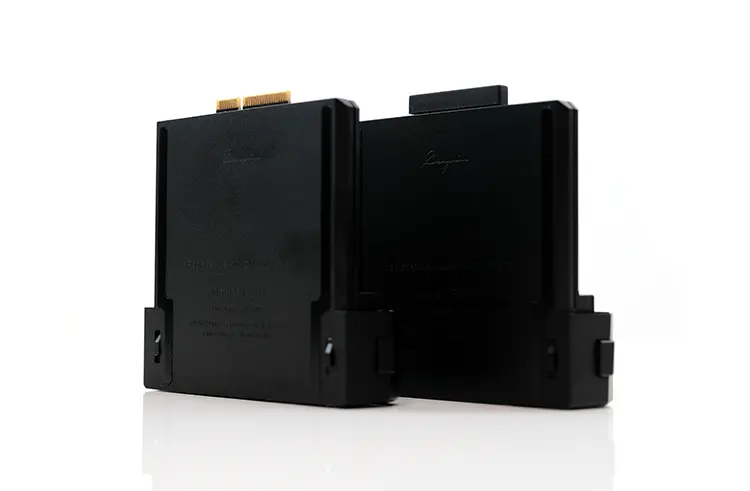
The E203 is another delta-sigma DAC motherboard. It is built with a single ES9039SPRO chipset inside as opposed to the R202’s more exotic dual 1-bit and R-2R configuration.
Like the R202, the E203 lacks lineout or S/PDIF functionality; both motherboards are primarily designed for IEM and headphone users, rather than serving as third-party DACs or transports.
That also means both motherboards have sub-ohm output impedance ratings, so impedance skew should not be an issue.
Like the C201, the E203 can decode up to DSD512 and PCM 32-bit/768 kHz through the same chipset, rather than resampling or directing the relevant PCM and DSD signals to a dedicated circuit inside the R202.
The E203’s other distinguishing feature is its dual operational mode amplification design combined with Hyper mode.
The user can choose between Class A and Class AB, as well as an additional Hyper Mode. This “audio-first” option switches the operation to Class A and maximizes the current output performance of the player.
Output power will vary depending on whether Hyper Mode is on or not, but there is generally more power available than the R202.
With it turned off, you get 700mW into a 32Ω balanced down to 300mW single-ended, and if it is turned on, it jumps to a healthy 900mW balanced and 400mW SE on the same load.
The tradeoff for that additional power is less battery life than the R202. With E203, the best you can get is about 10-11 hours, dropping down to 5-6 hours with Hyper mode.
Performance
The E203 Class AB mode comes a distant second to both modes of the R202. It’s just too clinical for my taste, and I mentioned in my review of the N6iii that it was my least favorite of the E203 operational modes.
Both the R-2R and 1-bit modes sound more natural to my ear with all tested gear than the Class AB, with more warmth, with richer, or more analog mids, and less of a digital overtone through the upper-mids and highs.
The E203 Class A mode is more competitive with its weightier, smoother, and more relaxed character compared to AB.
You can still tell it’s a delta-sigma sound with its polished and drier timbre through the mids and highs and slightly more contrast and sparkle over the analog or organic tones of the 1-bit and R-2R performances.
Vocals sound more realistic and gritty in 1-bit and more pronounced, creamier, and sweeter-sounding from the R-2R modes compared to the Class A E203 mode.
However, there is no denying the agreeability of the Class A E203 mode with its excellent bass weight and even harmonic balance in its midrange presentation. It’s a more emotive, agreeable sound compared to Class AB.
The major advantage of the E203 is Hyper mode, especially with headphones, which is the main weakness of the R202. Combined with the additional output power, the dynamics and vividness of the E203 Hyper mode work better with more demanding headphones.
With IEMs, the Hyper Mode sounds a lot more bombastic compared to the 1-bit and R-2R modes. However, some will find the aggression and urgency combined with the enhanced contrast a little more fatiguing compared to the smoother, more emotive sound of the R202 modes.
Cayin N6ii/R01
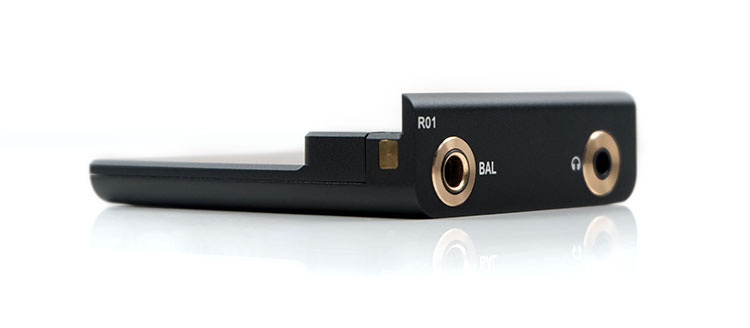
The R01 is a first-generation card launched a few years after the N6ii. Though discontinued, it is generally considered one of the best motherboards for the older generation DAP.
Technical
The commonality with the R202 is R-2R, with the Cayin R01 being the first motherboard to use a 24-bit discrete-engineered R-2R DAC resistive ladder design.
It does not have 1-bit decoding capability, and given its smaller size, I highly doubt an additional resistor network and board could fit even if Cayin wanted to.
And while they both share a common design and decoding principle, the R202 has 192 pieces of 0.1% high-precision thin-film resistors in a balanced 24-bit DAC configuration rather than 96, so it is 48 x 4 versus 48 x 2 precision-matched resistors.
Both motherboards can decode up to DSD256 and PCM 32-bit/384kHz, though bear in mind the R202, combined with the N6iii, can handle incoming signals up to DSD512 and 768kHz via resampling. You can also elect to choose 1-bit or R-2R, depending on the source signal format.
Since the R01 is R-2R only, it must resample all DSD and output in PCM through oversampling or non-oversampling (NOS). Technically, you can route DSD via the R202, and it will resample it if you want to, but why would you when you have 1-bit at your fingertips?
Both motherboards have headphone or PO-only output amplification. There is no S/PDIF or line-out capability.
The R01 is capable of a maximum 430mW into a 32Ω load balanced and 240mW single-ended into the same load, which is slightly lower than the R202, but in reality, both feel more suited to IEMs than a wide range of headphones.
Performance
If I could define the difference into a few words, it would be dynamic range and body, particularly through the midrange, where the R01 comes a distant second to the richer and fuller tuning of the R202.
One of the distinguishing features of the R01 was additional weight on the lows and a slightly stronger treble presence than I expected when I originally reviewed it back in 2021.
I noticed this lighter, leaner midrange note weight with brighter BA IEMs or those with a pronounced set of upper-mids, such as the punchy, drier sounding JH Audio Contour XO. The bass weight was good, but it just didn’t carry into the mids.
The R202 remedies this in two ways. It retains the excellent depth but also delivers a fuller upper-bass and lower-mids tuning, creating a warmer, richer midrange tone and refining the treble to produce a smoother overall sound than the R01 equivalent.
Throw in a superior level of dynamic range and a more expansive holographic soundstage with improved depth, and you start to hear a much bolder, more immersive sound with stronger note fundamentals and less harmonic dissonance from the R01’s pushed treble presence.
Cayin N7
The Cayin N7 was launched in early 2023, and, to date, it is the only dedicated 1-bit DAP in the market, so I will compare it to the N6iii/R202 1-bit performance.
Technical
The Cayin N7’s entire digital-to-analog conversion, through to the low-pass filter and the headphone output circuit, is fully discrete-engineered as opposed to using pure delta-sigma chipsets or op-amp driven.
The Cayin N7 1-bit DAC utilizes a network of 128 resistors in a 4 x 32 configuration, which is an exact match to the resistor count and configuration inside the R202.
Both motherboards handle incoming signals up to PCM 32-bit/768 kHz and native DSD512 from USB, though the output rating of the R202 is DSD256 and PCM 384kHz.
Also note, since the N7 only has a 1-bit DAC, it operates in an All-To-DSD mode for incoming PCM signals, something which you do not have to do with the R202’s split R-2R/1-Bit configuration.
The N7 is a DAP, and with that, there are some advantages, including lineout and PRE out capability, features that are not possible with the R202’s PO-only output capability.
That means the N7 1-bit DAC can be used as a pure DAC or even as a transport with its I²S and S/PDIF capability. With the N6iii, you can operate the device in a DAC/amp mode connected to a source, but you cannot bypass the R202 amplification.
I would classify the N7’s discrete-designed dual operational mode amplification as a superior architecture to the R202’s quad dual-channel INA1620 op-amp architecture.
The R202 has a 50mW output power advantage over the N7 in balance mode, with both offering 250mW SE. However, the ability to slip into a Class A and Class AB mode adds more flavor to the 1-bit sound over the R202’s single-state amplification.
It is only when you switch to the R-2R DAC that you can alter the R202 tuning, but at the cost of moving out of the 1-bit mode.

Performance
The 1-BIT R202 is a very close bedfellow to the N7’s 1-bit Class AB, though given the different amplification, there are a few differences, the longer you listen and compare them.
For example, the upper-order harmonic balance of the N7 Class AB seems just a little more refined on percussion and vocal notes, with good weight and slightly liquid leading edges and a more refined decay.
The R202 delivers similar weight and texture but just a hint more treble overtone, bringing in more contrast and a brighter effect on the same notes.
You might perceive this as enhancing clarity and control, with the N7 performance sounding smoother and more languid in its delivery compared to the R202.
If I had to choose which one for pairing, I would go with the more liquid upper-mids and treble of the N7 with brighter IEMs and the R202 with warmer IEMs.
The N7 Class A performance is fuller sounding with laid-back, richer vocal coloration and beautiful leading edges on instrumental notes from top to bottom. There is zero harmonic dissonance in this mode.
The R202 sounds comparatively more neutral. Vocals are further forward, more in focus, and slightly cleaner in tone than the N7 Class A presentation.
There is less weight on the lows, but I would class that as warmth more than presence, and arguably, the R202 trades that fuller bloom for bass control and improved linearity.
Staging from the N7 Class A mode is ‘atmospheric’ and very wide, wider than the R202, which aims for a bit more height, clarity, and vocal intimacy. Class AB is closer in staging dimensions to the R202, but again, just a slightly softer treble delivery.
My Verdict
The Cayin R202 is perhaps the greatest motherboard the company has released to date. This is a clever combination of two legendary DAC types, allowing the user to switch between smooth and euphonic, or analog and natural sounding.
Unless they juice it up with an additional 1W of power, or throw in a set of Korg NuTubes, it will be difficult to see this motherboard not entering into some sort of ‘Hall of Fame’ eventually.
For those worried that the N6iii was running out of steam with just two cards since its launch, the R202 injects some quality life into the system and then some.
Yes, the cost is higher than the E203, but unless you need tons of power for demanding headphones, the R202 is very much the connoisseur in this motherboard ecosystem, delivering a beautiful performance with a wide range of IEMs.
Cayin R202 Technical Specifications
- R-2R DAC: Fully discrete 24-bit balanced, built with 192 x 0.1% ultra-precision thin-film resistors (48 x 4 configuration)
- 1-Bit DAC: Fully discrete 1-bit balanced, built with 128 x 0.1% ultra-precision thin-film resistors (32 x 4 configuration)
- DAC Power Supply: TPS61087 + TPS61240 matrix
- OP-Amp IC: 4x OPA1612, 2x OPA1662
- Volume Control: NJW1195 full-balanced analog volume controller
- Headphone Amplification Circuit: 4x INA1620 dual-channel op-amps with internal channel parallel drive
- Headphone Amp Power Supply: LT8582
- Output Impedance (@ 32 Ohms load): 0.5 Ohms (3.5mm SE), 0.8 Ohms (4.4mm BAL)
- Output Power (@ 32 Ohms load): 250mW (3.5mm SE), 550mW (4.4mm BAL)
- Battery Life (with N6III): 15hrs (Auto), 16hrs (R-2R), 14hrs (1Bit)
