

Synergy
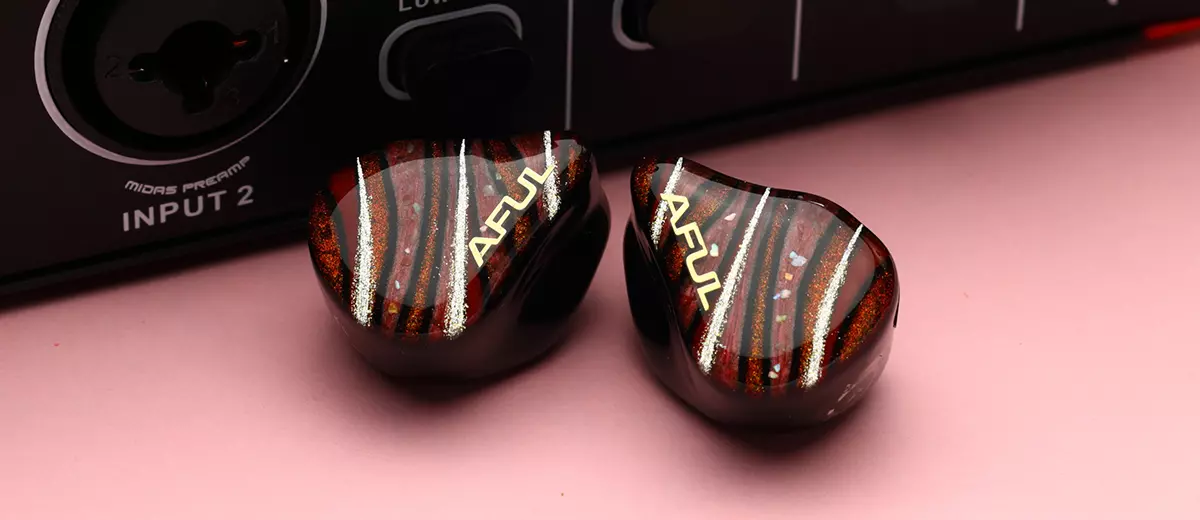
I’ve used the Performer 8S in various situations: during walking exercise, at home listening, in a coffee shop, etc. The Performer 8S was not so sensitive as to pick up on any noise or radio frequencies from sources I paired it with.
The Performer 8S is easily driven by low-powered tail-style dongle DACs without any issues. I never found an audio source in my inventory that would struggle to drive the Performer 8S; it is that easy to drive.
Pairings
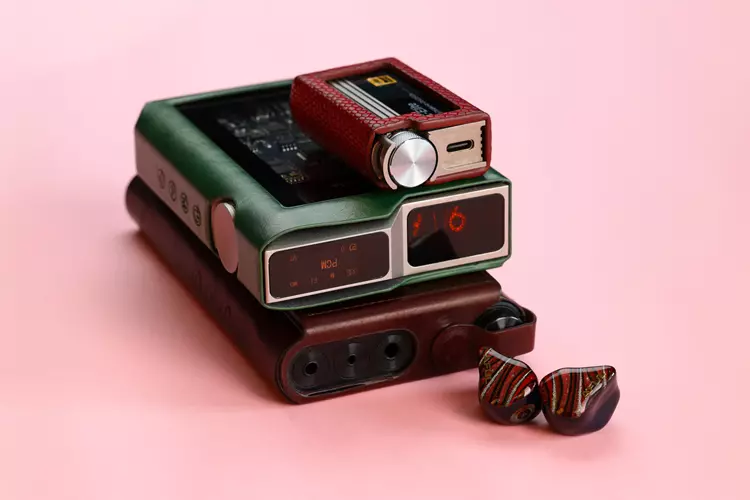
That said, the Performer 8S sounds as dynamic and effortless with my iBasso DC-Elite dongle DAC as with the very powerful FiiO M15s DAP.
There is no glaring difference in dynamics when I switch from my least powerful source to my most powerful source, within my normal listening volume, of course. Thanks to the Performer 8S’s easy load and high sensitivity.
I hear a very detailed, dynamic, and effortless sound when paired with the iBasso DC-Elite. The mild U-shaped sound signature of the DC-Elite is clearly evident in this combination, meaning the Performer 8S is a revealing IEM.
I also hear an effortless, dynamic sound when paired with the MUSE HIFI M6 Double in-tube mode. There is no sign that the tube outputs are struggling, and the pleasant tube sound is clearly revealed with its slightly softer edges without rolling off the upper treble.
When paired with the FiiO M15s, the bass is tight, well-controlled, and powerful, with very clean background decay across the audible frequency range. I also notice improvements in imaging, layering, and separation compared to the other sources in this review.
Selected Comparisons
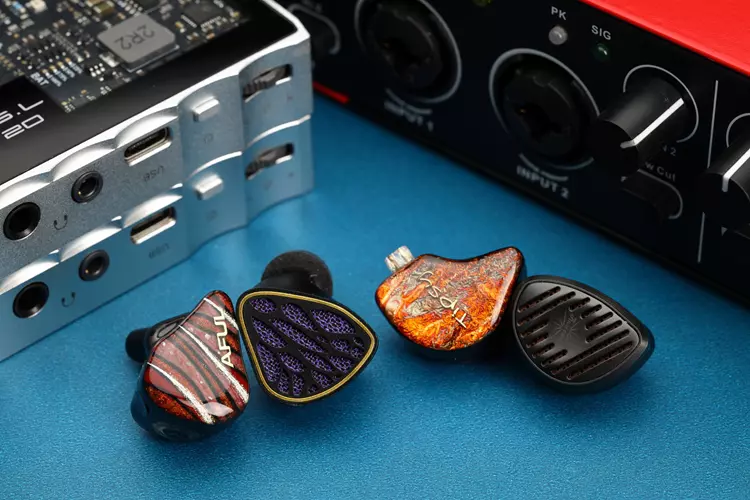
I use my usual sources for review: the iBasso DC-Elite, MUSE HiFi M6 Double, and FiiO M15s for this comparison, and I often switch between them. Still, I use the iBasso DC-Elite, mostly because I can discern differences more easily with its detailed sound.
Tipsy M5
The Tipsy M5 is a recently released IEM, having been released in November 2025. M5 also uses a micro-planar driver for the ultra-highs.
Technical & Design
The M5 is a quadbrid set featuring an ultra-low-frequency bone-conduction driver, an 8mm low-mid dynamic driver, a pair of high-frequency balanced armature drivers, and an ultra-high-frequency planar driver. The M5 has an impedance of 20Ω and a sensitivity of 109 dB.
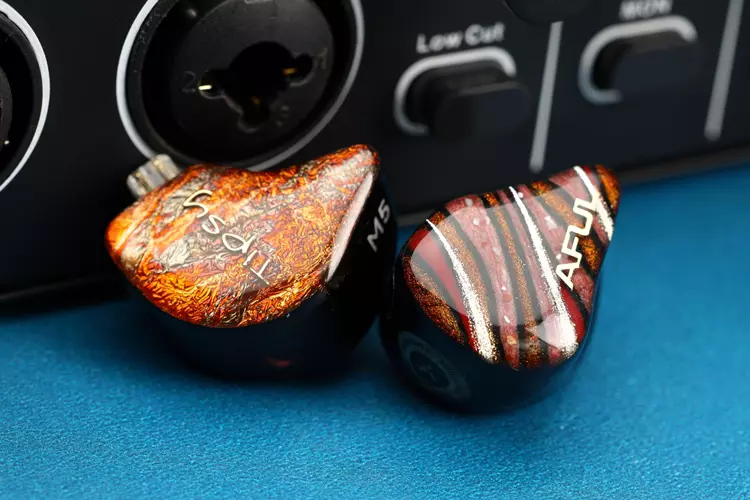
The M5 is made of a 3D printed black resin shell with a very nice looking amber colored faceplate with a seemingly random pattern.
But for an extra $70, you can customize the faceplate with over thirty colors and the shells with ten colors, as shown on Tipsy’s website.
I reviewed an early sample of the M5, and it didn’t include the official packaging and cable.
I only received a 3.5mm cable; however, the official release states that the M5 features a single-crystal copper, silver-plated cable with a modular plug system, including 3.5, 4.4, and 6.35mm adapters.
Performance
The M5 has a reference-neutral sound signature, while the Performer 8S has a mild U-shaped, bassy, warm sound signature in AB comparison, with more boosted sub-bass, a warmer, darker midrange, and a boost in the upper treble.
Both the M5 and the Performer 8S have about the same soundstage size, though I hear more depth with the Performer 8S, while the M5 has a more accurate stage presentation, neither too laid-back nor too forward.
The female vocals in the M5 are much more accurately presented compared to the very laid-back, far-away presentation on the Performer 8S.
Both are very dynamic, lively, and engaging-sounding. However, I find the M5 more dynamic because of its even tone, while the Performer 8S has a laid-back sound.
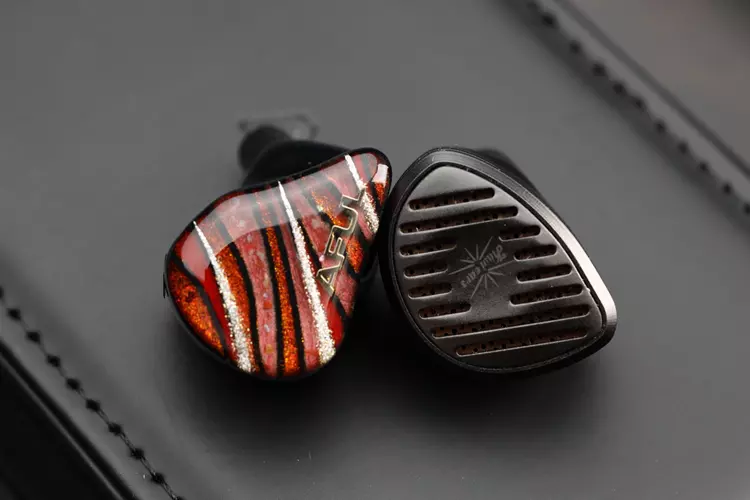
Kiwi Ears Septet
The Kiwi Ears Septet is another recent release from Kiwi Ears, released in mid-2025. Septet has a unique set of features, including both micro-planar and PZT drivers and an open-back acoustic design.
Technical & Design
The Septet is a seven-driver quadbrid set with a 5-way crossover featuring a 10mm dynamic driver for the lows, four balanced armature drivers for the mid-hi, a micro Planar Transducer, and a Piezoelectric (PZT) Driver for the upper treble. The septet has an impedance of 15Ω and a sensitivity of 95 dB.
The Septet features a nice-looking full-metal shell with a slotted vent on the faceplate to let the driver’s back pressure and sound come out the back, making the Septet an open-back IEM.
The Septet includes a modular 2-pin cable with ultra-high-purity copper wires and 3.5- and 4.4-mm plugs.
Performance
While the Performer 8S has a mild U-shaped, bassy, slightly dark, and warm sound signature, the Septet has a Mild U-shaped sound signature with near-neutral bass and a more forward, brighter treble presentation, with more air in the treble.
The Septet has a wider soundstage, while the Performer 8S has a deeper soundstage; both are spacious-sounding. The Septet offers more precise, defined imaging than the slightly diffused, laid-back presentation of the Performer 8S.
Dynamically, both are dynamic, lively, and engaging-sounding. However, I have to give it to the Septet for liveliness, thanks to its more forward treble.
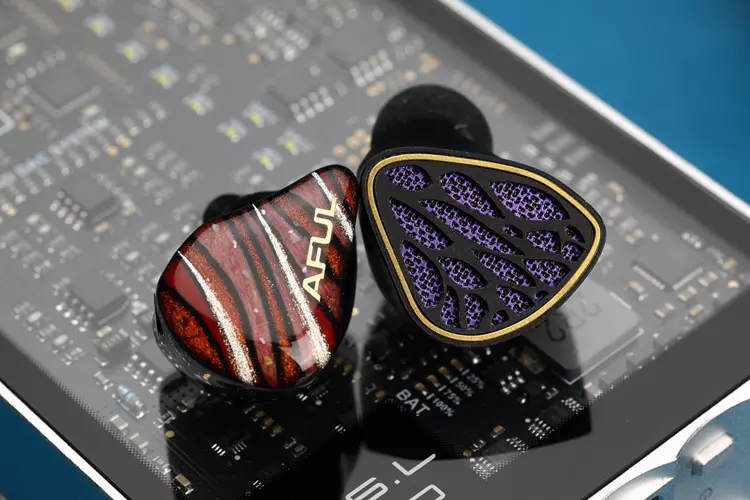
Kinera NOTT Phantom
The Kinera NOTT Phantom was released in mid 2025. It uses a very capable, fast 8mm dynamic driver instead of the usual 10 mm.
The NOTT Phantom is popular for its good sound and appearance. I must mention that the NOTT Phantom causes pressure buildup in my ears when using silicone ear tips.
Technical & Design
The Kinera NOTT Phantom is a 5 Driver Hybrid IEM featuring an 8mm polymer-fiber composite dynamic driver for lows, two customized full-range Knowles balanced armature drivers for mids, and two customized Sonion balanced armature drivers for highs and ultra-highs. It has an impedance of 54Ω and a sensitivity of 105 dB.
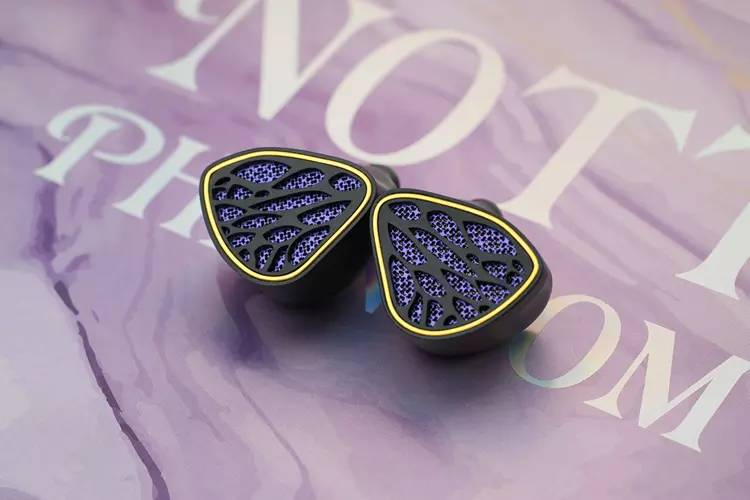
The NOTT Phantom features an attractive black, gold, and purple-themed ergonomically shaped aluminum alloy shell that suits its name perfectly.
Cleanly designed and well-made, a gold line surrounds the faceplate. The faceplate is flush with the gold line of the shell. There is no obvious glue line between the shell and the faceplate.
The stock cable features a thick yet soft, compliant four-core design with OCC silver-plated stranded wires, cotton sleeving, and a thickness of 1.8mm.
A modular plug system allows the user to switch between the included 3.5mm and 4.4mm plugs. It is terminated with 2-pin connectors at the other end. All hardware is made from customized metal parts.
Performance
The NOTT Phantom has a very flat, even, and accurate frequency response, with a sound suitable for reference-monitoring IEMs during music production and for general music enjoyment.
In comparison, Performer 8S has a less accurate, mild U-shaped response with a darker upper midrange and lower treble, giving a more relaxed vibe.
Both the NOTT Phantom and the Performer 8S have spacious soundstages, but the NOTT Phantom has a wider stage, while the Performer 8S has a deeper stage.
But for imaging performance, the NOTT Phantom is more accurate and has clearer-sounding female vocals than Performer 8S’s laid-back, somewhat diffused imaging.
Both sound very dynamic, lively, and engaging, with the Performer 8S’s more boosted bass and upper treble and the NOTT Phantom’s energetic overall sound.
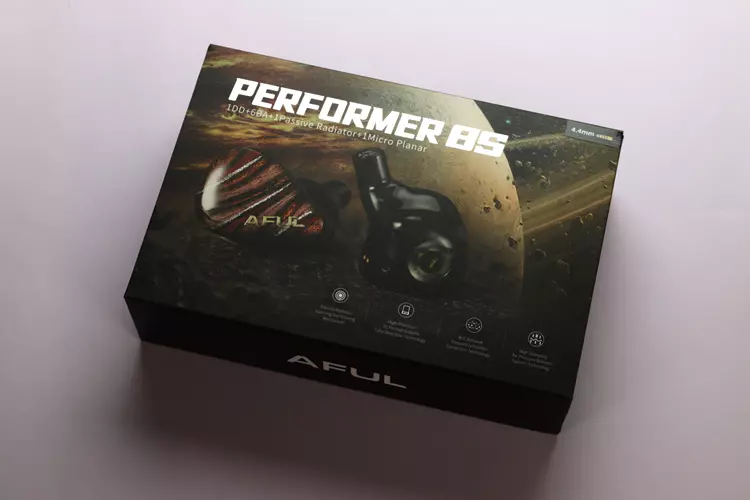
My Verdict
To answer the question of whether all these AFUL Performer 8S features are just gimmicks, I’d honestly say no, or at least I don’t think so.
The Adjustable Passive Unit + Pressure Balancing feature works, even though the measured graphs are identical in the bass. In actual listening, there is a difference.
The RESInators technology, which uses ultra-precise 3D-printed micro-resonant channels to correct non-ideal driver behavior, and the RLC network, also seem to work as intended, as I hear very coherent, clean sound from every driver group.
I like the shell design, the cable, and the smooth, pleasing, bassy sound with its spacious soundstage. However, I don’t like the female vocal rendition, which sounds too distant, somewhat diffuse, and lacks presence and palpability.
The AFUL Performer 8S has a tuning and sound that many westerners I know would love, thanks to its relaxed upper midrange and lower treble, with elevated sub-bass.
I would recommend the Performer 8s to such listeners. I would be hesitant to recommend the Performer 8S to people who like forward-sounding female vocals and treble, though.
Personally, I’m between those types of listeners, as I enjoy an accurate, near-neutral, and nearly flat sound, without sounding fatiguing.
AFUL Performer 8S Technical Specifications
- Driver Setup: 1DD+6BA+1 Passive Radiator+1 Micro Planar
- Style: In-Ear
- Impedance: 26Ω±20%.
- Sensitivity: 108dB@1kHz.
- Frequency Response: 10Hz~35kHz.
- Connector Type: 0.78mm 2-pin.
- Termination Plug: 3.5mm or 4.4mm.
- Cable Length: 1.2m
- Weight: 6 grams each
- Nozzle diameter: 7 mm
