

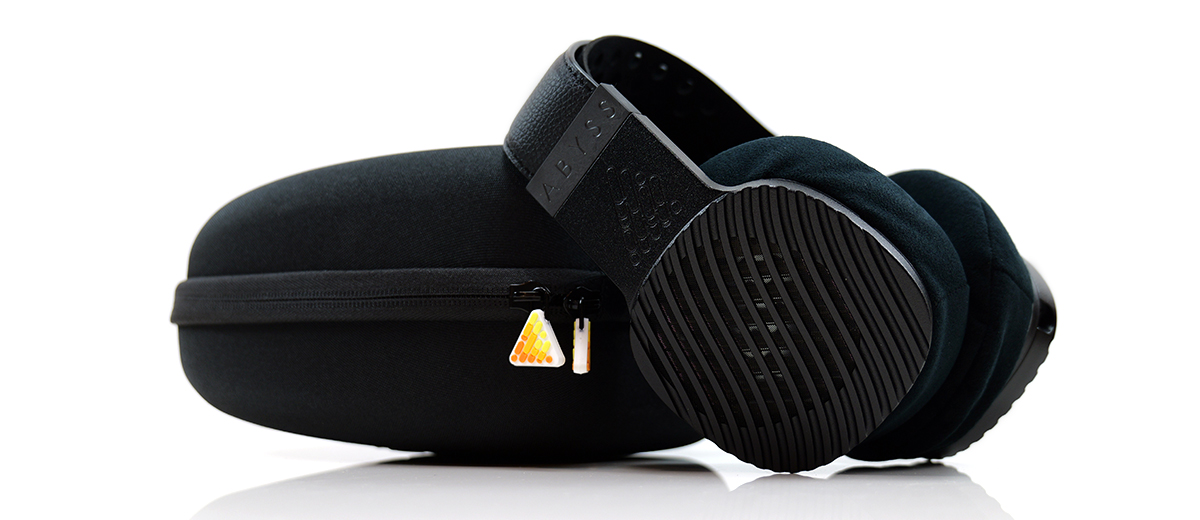
Sound Impressions
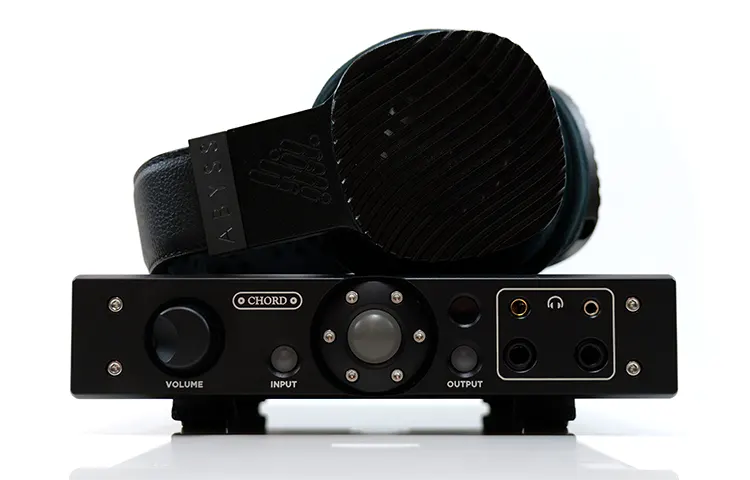
The following sound impressions of the ABYSS JOAL were completed using the Chord Electronics Alto amplifier and Ferrum WANDLA GSE DAC in a fully balanced system setup.
Summary
The ABYSS JOAL is probably the company’s most emotive-sounding headphone to date. This is less about DIANA DZ reference-level accuracy and more about pure enjoyment, perhaps even more so than the DIANA MR, which I had previously pegged as the ‘musical one’.
As such, I suspect that, combined with the lower price tag, JOAL’s smooth, agreeable tuning will appeal to a much wider audience than previous releases without losing some of the core traits that make ABYSS headphones so appealing.
There is some quality bass in there, more so than I expected. Vocals sit front and center, further forward than the MR and the flagship DZ, and, with the right pairing, deliver a rich and gorgeous-sounding timbre.
Treble abrasion is not an issue with peaky percussion attacks that are few and far between. Stacked against some of its $1-2k peers, such as the POET and the NOIRE XO, the JOAL delivers a more open-sounding and spacious staging quality.
I find the JOAL relatively easy to drive, though dynamic range improves with additional power. It is not as sensitive as the aforementioned competitors, but perhaps more importantly, and from my perspective, the chosen pairing needs to deliver a solid low-end performance.
The JOAL sounds far more complete when its more than capable low-end extension exhibits good depth and/or punch to counter what I would consider to be a vocal-forward midrange presentation.
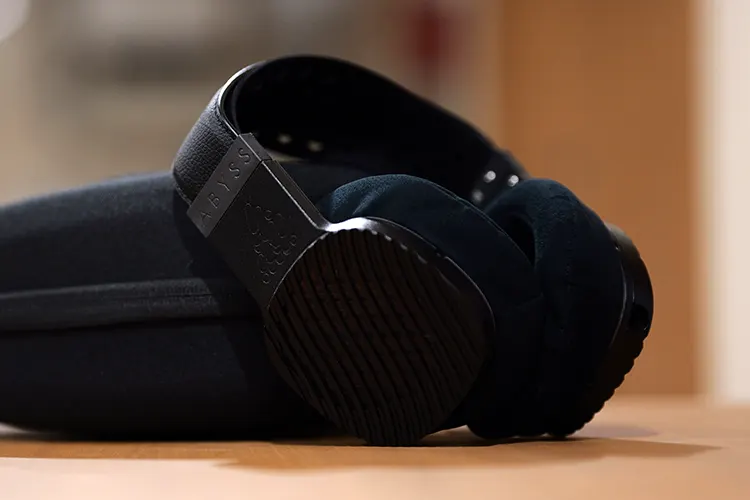
Frequency Response
There are a couple of areas in the JOAL FR that give it that smoother, fuller sound signature compared to ABYSS’s previous offerings.
Perhaps the most obvious is the lift in the mids around 2-3k that pushes voicing in this range a lot further than what I am used to hearing from an ABYSS DIANA series headphone.
Combined with a gentler 5-10k treble delivery and some enhanced bass and lower-mids warmth from 200hz up to 1k, the vocal timbre is not only forward but smooth and easy on the ear.
Nothing is sharp-sounding about the JOAL mids and treble tuning, especially with slightly darker-sounding amplifiers such as Alto and the ONIX Mystic XP1, which are bang-on-the-money for bass power and rich-sounding vocal performances.
Ranged against the MR FR, the JOAL’s 6k onwards FR tuning is a little more attenuated, so a little less sparkle and height, but the pay-off is a rounded, inoffensive percussion and higher-pitching vocal performance. I found it very hard to find an amp pairing that was a sibilance magnet with the JOAL.
There is a slight sub-bass roll-off sub-50Hz, but that’s not unusual for this 63mm planar driver, and you will hear something similar from the MR as well.
What I did notice was what seems to be a slightly longer excursion from this driver tuning, so it is a little looser but also fleshier or punchier sounding than the MR, with good power from an amplifier known for producing a weighty bass response.
Staging & Dynamics
Ranged against some of the competition, the JOAL is pleasingly open-sounding with a fairly spacious soundstage, especially along the X-axis.
I have spoken a few times about how much further the vocal imaging is than previous ABYSS iterations. Whilst this does create a somewhat more intimate quality, it’s nowhere near as narrow-sounding or as in your face as the POET and, to some extent, the NOIRE XO.
I do think it has less height than the NOIRE XO, but it does allow for that smooth midrange performance to come through strongly.
The NOIRE XO has stronger treble levels, but it introduces a brighter, more attack-minded upper midrange that, whilst more dynamic, can be more fatiguing than the comparatively relaxed imaging of the JOAL.
ABYSS DIANA series headphones fourté has always been about speed and space, so I would say the JOAL has retained some excellent space, but it has dropped the pace a little.
There is just a shade more decay lingering, and slightly less emphasis on detail, but I think this is a positive point as it contributes to a very natural, almost analog sound from the JOAL.
One thing I have harped on about a lot in these sound impressions is getting a quality pairing that can tease out JOAL’s lows because it can exhibit excellent staging depth and layering when pushed.
I think this is essential for its presentation to sound complete; otherwise, the strong midrange imaging becomes too dominant, upsetting the balance somewhat.
Synergy
Efficiency & Sensitivity
The ABYSS JOAL has an impedance rating of 30Ω with an SPL of 93 dB/mW. You will not find a huge difference from the DIANA MR in terms of drivability, given that they share a similar 63mm planar driver design.
I did find that the more prominent midrange gain on the JOAL played a psychoacoustic role in volume settings.
When A/B’ing both headphones, I found myself subjectively pushing up the volume on the more neutral DIANA MR to try to match the enhanced gain on the JOAL vocal performances.
The JOAL is less sensitive than the Meze Audio POET and the DCA NOIRE XO when tested via the Chord Electronics Alto 4.4mm output.
However, it is not so insensitive that it requires huge amplification to sound good. Rather, it can scale with stronger amplification, much like its more expensive sibling, the MR.
ABYSS’s website has a recommendation of about 1-3W, and I would tend to agree with that as a general guideline for maximizing the JOAL’s dynamic range.
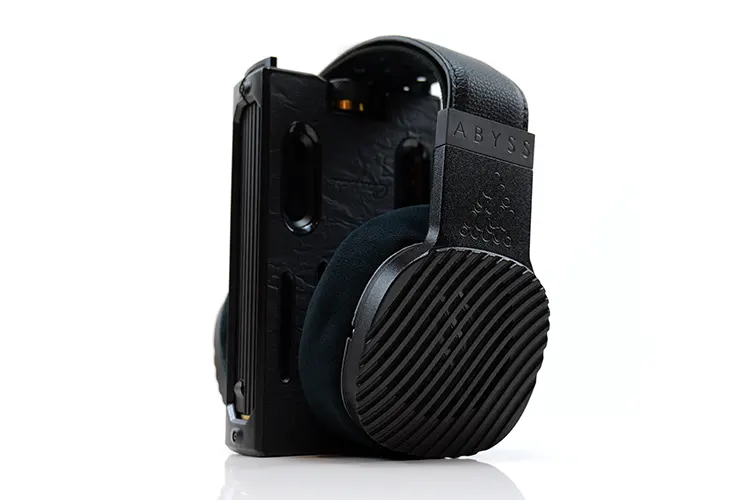
Portable Pairings
I tested the JOAL with a wide range of dongles, DAPs, and portable amplifiers, and surprisingly, the ones I enjoyed the most were not always the most powerful or high-end.
One common theme was any portable source that could tease out a weighty low-end from the JOAL got my vote.
Once achieved, the JOAL sounded more authoritative with a more balanced counter to its forward vocal presence. Was it always the most detailed? Not necessarily.
A good example was the iBasso DC-Elite versus the DX340/ AMP15. I recognize the wider, more detailed soundstage and more refined tonal quality that the DAP was delivering to the JOAL.
However, the DC-Elite delivered more bass thickness and vocal immediacy. It’s more colored, rawer, and not as detailed, but it was a fun listening experience and better fits the profile of the JOAL tuning.
If you want a DAP with more detail while retaining that same deep bass response, then the Cayin N6iii/R202 is a good pick.
The tonal balance in terms of bass weight and vocal richness was to my liking, especially in its 1-bit mode.
The R-2R felt lacking in presence below the mid-bass of the JOAL and was much too focused on vocal presence. The 1-BIT mode kept everything more relaxed and spacious-sounding with better sub-bass depth from the JOAL.
The final A/B was the ONIX Mystic XP1 and the Cayin C9ii. The XP1 delivers the power and vocal intimacy, and the C9ii delivers a more expansive, sweet analog tone in Classic Tube and Hyper mode.
That’s the only mode on the C9ii I would pick with the JOAL. The solid-state sounded sterile, and the Modern Tube mode a bit too bass-light on the JOAL.
Desktop Pairings
The desktop pairing process yielded the same preferences as the portable analysis.
Setups that delivered enhanced depth and bass presence from the JOAL sounded more complete and holographic. Whereas flatter or neutral presentations would either create a relaxing sound from the JOAL or allow the mids to sound too ‘shouty’.
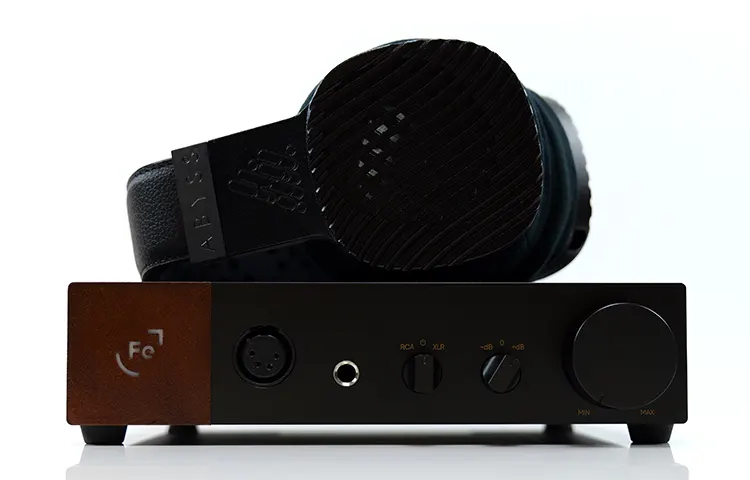
For example, on the high-end, the Chord Electronics Alto had a slightly deeper and fuller sound with a smoother set of mids and highs from the JOAL compared to the more neutral Ferrum OOR. Both were connected to the WANDLA GSE, so this was 100% amplification ‘flavoring’.
With the Alto, the JOAL sounded more natural in its timbre, and with the OOR, a shade brighter with a punchier mid-bass response.
Vocals on the JOAL sounded further forward on the Alto and more neutral on the OOR. The Alto/JOAL pairing sounded more immersive, and the OOR gave a slightly cleaner, flatter presentation.
The Topping DX9 pairing was surprisingly shouty with the JOAL for my tastes. The bass was much too flat, lacking depth and power, allowing the mids to take over, which upset the balance in the JOAL presentation.
I found a similar theme with the Cayin HA-300MK2 and the Feliks Audio Envy, two high-end tube amps. The HA-300MK2 has some gorgeous vocals but lacks the killer depth in the bass response that I prefer with the JOAL.
The Envy delivers the depth and power that I prefer, though at the cost of some of that lush vocal timbre and staging width that the Cayin is very good at.
