

Synergy
Efficiency & Sensitivity
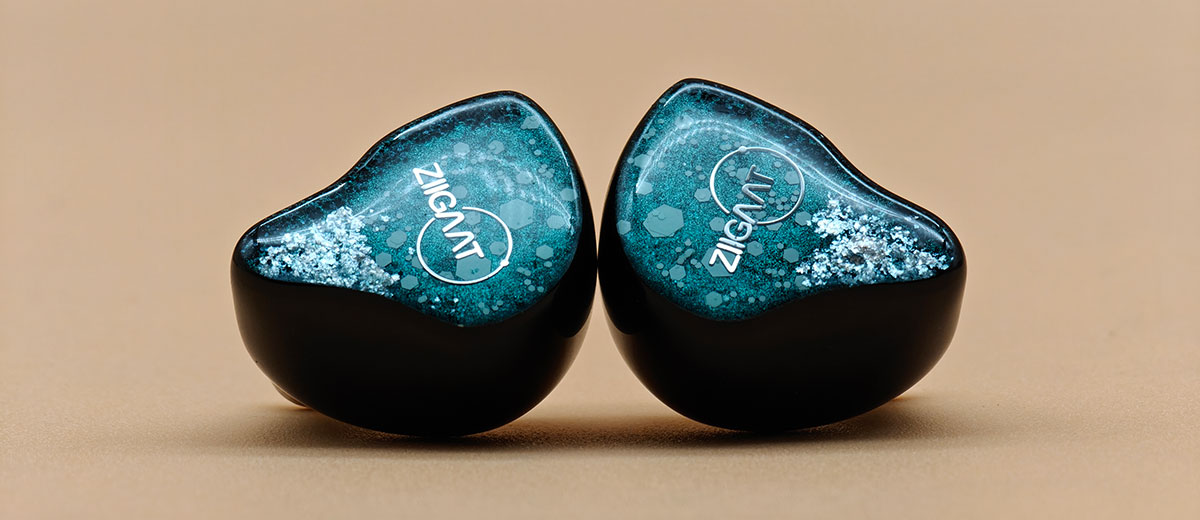
The ZiiGaat Arcanis is easy to drive, with its 106 dB/Vrms sensitivity and 12Ω impedance allowing it to work smoothly even with basic sources like smartphones and compact DACs.
It reaches comfortable listening levels without requiring any special amplification or extra power to perform well.
It uses a standard 0.78mm 2-pin cable with a 3.5mm termination, keeping compatibility broad across most common setups.
Still, the absence of a modular cable option is disappointing to see, especially when modular cables are becoming more common even in lower-priced models.
At moderate volumes, the Arcanis holds its tuning together well, keeping midbass punchy, vocals natural, and treble clear without losing balance. It doesn’t soften up or thin out when played quietly, maintaining a good sense of energy across the range.
Turning the volume higher brings a noticeable lift to the midrange, pushing vocals slightly brighter without tipping into harshness. Bass and treble stay composed, giving a more vivid and lively presentation at louder levels without distorting the overall sound signature.
Pairings
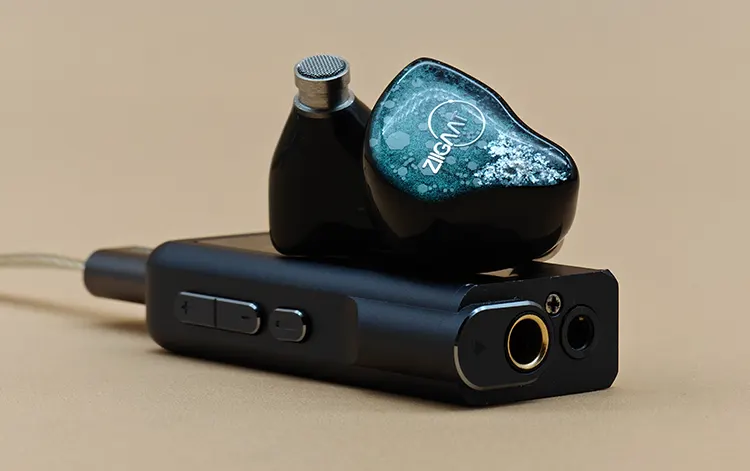
Plugging the ZiiGaat Arcanis directly into a phone’s 3.5mm jack doesn’t introduce any major changes to the overall sound. It runs efficiently without needing more than 50% to 60% volume to reach full listening levels, keeping its balanced presentation intact without struggling.
Using the FiiO JA11 brings a noticeable change to the Arcanis’ midrange, making it slightly brighter while thinning out the lower mids. This shift leans the overall presentation into a more analytical and crisp territory, trading some note weight for extra clarity.
Pairing it with the Colorfly CDA-M2 boosts treble detail retrieval and separation across the stage. The Arcanis benefits from the stronger layering the CDA-M2 introduces, giving instruments more defined spaces without sounding sharp or fatiguing.
Hooking it up to the Heartfield R1 adds the lower midrange weight that the Arcanis benefits from, especially for male vocals. The sound becomes slightly warmer and fuller, giving male vocalists more texture and presence without losing the IEM’s clean overall tuning.
Select Comparisons
Xenns Mangird Tea Pro
Technical
The XENNS Mangird Tea Pro uses a 2DD + 6BA hybrid configuration, featuring dual 8mm bio-composite dynamic drivers paired with Knowles and RAF balanced armatures.
This setup was designed to deliver a stronger subbass response while improving timbre accuracy and micro-detailing across the mids and highs.
The dynamic drivers strengthen the bass foundation with their bio-composite diaphragm, giving it more texture and control compared to older models. Meanwhile, the balanced armatures were updated to handle the midrange and treble more cleanly, aiming for a smoother and more coherent overall presentation.
Design
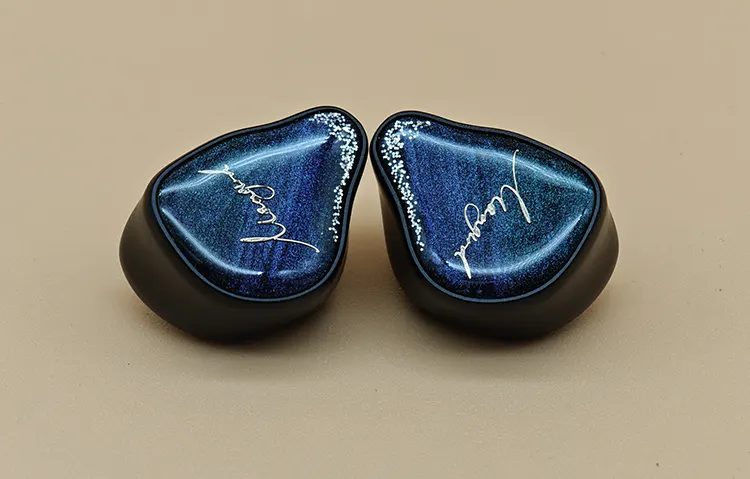
A two-tone Northern Lights-inspired faceplate defines the look of the Tea Pro, shifting between shades of green and violet depending on the lighting angle. S
cattered golden dots create a starlit effect across the faceplate, adding texture without overwhelming the color shift.
The rest of the shell is a solid black opaque resin, carrying a printed Mangird logo and simple model text near the connector area.
It uses a more traditional IEM shape that favors comfort despite the larger shell, blending a flashy faceplate with a low-key body design underneath.
Performance
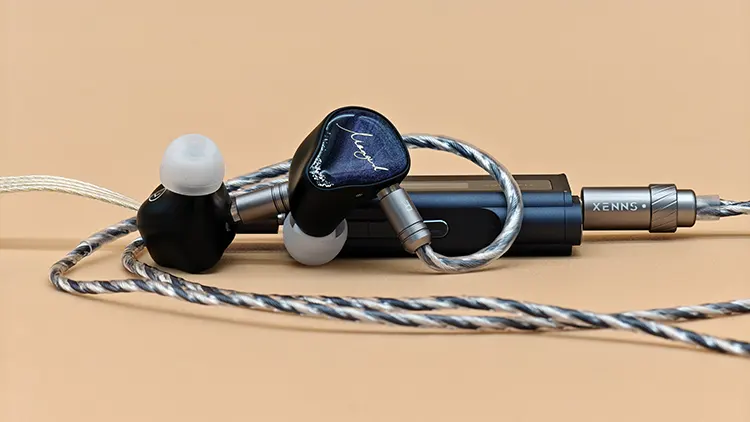
Bass immediately sets the two apart, with the XENNS Mangird Tea Pro delivering a boomier low-end that floods the ear with heavy subbass rumble and thick drum impacts.
The ZiiGaat Arcanis, by contrast, keeps the bass cleaner and more controlled, offering better punch and tighter note definition even though it doesn’t hit with the same overwhelming force.
Midrange presentation leans heavily toward the Arcanis, bringing a more natural and realistic timbre to vocals and instruments compared to the Tea Pro’s slight BA tone, especially noticeable on female vocals.
Vocals feel properly centered and forward on the Arcanis, while the Tea Pro pushes them slightly behind the bass, softening their presence in the mix.
Vocal clarity and texture are another strong point for the Arcanis, uncovering backing vocals, breaths, and subtle microdetails that the Tea Pro tends to leave masked behind its fuller low-end.
Instruments also have sharper outlines, making the midrange feel more precise and engaging overall.
In the treble, the Arcanis pulls ahead with better extension, stronger sparkle, and a smoother delivery that never gets harsh or fatiguing. The Tea Pro plays it safe with an above-average but more muted top-end that lacks the refinement, openness, and finer resolution of the Arcanis.
Soundstage and imaging complete the picture, as the Arcanis delivers a noticeably wider, deeper, and vertically layered space that feels fully three-dimensional.
The Tea Pro stays largely two-dimensional in comparison, offering decent width but missing the height and precise instrument placement that makes the Arcanis more immersive.
THIEAUDIO Hype 4
Technical
The THIEAUDIO Hype 4 uses a hybrid 2DD + 4BA driver configuration, featuring dual 10mm dynamic drivers arranged in an isobaric design and four Sonion balanced armatures.
The dynamic drivers handle the low-end frequencies while the Sonion BAs manage the midrange and treble regions.
The IMPACT2 technology stabilizes the subbass response by using two dynamic drivers inside a chamber, optimizing texture and keeping the bass clean and controlled.
Dual 26A series Sonion drivers cover the midrange, while dual E50 series Sonion drivers handle the treble extension and detail retrieval.
Design
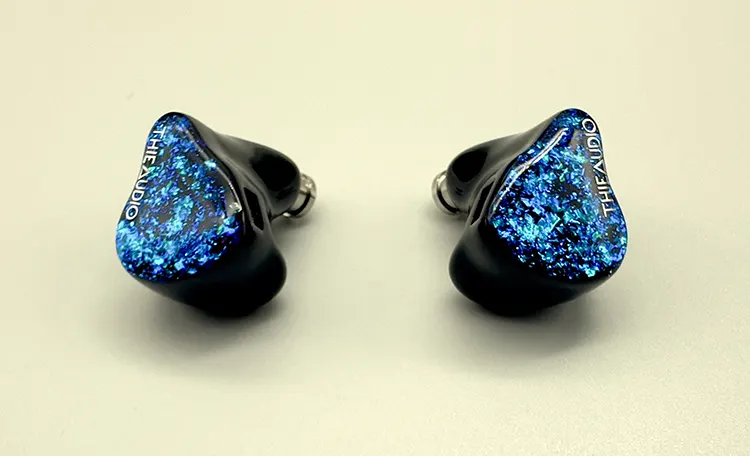
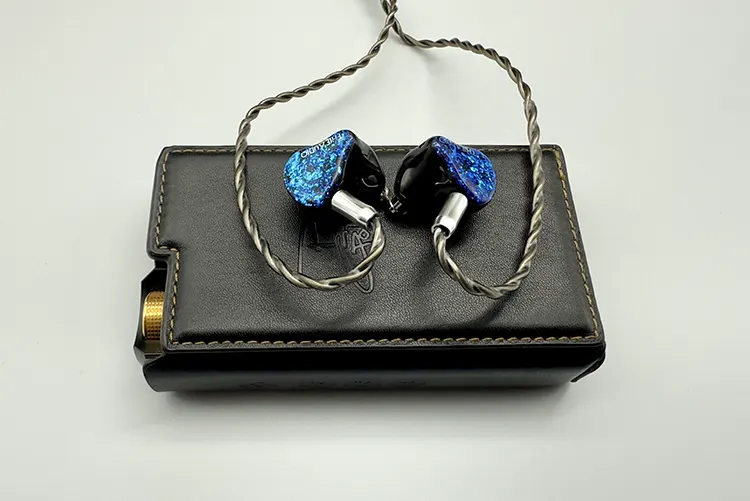
The Hype 4 keeps with THIEAUDIO’s familiar aesthetic, using black resin shells paired with an artistic faceplate layered with vibrant cyan-blue glitter.
A subtle THIEAUDIO branding sits along the edge of the faceplate, adding identity without cluttering the clean design.
The shell is sleek and simple with no heavy patterns, while the nozzle is shorter and wider than usual, finished with a protective mesh over a nearby vent.
The cable attaches via a recessed 0.78mm 2-pin socket, keeping the connection secure while maintaining a flush fit into the housing.
Performance
One of the key differences is how they handle bass, with the ThieAudio Hype 4 offering a deeper, fuller rumble that adds more weight and body to every track.
The ZiiGaat Arcanis focuses on a cleaner and tighter presentation, trading some low-end weight for better control and layering.
In the midrange, the Hype 4 leans warmer with thicker male and female vocals, while the Arcanis brings a cleaner and more transparent sound without feeling dry or thin.
Vocals land slightly more forward on the Arcanis, making them stand out better against instruments compared to the softer, more blended tone of the Hype 4.
Micro-detailing and vocal texture are captured more cleanly on the Arcanis, uncovering subtle inflections and backing vocals that the Hype 4 smooths over with its richer profile.
Instruments also gain sharper definition, helping the Arcanis create a midrange that feels more open and layered.
Treble performance stretches further on the Arcanis, delivering better air, sparkle, and fine detail without falling into sharpness or exaggeration.
The Hype 4 remains enjoyable and energetic in the highs, but it occasionally lifts too much energy, making it slightly less smooth across longer listening sessions.
Soundstage and imaging round out the difference, with the Arcanis building a wider, taller, and more three-dimensional space that places instruments more precisely.
The Hype 4 offers a wide and holographic feel but falls short of matching the Arcanis’ cleaner vertical layering and tighter positional cues.
My Verdict
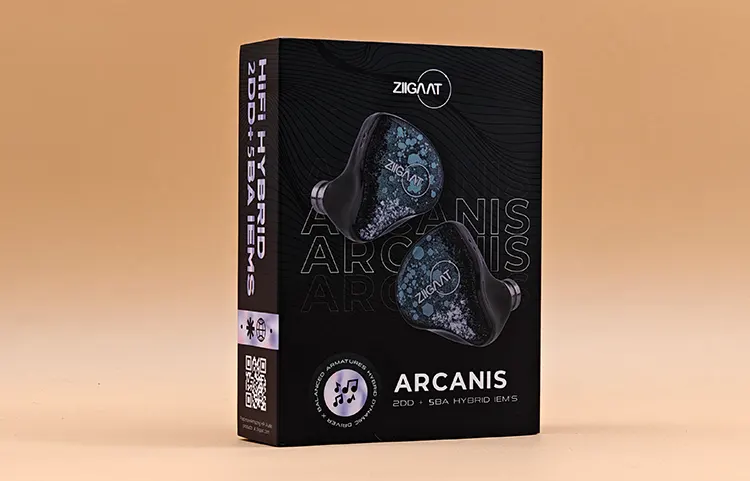
The ZiiGaat Arcanis marks a new level of refinement for the brand, bringing a mature and balanced sound tuning that feels carefully crafted across the board.
It’s clean bass, natural midrange, extended treble, and excellent staging all work together to create one of ZiiGaat’s most complete-sounding IEMs to date.
There are still issues like driver flex and subpar accessories, but they don’t take away from the excellent performance and refinement the Arcanis brings.
It easily stands as ZiiGaat’s strongest and most complete offering to date, firmly stepping into the higher-end IEM market with a polished and mature sound.
ZiiGaat Arcanis Technical Specifications
- Driver Type: Two (2x) 10mm PET dynamic drivers, one (1x) Knowles 29689 balanced armature, two (2x) Knowles 32873 balanced armatures, and two (2x) Knowles 33518 tweeter balanced armatures
- Plug: 0.78mm 2-pin with 3.5mm termination
- Frequency Response: 20Hz – 25kHz
- Impedance: 12-ohms @ 1kHz
- Sensitivity: 106 db/Vrms
