

Select Comparisons
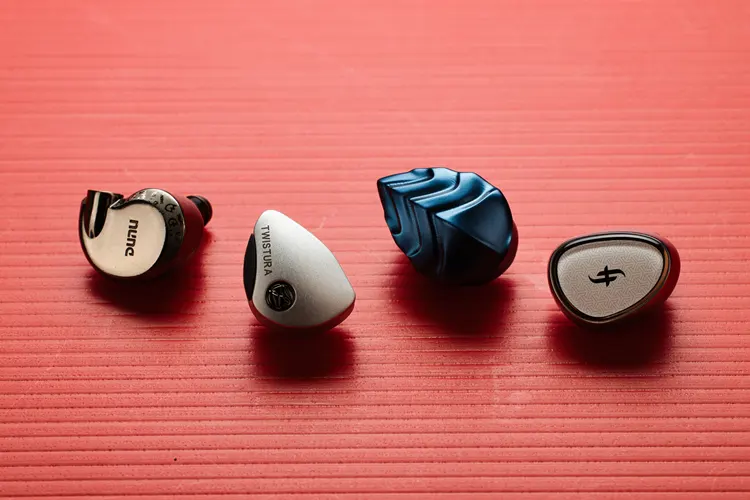
Hidizs MK12 Turris
Technical
The key feature of the Hidizs MK12 Turris is the use of a 91% pure magnesium dome diaphragm for its 12mm driver. It’s a single dynamic driver IEM with 32-ohm impedance and 111dB/mW sensitivity. Priced at $199
Design
The MK12 Turris has a machined aluminum shell that looks like a sea creature and feels solid and expensive in the hand.
However, the included cable is not up to par with the IEMs’ design; it looks simplistic and thin. It could have been better if it matched the IEMs aesthetically.
Performance
The Hidizs MK12 Turris is the first IEM with a large 12mm driver and a 91% pure magnesium dome diaphragm, promising unprecedented bass impact and sound clarity. It has special qualities that I have never heard in other dynamic driver IEMs.
They have similar sound signatures, except the TWISTURA Woodnote has a slightly more treble presence. The MK12 Turris is more reserved in the treble, but from bass to midrange, it sounds similar to the Woodnote.
In terms of soundstage, both perform similarly; the wood note is wider, but the MK12 Turris is deeper, and the difference is negligible. And when it comes to imaging, they are about equal; both have excellent instrument separation and center image stability.
However, I do notice that the MK12 Turris has cleaner background decay, making the notes and vocals purer-sounding than the Woodnote. However, I don’t like the laid-back treble in the MK12 Turris; it sounds rolled off in comparison.
DUNU Falcon Ultra Ti
Technical
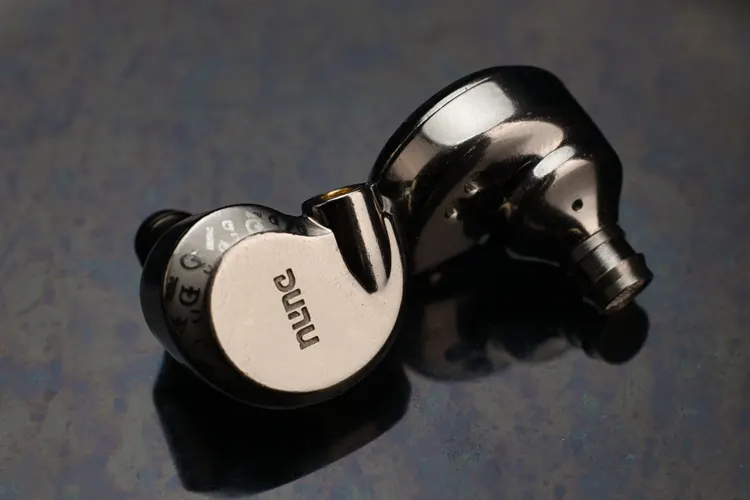
The DUNU Falcon Ultra Ti is a single dynamic driver IEM that uses DUNU’s in-house 10.7mm driver with an all-metal composite diaphragm dome of lithium-magnesium alloy.
Lithium is a soft metal that adds damping to rigid magnesium. It’s got an impedance of 16 ohms and 108 dB/mW of sensitivity.
Design
A small, machined stainless steel shell is available in blue or titanium grey, which is the one I got. It’s a classy-looking IEM. However, I don’t feel the stock cable is up to par, as it is thin and tangles easily.
Performance
The DUNU Falcon Ultra Ti has been my reference neutral set for a while now. It sounds so neutral and balanced that I made it my reference IEM or my measuring stick to judge the tonality of other IEMs in review.
After hearing many IEMs or headphones with different sound signatures, it also acts as my palate cleanser.
This is where I knew how to judge the sound signature of the Woodnote. It has more bass and lower midrange, a more laid-back upper midrange, and treble.
Not that the woodnote sounds closed-in, but the Falcon Ultra is more open-sounding due to its more forward upper midrange and treble presentation.
They are about equal in sound staging, with the Woodnote having a deeper soundstage and the Falcon Ultra having a wider soundstage.
They both have excellent instrument separation; however, I find the Falcon Ultra edges the Woodnote by a small margin regarding imaging and holography.
SIMGOT EA1000
Technical
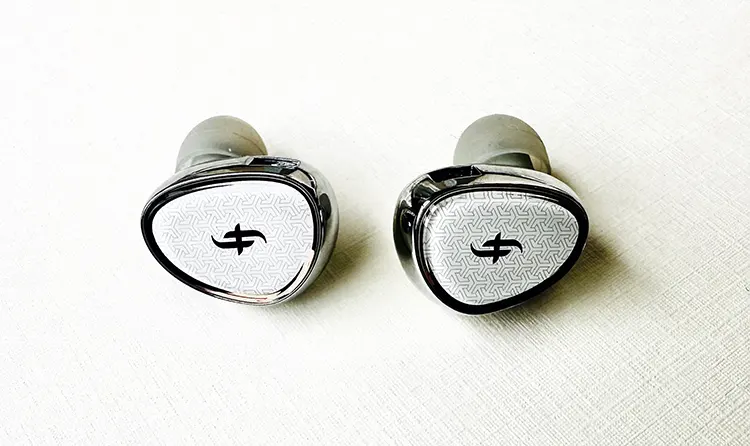
The SIMGOT EA1000 is a 10mm dynamic driver IEM with a passive radiator to tune the bass.
It uses a Sputter Deposition Purple-Gold Diaphragm material, which is explained more thoroughly on its website. It has an impedance of 16 ohms and 127dB sensitivity.
Design
I love the chrome-like mirror finish around the EA1000 shell and the glass faceplate with an intricate pattern. The cable matches the IEMs well. Among the IEMs here, this one is the most beautiful for me.
Performance
The SIMGOT EA1000 has a slightly V-shaped-sounding IEM with a tiny bass and upper treble boost.
Regarding tonality, the Woodnote is warmer by comparison; the difference is noticeable. The EA1000 is leaner and cleaner in the midbass, while the Woodnote has a thicker and denser midbass.
Regarding treble, the EA1000 is more forward and vivid in presentation, while the Woodnote is laid-back and relaxed.
In terms of sound staging, the EA1000 has a wider soundstage, while the Woodnote has a deeper soundstage.
They are not far apart in imaging performance; the EA1000 has a closer imaging presentation, not exactly in your face, but more intimate than the Woodnote.
The Woodnote’s imaging is more accurate and natural; it has a more distant presentation with a more stable center imaging, i.e., vocals, and a more focused image projection. But the difference is negligible.

My Verdict
The Woodnote’s pressed wood fiber composite dome diaphragm made it sound natural. I’ve heard other single dynamic driver IEMs that use exotic or unusual materials that make them sound unnatural, such as pure magnesium or pure glass.
This innovation from TWISTURA is commendable, and I hope to see it in more IEMs soon.
The variety of sound signatures from the three nozzles and the four types of ear tips gives the TWISTURA Woodnote a greater chance of finding the right sound for a broader range of music listeners. And adds more value for money.
There is nothing to dislike about the TWISTURA Woodnote, considering its price. Still, if I had to nitpick, they could have used a different color between the standard and instrumental nozzles because they look identical.
The combination of good sound quality, great accessories, and the affordable price of $179 makes the TWISTURA Woodnote a competitive IEM, even though it is not the best performing I’ve heard in technicalities, i.e., sound staging, imaging, resolution, and separation
Its warm tone will win many music lovers and audio enthusiasts. The sound value for money is high.
TWISTURA Woodnote Technical Specifications
- Impedance: 18Ω±15%.
- Sensitivity: 125dB/Vrms.
- Frequency Response Range: 8Hz~21kHz.
- THD+N: ≤0.05%.
- Connector Type: 0.78mm 2-Pin Connectors.
- Termination Plugs: 3.5mm+4.4mm.
