

Synergy
Efficiency
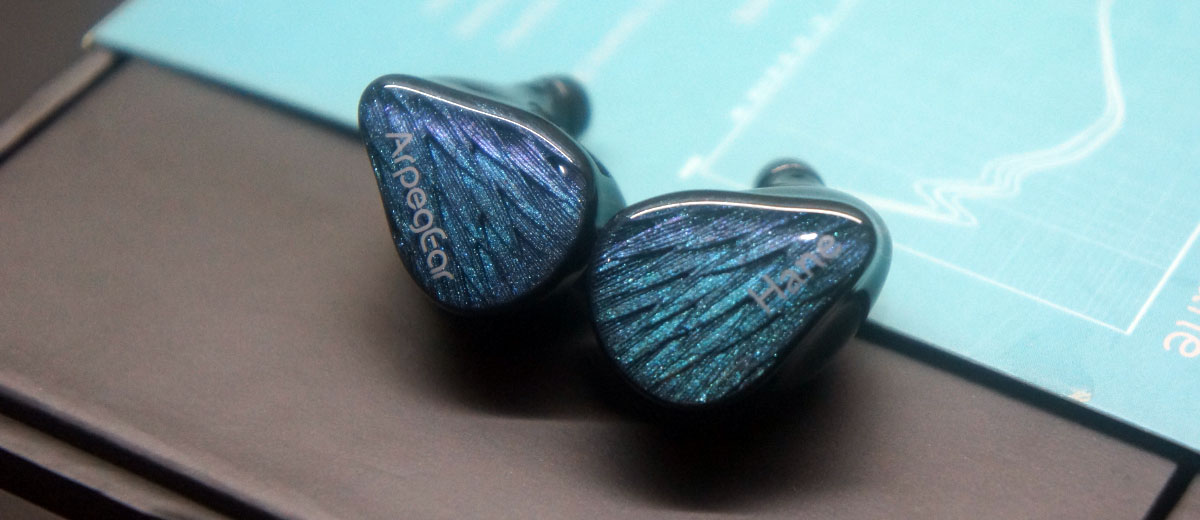
With an impedance of 80Ω and efficiency of 115 dB/Vrms, the Hane benefits from being driven by a powerful dongle or DAC/AMP.
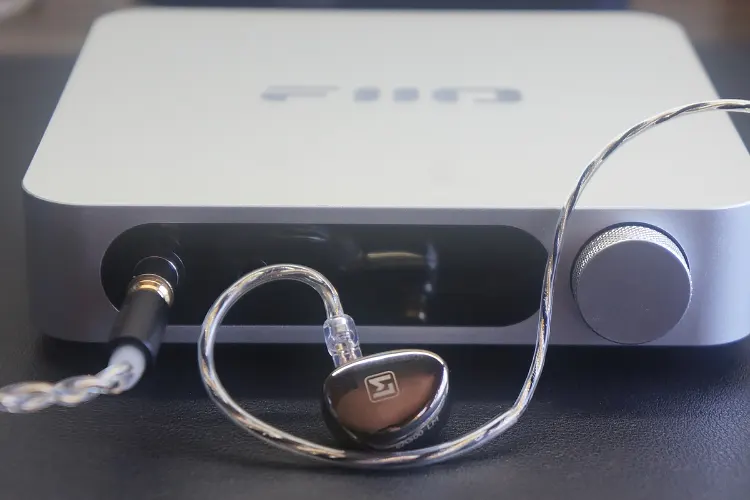
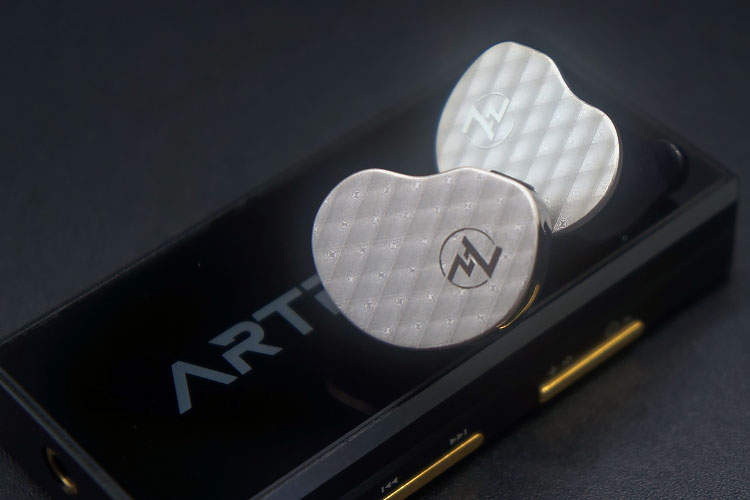
I was surprised to find that the Hane was harder to drive than my pricier IEMs, such as the Moondrop Blessing 3 and Yanyin Canon II. Throughout my testing, I tried the Hane with the ddHiFi TC35Pro E2, 7Hz Artemis39, iFi audio GO link Max, and the FiiO K11.
I observed better dynamics and instrument separation, especially with the bass switches toggled, when the Hane was being powered through more powerful sources such as the Artemis39 and K11.
Pairings
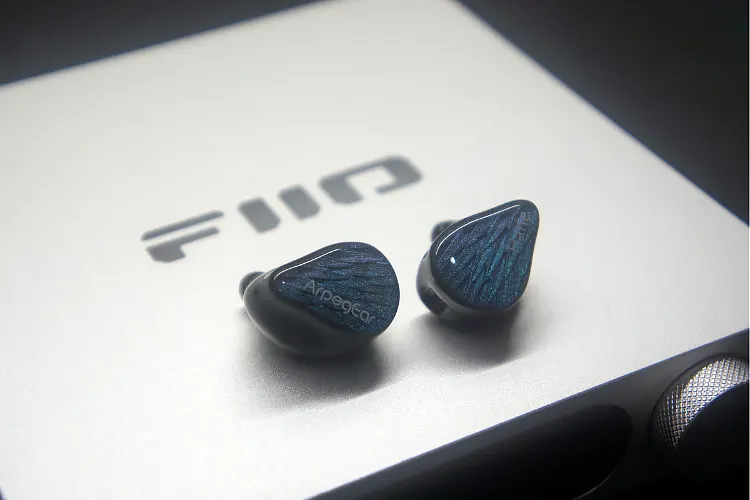
Since I found that the Hane and its 80Ω impedance benefited quite a bit from power, I preferred pairing it with powerful sources that add slight warmth. Because of this, the 7Hz Artemis39 and the FiiO K11 R2R were my preferred pairings for on-the-go and desk usage, respectively.
I initially tried pairing my daily dongle, the ddHiFi TC35Pro E2 Lightning, with the Hane, however, I found that it didn’t have enough power to drive the IEMs to a listenable level while preserving its high-end clarity without sibilance.
I then tried the iFi audio GO link Max. Although it did have enough power to properly drive the Hane, I found that its emphasis in the upper mid-range and treble disrupted the treble balance a bit by giving the overall sound too much energy.
Select Comparisons
LETSHUOER S08
Technical
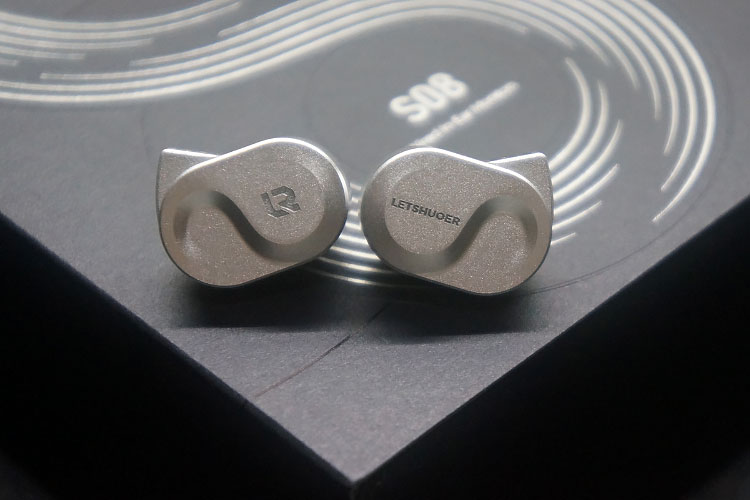
The LETSHUOER S08 utilizes a 13mm planar magnetic driver, boasting an impedance of 26Ω and a sensitivity of 105 dB, making it relatively easy to drive and compatible with a variety of audio sources.
In contrast, the Topping Arpegear Hane is equipped with a 10mm dynamic driver featuring a diamond-like carbon (DLC) diaphragm. It has a higher impedance of 80Ω and a sensitivity of 115 dB/Vrms. In practice, I found that the Hane was considerably harder to drive than the S08.
Design
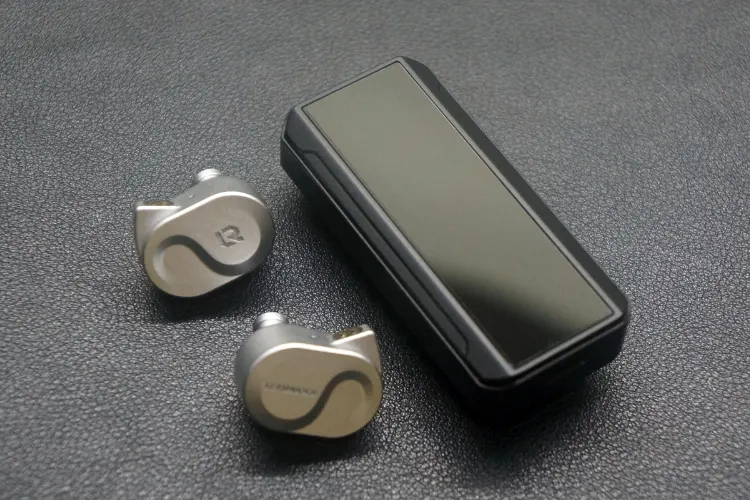
The LETSHUOER S08 is crafted from CNC-machined aluminum with an anodized finish, featuring a compact and lightweight shell that has an S and 8 pattern engraved onto the face plate, offering a comfortable fit and good isolation.
The Topping Arpegear Hane, on the other hand, boasts a sleek design with a resin shell and an intricately designed faceplate inspired by traditional Chinese “dian cui” technique, giving it a jewel-like appearance.
Despite its heavier weight and metal build, I found the S08 to be more comfortable primarily because of its more contoured shell shape, but I would not consider the Hane to be uncomfortable by any means.
Performance
The S08 delivers a warm, bass-rich sound signature, characterized by a prominent and velvety mid-bass along with a deep, impactful sub-bass. This combination adds warmth and fullness, making it well-suited for bass-heavy genres.
The Hane has a notably lean bass response, lacking the texture and slam needed to properly convey the weight of modern pop and hip-hop tracks. Its low-end presentation feels restrained, missing the physicality and rumble that define the S08’s bass performance.
In the midrange, the S08 offers a smooth and natural tuning with a slightly warm tonality and solid note weight, lending richness and fullness to vocals and instruments.
The Hane adopts a more neutral midrange with a slight emphasis on the upper mids and treble, resulting in excellent clarity and separation.
This tuning makes it particularly well-suited for vocal and string-centric tracks, though it can sometimes sound a bit weightless next to the S08’s fuller and more dynamic mids.
Treble presentation differs significantly between the two. The S08 features a smooth, non-fatiguing treble that maintains a balance between detail retrieval and listening comfort, effectively avoiding sibilance.
The Hane has a more energetic and extended treble response, delivering superior micro-detail retrieval and an overall brighter tonality.
SIMGOT EA500LM
Technical
Both the EA500LM and the Hane come with a 10mm dynamic driver, with SIMGOT’s implementation featuring their dual-magnet, dual-cavity (DMDC™) technology and a lithium-magnesium alloy diaphragm.
The EA500LM has an impedance of 16Ω and a sensitivity of 106 dB/Vrms, while the Topping Arpegear Hane and its DLC dynamic driver have an impedance of 80Ω and a sensitivity of 115 dB/Vrms. Throughout my testing, I found that the Hane was harder to drive than the EA500LM.
Design
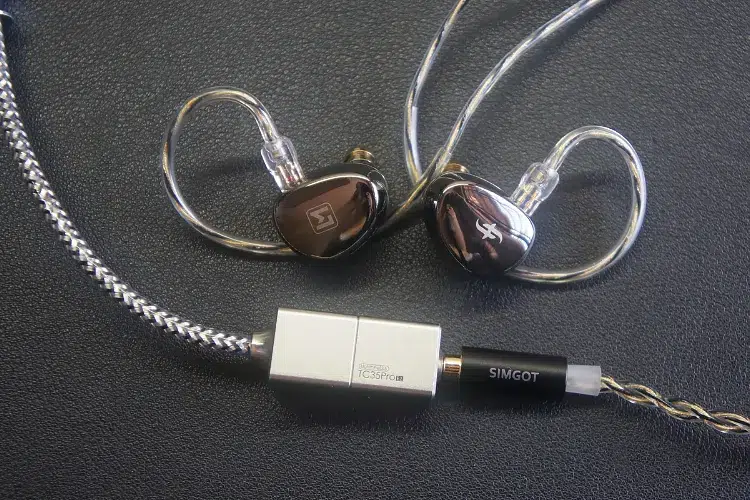
The Hane features a 3D-printed medical-grade resin shell with a glossy black finish. The faceplate showcases an intricately designed pattern inspired by traditional Chinese “dian cui” craftsmanship, resembling minuscule feathers.
The EA500LM is constructed from CNC-machined alloy metal with a mirror-polished finish, exuding a premium feel. However, the mirror finish is highly prone to fingerprints, requiring regular cleaning to maintain its pristine look.
Throughout daily use, I found the Hane and its lighter and more compact frame to be more comfortable than the metal EA500LM.
Performance
The EA500LM delivers a stronger low-end presence than the Hane, resulting in a warmer sound signature that enhances vocal richness and overall tonal depth.
However, this added warmth comes at the expense of some midrange clarity, as the EA500LM’s mid-bass can slightly bleed into the mids, introducing a bit of congestion.
Its bass leans towards a V-shaped tuning, with a distinct emphasis on the low end, making it a great option for those who enjoy a more bass-forward and energetic sound.
The Hane excels in midrange detail, offering a cleaner and more articulate presentation. Vocals and instruments come through with better separation and precision, whereas the EA500LM is less resolving and plays back mid-range instruments with less realism.
Treble is where the Hane truly shines, providing superior resolution and highlighting high-frequency details like cymbals and chimes with greater clarity.
These elements can sometimes be overshadowed by the EA500LM’s tuning. The Hane’s treble remains well-controlled, avoiding excessive sharpness while preserving excellent detail retrieval.
The EA500LM’s treble can occasionally become sibilant, which may be fatiguing for treble-sensitive listeners. Whereas the Hane maintains a more refined balance, ensuring a crisp yet controlled high-end presentation.
7Hz Five
Technical
The Hane features a single 10mm diamond-like carbon (DLC) dynamic driver, known for its rigidity and lightweight properties, contributing to accurate sound reproduction.
It has an impedance of 80Ω and a sensitivity of 115 dB/Vrms, requiring more power than the 7Hz Five with its impedance of 12Ω and a sensitivity of 105 dB.
The Five pioneers a unique setup with five custom 6mm dynamic drivers per side, each operating independently within its own acoustic chamber. This configuration aims to enhance separation while maintaining a cohesive sound signature.
In practice, I found that the Hane was substantially harder to drive than the 7Hz Five as well
Design
The Hane boasts a 3D-printed medical-grade resin shell with a glossy black finish. The faceplate showcases an intricately designed pattern inspired by traditional Chinese “dian cui” craftsmanship.
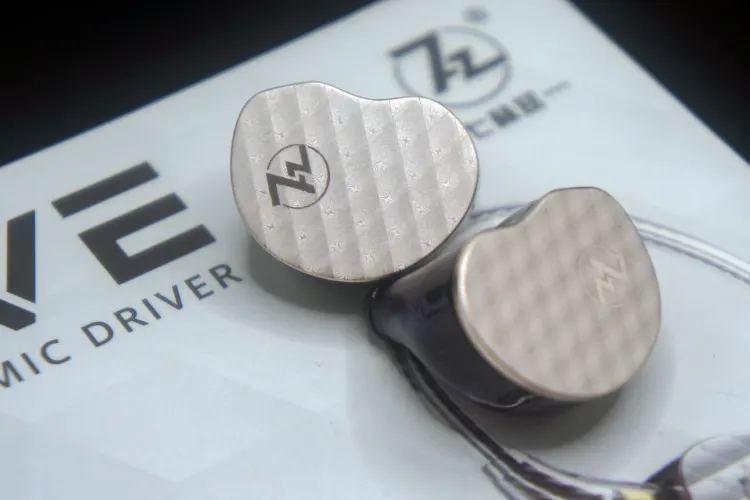
In comparison, the 7Hz Five combines its opaque resin shell with an aluminum faceplate featuring a crisscross pattern, adding a distinctive visual element.
Throughout my testing, I found the Hane’s more compact shell to be more comfortable than the 7Hz Five.
Performance
The Hane leans towards a brighter and more analytical sound signature, emphasizing treble clarity and midrange detail while maintaining a more restrained bass response.
This tuning enhances its microdetail retrieval and imaging, allowing treble and midrange instruments to be rendered with superior resolution and precision.
The 7Hz Five adopts a more traditional V-shaped tuning, delivering a richer and more impactful low end. Basslines and kick drums carry greater weight and energy, giving the Five a more dynamic and engaging low-frequency response.
However, this pronounced bass emphasis slightly muddies the midrange in comparison to the Hane. String instruments and vocals on the Five lack the same level of airiness and delicacy that the Hane achieves through its more refined and detailed presentation.
While both IEMs exhibit notable treble energy, the Hane maintains a cleaner and more spacious presentation, which enhances microdetail retrieval and overall airiness.
The Five, despite its V-shaped tuning, still offers a solid treble response, though it doesn’t match the precision and openness of Hane’s treble performance.
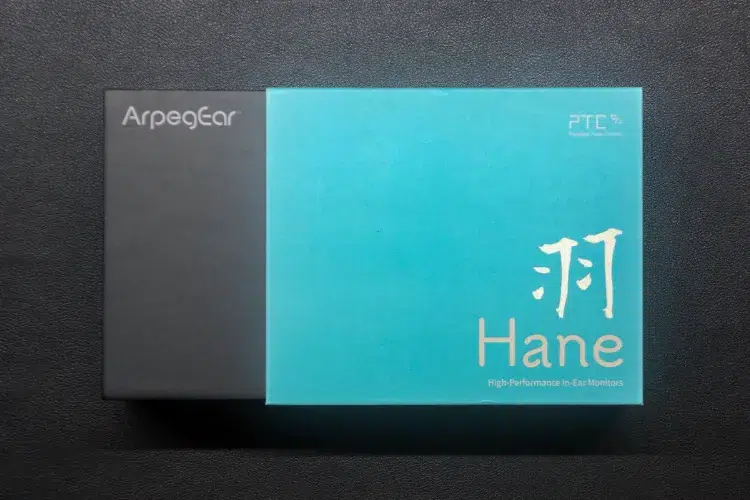
My Verdict
The $129 Topping Arpegear Hane is an affordable but well-equipped single dynamic driver IEM with a uniquely comprehensive tuning system and enough versatility to synergize with a wide range of listener preferences.
Its bass presentation does leave a lot to be desired. It can be quite lean on its stock tuning, and boosting it with the first 2 switches muddies up the sound stage and imaging, while also causing a sense of in-ear pressure buildup.
However, its mid-range harmonics and tuning, alongside its superior micro-detail, are truly class-leading and would be a good fit for listeners who listen to female-led acoustic music that is heavy on guitars and string instruments.
Topping Arpegear Hane Technical Specifications
- Driver configuration: 10mm dynamic driver
- Frequency response: 5 Hz to 35 kHz
- Impedance: 80 Ω ±15% at 1 kHz
- Sensitivity: 115 dB/Vrms
- Connector: 0.78mm 2-pin
- Plug: 3.5mm
