

Selected Comparisons
THIEAUDIO Hype 4
Technical
The THIEAUDIO Hype 4 is a universal IEM with a hybrid configuration of dual dynamic drivers and four Sonion balanced armature drivers.
The Hype 4 MKII uses all Knowles balanced armatures compared to the Sonions in the Hype 4. The Hype 4 also incorporates IMPACT2 technology, which is used in many THIEAUDIO IEMs.
The four BA drivers on Hype 4 include the Sonion 26A and E50 series. The Sonion E50 series is a dual ultra-tweeter BA driver used for the highs, with dual 26A series drivers covering the mids.
The Hype 4 is rated at 17 Ω @ 1 kHz with a sensitivity of 105 dB/Vrms, making it fairly easy to drive from dongles and DAPs. The Hype 4 MKII is equally easy to drive and requires a similar volume level.
Design
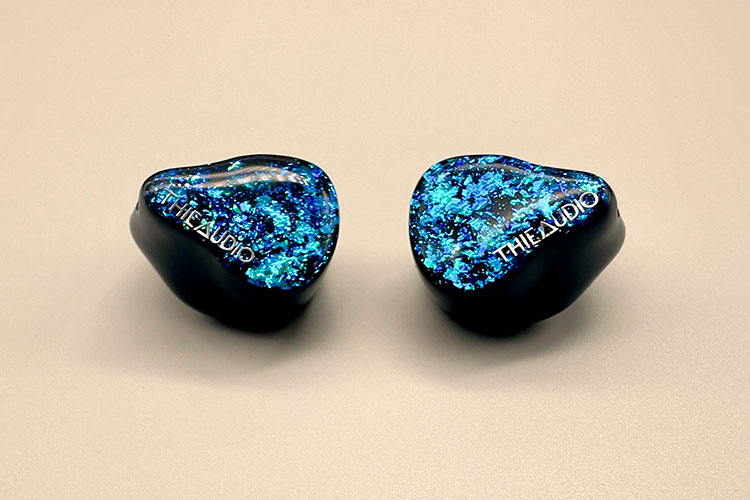
The shells of the Hype 4 are made of resin and feature a sleek, all-black design with an artistic, glossy faceplate. It also comes in a white variant with a pearly body and similar faceplates, but with a different color pattern.
The faceplate on the black version has vibrant cyan-blue glitter that shines brightly under light. The IEM is lightweight and has an average-sized shell.
The new avatar of the Hype 4 is built in aluminum and is lightweight as well. The shells are slightly smaller, while the nozzles on the new version are shorter and narrower too. On both iterations, the cable connects to the IEM via a recessed 0.78 mm 2-pin socket.
I find the new packaging style better than how THIEAUDIO packed the earlier Hype 4. The new style is more compact and includes a better cable and carry case.
The cable is modular now, with both 3.5 mm and 4.4 mm terminations, and it has a slightly better build as well. Overall, I find the new release an upgrade over the earlier one.
Performance
The Hype 4 is the more “fun” IEM. It carries more volume, and while the sub-bass reach is close between the two, the mid-bass on Hype 4 gets more attention. That extra mid-bass weight gives kicks more thump and makes the low end feel more alive and physical.
The Hype 4 MKII trims that down. It feels more sub-focused, with less mid-bass swell. The low end comes across as tighter and more disciplined.
Midrange is where the Hype 4 still wins for musicality. It has more warmth in the lower mids, and that gives vocals a richer tone. It also carries a more intimate, emotional feel. The Hype 4 MKII pulls that back.
The midrange sounds cleaner and more neutral, in that classic THIEAUDIO way, but you lose some lushness. Upper mids on the Hype 4 MKII are forward and extended, so vocals stay clear, but the body behind them is lighter compared to the Hype 4.
Treble follows that same idea. Hype 4’s treble feels more naturally blended. It has the sparkle, but it does not draw attention to itself. The Hype 4 MKII is more energetic up top. It is not harsh, but it is more present and more focused.
If you like extra bite and want more detail to pop, the Hype 4 MKII does that better. The flip side is, if you are treble sensitive, those extra peaks can bother you.
Technically, both are solid. The Hype 4 MKII feels more width-focused, with instruments spread a bit wider and with more air around them.
Imaging is also sharper on the Hype 4 MKII, and separation feels a touch cleaner. The Hype 4, with its more V-shaped flavor, throws a stage that feels deeper and a bit more layered front-to-back, even if the width is still good.
THIEAUDIO Oracle MKIII
Technical
THIEAUDIO’s Oracle series is well regarded as an affordable tribrid studio IEM line. The THIEAUDIO Oracle MKIII has a configuration of 2DD + 2BA + 2EST configuration.
The Oracle MKIII uses two ultra-high-frequency drivers, one high-frequency driver, one mid-frequency driver, and two low-frequency drivers, with a 4-way crossover system.
The MKIII also utilizes IMPACT2 technology for its low end, which has been seen on most of the recent THIEAUDIO IEMs with a dual dynamic driver configuration.
The Oracle MKIII has an impedance of 13Ω at 1 kHz and a sensitivity of 99 dB/Vrms. It is an easy-to-drive IEM and scales quite well when paired with powerful sources. The Hype 4 MKII does not need a lot of power. On the LPGT, it asks for a lower volume level than Oracle MKIII.
Design
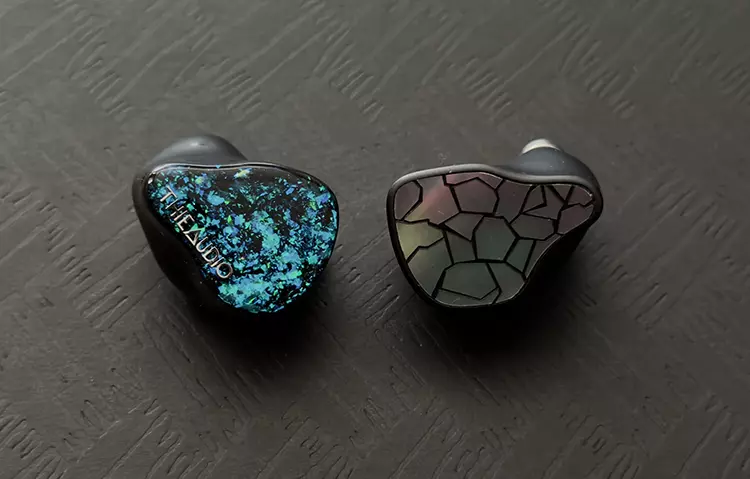
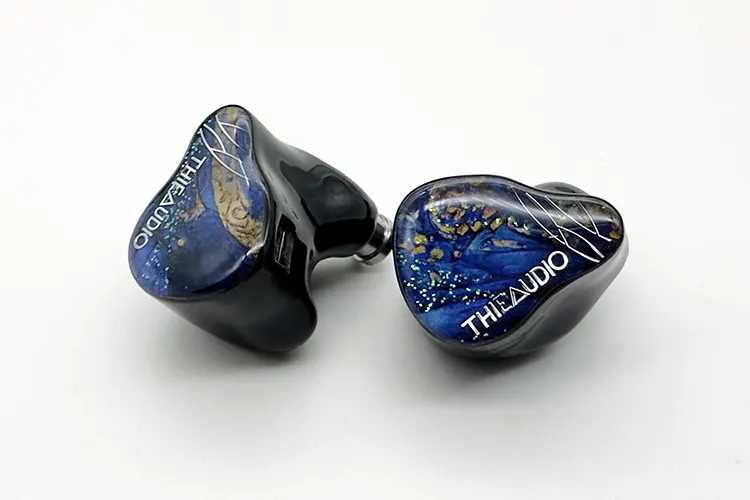
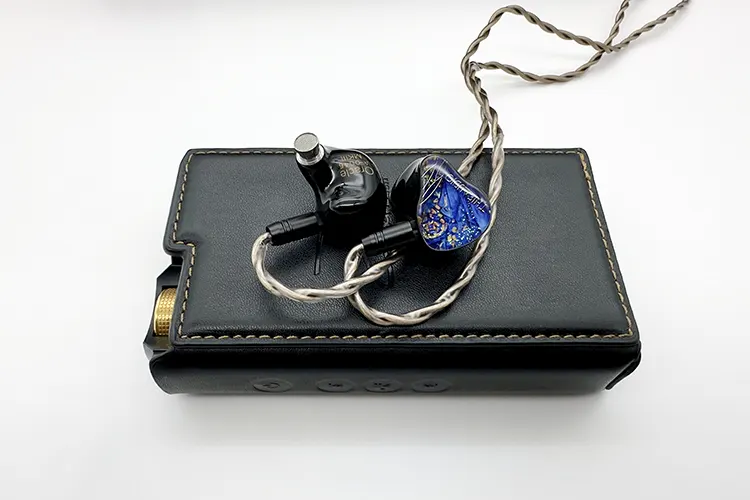
The Oracle MKIII features resin shells with a sleek, all-black look. The faceplate stands out with an intricate yet minimalist design, showing a deep blue base accented by light brown patterns. The size is average, just like the Hype 4 MKIIs, and they fit quite well.
Both IEMs connect via a recessed 0.78 mm 2-pin socket. The Oracle MKIII includes a high-grade silver-plated OCC modular cable that lets you choose between 4.4 mm, 3.5 mm, and 2.5 mm plugs.
THIEAUDIO packs the Oracle MKIII in a very minimal box, similar to the previous iteration of Hype 4. The new Hype 4 MKII packs a better set of accessories in a more compact package.
Performance
The Hype 4 MKII has a bit more sub-bass presence. It reaches deeper, and you feel the rumble more clearly when the track calls for it. Oracle MKIII leans more into mid-bass. The hit is tighter and cleaner, and it stays very controlled without loosening up.
The overall bass tone on Oracle MKIII feels leaner, with less warmth and less extra thickness hanging around. Give it proper power, and it sounds solid and confident, more of a “tight grip” than the Hype 4 MKII.
Midrange is where Oracle MKIII starts pulling ahead for me. It is cleaner, more transparent, and also a bit lusher at the same time. The way its lower midrange and upper midrange connect feels more musical.
Vocals have better body, and the extension up top feels more natural. Hype 4 MKII is more of a neutral take. It is still clean, and it does not borrow warmth from the bass, but the lower midrange feels a bit leaner, and that takes away some of the emotional weight that Oracle MKIII carries.
Treble is energetic on both. Both can sound spicy. Oracle MKIII is more focused in the lower treble. Hype 4 MKII has more of those extra peaks up top, and that can poke a bit more at times. Hype 4 MKII still has plenty of air and sparkle, but Oracle’s treble feels a bit more disciplined in comparison.
Technically, Oracle MKIII is the better IEM in my book. Separation is cleaner, imaging is sharper, and the stage opens wider while staying more organized. Dynamics are also stronger, and it really shows when you feed it enough juice.
Hype 4 MKII does a lot right; stage and imaging are already solid, but next to Oracle MKIII, it feels a step behind in overall technical control.
DITA AUDIO Project M
Technical
The DITA Project M features the company’s in-house, custom PM1+ 9.8 mm dynamic driver and a Knowles balanced armature driver.
DITA developed this dynamic driver specifically for Project M. Both the DD and BA drivers are housed in highly optimized stainless-steel chambers.
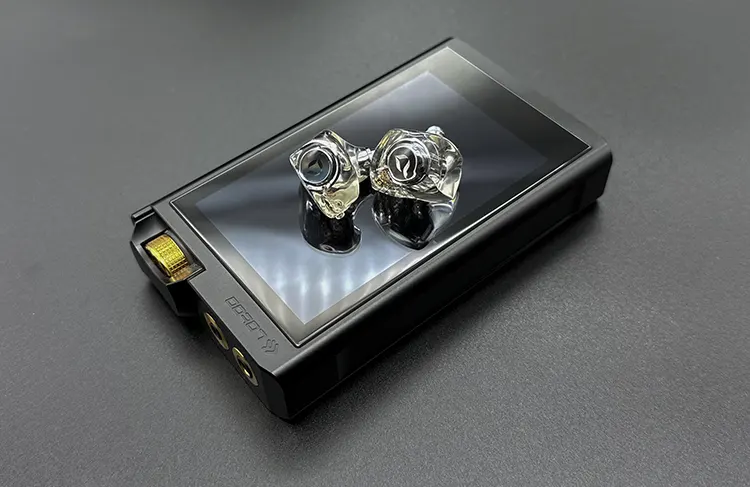
Project M has an impedance of 32 Ω at 1 kHz and a sensitivity rating of 107 dB/Vrms. While I don’t find it too hard to drive, it demands a good amount of power to show its full potential.
In that case, the bass response, in particular, gains more impact and authority. On my LPGT, it takes a few more volume clicks than the Hype 4 MKII.
Design
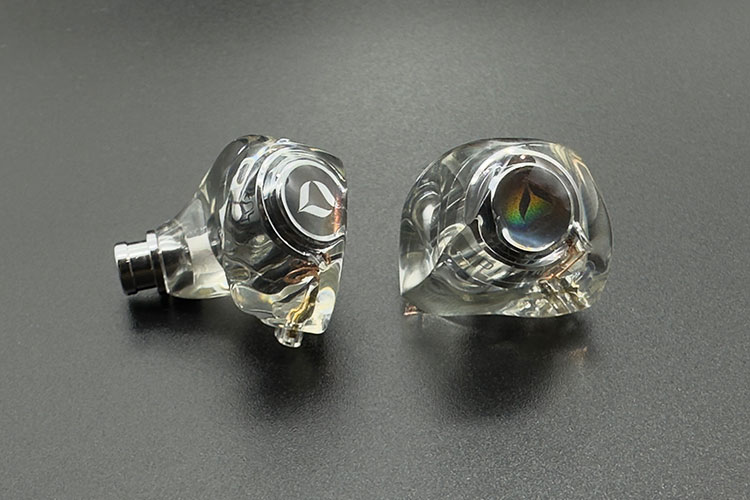
Project M is DITA’s first resin-based hybrid IEM, featuring a unique shell design that stands out from typical resin models.
It has a very ergonomic shape and a solid, rigid structure. The shells are transparent and have a crystal-clear, prism-like design. The transparent shells reveal the internal components, adding to the IEM’s aesthetics.
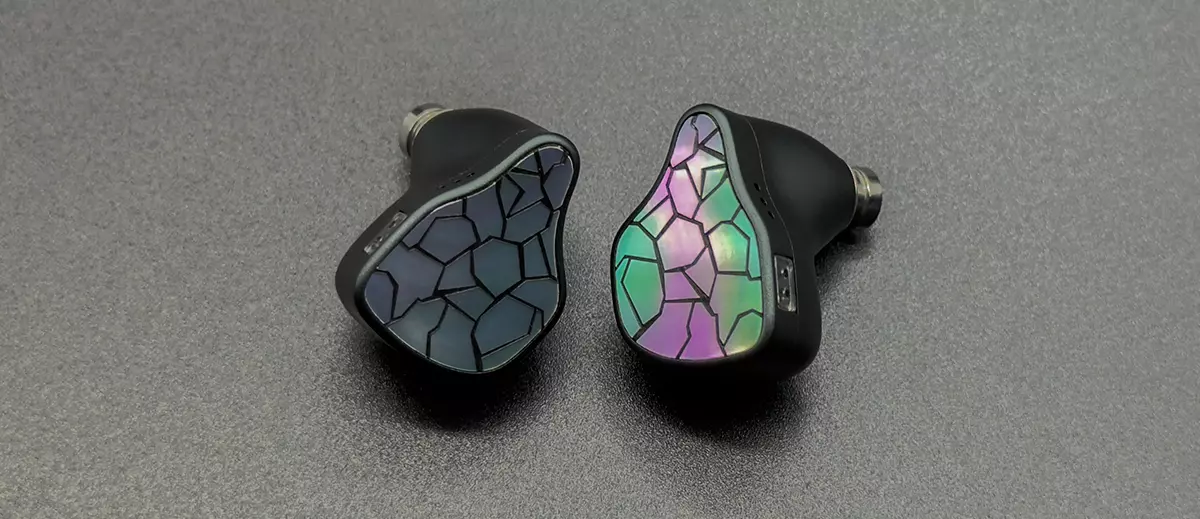
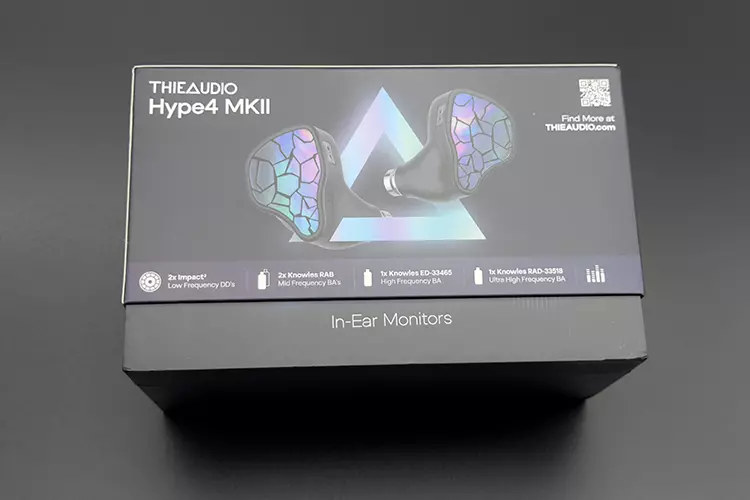
The Hype 4 MKII has an all-metal shell with slightly colorful aesthetics, thanks to the faceplate’s rainbow-like effect. It is also very lightweight and comfortable to wear.
Project M is paired with a custom-designed cable known as the MOCCA cable. This cable is modular, like the Hype 4 MKII’s, and comes with 3.5 mm and 4.4 mm connectors. It is slightly thinner in build.
I would pick the Hype 4 MKII’s cable for its looks, while the performance is quite similar on both.
Project M packs solid accessories in a very elegant yet minimal style. The carry case, though it lacks enough space, is built to last. The Hype 4 MKII also has a solid set of accessories, and for the price, it feels quite appropriate.
Performance
In the low end, Project M is the more neutral take. It has good depth, and it stays tight, but it does not push a lot of quantity. It does not dig in with the same rumble and floor that the Hype 4 MKII brings.
The Hype 4 MKII has a fuller foundation. More sub-bass presence, more physical shake, and a better sense of weight.
Midrange is clean on both, but the tone is not the same. Project M can come off lean and slightly thin, especially in the lower midrange. Vocals do not carry that extra body, and instruments feel more stripped back in weight.
The upper midrange also has extra bite, and that can tip into sharpness on some tracks. Sibilance can show up, so source pairing matters a lot here. Hype 4 MKII feels safer. It has a warmer, richer midrange tone, with more meat in the lower midrange.
Treble is where Project M becomes a real love-it-or-hate-it set. It is brighter and more forward, and it can get spicy. The top end feels exaggerated, so if you are even slightly sensitive, you will probably end up taming it with tips or careful pairing.
Hype 4 MKII sits closer to the borderline of bright, but it is much more even. It has sparkle and extension, but it does not poke a lot at your ears.
Technically, both are capable. The width feels fairly close between them, but the Hype 4 MKII comes across deeper and a touch taller, which makes the stage feel more holographic and less flat.
Imaging is strong on both. Dynamics also lean in Hype 4 MKII’s favor. That stronger, better-shaped bass gives it more slam and more satisfying swings, so hits feel grander and more engaging.
My Verdict
The THIEAUDIO Hype 4 MKII feels like a real step up in build and overall presentation. THIEAUDIO moved to an aluminum shell, and it honestly looks and feels more premium.
The faceplate design is a standout with that color-shifting mosaic look. The modular cable is a welcome upgrade, and the accessory set feels properly matched to the price. Nothing here feels cheap or like it was added just to fill the box.
On the sound side, I would not call it a straight upgrade over the original Hype 4. It is more of a different tuning direction where the focus has shifted to the technical side.
You get that THIEAUDIO-style midrange with a neutral touch, and while it sounds clean and mature, it loses some of the musical charm and lushness the older version had.
Bass is leaner in overall volume, but it is tighter and better behaved, and the sub-bass depth is quite impressive. Treble has more energy and can get hot or spicy at times, so if you are treble sensitive, this is not a blind buy.
Technically, it is solid. Imaging feels sharper, the stage feels more organized, and overall technicality comes across as more mature than before.
For THIEAUDIO fans, and in the sub-$500 space, Hype 4 MKII is a contender. Still, I would keep it in the try-before-you-buy category, mainly because of that treble and the shift in midrange character.
THIEAUDIO Hype 4 MKII Specifications
- Driver Configuration: 2 Dynamics drivers + 4 Knowles Balanced Armatures
- Impedance: 18 Ω @ 1 kHz
- Sensitivity: 101 dB
- Frequency Response: 5 Hz–22 kHz
- Cable: 6N ultra-OFC copper and silver-litz cable
