

Synergy
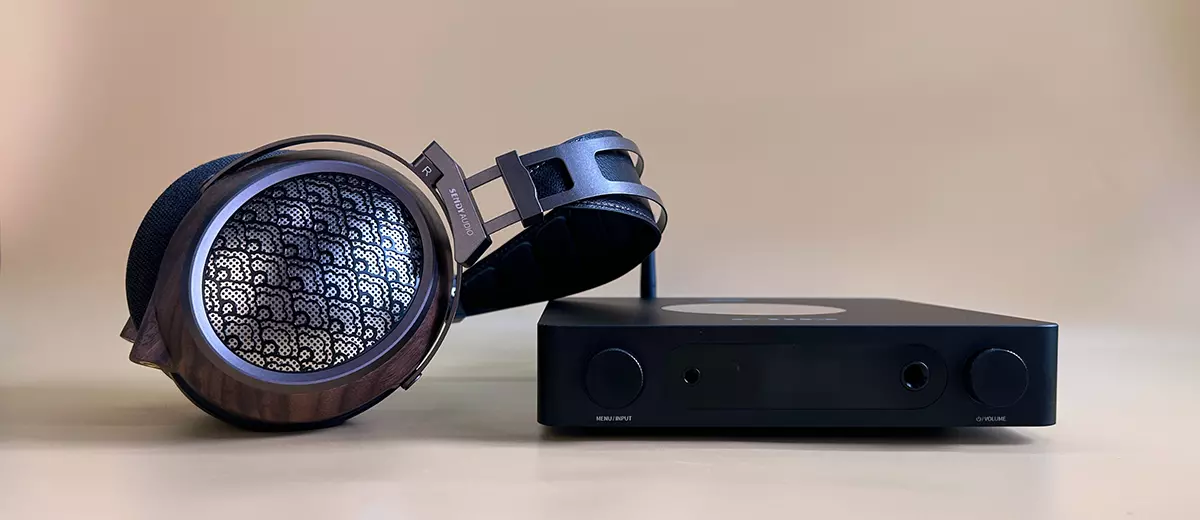
The Egret impressed with how easy it was to drive. Even with a compact balanced dongle like the iFi audio GO Link Max, it reached comfortable listening levels without losing detail or dynamic punch.
Whether using portable wireless gear like 7Hz Artemis39 or more powerful desktop setups like the 4.3W R2R Shanling EH2, the Egret consistently delivered its signature warm sound, along with strong dynamics and imaging.
Egret paired best with the FiiO K13 R2R and the FiiO BTR13 throughout my listening sessions. On the desktop, the K13 R2R drove it effortlessly and brought out extra weight in the lower mids that worked well with the headphone’s character.
Thanks to its efficiency, I regularly took the Egret to cafes and the office, powered by the FiiO BTR13.
Whether using Bluetooth or a wired connection, the 7Hz Artemis39 handled it easily, letting me enjoy full-sized planar sound on the go, even if the large leather earcups attracted some curious looks.
Select Comparisons
HarmonicDyne BAROQUE
Technical
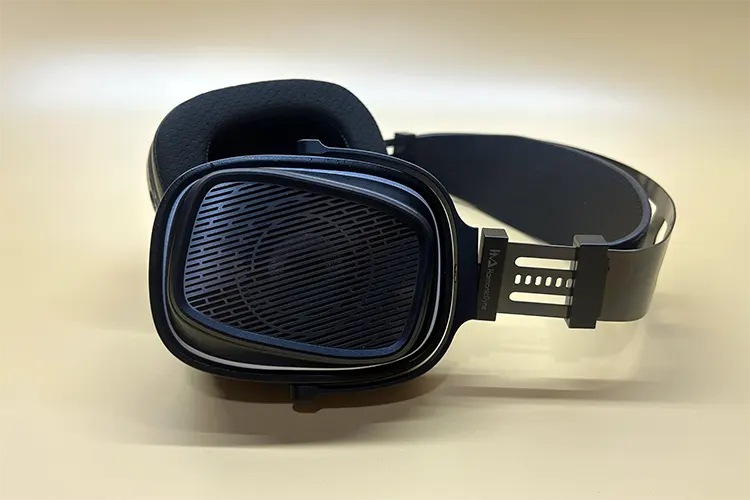
The HarmonicDyne BAROQUE employs a 60mm dynamic driver with a ceramic-metal composite diaphragm, featuring 64Ω impedance and 109 dB/Vrms sensitivity. The Egret’s 98 x 84mm planar magnetic driver has 24Ω impedance and 95 dB sensitivity.
Both headphones prove easy to drive, though the BAROQUE’s slightly higher sensitivity gives it a marginal edge with very low-powered sources.
In practical use, both performed excellently from portable and desktop gear alike, requiring minimal power to reach satisfying listening levels.
Design
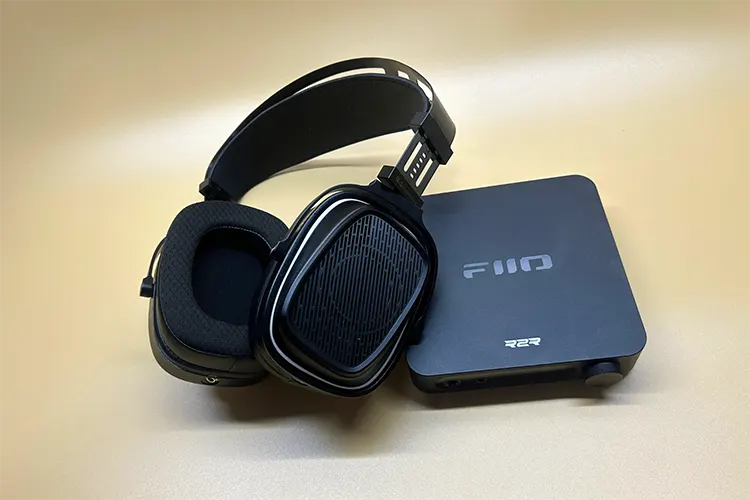
The BAROQUE features a utilitarian black-and-silver color scheme with matte plastic earcups, a steel headband, and metal grilles.
The design emphasizes function over form, resulting in a robust but less visually striking appearance than the Egret’s handcrafted wood aesthetic.
The Egret’s natural walnut earcups and artistic grille design create a more premium, unique visual impression.
Each Egret is one-of-a-kind due to wood grain variations, while BAROQUE units look essentially identical. For those valuing distinctive aesthetics, the Egret wins decisively.
The Egret is significantly more comfortable as well, with its hybrid lambskin and fabric pads contouring to the head better while retaining less heat. Its padded headband strap is an upgrade over the BAROQUE as well.
Performance
Bass response on both headphones emphasizes quality over raw quantity. The Egret extends deeper with more sub-bass authority, while the BAROQUE focuses on mid-bass warmth and texture. Electronic and hip-hop listeners will prefer the Egret’s low-end reach.
The BAROQUE’s bass has a slightly more organic, dynamic driver character with excellent texture, while the Egret’s planar bass is faster and tighter with superior control. Both avoid bloat and maintain good definition, just with different flavors.
Midrange presentation reveals interesting contrasts. The BAROQUE offers a lush, thick midrange with commanding vocal presence, particularly for male voices.
The Egret provides superior detail and resolution with better instrument separation, though some may find it less romantic.
String instruments and acoustic guitars sound more harmonically rich on the Egret, with planar speed bringing out subtle overtones and decay characteristics.
The BAROQUE counters with more body and weight, creating a warmer but less revealing presentation.
Treble is a clear win for the Egret. Its planar driver delivers superior extension, air, and detail retrieval without harshness. The BAROQUE’s treble is smooth and refined but noticeably more restrained, lacking some of the sparkle and energy that brings recordings to life.
Soundstage width is comparable, with both headphones creating an expansive left-right presentation.
The Egret edges ahead in depth and layering, creating a more three-dimensional sound field. Imaging precision also favors the Egret, with more stable and precise instrument positioning.
SIVGA Peng
Technical
The SIVGA Peng features a 50mm dynamic driver with a much higher 340Ω impedance and 102 dB sensitivity.
In contrast, the Sendy Audio Egret uses a 98 x 84mm planar magnetic driver with 24Ω impedance and 95 dB sensitivity, making it significantly easier to drive.
In my testing, the Peng demanded substantially more power to reach optimal performance. While the Egret performed admirably even from modest portable sources.
Design
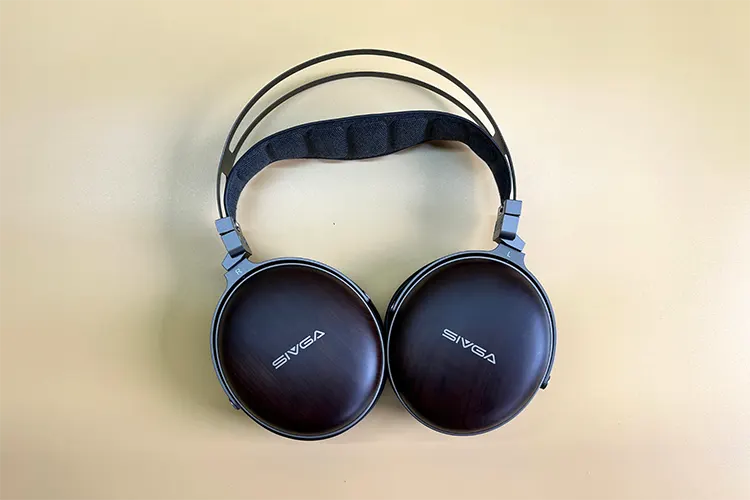
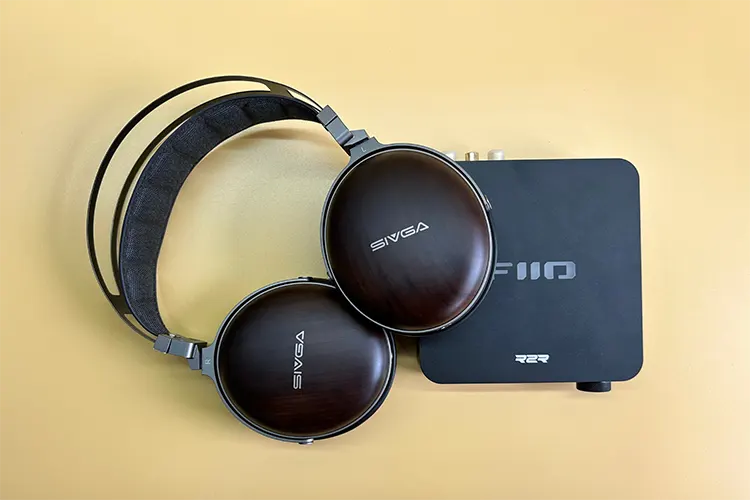
The Peng showcases SIVGA’s signature aesthetic with gorgeous solid wood earcups, polished metal accents, and luxurious velvet-lambskin hybrid earpads.
The craftsmanship is exceptional, with each unit featuring unique wood grain patterns and a hand-finished appearance.
The Egret follows a similar philosophy with handcrafted North American black walnut earcups, and CNC-machined aluminum components finished in gunmetal anodization.
Both headphones exude premium quality, though the Peng’s design feels slightly more traditional, while the Egret’s egret-inspired grilles add a modern artistic flair.
Once again, I found the Egret to be more comfortable, with less clamp force and a plusher head strap. While the Egret is heavier, it distributes its weight better than the Peng.
Being a closed-back headphone, the Peng had better noise isolation than the Egret.
Performance
The bass presentation differs significantly between these headphones. The Egret extends deeper into the sub-bass with more authority and physical impact.
Electronic music and modern hip-hop productions benefit from this additional low-end reach, creating a more visceral listening experience.
Midrange is where the Egret pulls ahead decisively. Instruments have superior clarity and separation, and harmonic detail compared to Peng’s warmer but somewhat congested presentation.
String instruments particularly shine on the Egret, with better articulation and more natural timbre.
Vocals tell a similar story. While the Peng’s warmth makes vocals sound intimate and romantic, the Egret provides better resolution and a more balanced presentation that serves both male and female singers equally well. The Peng can make female vocals sound slightly veiled in comparison.
Treble extension strongly favors the Egret. Its planar driver delivers superior upper-frequency detail, air, and sparkle without harshness.
Cymbals and high-hat work have genuine shimmer and decay on the Egret, while the Peng’s rolled-off treble feels comparatively muted.
Soundstage and imaging show the Egret’s planar advantages. The stage is noticeably wider with better depth and more precise instrument positioning.
The Peng’s presentation is more intimate and centered, which suits some genres but lacks the spatial grandeur of the Egret.
Sennheiser HD 600
Technical Performance
The Sennheiser HD 600 features a legendary 40mm dynamic driver with high 300Ω impedance and 97 dB sensitivity.
This makes it significantly harder to drive than the Egret’s 24Ω, 95 dB specification. Proper amplification is essential for the HD 600 to sound its best.
In practice, the HD 600 requires careful amplifier matching, while the Egret performs well across a broader range of gear.
Design & Comfort
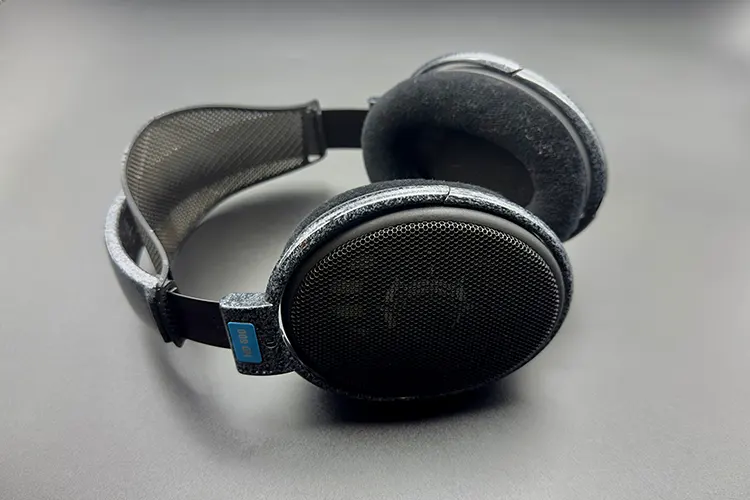
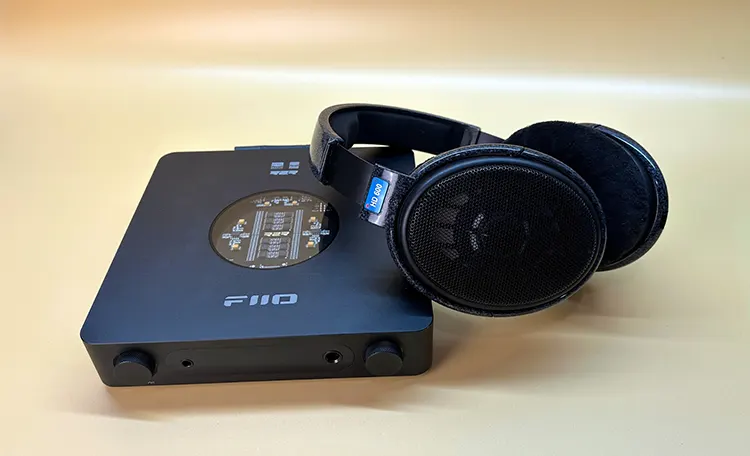
The HD 600 follows Sennheiser’s classic utilitarian design philosophy. The marbled grey-blue plastic housing, oval velour pads, and simple headband system prioritize function and long-term comfort over visual flair.
The Egret represents a completely different aesthetic approach with handcrafted wood earcups and modern industrial design. It’s objectively more visually striking, though some audiophiles prefer the HD 600’s understated, tool-like appearance.
Build quality on both is excellent, though achieved through different means. The HD 600 uses durable engineering-grade plastics with every component user-replaceable. The Egret combines wood, aluminum, and leather for a more premium tactile experience.
I found the Egret with its plusher pads and weaker clamp force to be much more comfortable than the Egret, despite its heavier weight.
Performance
The Egret and Sennheiser HD 600 share a commitment to natural tonality but diverge significantly in execution.
The HD 600 presents a more intimate, midrange-focused signature with its legendary vocal presentation, while the Egret opens up considerably with a wider soundstage and superior lateral imaging that creates a more expansive listening experience.
Where the HD 600 emphasizes upper-midrange presence, the Egret counters with excellent upper-midrange resolution paired with a mild U-shaped tuning that adds warmth and body.
Female vocals remain clear and well-presented on both, but the Egret avoids any hint of shoutiness through its more restrained approach. The Egret’s bass extends deeper with better texture, though neither qualifies as basshead territory.
Treble detail favors the Egret, delivering very well-detailed upper frequencies without sibilance, whereas the HD 600’s rolled-off treble sacrifices some air and extension.
The Egret leans slightly warm and lush while maintaining superior technical performance across soundstage, imaging, and resolution, making it the more versatile and technically proficient headphone.
My Verdict
The Sendy Audio Egret is a beautifully crafted planar magnetic headphone that successfully delivers a warm, engaging sound signature that prioritizes musicality without sacrificing technical competence.
Those seeking the ultimate in neutral transparency or the strongest, deepest bass response should look elsewhere; the Egret’s warmer house sound and slightly polite treble won’t satisfy purists chasing the last word in accuracy.
Anyone with a preference toward warm, organic sound signatures with excellent soundstage and refined presentation should audition the Egret, regardless of whether their primary setup is desktop or portable
At $799, it faces stiff competition from established players, but its unique combination of planar performance, handcrafted aesthetics, and a good, included cable makes it a great value proposition.
Sendy Audio Egret Technical Specifications
- Driver: 98 x 84mm Planar Magnetic
- Diaphragm: Nano-scale composite (<800nm)
- Acoustic Design: Open-Back
- Impedance: 24Ω
- Sensitivity: 95 dB
- Weight: Approximately 443g
- Connectors: Dual 3.5mm (earcup) / 4.4mm balanced (source)
