

Synergy
Efficiency & Sensitivity
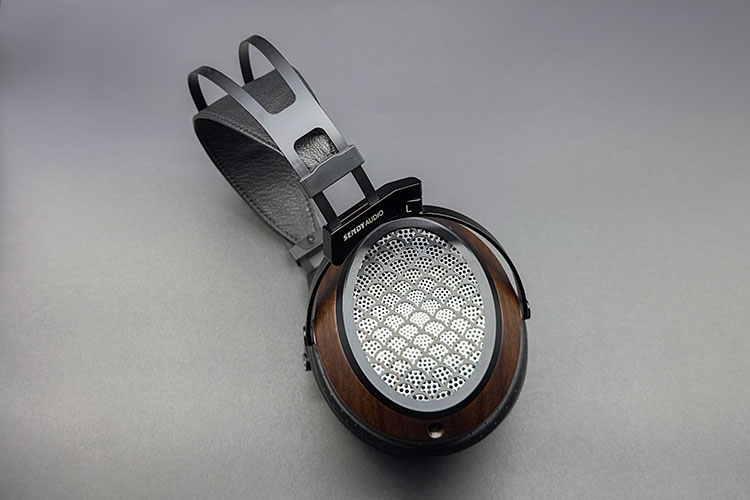
The Sendy Audio Aiva 2 has an impedance of 32Ω @ 1 kHz and a sensitivity rating of 96 dB/Vrms.
It is not very power-hungry and can be comfortably driven by sources with lower power output, such as dongles. However, with better power specifications, it does benefit, as the soundstage becomes more expansive and the dynamics see improvement.
With its sizzled top end and a relatively neutral sound profile below, the Aiva 2 pairs best with warm-leaning sources. More than that, a powerful and capable source gives it wings.
Pairings
I first tried out the Aiva 2 through the Earmen Angel. The Angel delivers a significant amount of power, so driving the Aiva 2 is never an issue. Where it falls short is the sound, as the Angel leans a bit neutral to bright, thus not being an ideal pairing for the Aiva 2.
With this combo, the upper mids and treble sound sharp, and many details get blurry and mixed up. So, the overall listening experience isn’t great. Other than that, the sound has enough spaciousness, and the stage is decent. The midrange has a natural feel but misses warmth and emotion.
On the Lotoo PAW Gold Touch, though it takes some extra volume clicks, the pairing is quite satisfying. The low end has a better body than the Angel, and the midrange has more weight and sounds fuller in comparison.
The upper midrange and treble regions are not as splashy and sharp. I would still prefer a bit smoother nature in the upper frequency, but there is not much to complain about here. The soundstage could be more expansive, but I blame it on the power delivery from the DAP, which may not be ideal.
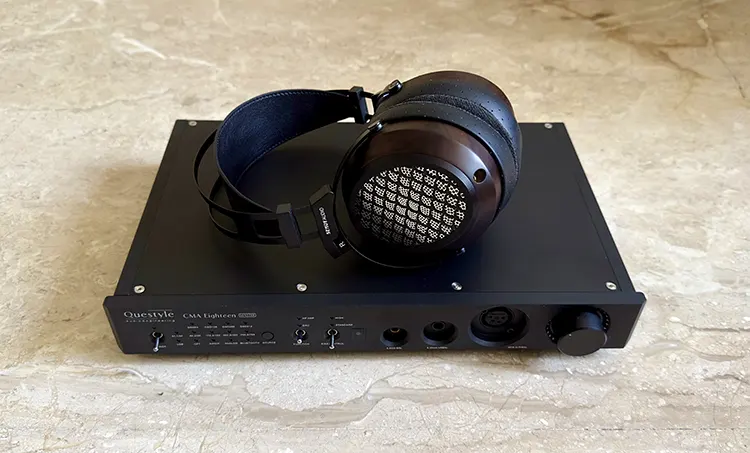
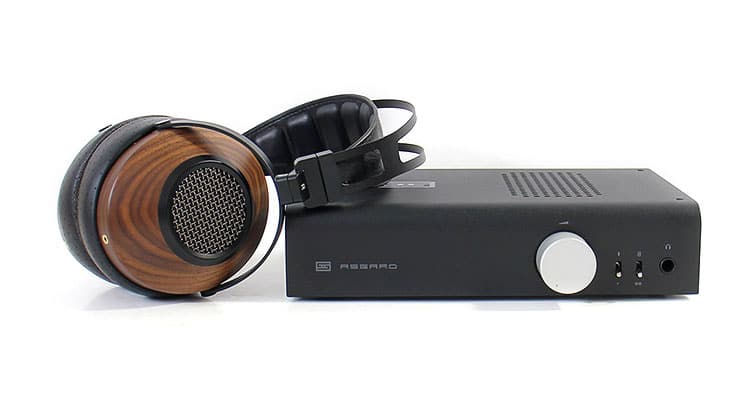
The pairing with the Questyle CMA18 Master, a desktop DAC/amp, is truly commendable. Not that the Aiva 2 is difficult to drive, but it does show its true potential on better sources.
The most evident changes are the added spaciousness on the stage, a better texture and body in the low end, and a more prominent and lusher midrange. The lower midrange has much better body here, adding a lot of depth to the instruments and male vocals.
In the upper midrange and treble regions, the details are more accurate without much overlapping and smearing that I encountered on the other sources.
Select Comparisons
HIFIMAN He6Se
Technical
Touted as one of the best planar headphones, the HE6se is a planar magnetic headphone from HIFIMAN.
Initially released at $1800, it is often seen with a price tag hovering around $700 these days. Honestly, I consider these two headphones to be in entirely different categories, as the HE6se is a premium offering and the Aiva 2 is a mid-fi option.
The HE6se has an impedance of 50 Ω and a sensitivity rating of 83.5 dB/Vrms. The planar driver on the HE6se is notoriously tough to drive and demands a lot of power.
Off my CMA18 Master, it nearly reaches the noon position on the volume knob. I wouldn’t even dare to drive them through a low-power source.
Design
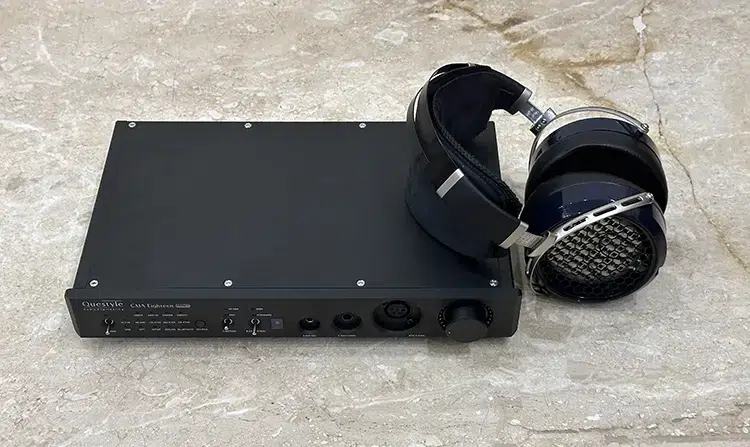
The version I have here is the Adorama special, which is dark blue compared to the default black. The HE6se is a very robustly built headphone with elements of metal and plastic on the body.
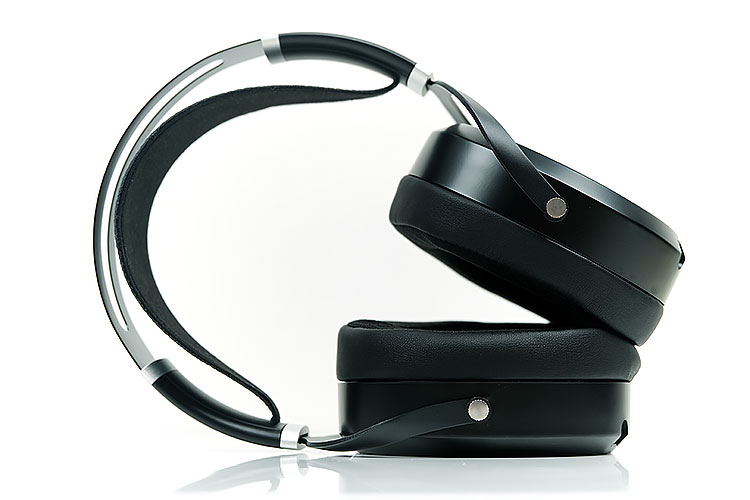
The headband’s build is very similar to that of the Aiva 2, with metal and a leather strap for support. The HE6se is nearly 50g heavier than the Aiva 2, which makes it too heavy for me, but the support from the headband helps a lot.
The connections to the earcups use a 3.5mm connector, like the Aiva 2. I am not particularly a fan of the stock cable on the HE6se, which has a tubular, rubbery look. However, the accessories and the overall packaging are a lot grander and more thoughtful with the HE6se.
Performance
The He6Se is an upgrade in a lot of departments over the Aiva in a true sense, but the base signature remains more or less the same. The He6Se has a more musical sound with a better bass profile and a more natural midrange.
In the bass region, the He6Se has deeper sub-bass and similar impact in the mid-bass region. The He6Se offers great texture and layering in its bass, which is missed by a good margin on the Aiva 2.
However, if we solely compare the overall impact, both are nearly similar, with the He6Se having an edge in the sub-bass.
The He6Se has a very natural and smooth midrange. The resolution is better, with a cleaner timbre that presents details in a more accurate way than the Aiva 2.
Aiva 2 is a bit lacking in both detail and warmth. The midrange has a more musical and emotional touch on the He6Se. In the lower midrange, both headphones lack some weight and body. In the upper midrange, the He6Se has a smoother nature but is extended very well. The Aiva 2 is a bit spicy in this region.
In the treble region, He6Se is again very smooth yet highly detailed. The notes are well separated and portray details in a much better way.
The treble on Aiva 2 takes a back seat with its overlapping nature, eating away at some details. It also feels a bit exaggerated in some regions. However, there is enough airiness and sparkle on the Aiva 2.
Compared to the He6Se, the soundstage on Aiva 2 feels a bit constrained in width and overall spaciousness as well. On the He6Se, instruments separated out very well with enough breathing space.
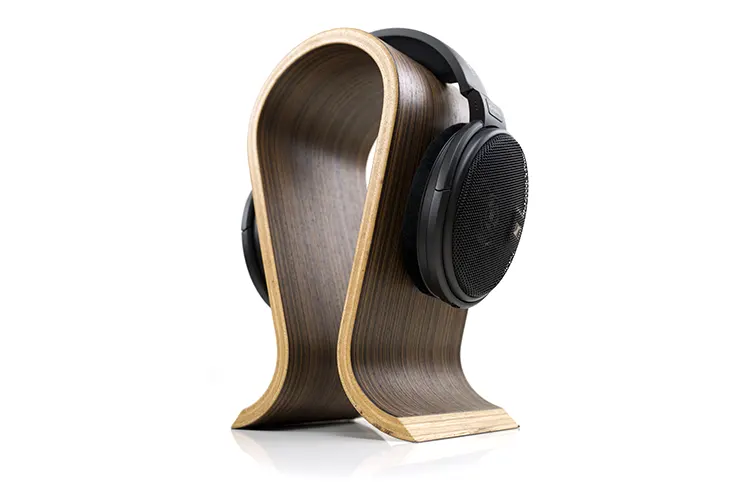
Sennheiser HD 660S2
Technical
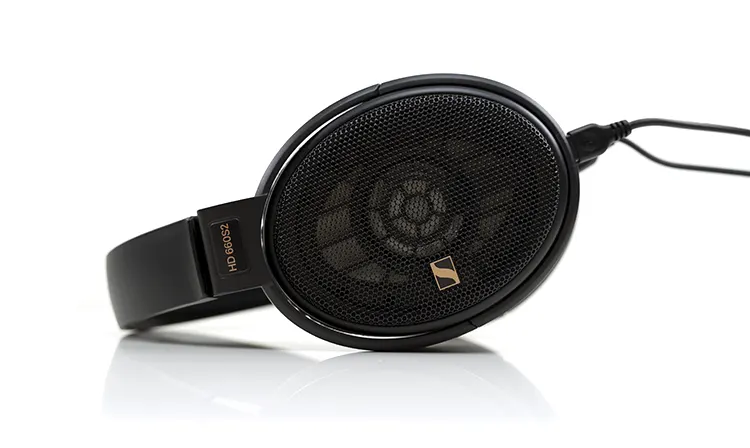
The HD 660S2 is an open-back over-ear headphone from Sennheiser, launched in early 2023. It is the successor to the HD 660S and features a 38mm dynamic driver. The HD 660S2 was initially introduced at a higher price in the mid-tier category but is now available at a discounted price of $350.
The HD 660S2 has an impedance of 300Ω and a sensitivity rating of 104 dB/Vrms. These headphones demand a decent amount of power, slightly more than the Aiva 2. I do not find the HD 660S2 pairing well with low-powered sources, as the dynamics seem to take a hit.
Design
The design of the Aiva 2 feels much more premium and robust compared to the HD 660S2, which appears quite plasticky and less durable. The lower-budget offerings from Sennheiser don’t have much to boast about in terms of build quality.
The premium-looking wooden earcups, better padding, and metal headband give the Aiva 2 an edge in design. The pads on the HD 660S2 are slimmer, and its clamp pressure is more noticeable; however, its lightweight build adds a level of comfort.
The stock cable of the HD 660S2 connects via a two-pin system and has a 4.4mm termination, whereas the Aiva 2 uses a 3.5mm connection and also terminates in a 4.4mm jack. The build of the cable on the Aiva 2 is more user-friendly.
Performance
The HD 660S2 offers a smoother and safer presentation with a relatively darker sound profile compared to the Aiva 2. The Aiva 2 is a more open-sounding headphone, with a lot of extra energy in the upper midrange to the treble region.
The bass on the HD 660S2 is quite impressive; however, even with its refined texture and detailed response, it lags behind slightly. The Aiva 2 has better definition in its bass and feels more layered. There is more depth in the bass as well, although the impact is not significantly different.
In the midrange, the HD 660S2 lacks some resolution and falls short in delivering a clean timbre. The Aiva 2, though not a champion itself when it comes to resolution, fares better. It is more detailed and natural in the midrange.
The upper midrange on the HD 660S2 is tame and lacks the right amount of energy. With more energy in this region, the Aiva 2 sounds more detailed and open, although this may feel a touch sharp to some listeners.
The HD 660S2 lags in treble presence, with very smooth and somewhat unexciting highs. The Aiva 2 has more sparkle and energy in this region and offers greater clarity and air.
This adds a sense of openness to the sound of the Aiva 2. However, it’s worth noting that the Aiva 2 occasionally exhibits an exaggerated treble presence on intense tracks.
The Aiva 2 offers a taller and deeper stage. Imaging is more accurate on the Aiva 2, providing a better sense of positioning and spatial cues of the instruments.
The instruments have more room to breathe on the Aiva 2. Some details that feel missing or less authentic on the HD 660S2 are more prominent on the Aiva 2.
SIVGA SV023
Technical
Another mid-fi marvel, the SIVGA SV023 is an open-back dynamic driver headphone. The periphery of the diaphragm is made of an LCP (liquid crystal polymer) composite film, while the central part is plated with beryllium.
The SV023 has an impedance of 300Ω and a sensitivity rating of 105 dB/Vrms. In terms of drivability, the SV023 is easy to drive but requires just a bit more power than the Aiva 2.
Design
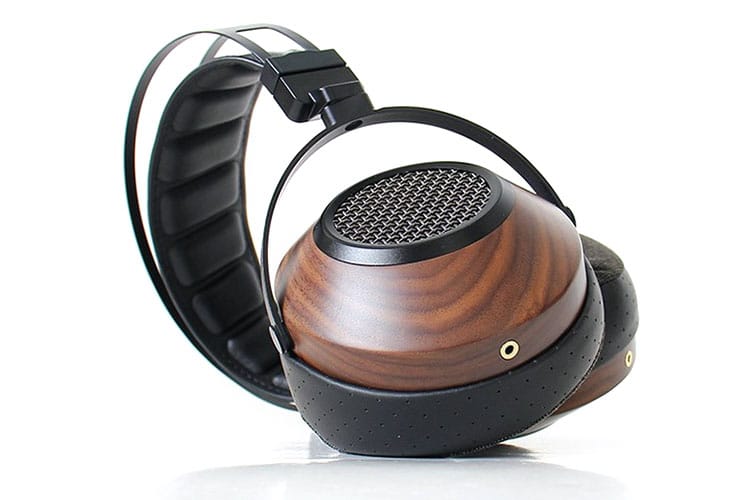
Sendy and SIVGA share many similar design elements across their products. Both headphones feature similarly designed wooden earcups, a metal headband with a leather strap underneath, and the same design on the earpads.
The ear cup grille on the SV023 has a very minimal design resembling a metal mesh, whereas the Aiva 2’s ear cup feels noticeably more premium. The leather strap under the headband on the SV023 includes cushioned padding, which adds a bit to the comfort factor.
The SV023 is significantly lighter, nearly 100 grams less than the Aiva 2, likely due to the difference in wood type. However, this does not take away from the comfort of the Aiva 2. Both headphones are quite comfortable to wear.
The stock cables on both headphones are the same, except for the hardware and Y-splitter. The adapter and connectors on the Aiva 2’s cable feature patterns resembling fish scales, adding a nice touch. Both headphones ship with the same headphone case, differentiated only by their respective logos.
Performance
Being a dynamic driver headphone, the very evident differences are the warmer tonality of the SV023 and a smoother upper frequency.
In the bass region, the SV023, although not having a prominent bass presence, exhibits the characteristics of a dynamic driver with lingering bass and slower decay.
Compared to this, the Aiva 2 has a faster speed with quicker decay, which does not linger much. Aiva 2 has a more controlled nature and more depth in the bass, thus making the impact a bit more pronounced. I prefer the bass on the Aiva 2, as it has better texture and more details.
In the midrange, the SV023 carries more warmth compared to the slightly neutral midrange on the Aiva 2. Both headphones exhibit a natural midrange; however, the SV023 is more emotional due to the warmth it carries. Female vocals feel more authentic on it.
The Aiva 2 has a cleaner timbre and better resolution. The midrange on the SV023 is a bit fuller and lusher than the Aiva 2. For my preference, I tilt towards the SV023.
In the treble region, the SV023 is smoother and does not have any exaggerated regions. The Aiva 2 has a crisper and more energetic treble profile, which feels a bit incoherent at times. Even with some details missing on the SV023, the treble feels more natural and more linear.
Comparing the soundstage, I feel the Aiva 2 has a more expansive and taller stage. The back-to-front depth in the stage is done better on the Aiva 2.
The imaging and separation are also more precise on the Aiva 2, making it easier to precisely locate the instruments in the mix. The resolution is a touch better on the Aiva 2, which brings out details more clearly.
My Verdict
With the earlier positive impressions of Sendy Audio headphones and the fact that a new release has arrived after more than five years, the anticipation for the Aiva 2 is bound to rise. To be honest, I would say Sendy Audio has done a commendable job with the Aiva 2.
Starting with the premium build and well-thought-out accessories, it positions itself well among peers in the mid-fi category. With only a few minor flaws in the sound, most aspects remain quite impressive. The tuning will appeal to those who lean toward an analytical flavor.
The bass is delightful, while the treble is very appealing. The forward midrange on the Aiva 2 could be more refined and cleaner in its approach, but that’s a minor complaint given how well the other elements are sorted out. The soundstage, with solid depth, decent vertical height, and an immersive character, is a piece of art.
All this makes the Aiva 2 a very competitive set of planar headphones in its price range.
Sendy Audio Aiva 2 Specifications
- Style: Over the ear, open back
- Driver Configurations: 97×76mm Double Nepheline Magnetic Array Planar
- Frequency Response: 20 Hz – 40 kHz
- Impedance: 32Ω
- Sensitivity: 96 dB @1kHz
- Weight: 420 g
- Cable: 6N single crystal copper with 4.4mm Termination, one 3.5mm to 4.4mm converter
