

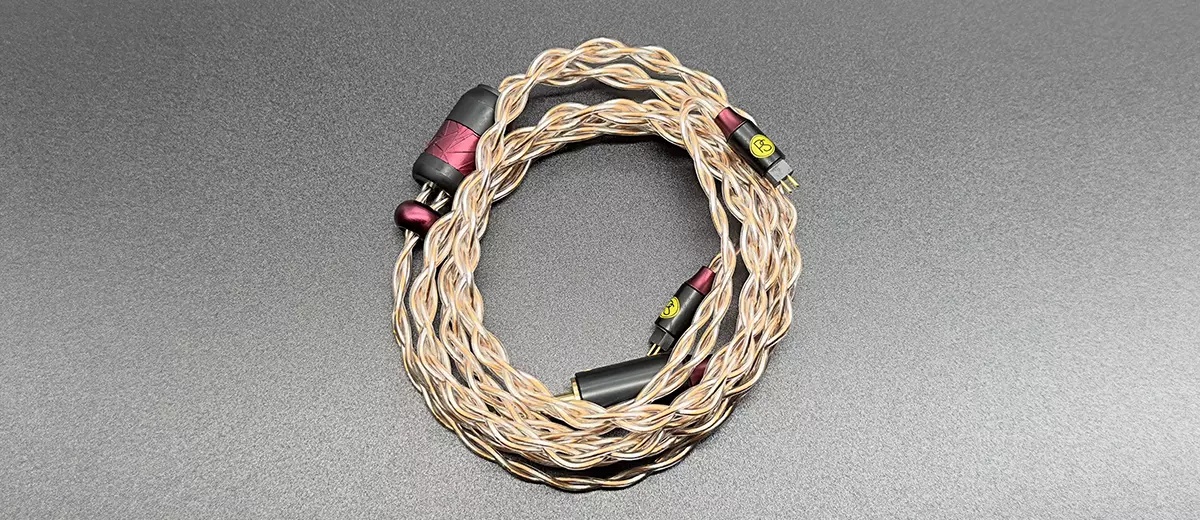
Performance Impressions
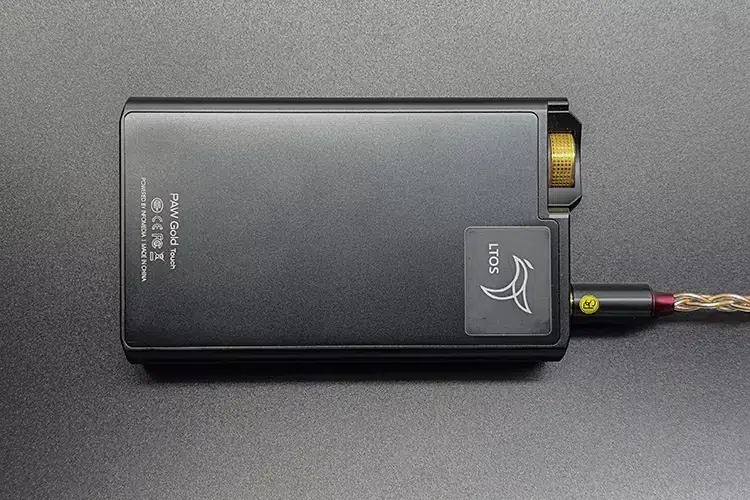
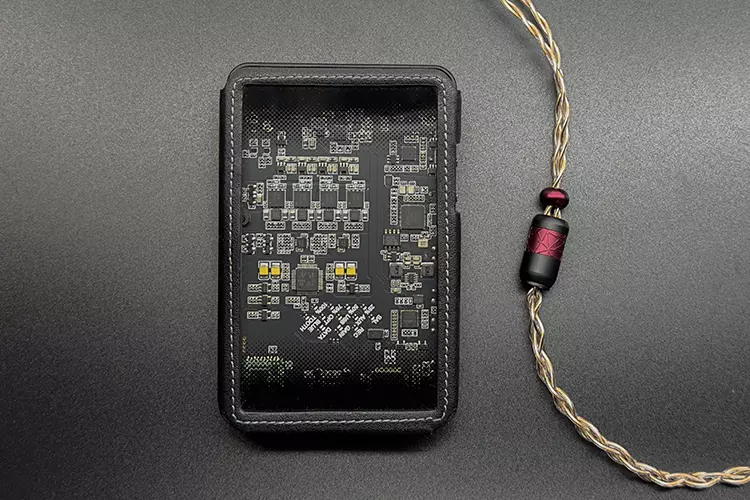
The following sound impressions of the PLUSSOUND Palladium Fusion Hybrid were completed using Softears Enigma, 64 Audio Fourte, and PLUSSOUND SONORA SE, alongside my main source, Lotoo’s PAW Gold Touch.
Summary
A cable is not going to magically rewrite an IEM’s tuning, but the right pairing absolutely changes how you experience the set. Sometimes it is delicate. Sometimes it is one of those “wait, why does this sound more alive?” moments.
Palladium Fusion Hybrid is not a subtle cable. It is not a warm-and-cozy flavor upgrade either. It is a resolution-first, clarity-first kind of cable, the kind that makes you realize how much stuff was sitting slightly muted or blurred on stock.
The biggest theme with Palladium Fusion Hybrid is definition: tighter low end, cleaner separation, sharper outlines, and a top end that lights up with air and shimmer.
The immediate changes I notice are a cleaner, quieter background and a more organized presentation. Details do not feel forced; they just appear easier. Bass gets tidied up, not boosted.
Midrange turns more transparent and more “hi-def.” It is the kind of change that makes dense tracks feel less clumsy because the mix untangles itself better.
Treble is where Palladium Fusion Hybrid flaunts the hardest. It adds air, sparkle, and energy, and treble notes feel taller and livelier.
Staging depth is the headline. It pushes the stage deeper, opens up the space, and makes imaging more precise. Instruments get more breathing room, layering improves, and following a line in a busy track becomes easier.
The Palladium Fusion Hybrid does not feel like it changes the “character” of an IEM as much as it sharpens the whole picture and stretches the space around it.
Timbre
The Palladium Fusion Hybrid is a full-on clarity and detail injector. The first thing that hits you is how revealing everything feels. It is almost like the cable lowers the noise floor in your head, so tiny cues, room echoes, little breaths, and texture shifts stop hiding.
Down low, it does not add body to the bass shelf. If you are expecting a “bigger slam” or “extra weight,” it is not really that vibe. Instead, it tightens. If your IEM already runs thick, warm, or a bit heavy in the low end, Palladium Fusion Hybrid basically puts it on a diet.
Less bloom, less smear, less warmth creeping into the mids. It is a “control first” approach, and it can be a blessing if your set is naturally full-bodied, but it can also make leaner IEMs feel even more stripped.
The midrange is where you really notice the “cleansing” effect. It does not push vocals forward in a warm, romantic way. It pushes the definition. Notes have sharper edges, and separation becomes more obvious, so busy mixes stop turning into a soft blur.
On good recordings, it feels like someone cleaned a foggy window. On bad ones, it can be a little unforgiving because the cable does not really hide anything. The upside is the resolution.
Treble is where the Palladium Fusion Hybrid flexes the hardest. This cable gives the top end a lot of attention. So, it is not a relaxing or forgiving cable.
If your IEM is already neutral or even slightly bright, this will push it further into energetic territory. That extra bite and sparkle can be addictive on sets that need it, but on already spicy tunings, it can become a bit much if you are sensitive.
Staging & Imaging
PLUSSOUND says this cable does its thing on staging, and yeah, it shows up instantly. Palladium Fusion Hybrid just cleans up how the stage is laid out.
If an IEM feels clumsy, cramped, or like everything is packed into a small box in front of you, this cable opens it up and gives the presentation some actual breathing room.
Even on a flagship set, the difference was obvious. On Sonora SE, for example, the stage is already big and well-arranged, but with Palladium Fusion Hybrid, I could feel the depth stepping up right away.
Sound projection started wrapping further around, even behind my head at times. It felt like the stage got pushed deeper, and the whole layout stopped feeling like a flat line and turned into a more natural arc.
Imaging also shifts, and this is where the cable gets addictive. Spatial cues become sharper and more precise, like the outlines of instruments getting traced with a finer pen.
Things spread out further, but also stay locked in place better. You can pick an instrument and follow it without losing it when the track gets busy.
Layering improves because the stage is simply more organized. Resolution and detail take a big jump too, and I am calling it big because on a few IEMs, this cable felt straight-up transformative.
The small stuff, tiny textures, micro shifts in notes, and background cues all come through easier. Part of that is the cleaner, darker background Palladium Fusion Hybrid creates. It feels quieter between notes, and that silence makes details pop out more naturally.
In short, the sound feels cleaner, more detailed, and better arranged. Not a “new tuning” exactly, but a tighter, more sorted, more high-res version of what your IEM already does.
Synergy
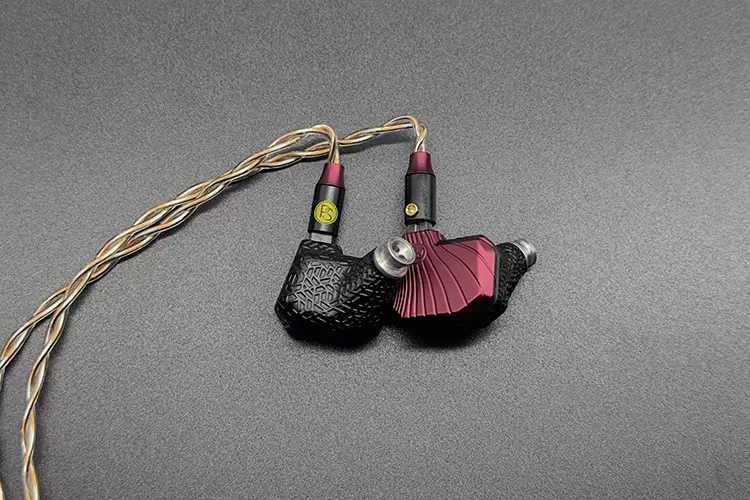
PLUSSOUND SONORA SE
SONORA SE, a flagship from PLUSSOUND, packs a total of eight drivers per side in a tri-hybrid setup. You get two 10mm dynamic drivers for the low end, four balanced armatures covering the mid-lows through the mid-highs, and two electrostatic drivers handling the top end.
SONORA SE already has a solid low-end presence. It is not the boomy type but rather a tight and hard-hitting one, with a deep rumble and a controlled mid-bass region.
On the stock cable, the sub-bass does not suddenly become more rumbling, but it becomes more readable.
You hear the shape of the rumble more than just feeling a blob of it. Mid-bass gets trimmed too. Bass lines feel cleaner, more separated, and easier to follow, especially when the track has multiple low-end layers fighting for space.
The midrange becomes very high definition, with little inner details and layering jumping out more naturally.
Even when a track is dense or chaotic, it feels less clumsy, like the cable helps the mix untangle itself. It does not take away the little warmth it already has on the stock cable, so the naturalness is intact.
The thickness and warmth in the lower mids get pulled back a bit, which can make male vocals and guitars sound leaner and crisper.
Micro-details pop out like they were hiding earlier. The stock cable is already good at these small details, but imagine them being revealed in full swing.
More air, more sparkle, more shimmer, and more “tall” treble notes that carry extra energy. The sense of extension is obvious too, so the stage feels more open and the headroom above the music feels bigger.
Cymbals feel more alive, not just brighter, but better lit and more textured, like you can hear the metal instead of just the splash.
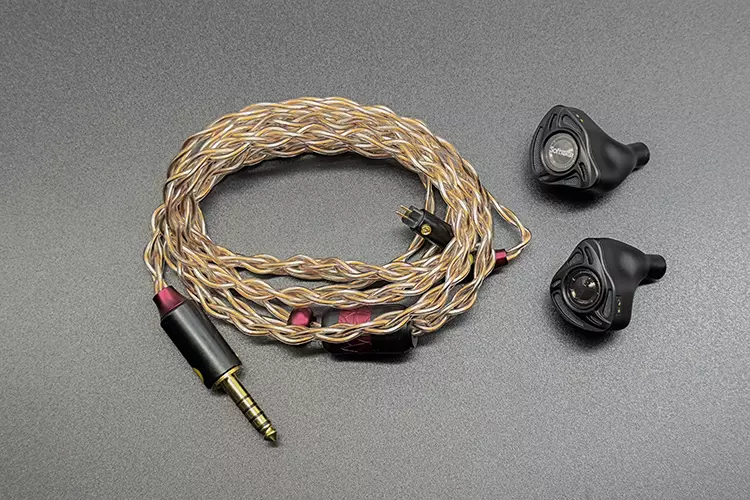
Softears Enigma
Enigma comes with an Effect Audio stock cable called Kryptos. On the stock cable, the top end can feel a bit muted, and some of the micro-details take a back seat. Palladium Fusion Hybrid brings changes across the spectrum.
In the low end, Enigma on stock can feel a bit cluttered, even though it has enough impact and sub-bass presence. With Palladium Fusion Hybrid, the quantity drops a hair but tightens up in impact. It gets cleaner, more detailed, and less congested.
Bass hits are more distinct and layered. The sub-bass still has that punch-in-the-gut feel, just delivered more cleanly. The bass also stops crowding the mix, which you could feel on the stock cable earlier.
In the midrange, things turn more transparent. The delivery feels cleaner, more upfront, and more detailed, with small nuances easier to pick out.
Some of the lushness and musical softness get sacrificed a bit, but not in a way that changes the core nature of the IEM. The treble, which can feel too smooth on stock, pops up a bit.
There is more air and sparkle on offer. Treble notes resolve more precisely, with more space around them, and they feel taller too.
From the midrange into the treble, the energy is better, and notes come across sharper and crisper.
On the stock cable, Enigma already has a grand soundstage. It feels quite tall and has good depth. With Palladium Fusion Hybrid, the stage shifts a bit backward, so it is not as forward as it is on stock.
Depth improves, while height feels slightly diminished. The width gets better, so overall, you get more grandness, just arranged differently. Images are sharper, and so are the spatial cues. Technically, Enigma gains a lot over what the stock setup delivers.
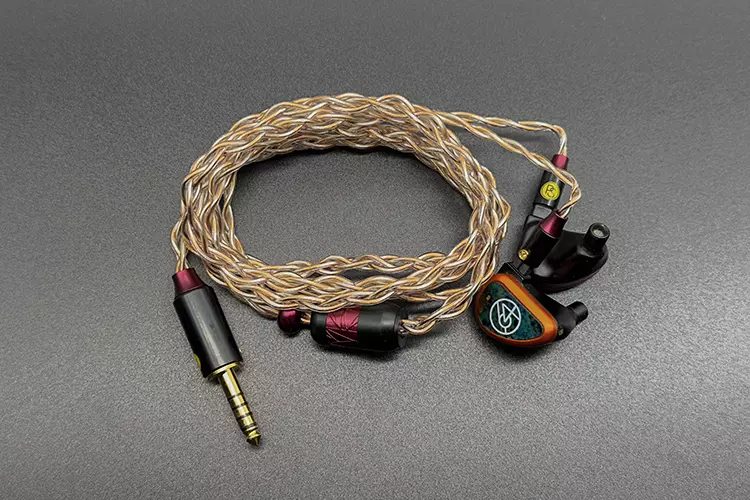
64 Audio Fourté
The 64 Audio Fourté, a flagship IEM, has a driver setup with one tia high driver, one high-mid driver, one tia mid driver, and a dynamic driver.
A couple of things I was worried about before trying the Palladium Fusion Hybrid were the bass losing its charm, and the highs getting extra focus in a way that could turn exaggerated in those treble spots Fourté can pick up easily. Glad to report that this cable pairs well. Fourté stays intact in its delivery.
In the low end, Palladium Fusion Hybrid tidies up the bass and gives you a better layered, more detailed presentation.
Sure, a touch more impact would have made it even more fun, but you do not lose that sub-bass drop Fourté is known for. It still goes down your throat when the track calls for it. Fourté was never a bass-heavy set anyway.
In the midrange, some of the lushness is traded for a more etched, precise delivery. You get more energy and a bit more transparency. The upper midrange also stays nicely extended.
Treble is honestly a chef’s kiss here. I do not hear any exaggeration, no weird peaks that bother me. It is airy and sparkly, with notes coming out clean and detailed, and a lot of air around them.
The upper treble might be a touch more energetic, but if you have the tolerance for that, it is a wonderful treble to live with.
The soundstage feels more organized. It has a better depth, is a bit wider, and is pushed back slightly. It is not as forward as it can be on some setups.
I have heard Fourté throw a taller stage with a few other cables, but this one still sounds more spacious than usual, for sure.
