

Sound Impressions
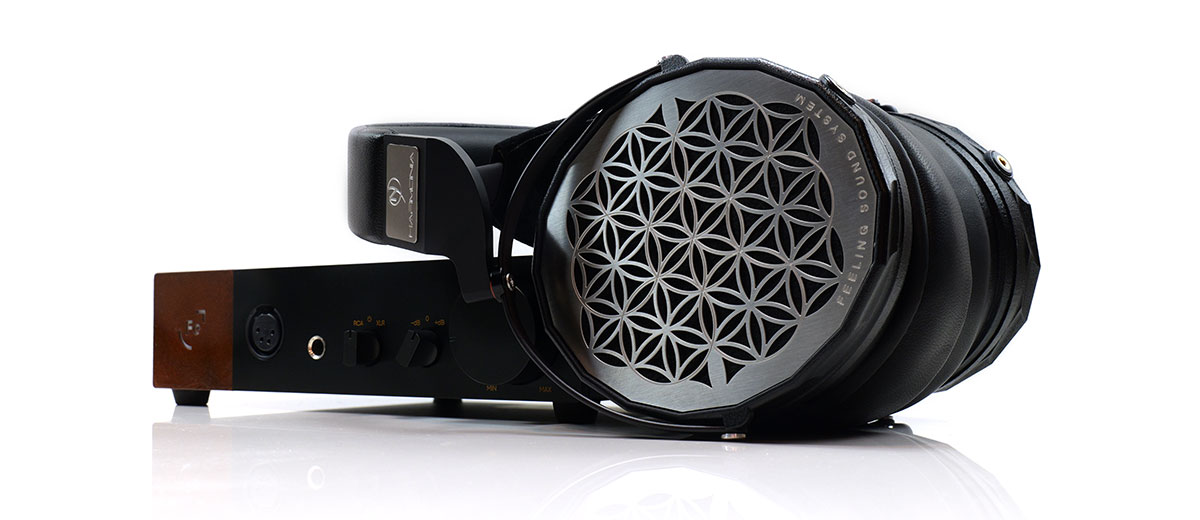
The following sound impressions of the Nur Harmonia were completed using a mix of the Chord Electronics Alto/Ferrum WANDLA GSE and the Auris Audio Headonia 300B/Holo Audio Spring 2 DAC combo.
Summary
The Harmonia delivers a huge soundstage, rich in detail, with a neutral-to-natural timbre and filters that bring obvious changes to the sound signature.
It made every headphone in my comparison section sound quite intimate and, save for the likes of the Susvara and equivalent staging ‘kings’, the Harmonia is really up there in terms of listener immersion.
With no Feeling Sound filters, the tuning will sound relatively linear, especially through the low-end, which exhibits a subtle sub-50Hz roll-off and slightly tilted upwards through the lower-mids with a gentle rather than overt layer of warmth in instrumental and vocal timbre.
Mids and highs have a sweetish tone with neutral instrument and vocal notes body, and decent rather than aggressive imaging emphasis with a gentle 1k bump. From 2-4k there is a nuanced dip that helps deliver a stronger perception of distance to the listener, similar to the og Susvara.
The 4-7k range is where the Harmonia ‘no filter’ mode sounds most energetic. With a strong elevation teasing out plenty of percussion sparkle, it can pick up a little heat and a slightly metallic overtone if pushed too hard.
The Tube Amp mode filter, or even just a quality tube amp such as the Headonia 300B, dampens that quirky coloration very nicely.
Drier solid-state offerings will produce a more driven, tight, and punchy sound suited to the Full-Bass or Mid-bass filters. However, they will also tease out a bit more upper-harmonic presence in the upper-mids, pushing percussion and upper-register notes more to the fore.
Beyond, the Harmonia does not push too hard on the highs with a gentle attenuation to 10k and beyond. And yet, it still offers a very tall and airy soundstage to complement its excellent width and depth.
Feeling Sound System Tweaks
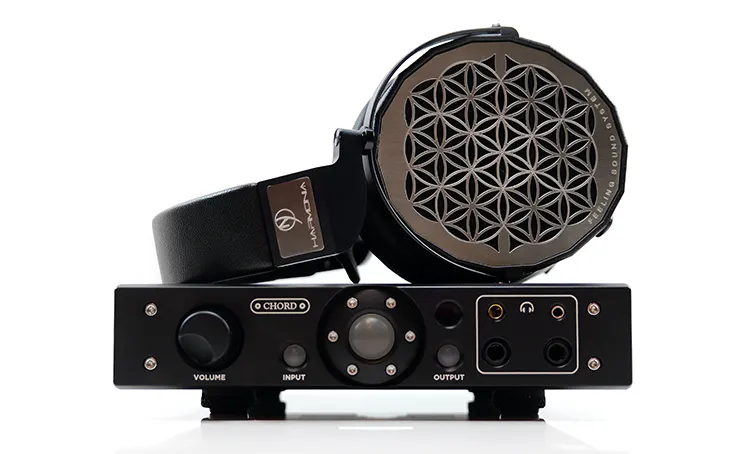
The Precision filter/Harmonia combo sounds the most neutral of the four filter options. The bass sounds quite controlled, with a fairly flat response down to 20Hz.
The Harmonia mids are clean and articulate, with more presence due to the flatter bass response, but do not sound exaggerated. The treble energy is smooth yet sufficiently extended, offering detail without fatigue.
This mode is ideal for more critical listening with the Harmonia, but it lacks a little bit of emotion and impact for my tastes.
The Tube Amp Filter shifts the Harmonia’s default mode balance more to the emotional side. The lower mids and mid-bass note attacks are slightly softened, creating a smoother, more liquid-like presentation.
The transient edges are not as stark-sounding, resulting in a more relaxed listening experience, trading some analytical sharpness for ‘musicality’, making the Harmonia performance quite forgiving-sounding.
The Mid Bass filter introduces a nuanced lift around 100–200 Hz, delivering a bit more body to percussion notes and a weightier fundamental frequency to lower register instrumental timbre.
The Full Bass filter delivers the most dramatic departure. The Harmonia’s low-end presence sounds beefier courtesy of a 20-50Hz rise. However, at times, I found it a little lacking in texture and slightly less control than the default no-filter mode.
While the upper mids remain intact, the tonal shift makes this an ideal filter for EDM and more rhythmic recordings that need strong depth. Despite the additional bloom, there is minimal bleed into the mids, ensuring Harmonia’s core spacious trait remains intact.
Synergy
The Nur Harmonia is rated at 48Ω for impedance with an SPL of 107 dB/mW (+/- 1.5 dB) @1kHz.
The load is a little higher than modern efficient planars headphones such as the 32Ω Empyrean II or the 14Ω LCD-5, but it’s nothing out of the ordinary.
In fact, it’s very easy to drive, much more so than equivalent flagships such as the Dan Clark Audio EXPANSE, whose SPL is below 100 dB and doesn’t need quite as much on the dial as the ZMF Headphones Caldera, which has a slightly higher 60Ω rating.
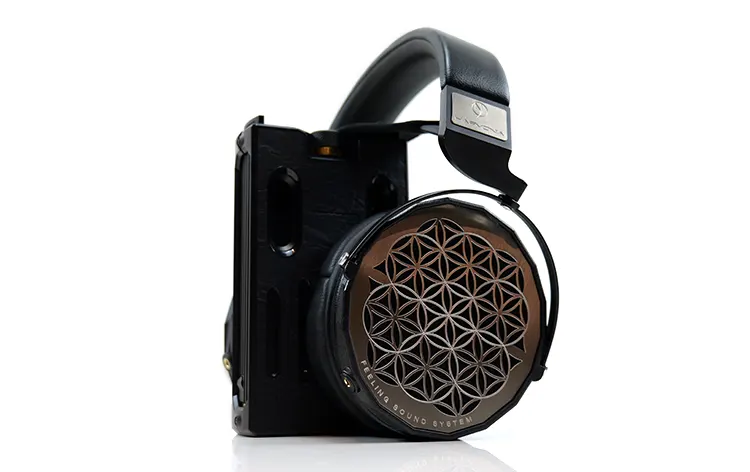
Portable pairings will work fine with the Harmonia. Even dongles produced a credible presentation, but the optimal dynamic range performance and best staging depth belong to quality desktop setups.
Portable Pairings
I preferred a portable pairing that retained excellent depth within the Harmonia presentation but also one that kept the vocals as rich and full-bodied as possible.
For example, the iBasso DC-Elite was punchy but a bit shallow-sounding with the Harmonia. The staging felt more intimate than the DAP or portable pairings, though vocal imaging was clear and nicely separated.
The iBasso DX340/AMP15 was perhaps the best DAP pairing for a staging width, but the Harmonia still sounded relatively neutral in bass quantity and not as emotionally engaging as I would like.
Arguably, the N6iii/R202 1-bit mode has a similar, slightly flat soundstage quality with vocals set back a bit too much.
The best performers were the R8 II, the Cayin N6iii/R202 R-R2 mode, and the Cayin C9ii. All three brought either an excellent low-end response, such as the R8 II, richer, creamier vocals, such as the N6iii, or both, as was the case with the C9ii.
The only caveat with the R2R mode of the N6iii/R202 is a slight loss in staging expanse and a softer sub-bass response, but it’s a fair compromise for some beautifully rich vocals and reduced sibilance.
The R8 II bass depth was a difference maker for me in Turbo mode. If you want to use Harmonia’s Full Bass Filter, it has the right response to maximize it for EDM and R’n’B, though its vocal quality is not as endearing as the N6iii.
The C9ii gave me bass depth and soulful vocals with a very liquid-like tone from Harmonia’s upper mids. However, this was only with Classic Tube in Hyper mode. The Modern Tube mode felt lacking in low-end weight, and the solid-state option sounded too sterile with the Harmonia.
Desktop Pairings
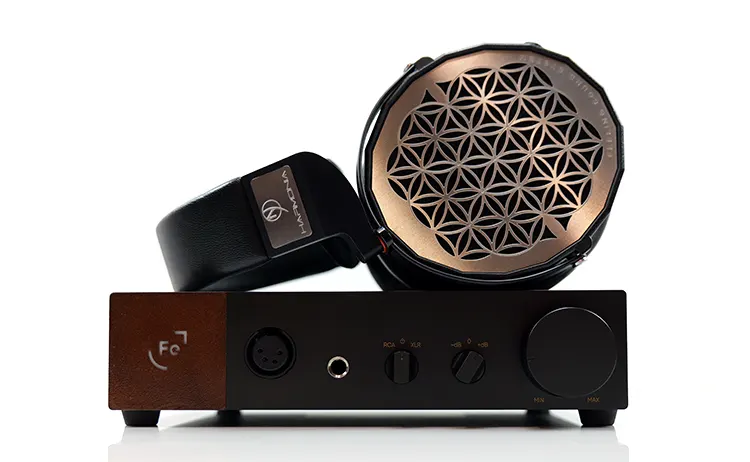
I tested the Nur Harmonia with a mix of solid-state and tube amplifiers, including the Chord Electronics Alto, the Ferrum OOR, Auris Audio’s masterful Headonia 300B, and the Cayin HA-300MK2.
Out of this testing, I came away with a preference for an amp/DAC pairing that either provided excellent depth and power from the Harmonia, particularly with the Full Bass or Mid-bass filter, or provided a smooth and rich set of mids and highs without any hint of upper-mids metallic overtones. Ideally both!
For example, the Cayin HA-300MK2 produced some creamy mids and excellent X-Asis expansion from the Harmonia, but even with the Full Bass filter, it didn’t have quite the same depth as the Headonia 300B
Out of all of the amps, the Headonia B provided the clearest, deepest soundstage and the most natural, sibilant-free vocal performance. The Harmonia Timbre was spot on with this pairing using the Holo Audio Spring 2 DAC.
Treble was liquid, with no faint harmonic dissonance in the lower-treble or upper-mids, and excellent space and height for vocals to command their own space.
The HA-300MK2 delivers a more upfront vocal, so if that is what you need from the Harmonia or prefer the Precision filter, it might have more immediate impact. However, I still prefer the Harmonia when the bass sounds at its most powerful.
It was a similar scenario with the solid-state amps. The Harmonia sounded more precise, controlled, and slightly more detailed-sounding with the OOR than the Alto using the WANDLA GSE DAC.
However, the Alto produced the deeper bass and smoother, fuller mids and highs, and gets my vote with the Harmonic solid-state pairing. The OOR might tick boxes with the Precision filter, but with the more colored filters, it sounded a bit flat in comparison.
