

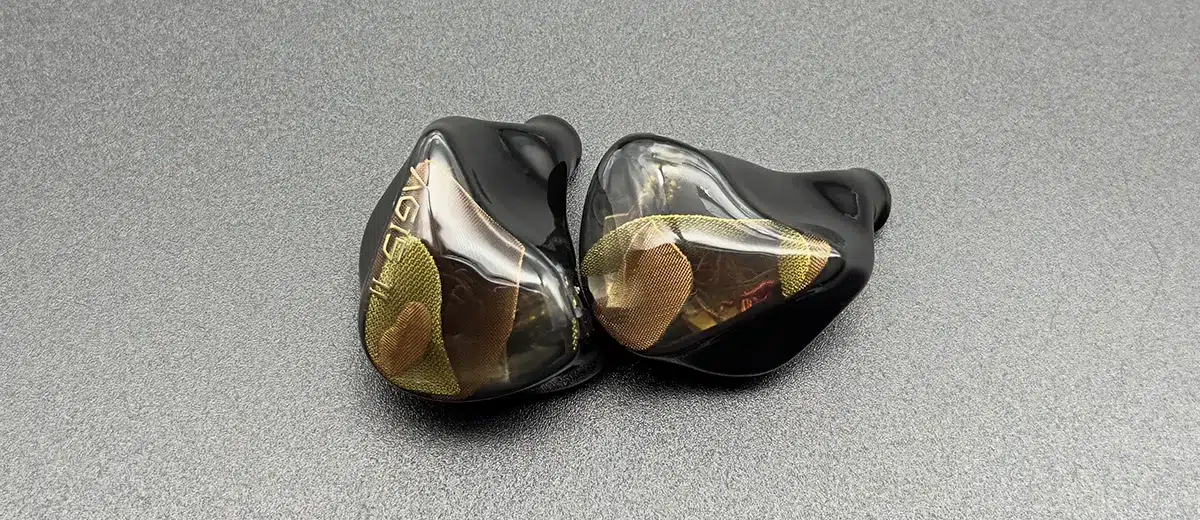
Sound Impressions
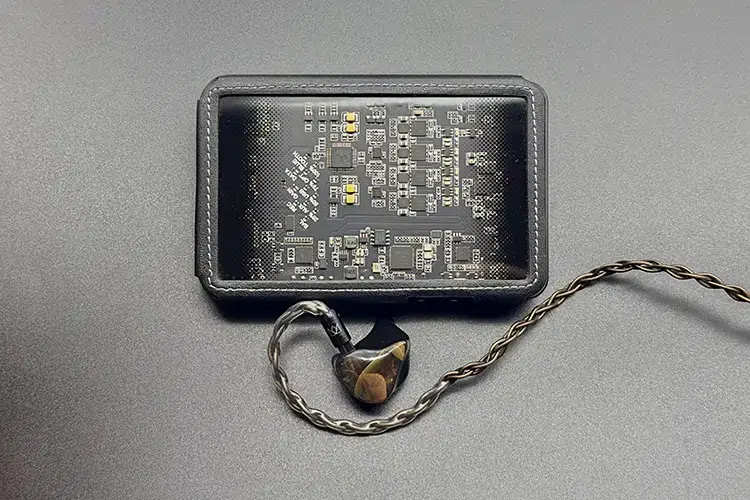
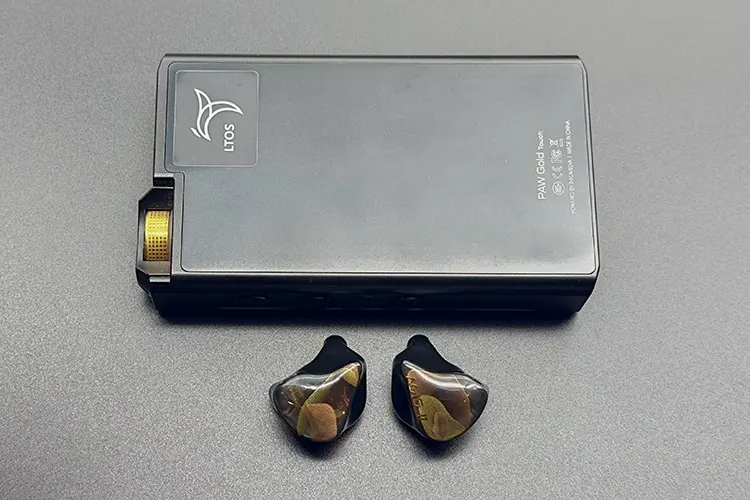
The following sound impressions of the Noble Audio AGIS II were completed using a mixture of my main source, the Lotoo PAW Gold Touch, and the Questyle CMA18P Dac/Amp.
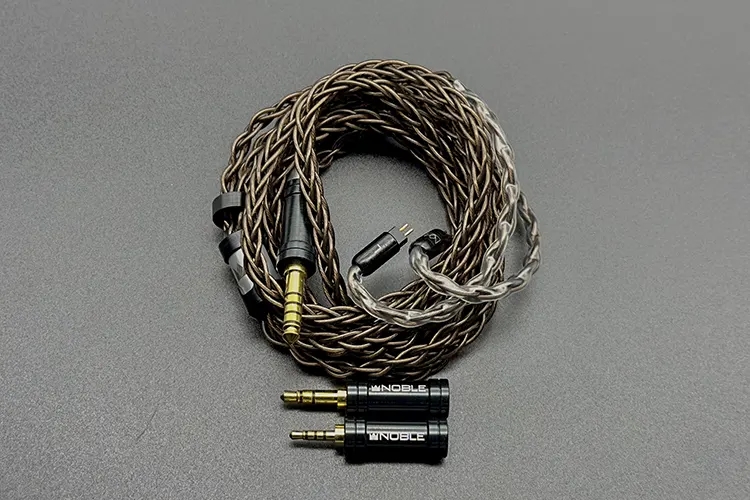
For the review, I paired the IEMs with the stock cable and stock silicon ear tips, size L. Most of the listening has been done on the STANDARD mode unless stated otherwise.
Summary
I remember not really appreciating Spartacus when I tried it the first time. The AGIS II has been impressive for me right off the bat. It gives you a sound that screams high resolution without turning edgy or sharp.
The bass is quite impressive for a BA setup. I know a lot of people do not always gel with BA bass, but this one has a few tricks up its sleeve to surprise you.
The midrange offers plenty of detail without turning into a razor-sharp delivery. The treble is tuned to tickle the trebleheads, with notes pushing out the tiniest detail and sparkles like it is scratching a long-standing itch for more top end.
A lot of the tuning simply depends on how much bass the track itself carries. On bass-heavy tracks, the low end swells in and pushes warmth into the midrange. On leaner tracks, the bass just folds its wings and stays out of the way.
On the technical side, there is hardly much to complain about. It keeps most things like resolution, dynamics, and imaging well in check. The bone-conducting driver does its bit in how the stage is laid out.
Overall, I feel the AGIS II has most of the important things sorted out.
Bass
AGIS II clearly has one of those on-demand sleeper basses that do not jump on you from the get-go but rather unfold their true nature track by track.
The bass is fast with quick decay, very reminiscent of a balanced armature driver’s bass. But there is more to it: a surprisingly deep sub-bass, which can hit you hard with rumbles when the track calls for it.
AGIS II delivers a sub-bass swell that arrives as a sudden pressure wave rather than a bloom and then vanishes quickly, as expected from a BA bass.
That combination of depth and speed is quite a surprise. The mid-bass stays on a strict diet, so bass as a whole never jumps off the roof.
It announces its presence with a good impact every time the track asks for it, but you won’t be served very tight, precise punches very often. This politeness does not disturb the higher frequencies at all, leaving them clean.
As for the details and textures, they are presented in a fulfilling way. There’s no woolly warmth cushioning the notes. It’s just cool with a hint of agility, so complex bass lines feel etched rather than smeared. I just wish the notes were separated out in a cleaner fashion; however, layering is convincing enough.
This bass sits midway between a basshead set and a neutral one. The balance is something one can admire, offering clean, rounded punches with ample impact that feels just enough.
True, it is far from a basshead’s dream or not the most detailed one, but if you are looking for a fast, agile, yet deep enough bass, AGIS II serves you right.
If you chase the syrupy bloom of a dynamic driver, you’ll be served, but with speed, cleanliness, and the occasional subterranean rumble that appears out of nowhere.
Midrange
Midrange on the AGIS II feels like peering through freshly wiped glass. It’s clean and resolving without sounding sharp. It keeps a sense of naturalness that stops it from drifting into sterile territory.
The midrange sounds real: tones arrive with lifelike color and a spotless timbre that never feels glossed or tinted. There is just enough warmth sprinkled in, so the musicality is not lost.
This midrange presents a nice balance between detail and ease. It does not have details screaming out at you; rather, you get an effortless delivery without missing those tiny bits that we often crave.
The energy stays well contained, so you get the information without the fatigue. Micro textures are vivid and audible, and notes come off well separated and feel nicely saturated.
The lower midrange stays in control, so warmth and body are slightly reserved. That does not mean it lacks weight in the region. Instruments like guitars and lower male vocals sound clean and articulate, just not overly dense or heavy.
Considering the high-resolving nature and the clean delivery here, keeping this band strict makes sense. It keeps the overall presentation tidy and trimmed rather than plush padding.
The upper midrange is a touch focused on clarity, so you may feel it a bit edgy in the beginning, especially if you are used to smoother tunings.
Once you get a knack for the AGIS II’s overall balance, it becomes easier to live with. In fact, the climb is smooth, not peaky, so the region lends a bit of extra shine and presence to instruments and female vocals.
The treble region blends seamlessly into this upper midrange, which helps the whole midrange-to-treble transition sound coherent and well-integrated.
Treble
The AGIS II’s treble is like letting in fresh daylight: everything becomes brighter and clearer, but never harsh. There is plenty of energy all the way up, but it never feels wild or uneven.
It’s a very resolving yet controlled treble, like the IEM is pulling extra light into the mix without poking you in the ear.
In the lower treble, you get that first sense of bite and clarity. Instruments have a crisp edge cutting through clearly with enough grit to sound alive without turning harsh.
Vocals pick up extra focus here, too. The region leans energetic, not shouty, unless the track is a poorly recorded one. Notes are clean and detailed, and the way they fade out feels quick and tidy, so nothing hangs around longer than it should.
Higher up, the treble shifts more towards shine and air. Cymbals gain a smooth shimmer, rides and crashes have a natural metallic sparkle, and you can hear the texture of sticks glancing off the metal.
There is also a sense of space sitting on top of everything. Instruments feel airy instead of muted, and electronic synths get that nice, glossy top end. It does not feel sharp or piercing. It is more about adding width, sparkle, and that crisp finishing touch.
If you’ve been craving a dose of air and sparkle without the customary penalty of shrillness, the AGIS II can definitely scratch that itch without turning into a fatiguing, bright mess.
Crucially, I’m no treble-head by any measure, yet this top end never fatigues me. It’s an ultra-extended treble filled and polished so carefully that it never sounds piercing.
Staging & Dynamics
Soundstage and imaging are the AGIS II’s ace cards. Picture a handful of spotlights hung above a black-box theatre, each beam converging on center stage; that’s how the sonic picture locks together.
The instruments fire from all corners and come together to present a very coherent and impressively accurate stage. There is no gimmick of an ultra-stretched soundstage, but how everything is put together and made special is the win here.
The stage has plenty of width with good depth and feels tall. It creates a proper holographic bubble that sometimes feels like it is scratching the eardrums from outside the head.
Imaging feels very accurate, and the placements and spatiality feel top-notch. Left-to-right channel movements are captured very realistically.
Resolution on the AGIS II feels a notch above what I usually expect. Tiny background details just pop out: fingers sliding on strings, subtle reverb tails, vocal nuances, and low-level synth layers you would normally miss.
There is ample breathing space among the instruments, which keeps them cleanly separated even when the mix gets busy. Background elements do not get crushed; they sit behind the main line but stay easy to pick out if you focus.
Transients hit with a sharp outline but do not feel dry or clinical, which keeps the sound alive rather than overly analytical. The details flow so effortlessly and vividly that it almost gives you that “hearing my library again for the first time” vibe.
Dynamics on the AGIS II are more about control and gradation than brute force. Macro swings hit with good impact, satisfying, and enough to keep the music lively.
Micro-dynamics are handled nicely: small volume shifts, breath changes, and intensity build-ups come through in a natural way.
Synergy
Efficiency
The Noble Audio AGIS II has an impedance rating of <35Ω. The sensitivity rating is unknown to me, but after trying different sources, I am confident the AGIS II hardly asks you to push the volume dial too far.
The IEM does not demand much power and can be comfortably driven by most sources, from small dongles to smartphones and smaller DAPs.
I do not find it scaling much with extra power, but sources with good amplification can push the quality of delivery a bit further, though it really does not require much to perform well.
With a few extra clicks of the volume wheel, it picks up loudness easily. On my Lotoo Paw Gold Touch, it takes about 30 volume clicks to reach a comfortable listening level. I find warm-neutral and non-bright sources go quite well with the AGIS II.
A bright source can push the treble slightly forward and can potentially be fatiguing over time.
Source Pairings
On my Lotoo Paw Gold Touch, the AGIS II gives me more satisfaction than I could realistically ask for. The LPGT has enough clean power and a very low noise floor, so the AGIS II gets a clear, transparent signal to work with.
The sound comes through crisp and refined, with all the subtle details landing nicely without any effort. The treble stays exciting but does not get sharp or peaky. You get all the sparkle and air, yet it never crosses into harsh territory, even on slightly hot recordings.
The midrange feels natural, with the right amount of emotion carried through vocals and instruments. Male and female vocals sound honest and lifelike, neither thinned out nor overly thick.
Bass is textbook Lotoo; it feels deep enough in the sub-bass region, while there is a polite nudge to the mid-bass and lower midrange.
Honestly, I do not really find the low end lacking much here. It may not be an authoritative slam, but there is enough body and weight to keep things grounded. What really stands out is the texture.
Surprisingly, the pairing with the Questyle CMA18P also came off really nicely. The extra power on tap seems to open up the presentation a bit more than on the LPGT.
You sacrifice the last ounce of micro-resolution as on the LPGT, but the bass gains visceral weight, which can be very satisfying. The treble picks up a bit of extra spice here. It edges closer to the limit of what I would call comfortable but still avoids becoming harsh.
The soundstage feels a touch wider and a bit more open compared to the LPGT, giving the AGIS II a slightly grander panorama.
