

Synergy
Efficiency
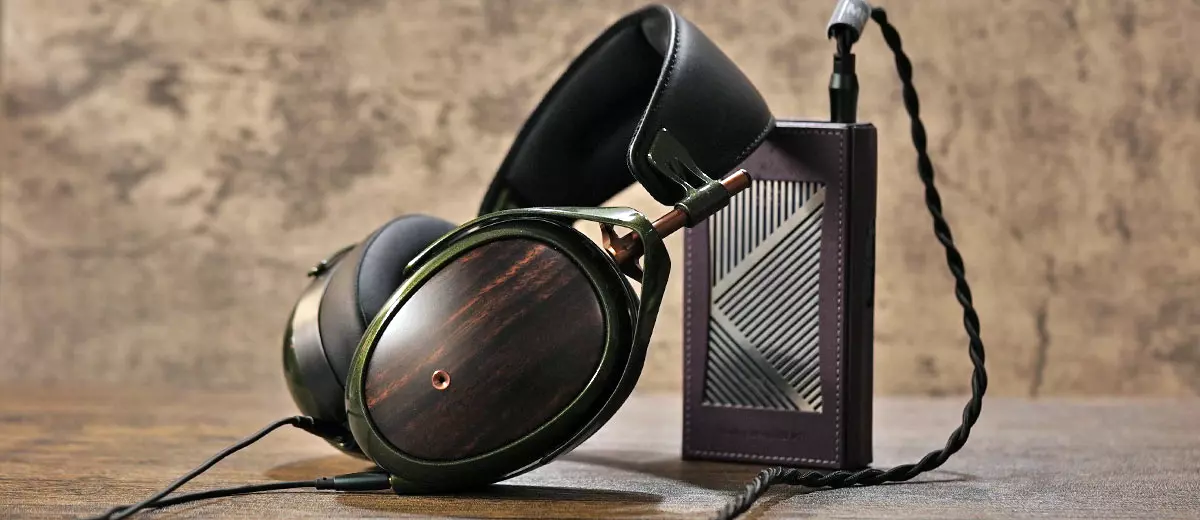
The Strada is refreshingly easy to drive thanks to its high sensitivity of 111 dB/mW. It reaches quite loud, dynamic levels on dongles, phones, basic DAPs, or laptop outputs without requiring much power.
That said, while it scales decently from everyday modest sources, synergy really matters here because of its revealing nature, and you can feel it scale noticeably with stronger amplification for fuller bass impact.
At higher gain levels, you may also hear the Strada picking up noise in the output, but in most cases I prefer lower- to medium-gain settings, which deliver better dynamics and a darker background.
Pairings
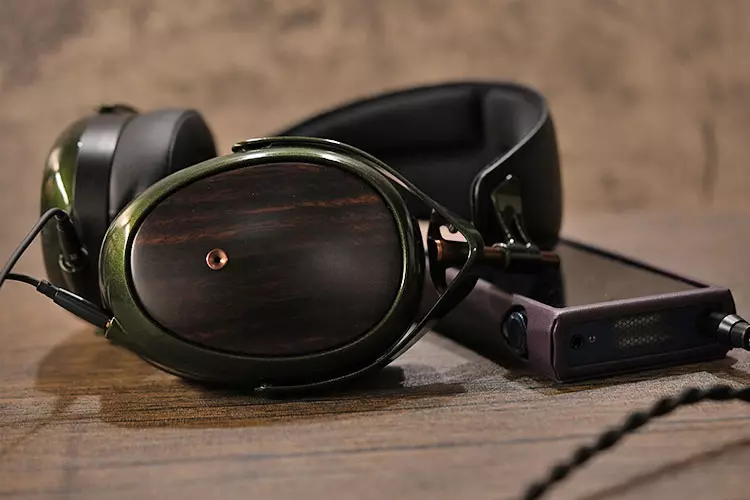
The Strada is tuned to be quite neutral and clean-sounding, so pairing it with neutral-to-warmer sources works best indoors for better overall balance and slight suppression of upper-register power.
For example, using the FiiO warmer K17 combo adds tube-like warmth and harmonics to the mids, while the overall response remains fast and impactful.
Although the closed-back design slightly slows the driver compared to open-back counterparts, it still retains sufficient agility, which firms up noticeably with higher power input.
Warm DAPs like the Shanling M7T are also a great match, thickening vocal body and adding more elaboration in the mids. The M7T provides sufficient power to drive the Strada punchy and vivid, while slightly smoothing vocals for a more rounded presentation.
On the other hand, gear such as the D&A Alpha, which delivers 6000 mW per channel into 32 ohms, only needs mid-to-low gain for impactful, punchy bass. The warmer Tone-X mode slightly thickens vocals and makes them more distinct.
With the D&A Alpha PRO, bass tightens further, with improved depth and more micro-detail, thanks to its stronger, more definitive power.
In short, the Strada scales well with better decoding solutions and output power. Warmer sources are generally preferred unless you prioritize a stronger bite and vocal clarity over bass power.
Cleaner, technically capable sources also work fine, but I found that plugging it into treble-leaning gear, like the Yamaha mixer I tried, made vocals overly prominent in the sibilance region, detracting from musical enjoyment.
Selected Comparisons
Meze Audio 105 SILVA
Technical
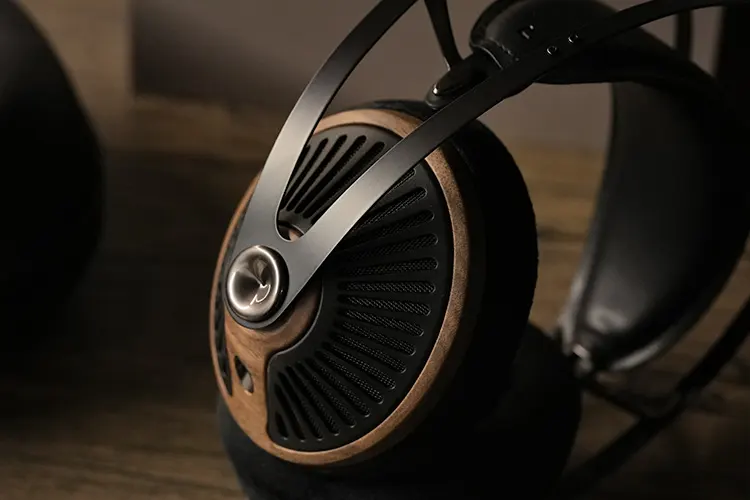
The Meze Audio 105 SILVA features a custom 50mm dynamic driver with a cellulose membrane and a titanium-coated torus.
The Strada seems to have some edge by incorporating the same proven 50mm dynamic driver originally developed for the acclaimed 109 Pro, which is well praised for its technical prowess.
While the SILVA’s newer driver holds its own admirably at its price point, the Strada arguably starts from a stronger, more established driver.
Design
The 105 SILVA features an artistic earcup design and an extremely lightweight frame, allowing it to sit virtually weightlessly on the head for hours without discomfort.
However, the Strada feels like a better choice for portability thanks to its more compact frame that doesn’t protrude as much. Being a closed-back design, it also performs better in noisier environments.
Additionally, the Strada’s paint finish and wood panels give it a cooler, more premium, and slightly futuristic appearance.

Performance
Despite its open-back design, the 105 SILVA shares some fun tuning similarities with the Strada. The 105 SILVA delivers a V-shaped signature with punchy, impactful bass, energetic treble that adds sparkle and air, and fast, firm transients.
Many of these technical strengths and qualities are also present on the Strada, even though it is a closed-back design.
While the 105 SILVA still sounds slightly more open due to fewer physical limitations, the perceived air and detail retrieval come surprisingly close on the Strada, as its isolation blocks out more ambience and helps you focus.
The Strada offers tighter, more layered bass while remaining equally agile and punchy. It presents mids more naturally, though the 105 SILVA’s open design provides a slight advantage in cleanliness when more bassy instruments come into the mix, especially when driven by less powerful sources.
As a closed-back headphone, the Strada is far more versatile and portable-friendly. Indoors, it sounds more swiftly articulated and impactful in bass.
Outdoors, it has less bass leakage into the ambience, making it feel as expansive as the open-back 105 SILVA in a coffee shop. You can hear more detail without cranking the volume; as a result, the treble feels slightly tamed, reducing fatigue during longer sessions.
Its tuning and strong technical performance also make pairing easier than with the 105 SILVA, which often needs better sources to achieve comparable resolution, midrange meatiness, bass tightness, and control.
final DX3000 CL
Technical
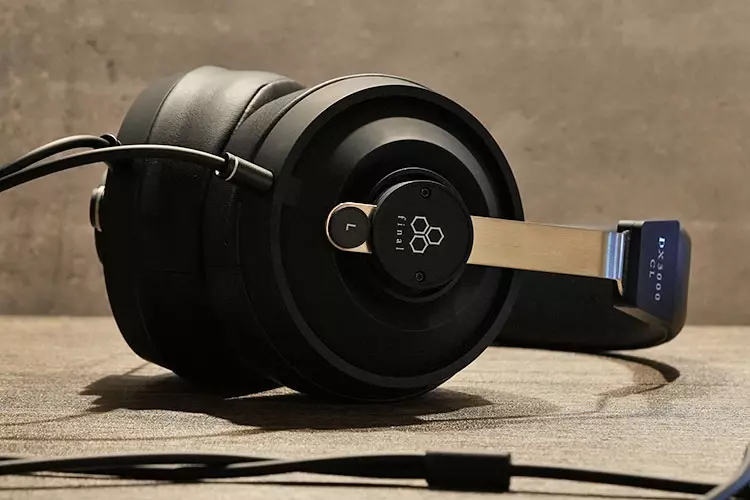
I recently reviewed the final DX3000 CL, a closed-back headphone that features an unusual Washi (Japanese paper) and carbon fiber composite diaphragm in its 40mm driver.
Final used an edgeless mechanism around the driver to allow it to move uniformly, reducing resonance, improving transients, and enhancing distortion control.
Design
The final DX3000 CL features a glass-fiber-reinforced resin housing, keeping it very light yet sturdy at just 410 g without the cable.
The construction emphasizes a premium, no-adhesives assembly for enhanced reliability, along with thick 30 mm memory foam earpads that provide generous cushioning, improve passive isolation, and enhance bass depth by creating a better seal.
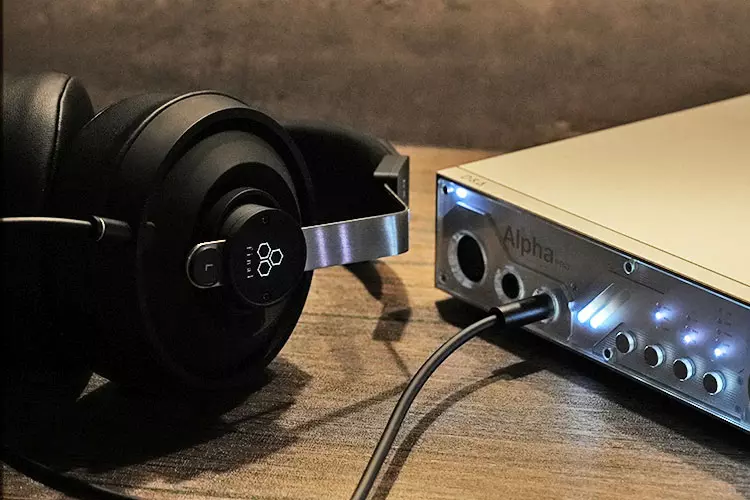
The Strada, with its oval shape, feels more compact overall, and its frame is sleeker and better suited to the face. The cable on the Strada is also slimmer, while the gauge on the DX3000 CL is nearly twice as large.
It’s clear that the Strada looks more premium and feels more portable, but the DX3000 CL’s more understated black design is cool and stealthy in its own way.
Performance
The DX3000 CL features a carbon-fiber-infused Washi paper membrane driver, emphasizing speed and clarity in its design. Yet when compared to the Strada, it sounds bassier and punchier in the low end, leaning more toward the lower frequencies.
When powered by dongles or Bluetooth receivers like the FiiO BTR15, the Strada is more power-sensitive and delivers superior dynamics and depth, possibly due to its larger 50mm driver.
Speed, extension, and clarity are comparatively better on the Strada. The DX3000 CL offers punchier, fuller bass with more texture, but the Strada feels more resolving and separated in the mids, making it the winner in that regard.
On desktop amplifiers and powerful DAPs, including the Shanling M7T, D&A Alpha/Alpha Pro, RME ADI-2 Pro, and FiiO Warmer R2R/K17 combo, the DX3000 CL clearly benefits from higher voltage swing, gaining firmness and impact in the bass while keeping intensity controlled.
The Strada, when sufficiently powered, opens up further with firmer attacks, reaches deeper into the subs, and remains more conservative on bass power, resulting in a cleaner, faster presentation with more revealed treble detail.
With a bassier tuning and less sensitivity, I feel like the DX3000 CL has greater scaling potential with higher gain and output power.
However, in portable setups, the Strada’s higher sensitivity gives it an edge in delivering definitive power and clearer positioning on DAPs, even without the need to put it on higher gain modes.
With its larger driver and more neutral tuning, the Strada renders depth more effortlessly and recovers faster after consecutive big bass punches, with the midrange sounding less colored as well.
My Verdict
The Meze Audio Strada beautifully adapts the refined chassis of the flagship Liric II into a more affordable price point.
Equipped with a carefully retuned 50mm dynamic driver derived from the 109 PRO, the Strada delivers a lively, textured, and agile output for a closed design that doesn’t feel veiled, sluggish, or curtained.
It offers excellent bass impact and control, natural, expressive mids, and a brilliant yet smooth treble that brings out fine detail even when played on moderately powerful gear.
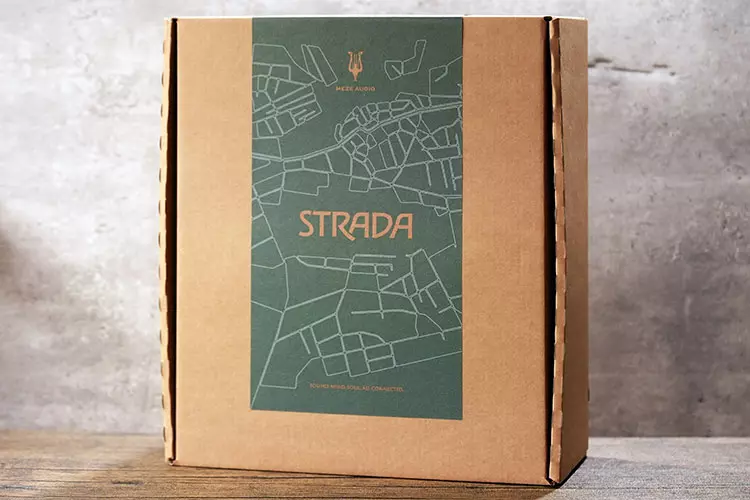
The package and design feel luxurious and clearly surpass most competitors in this price range.
Compact, lightweight, and sleek, the Strada truly lives up to its name as the perfect portable headphones for the streets, delivering great clarity and versatility.
Meze Audio Strada Technical Specifications
- Driver Type: Dynamic
- Driver Size: 50 mm
- Input Connector: Dual 3.5 mm TS Jack
- Impedance: 40 Ω
- Sensitivity: 111 dB SPL/mW at 1 kHz
- Total Harmonic Distortion (THD): <0.1% at 1 kHz
- Frequency Range: 5 Hz – 30 kHz
- Ear Cup Covers: Macassar Ebony Wood
- Frame: Magnesium
- Weight: 330 g (11.64 oz)
