

Sound Impressions
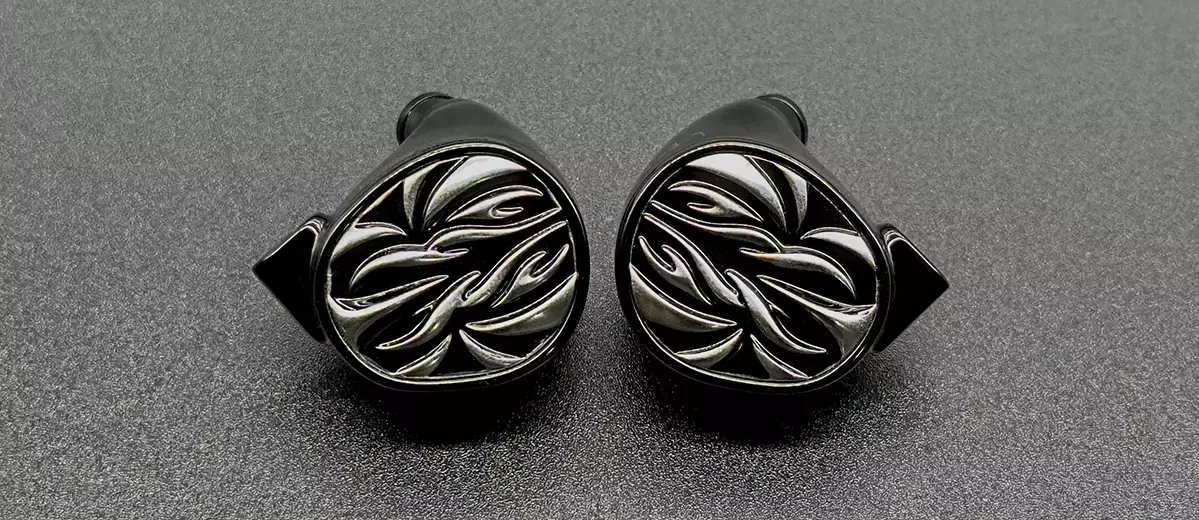
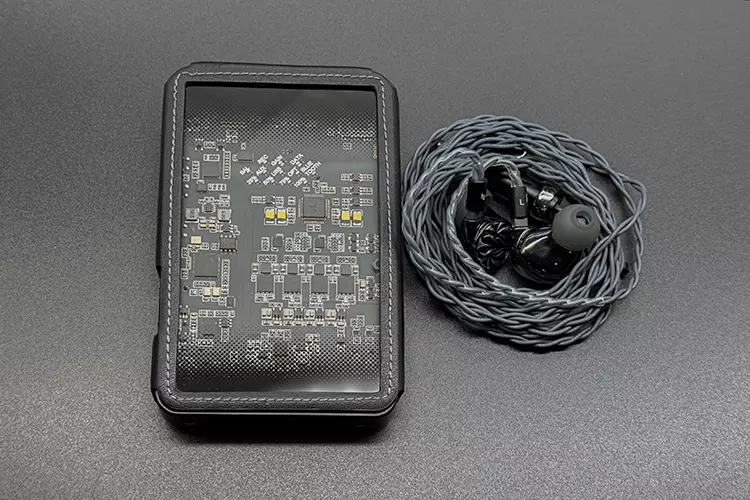
The following sound impressions of the LETSHUOER Ember were completed using a mixture of my main source, the Lotoo Paw Gold Touch, the Questyle CMA18P, and the Campfire Audio Relay dongle Dac/Amp.
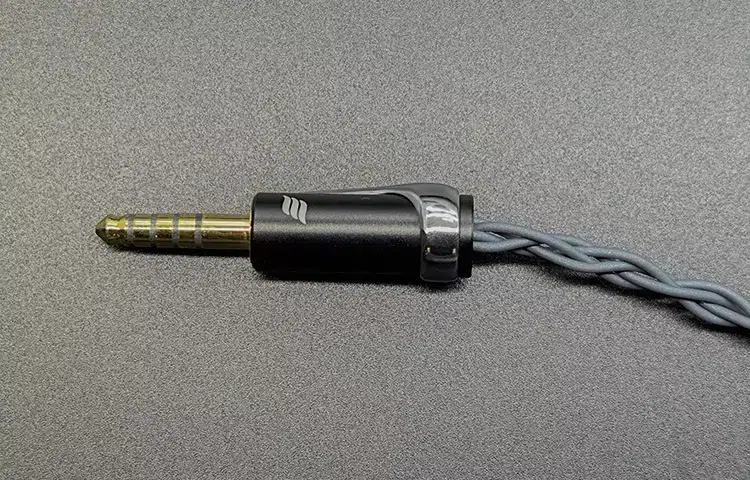
For the review, I paired the IEMs with the stock cable and Divinus Velvet ear tips, size L.
Summary
Ember does not come across like a typical planar, and that is mostly because it plays the game differently.
It is not chasing that hyper-fast, detail-first presentation. Instead, it leans into tone and clarity, with a relaxed and organic timbre that feels just right. The first thing you notice is the low end. It hits with real authority.
The bass punches are solid; they land well, and they give the whole tuning a slightly bass-forward tilt without feeling messy. Vocals and instruments sit in a clean, coherent space, and the whole thing comes off more “musical” than “analytical.”
Treble plays it smooth. No weird spikes, no metallic timbre, and the overall top end feels even. Technically, Ember follows the same smooth and relaxed character. It is not trying to be a pure technical flex, but you are not left feeling like anything major is missing either.
The soundstage is decently sized, imaging is better than average, and the presentation stays tidy. Track by track, genre by genre, Ember keeps pulling you in without shouting for attention.
Bass
Ember’s low end is the first thing that jumps out when you put it in your ears. The moment the bass hits, you know and feel that it’s not a “planar bass” in the stereotypical sense. It has actual weight and a solid depth, which is a win because planars can often sound fast but a bit flat down low.
Sub-bass is there with a steady presence, enough rumble to make electronic drops and deep synth notes feel alive. The mid-bass comes in with good impact.
The sub-bass rolls smoothly into mid-bass without any bloom or mud, keeping things tight and controlled. Kicks land with a firm thump, bass guitars feel chunky, and the whole low end has this slightly muscular shape that keeps the rhythm section upfront.
The overall bass tuning feels balanced, punchy, and surprisingly “complete” for a planar. This bass does not relate much to a typical fast and quick-to-decay planar bass.
There is some lingering, but the tightness is what saves it from turning into a blob. Notes start and stop cleanly, so even when the bass is on a heavier side, it does not smear into the lower midrange and up top.
On faster tracks, you can still track individual hits and the spacing between them. The impact feels controlled, not soft or pillowy. There is a good sense of grip, like the driver is holding the bass line by the collar and not letting it wander. The details and texture are top-notch.
Midrange
Ember’s midrange sounds pretty natural and pleasant, and LETSHUOER has nailed the tonality, as they do on most occasions. But it does not reach the Mystic 8’s level.
The lower midrange has enough warmth to keep instruments sounding real. The region avoids a lot of weight and body, and may feel a bit recessed. Male vocals and lower strings on guitars or cellos come through with a clean body, but they feel slightly distant.
There is a nice sense of resolution, but the details are not shoved into your face. It feels more like you are hearing things clearly because the mix is tidy, not because the IEM is spotlighting every micro detail.
Vocals sit a couple of steps behind the instruments. That means the emotional “vocal-forward” thing is not really Ember’s style. You hear the snare texture, the guitar plucks, and the layering in the arrangement more vividly than the vocal nuances.
The upper midrange is where the vocals start to lose their charm a bit. The region has been trimmed heavily. It takes away some sense of openness and extension, which also means vocals are not very well extended. However, this tuning favors female vocals more than male vocals.
Pianos, violins, and other instruments render with organic timbre and bite where needed, though the slight pull-back lends a relaxed, non-fatiguing listen.
Honestly, I wish there was a touch more texture and meat in there, as the tonality is bang on; it just could have used a richer body and a better extension. But yeah, it makes sense with the whole bass-forward tuning they have gone for.
Treble
Treble is on the smoother side; it’s controlled and stays polite. The handoff from the midrange to the treble region feels coherent, and they act together as one unit.
Lower treble stays nice and even and does not go wild or splashy. The region gives cymbals and hi-hats enough definition to sound crisp, but it does not push that splashy sparkle hard.
You still get bite on snare hits and a decent amount of edge on strings when the track calls for it, but the overall shape feels controlled.
Detail is still there, but it is less obvious. Micro stuff like cymbal texture, little reverb tails, and small string harmonics does not jump out as easily.
Upper treble does not open into a huge, airy ceiling, but it’s lively. So, you get some shimmer, but not that “infinite air” type of presentation.
Details do come out, but they are not always rendered with razor-clean precision. Some tiny treble textures feel a bit softened or slightly rounded, like the Ember prefers smoothness over hyper clarity.
On the plus side, this tuning keeps the stage from sounding artificially bright, and it helps the Ember stay fatigue-free. The technical feel here is more about coherence and stability than flashy treble fireworks.
Honestly, it’s lively enough to keep things fun, but that cutoff tames it just right, avoiding any piercing nonsense while holding onto the spark. The treble fits the whole relaxed tuning they’ve aimed for. I just wish they’d gone for a more open and airy treble here.
Staging & Dynamics
Technically, Ember is not a detail monster. It is not trying to wow you with pure resolution or flex its technical chops.
Ember goes for a warmer, fuller sound rather than the typical fast, clinical planar timbre that is all about crisp edges and precision. It leans into a music-first approach, and the presentation feels confident because of it.
The stage has a nice holographic feel, but is not very spacious. The width and depth are easy to live with. The height is decent, too, but that holographic bubble is smaller for me.
Imaging is fair, but it is not that ultra-precise, laser-pinpoint kind of accuracy. It is more of a near-accurate, believable placement that stays stable as the mix gets busy.
Instrument movement across the left and right channels feels natural and assured, and layering is better than you would expect at first glance.
Instruments do not fight for space, but they do miss air around them. They are arranged neatly on the stage, even on faster tracks, and you rarely get that crammed, congested feeling. Dynamics are one of Ember’s stronger traits.
Macro hits come with confidence, and big swings in orchestral pieces, piano strikes, and heavy drops land with proper weight. Softer passages are handled well, so the contrast between loud and quiet feels clean and intentional.
Micro detail is not the main headline here. You hear the details, but they do not push themselves forward. It is more of an effortless, natural presentation than a “listen to this tiny detail” tuning. Overall, the technicalities serve the musical character.
Synergy
Efficiency
Ember has an impedance of 30Ω and a sensitivity of 103 dB/mW, so it is not the kind of IEM that wakes up instantly on anything you plug it into.
It can still be driven by most sources, including dongles and compact DAPs, but it does ask for a bit of extra juice to sound fully awake.
You will likely find yourself pushing the volume higher than usual, and the IEM clearly responds when the source has better headroom and control.
A stronger, more capable source brings out the best of Ember, especially in dynamics and overall grip, making the presentation feel more confident and better shaped.
It is not infinitely scalable, but it scales in a meaningful way, and it is easy to hear the gains once you move to a better chain.
Even on regular sources, it does not fall apart or turn harsh, but the sound feels complete and more purposeful when the chain has some power behind it.
On my Lotoo Paw Gold Touch, it takes nearly 35 volume steps to reach a comfortable listening level, and even a few extra clicks do not make it jump into “too loud” territory.
Pair-wise, I think Ember works best with neutral-leaning sources. It already has the right amount of warmth baked into the tuning, so I personally would not want to stack more warmth on top of it.
A warmer source can make the presentation thicker than needed and dull some of the clarity. Neutral sources keep the balance intact and let Ember’s bass authority and smooth treble come through without turning it into a syrupy listen.
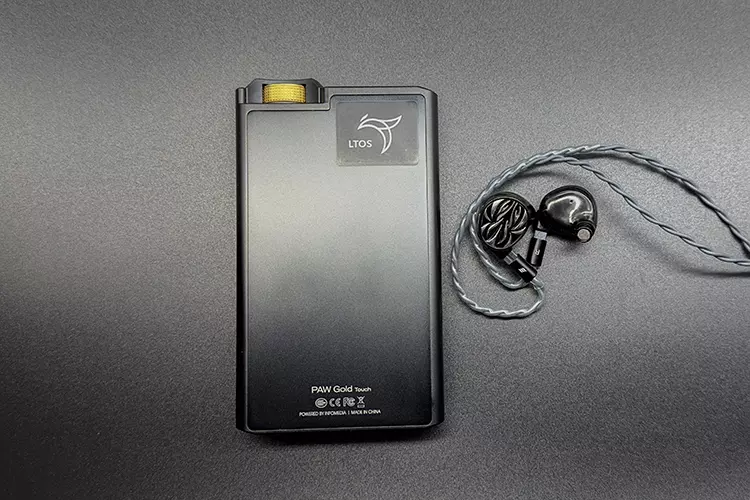
Source Pairings
My primary sources, the Lotoo Paw Gold Touch and the CMA18P, both bring out the best from Ember because they have the power and control to keep the planar driver tight while letting the bass hit with authority.
On the LPGT, the bass is genuinely delightful. It has a lot of punch, but it also carries enough detail to make bass lines feel separated and easy to follow.
You can hear the shape of the bass rather than just the impact. The lower midrange gets a nice bit of weight, which helps male vocals and string instruments sound more grounded.
Midrange timbre lands in the right spot, sounding natural and engaging without turning syrupy. Female vocals plus instruments like piano come through clean and enjoyable. The treble stays smooth but is still fairly detailed.
I would have liked a bit more separation and precision in the note edges, but the trade-off is that it stays easy to listen to for hours. The stage, though, could have been more spacious.
The CMA18P is a little beast, and you feel that immediately. It pushes Ember with stronger dynamics and a touch more energy than the LPGT.
The extra power, along with a livelier treble, opens the stage slightly and makes the presentation feel a bit more spacious. It is fun and punchy, but it does not sound as cleanly separated or as resolved as the LPGT.
The Campfire Relay dongle, surprisingly, has enough power to drive Ember. The low end comes out thicker here, so it is not the most ideal pairing if you want the cleanest bass shape, but the overall resolution does not collapse.
As long as you are not throwing very complex, busy tracks at it, the Relay does justice to most genres, and Ember pairs reasonably well with it.
