

Synergy
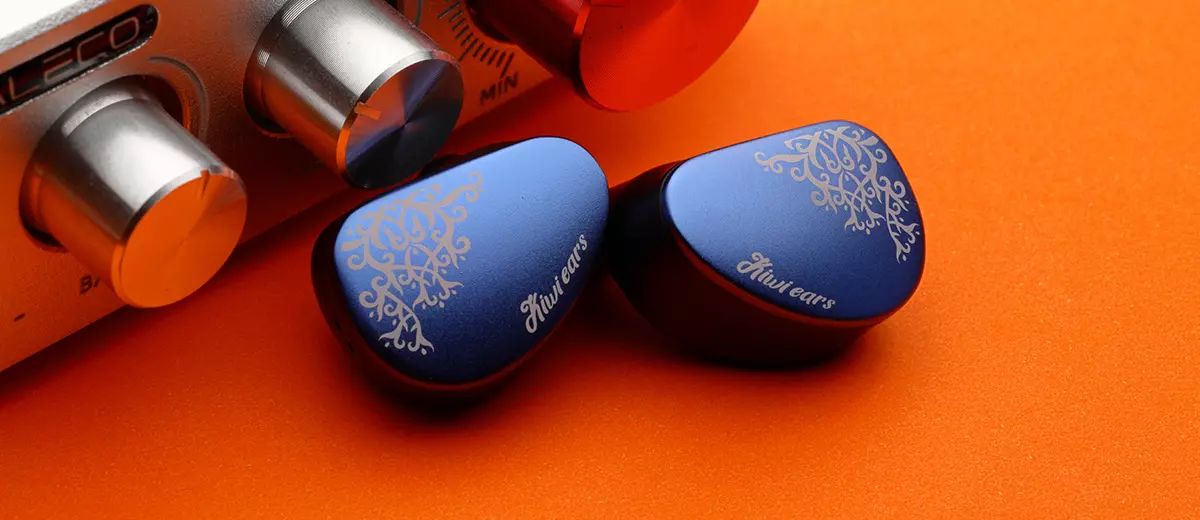
On my days listening to the Cadenza II, during a walking exercise, or at home, I’m happy to say that it never caused any noise in all the sources I paired it with; the cable never picked up any radio frequency interference and is not sensitive enough to allow the source’s noise floor to be heard.
However, with an 18Ω impedance and acoustic tuning designed to boost subbass and shape the overall response curve.
Despite its average sensitivity, Cadenza II seems to be a current-hungry set, requiring a powerful source to achieve optimal results.
Pairings
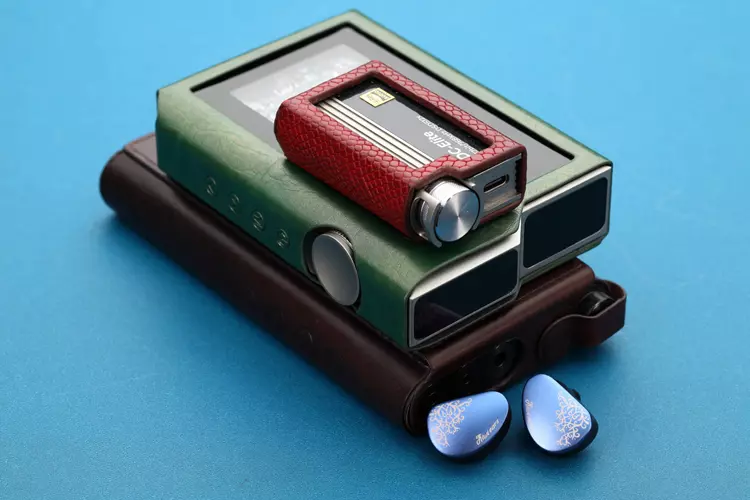
When paired with my iBasso DC-Elite, a dongle DAC with an output rating of 280mW @ 32Ω (4.6Vrms) via its 4.4mm balanced output, or 162mW @ 32Ω (2.28Vrms) via the 3.5mm single-ended output. I find the Cadenza II sound quality is not as good as it should be.
The DC-Elite sounds great normally, but with the Cadenza II, I feel it struggles to control bass tightness, and the upper treble doesn’t sound as extended or detailed. The soundstage also suffers. I also hear a slight dynamic compression.
I find better sound with the MUSE HIFI M6 Double and Cadenza II pairing; it delivers tighter bass and more detailed treble, even in its tube-output mode. Everything sounds clearer, cleaner, and more effortless than the DC-Elite pairing.
And then I switched to the FiiO M15s, which has a 1000mW output rating, and the sound quality improved noticeably compared to the pairings above. This pairing sounds more effortless, cleaner, more impactful, tighter, deeper, and airier, with a bigger soundstage.
Selected Comparisons
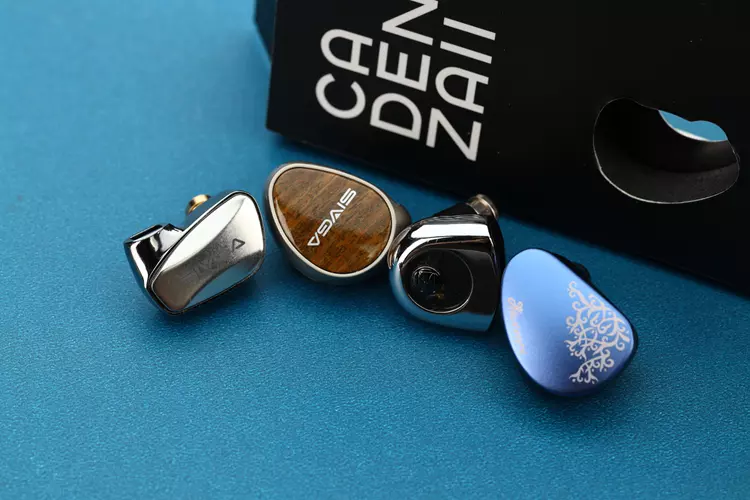
The following sound impressions of the Kiwi Ears Cadenza II were completed using the FiiO M15s.
SIVGA SM100
Technical & Design
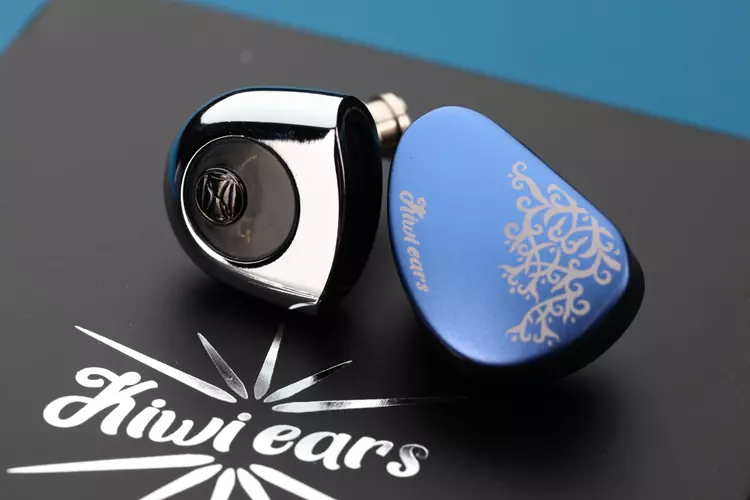
The SM100 is a single dynamic-driver IEM featuring a new dual-chamber 10mm PU + Sapphire-Like Ceramic Composite Diaphragm. The SM100 has an impedance of 27 Ω, slightly lower than the standard 32 Ω, and a sensitivity of 107 dB, which is average.
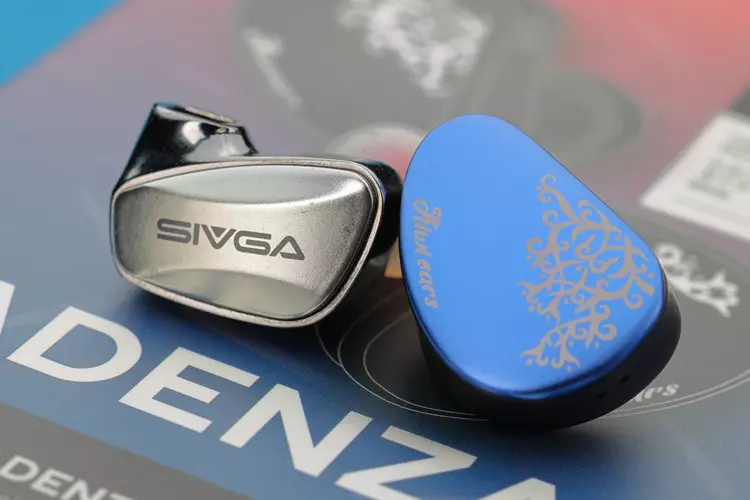
I like the sleek, futuristic design of the SM100’s shiny and matte chrome-plated zinc-alloy shells, which kind of reminds me of utopian or dystopian futuristic sci-fi movies.
I like that, despite their solid metallic feel, the shells are lightweight, weighing only 7.2 grams each, which is lighter than what I consider the average weight of about 7.5 to 8 grams.
Another nice thing about the design is that SIVGA uses a screw to lock the faceplate. Instead of placing the screw head on the faceplate, the screw head is in the shell behind the faceplate, making it invisible and keeping the faceplate clean-looking.
Performance
The SM100 has less subbass and more upper treble, resulting in a mildly U-shaped sound compared to Cadenza II’s more elevated subbass response and neutral midrange and treble.
Both are clear and clean-sounding, but the Cadenza II is cleaner from subbass to upper treble, with a smoother, more pleasing frequency response. The SM100 is not as smooth or refined; it is more dynamic and fun to listen to.
Both have a big soundstage; the difference is mainly in their presentation. The SM100 has a stage that is closer, while the Cadenza II sounds farther.
The SM100 has a wider soundstage, while the Cadenza II has a slightly deeper stage, with cleaner instrument decay due to its smoother, cleaner treble response.
Both the SM100 and the Cadenza II sound energetic and dynamic, never anemic, and can handle a lot of power and go very loud without issues.
TWISTURA D-Major
Technical & Design
The D-Major is a single DD IEM featuring a beryllium-plated dome and PU suspension, Dual-Chamber Dual-Magnetic 10mm driver. It has a low impedance of 22Ω and an average sensitivity of 108 dB.
The D-Major is a unique-looking IEM with an unusually shaped shell, combining matte-black metal with chrome-finished metal and a tinted, acrylic-like window in the faceplate.
There are also uniquely designed vents near the 2-pin connector. The D-major comes with a 3.5mm plug cable and a tail type 3.5mm dongle DAC.
Performance
The D-Major has a mildly V-shaped sound signature with an apparent treble forwardness, cleanliness, detail, and resolution.
The D-Major has a very clear sound without sounding fatiguing, the kind of treble that people would love. The Cadenza II has a more neutral, smoother, more refined sound, with a nicely boosted subbass.
In terms of soundstage, the D-Major has a wide but not very deep one, giving the impression that you are listening very close to the stage.
The Cadenza II has more depth and feels like you are listening from further away from the stage. The D-Major has more defined imaging with a more forward presentation, while it is more diffuse and laid-back.
Both have no problems with dynamics: the D-Major and the Cadenza II sound energetic and dynamic, never anemic, and can handle a lot of power and go very loud without issues.
SIVGA QUE UTG
Technical & Design
The SIVGA Que UTG features a 10mm dynamic driver and an ultra-thin, flat glass diaphragm with a flexible PU suspension surround.
It is ultra-lightweight and super rigid, pushing the diaphragm breakup mode to higher frequencies, presumably into the ultrasonic range, which is inaudible to human beings. QUE UTG has an impedance of 32Ω and a sensitivity of 103 dB.
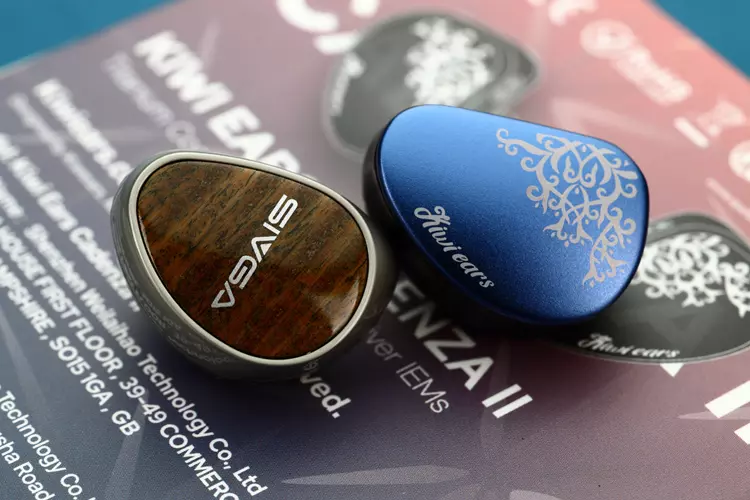
The SIVGA QUE UTG has a nice-looking South American Green Sandalwood Wooden Face cover that covers the faceplate. I
love that it has a modular plug system. The user can change the plug between 3.5mm and 4.4mm connectors included in the package.
Performance
The QUE UTG has a moderately V-shaped sound with an apparently boosted mid-bass and treble, while the Cadenza II is more neutral and smoother-sounding, with a subbass boost.
Both are highly resolving, but the QUE UTG presents the details more prominently and seems to have more detail, while the Cadenza II is less in your face.
The QUE UTG has a wide soundstage with limited depth; it sounds like you are listening in or near the front row at a concert, while the Cadenza II has a more laid-back presentation with greater depth.
The QUE UTG has good lateral imaging spread and definition, while the Cadenza II has less defined imaging and more front-to-back layering.
Both have no issues in terms of dynamics: the QUE UTG and the Cadenza II sound energetic and dynamic, never anemic, and can handle a lot of power and go very loud without issues. My ears would be the first to give up in terms of how loud they can go.
My Verdict
The unique bass tuning system, the Kiwi Acoustic Resonance System (KARS) 2.0, works well, as I hear powerful boosted subbass that never bloats the upper bass and interferes with the lower midrange.
Although the Kiwi Ears Cadenza II is not a basshead IEM, I especially like its boosted, powerful subbass without compromising the midrange and treble.
The midrange is detailed, and the treble is highly resolving, airy, and delicately sounding. I am also delighted by its big soundstage and good imaging.
However, Cadenza II seems to be difficult to drive. I experience the above-mentioned sound quality with substantially powerful sources.
When I paired it with less powerful dongle DACs, including those not mentioned in this review, the sound is just okay; I hear a slight struggle and compression. Cadenza II seems to require the best sources to sound its best.
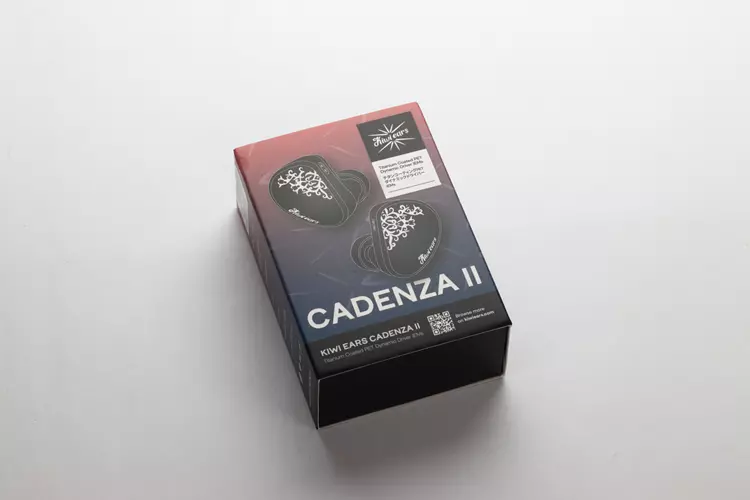
Nonetheless, I still recommend the Cadenza II to people looking for a single dynamic-driver IEM with good sound and a beautiful design at an entry-level price point.
Despite its difficulty to drive, the reward of a transparent, clean, deep, powerful, and pleasing sound signature, along with a big soundstage and good imaging, makes the Cadenza II worth the effort to find the best pairing.
Kiwi Ears Cadenza II Technical Specifications
- Driver Configuration: 10mm Titanium Dynamic Driver with KARS 2.0
- Diaphragm Material: PET with Titanium Coating
- Rated Impedance: 18Ω (±1Ω)
- Rated Power: 5mW
- Maximum Power: 10mW
- Sensitivity: 106dB (±1dB) @1kHz
- Frequency Response Range: 10Hz–29kHz
- Total Harmonic Distortion (THD): <1% (at 1kHz)
- Channel Difference: <1.5dB (at 1kHz)
- Cable Connector: 0.78mm/2PIN Detachable
- Cable Details: 1.2m, Single-Crystal Copper, Plug type: 3.5mm
- Weight: 45 grams each
- Nozzle diameter: 6 mm
