

Select Comparisons
HIFIMAN HE6Se
Technical
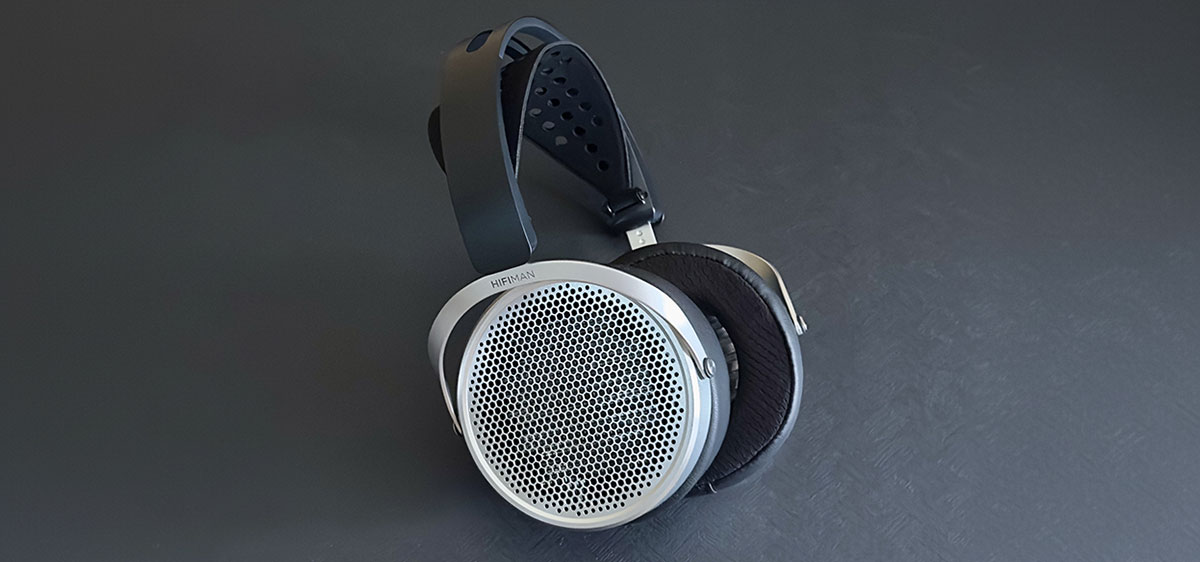
Regarded as one of the finest planar headphones, the HE6se is a planar magnetic headphone from HIFIMAN. It was released as an upgrade to the original HE6 headphones.
The upgrades were limited only to the physical aspects, which include a new deep-grey finish, new 3.5mm cable connectors featuring a 10-degree angle to alleviate pressure points, and a lighter headband with improved adjustability.
Initially released at $1800, it is often seen with a price tag hovering around $700 these days. With that price tag, the HE6se gains an advantage against the newly launched HE600, and we will soon see how they compare.
The new HE600 has upgraded planar drivers with diaphragm thickness as low as 60% of the first generation of planars. Both headphones are rated at 8 Hz-65 kHz for frequency response.
The HE6se has an impedance of 50 Ω and a sensitivity rating of 83.5 dB/Vrms. The planar driver on the HE6se is notoriously tough to drive and demands a lot of power.
Though the HE600 can take a substantial amount of power, it is easier to drive, and some portable sources can also power it effortlessly.
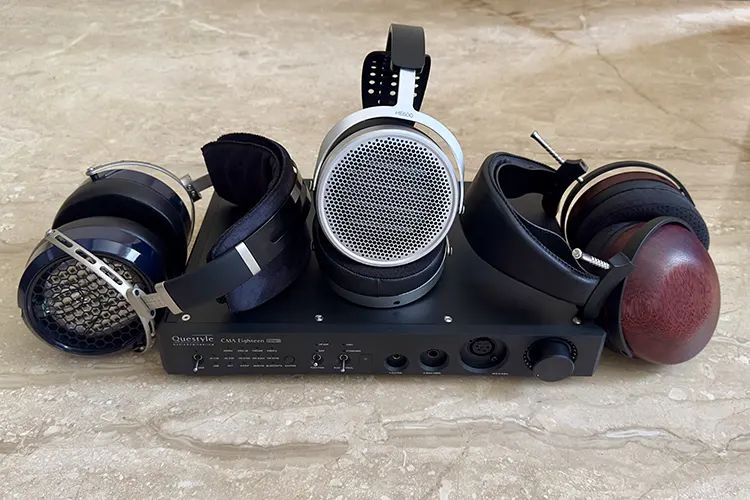
Off my CMA18 Master, the HE6se nearly reaches the noon position on the volume knob, while the HE600 sits at less than half of this volume level.
Design
The HE6se version I have here is the Adorama special, which is dark blue compared to the default black. The HE6se is a very sturdily built headphone with elements of metal and plastic on the body.
The HE600 has a trimmed-down design with more plastic on the body, cutting down the weight by nearly 120 grams, thus making the HE600 more comfortable to wear.
Both these headphones have a similar hybrid headband, so the overall fit and comfort factor are quite comparable, except that the HE600 has more clamping force even with those lighter earcups.
For me, the lighter weight compensates for this added pressure. I also believe more luxuriously padded ear pads could help here.
I am not particularly a fan of the stock cable on the HE6se, which has a tubular, rubbery look, but the HE600’s cable does not feel any more refined.
Performance
The bass in general is denser and tighter on the HE6se. The bass volume is a bit more on the HE600, while it feels more spread out on the HE6SE.
The sub-bass is a touch deeper, while the mid-bass is tighter and more controlled, yet it maintains a similar level of impact, making the bass a bit more enjoyable on the HE6SE. The bass is faster on the HE600 and less lingering than on the HE6se.
The midrange is richer on the HE600, with a bit more energy while still maintaining a neutral nature. Vocals and instruments are more forward on the HE600.
Moving from the upper midrange to the treble region, the HE600 is more linear and is the more coherent of the two headphones.
A hint of extra energy in the midrange brings a pinch of musicality and better engagement, which feels missing on the HE6se. The HE600 paints a cleaner picture; however, the level of detailing is still better on the HE6se.
In the treble, the HE600 remains smooth without any exaggerated peaks. It is highly detailed, with the treble resolving quite nicely. The HE600 is also less aggressive; however, it can have a touch sharper presence in the mid-treble region, but nothing that bothers.
The HE6se has more soundstage width. However, I find the vertical perception of the stage on the HE600 to be better at times, which makes up for the width and gives an immersive presentation.
With a wider stage, the HE6se provides better spacing among the instruments. I find the resolution better on the HE6se, and it pushes out details more effortlessly.
Overall, the HE600 is the more engaging and refreshing of the two for me; however, some folks may relate more to the HE6se for its tighter bass response and mellow midrange.
ZMF Headphones BOKEH
Technical
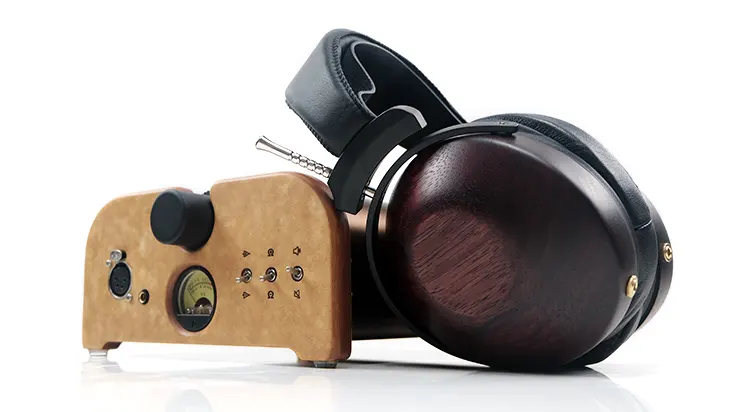
The ZMF Headphones BOKEH is a closed-back circumaural 50mm dynamic driver headphone using the company’s patented internal Atrium damping system for airflow resistance optimization.
With an impedance of 80Ω and a sensitivity level of 103 dB/mW, the BOKEH is a lot easier to drive using portable source pairings such as dongles and DAPs, though it can still scale with a wide range of amplifiers.
On the CMA18P, the HE600 takes a few extra clicks compared to the BOKEH, suggesting the differences in power requirements are not much.
Design
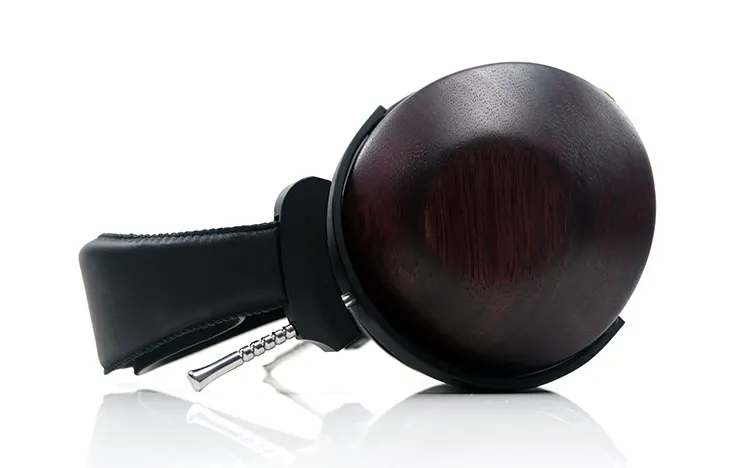
As with all the ZMF headphones, the BOKEH has a premium wood finish on the earcups. The BOKEH comes with an exotic African Black Limba hardwood finish, with my unit being an early run Claret Edition.
The later runs have a more golden tone with distinctive black grain streaks. Aesthetically, the BOKEH feels more premium to me, but the HE600 does have an appealing, shiny, and modern look. The pads on my unit are the perforated vegan suede pads.
In terms of build, the BOKEH is a lot more premium and robust with a better build. The headband, for example, is better padded, but that’s expected given the difference in the price range of the two.
Though the HE600 has nearly 100 g less weight, the BOKEH for me is more comfortable to wear, with a better distribution of weight and less clamping force than the HE600, giving a relaxed and more comfortable fit.
Being a closed-back headphone, the BOKEH does well in terms of isolation, while the HE600, being an open-back, does not isolate well.
The BOKEH is stocked with better sets of accessories, which feel meager with the HE600. Notably, the BOKEH ships with a better stock cable and an extra set of ear pads.
Performance
For me, BOKEH is a more natural and musical sound. It has a more relaxed and smoother tuning, which puts the midrange to the front, giving it a lot of space, while the treble keeps itself relaxed and toned down yet pushes enough details in the mix.
The HE600 has a bolder tuning with an impactful bass response and a more energetic midrange and treble presence.
The bass of BOKEH is tighter and has more precise attacks. In both the sub-bass and mid-bass regions, the impact on BOKEH feels more refined and has a sense of discipline.
Instruments like kick drums and bass guitars sound clean, textured, and well-separated. The bass on the HE600 feels slightly bigger and more enveloping, but details can smear a little.
In the midrange, the BOKEH has more warmth, a ZMF’s special, which adds a natural to slightly euphonic tonal quality with good fundamental frequency weight to both instruments and vocals.
The HE600 lacks this warmth, but its party trick is its slight forward upper midrange, which makes the vocals and instruments a bit more expressive.
On the BOKEH, notes sound richer and emotionally engaging. Vocals carry a natural sweetness, and instruments like pianos or strings have a pleasing harmonic glow. On the HE600, timbre stays realistic, but the midrange feels more focused on accuracy and precision.
In the treble region, the BOKEH is a bit more relaxed and smoother, though it is quite detailed. The HE600 has a more energetic treble pushing more details, air, and sparkle. In the mid-treble region, the HE600 has a slight focused presence, though nothing too sharp or bothersome.
Both these headphones do not rely on an ultra-wide stage but rather keep it natural and immersive. The BOKEH feels a bit wider, though the vertical perception goes to the HE600.
Sendy Audio Aiva 2
Technical
One of my recent favorite mid-fi headphones, the Aiva 2, was released earlier this year as the successor to Sendy Audio’s widely acclaimed planar magnetic headphone, the Aiva. The drivers are 97×76mm double Nepheline magnetic array planars with a 1-micron-thin diaphragm.
The Sendy Audio Aiva 2 has an impedance of 32 Ω @ 1 kHz and a sensitivity rating of 96 dB/Vrms.
It is less power-hungry than the HE600 and can be comfortably driven by sources with lower power output. However, with stronger power specifications, it does benefit a bit.
Design
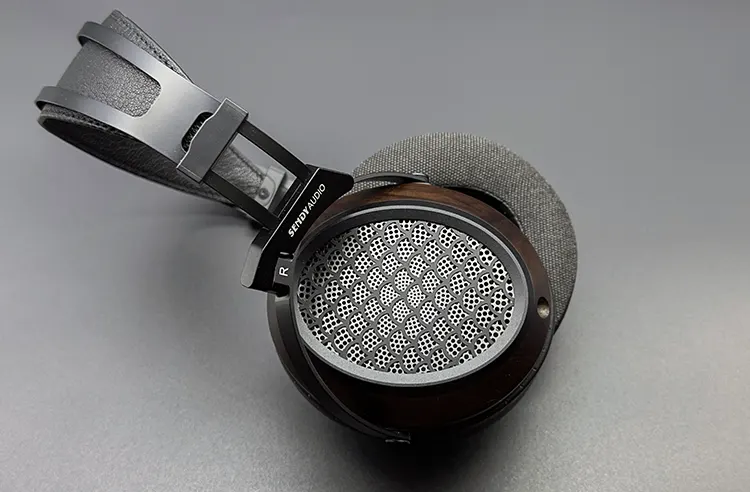
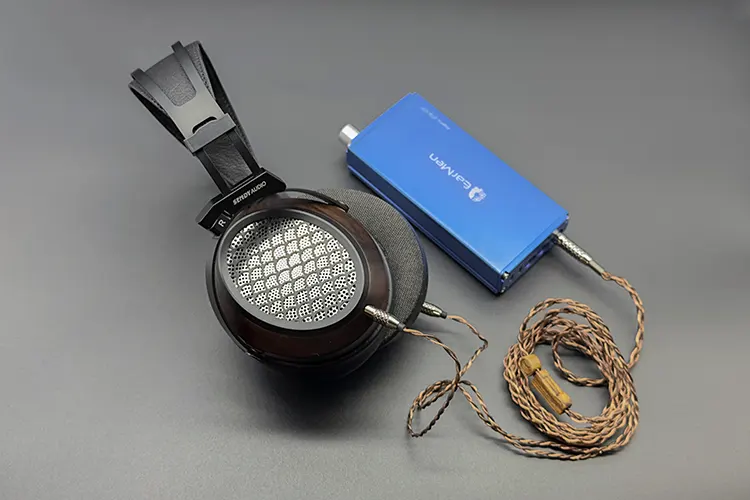
The Aiva 2 features an elegant design with wooden earcups and a dual-structure headband comprising a metal arch with a leather strap beneath it. The wooden cups are crafted from solid zebrawood, and the polished outer grille displays a geometric scale-like pattern resembling a mermaid’s body.
Between the two, I prefer the Aiva 2’s design, which feels more premium. Even with slightly more weight, the Aiva 2 is quite comfortable to wear, thanks to its lighter clamping force. The HE600 puts extra pressure, which can bother people with larger heads.
On both headphones, the cable connects using dual 3.5mm mini jacks at the earcup ends. The cable on the Aiva 2 is a 4-wire 6N OCC and has a far superior build and appearance compared to the HE600.
HIFIMAN clearly did not bother much with the HE600’s cable. Moreover, the Aiva 2 comes with a stylish and durable headphone case. Moreover, the Aiva 2 comes with a nice-looking, durable headphone case.
Performance
Listening closely, you’d feel that both the IEMs are quite close in tuning, with the HE600 presenting a more detailed and refined sound, along with a grander and more immersive soundstage.
The HE600 has more impact in the bass in both the sub-bass and mid-bass regions. The Aiva 2 may be lacking in quantity, but it makes up for it with excellent quality; thus, the bass is enjoyable on both. The HE600 resolves the bass better and presents bass texture well, revealing more details.
In the midrange, the Aiva 2 is slightly relaxed and has a musical inclination rather than a technical one. The lower midrange lacks body compared to the HE600. The HE600 has a more neutral tilt and focuses on clarity and details, with just enough musical richness.
In the upper midrange, the HE600 is slightly forward and is the more expressive of the two, with a touch more energy giving the instruments and vocals a refined extension. This region feels pulled back and relaxed on the Aiva 2.
On tracks with stronger treble presence, the Aiva 2 can fail to resolve them as effectively as the HE600, sometimes mixing and blurring notes. The HE600 does a better job with treble-heavy tracks, keeping the details intact without much overlapping.
The Aiva 2 lacks smoothness in the treble and appears to have a hot treble due to the exaggerated upper treble region. The HE600 maintains evenness throughout the treble range without ever sounding sharp or edgy.
The soundstage on both has a similar width, but the depth and height perception are better on the HE600.
The spacing among the instruments and vocals is laid out more coherently on the HE600, adding to a more engaging soundstage. Imaging again goes to the HE600, which feels a bit more precise and accurate.
My Verdict
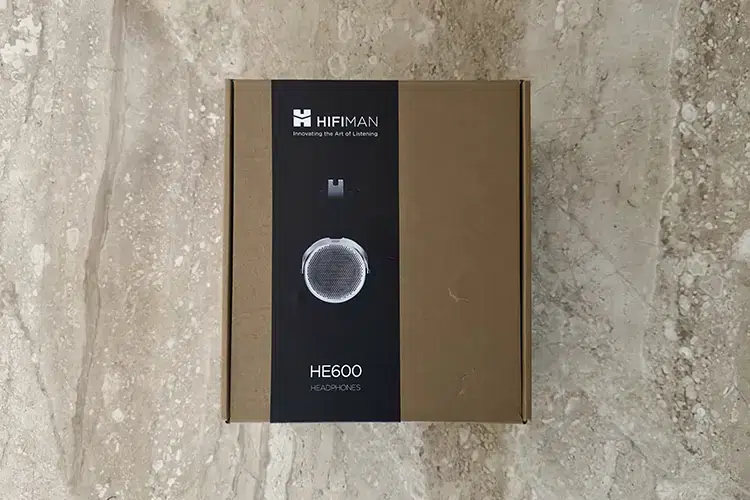
When the HE600 was announced, HIFIMAN said they were releasing it as an upgrade to the much-coveted HE6. The tuning has quite a few changes, deviating a lot from what the HE6 offers, making it an altogether new sound.
Compared to the HE6 series of headphones, the bass loses some of its charm, but the tuning is quite refreshing and vibrant this time.
The new changes are enjoyable, but for me, it is a different-sounding headphone and cannot be labelled as an upgrade. The texture and resolution that the HE6 series of headphones carried seem to be missing in the HE600.
HIFIMAN has trimmed down some weight with the HE600, making the fit easier; however, the build is not as robust as the HE6 series.
If you have a large head, the clamp force can bother you and make it a bit uncomfortable. For me, it clamps a bit more than I prefer, but it did not deter me from having good times with the HE600.
In the end, if you see the new HE600 as an upgrade to the HE6, you may be a bit disappointed. To genuinely upgrade the HE6, it would need a lot more than the HE600 offers, as the HE6 is still held up as one of the best headphones out there.
However, if you see the HE600 as one of the regular releases from HIFIMAN without relating it to the HE6, you may really like it and find it impressive, as I did.
HIFIMAN HE600 Specifications
- Style: Over-the-ear, Open back
- Driver Configurations: 97×76mm Double Nepheline Magnetic Array Planar
- Frequency Response: 8 Hz – 65 kHz
- Impedance: 28 Ω
- Sensitivity: 94 dB @ 1 kHz
- Weight: 389 g
- Cable: crystalline copper cable with dual 3.5 mm TRS terminals
