

Synergy
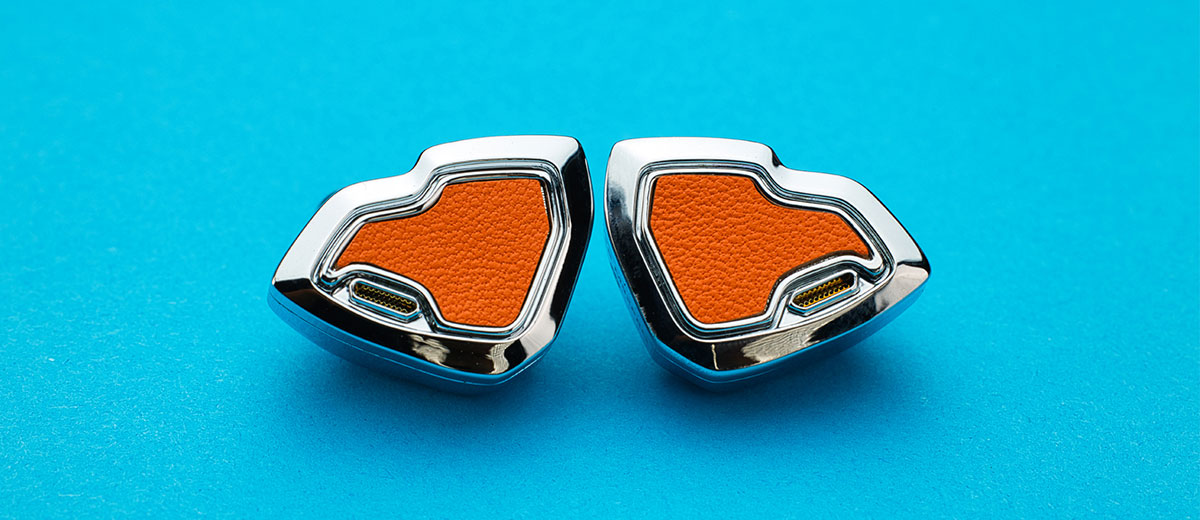
The MS2 PRO has an above-average actual sensitivity, which I must adjust by turning down the volume after switching from other IEMs, most of the time.
I hear no noise when connected to the sources, and no music is playing. The MS2 PRO is not sensitive enough to pick up any radio frequency interference or noise from the sources.
I also find it very easy to drive. I tried it with low-powered, small, tail-styled dongle DACs, and there are no signs of struggle when powering the MS2 PRO, even at above normal listening levels.
Pairings
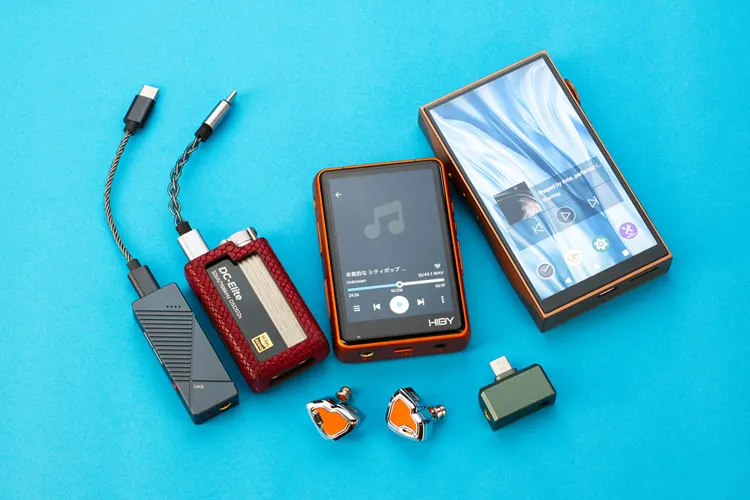
When used with the small dongle, Celest CD2, the warm tone of the CD2 is revealed in this combination. The treble peaks are not as apparent as with other, less warm sources. Soundstage is spacious, and I highly recommend this pairing.
Just because the source has a warm sound signature, it doesn’t mean it’s a good pair with the MS2 PRO. I don’t like the xDuoo Link10 when paired with the MS2 PRO; the warm, dry treble and lack of transparency in the Link10’s treble rendition make the sound too dull.
The MS2 PRO and iBasso DC Elite make a good pairing. MS2 PRO reveals most of the details provided by the DC Elite. For the most detailed experience with your MS2 PRO, pair it with the DC Elite. It is expensive for a dongle DAC, though, priced at $450.
The HiBy R3Pro II DAP, with its slightly warm sound and deep soundstage, pairs very well with the MS2 Pro. This pairing reveals the slightly analog sound style and soundstage size of R3Pro II, making this a musically engaging combination worth recommending.
I don’t feel there is a good pairing with the Shanling M3 Plus and the MS2 PRO. The flat frequency response and slightly dry sound presentation of the M3 Plus make this combination a little too dry-sounding and lacking in musical engagement.
There are a lot of details to be heard, but the music seems to lack life. This isn’t my favorite combination.
Select Comparisons
Celest Ignite X Beast
Technical & Design
Similar to the MS2 PRO, the Celeste Ignite X Beast is a hybrid 1+1 IEM, featuring a 10mm LCP diaphragm dynamic driver and a custom balance armature driver.
It has an average sensitivity of 106 dB, which is lower than that of the MS2 PRO. However, in actual listening, they are about equally sensitive and have an impedance of 16Ω.
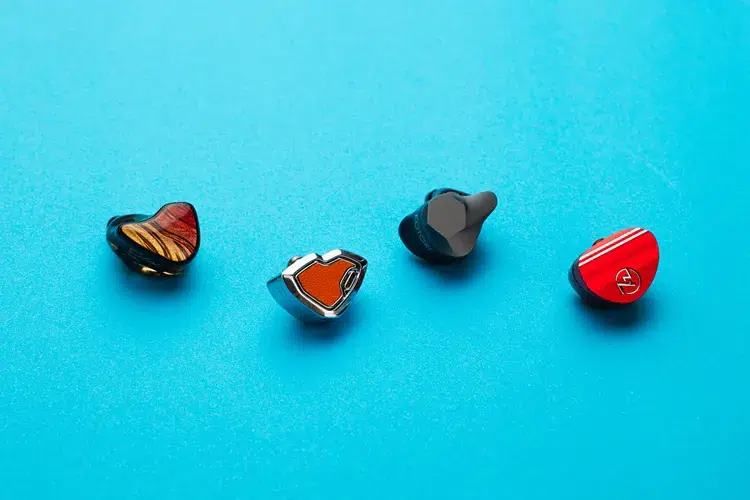
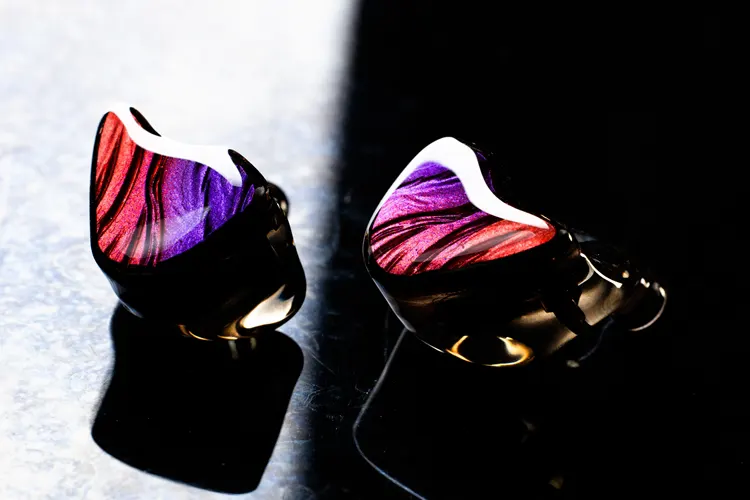
Ignite X Beast features an attractive 3D-printed resin shell with a nice graphic design on the faceplate. It feels substantially lighter than the MS2 PRO, but both are equally comfortable to wear.
It includes a black cable available in Type-C and 3.5mm connector plugs, but with a slightly thinner diameter.
Performance
There is not a massive difference in sound signature between the two; MS2 PRO leans slightly towards V-shaped, while Ignite X Beast leans towards neutrality with a slight forwardness in the lower treble.
The Ignite X Beast features a more neutral bass with a more pronounced subbass than the punchier, midbass-focused rendition in the MS2 PRO. Both have a similar midrange presentation, but Ignite X Beast offers slightly more upper midrange.
I find the Ignite X beast to have better treble smoothness, extension, detail, and air. It has a more relaxed and neutral treble presentation compared to the MS2 PRO, which is more forward and slightly peaky in the lower treble range.
The Ignite X Beast has a bigger and wider soundstage. The Ignite X Beast’s soundstage has a more natural, outdoor feel, while the MS2 PRO feels more intimate and smaller, but it is not bad at all.
The MS2 PRO outperforms the Celest Ignite X Beast in terms of imaging performance. It is simply more accurate and defined; the center vocals sound more palpable and more apparent than the Ignite X Beast’s diffused and inaccurate imaging performance. MS2 PRO wins this round.
7Hz Sonus
Technical & Design
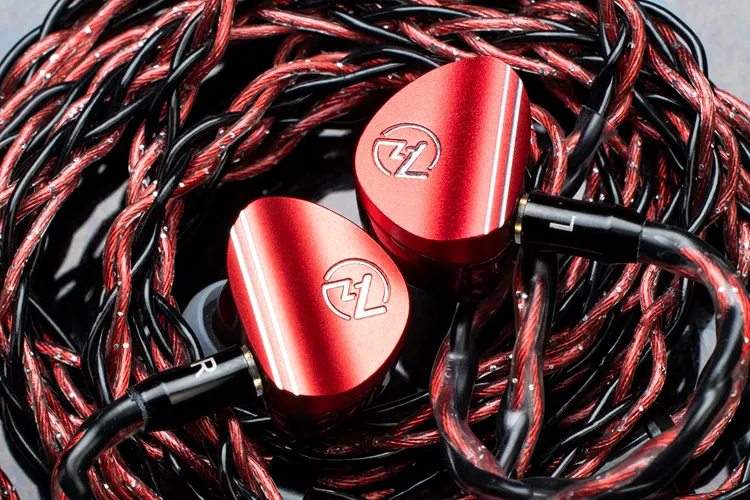
The 7Hz Sonus has been around much longer than all the IEMs in this review, but it is still a current model from 7Hz. Sonus is also a 1+1 hybrid with one dynamic driver and one balanced armature driver.
It has a sensitivity of 109 dB, which is slightly less sensitive in actual use compared to the MS2 PRO, and an impedance of 30Ω, making it an easy load.
The Sonus features a plastic shell with an attractive, red anodized aluminum faceplate, also available in black and silver. It has an unusual-looking flat-shaped stock cable with a silver color and a fixed 3.5mm plug.
Performance
The Sonus has a more neutral and slightly U-shaped sound signature, with less bass boost, a somewhat relaxed upper midrange, and more upper treble compared to the MS2 PRO, which has more midbass and lower treble boost, forming a V-shaped sound signature.
There is not much difference regarding soundstage size. I find the Sonus to have a bigger soundstage, but not by much. But when it comes to imaging, MS2 PRO is better.
The forward lower treble made the center image more focused and stable, and the vocalist had a more palpable presence in front of me.
Regarding dynamics, not only is MS2 PRO more dynamic, but I also find it more sensitive, as I have to reduce the volume switching from Sonus.
I find the MS2 PRO to be more responsive to large dynamic swings in the music, which could be attributed to its V-shaped tuning, resulting in a more contrasted sound.
Overall, I estimate that the MS2 PRO’s livelier and more dynamic sound, along with better imaging, will be more likable to younger listeners or those seeking a fun-sounding set.
At the same time, the Sonus is more suitable for more mature listeners who prefer a more relaxed sound.
Kotori Audio Zephyr
Technical & Design
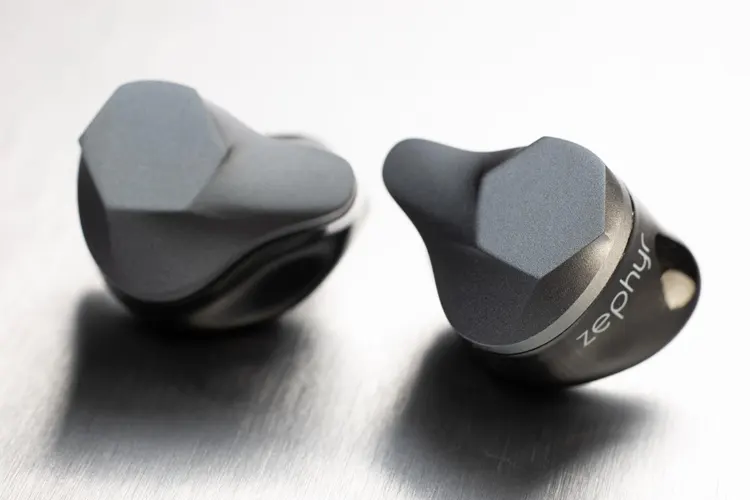
The Kotori Audio Zephyr is another 1+1 hybrid with a 10mm titanium-coated dynamic driver and a Knowles balanced armature driver.
It has a sensitivity of 92.6dB, which, on paper, looks drastically less sensitive, but in actual listening, it’s not much. Zephyr has an impedance of 18.3Ω.
The Zephyr drivers are housed in a 3d printed resin shell with a uniquely shaped aluminum alloy faceplate design.
It includes an OFC Silver-plated Copper Litz cable with a Gold-Plated Right-Angle TRS 3.5mm Plug and a 0.78mm 2-pin termination. It has a total of 4 cores with 28 AWG wire thickness.
Performance
Zephyr is very neutral in tonality; it has a flat bass response with only a slight boost, but not enough to make the sound warmer than it should be.
It has a less pronounced upper midrange response hump and a neutral treble. Compared to MS2 PRO’s V-shaped sound, with more midbass and lower treble response.
There is a big difference in the way the soundstage is presented. Zephyr’s only has a slightly bigger soundstage.
Still, all instruments and vocals seem to come from further away, compared to MS2 PRO’s closer placement of the instruments and vocals. And again, the size difference is only slight.
The MS2 PRO is superior in imaging, while both offer stable imaging capabilities. The center image is more focused and defined with MS2 PRO, compared to the slightly defused center image of the Zephyr.
There is a noticeable difference in dynamics; the MS2 PRO sounds more energetic and exciting than the Zephyr’s more relaxed and even sound.
The MS2 PRO sacrificed sound refinement for a livelier and more engaging presentation, as opposed to the more comfortable, refined sound of the Zephyr.
Comparing the two, it became apparent that they are tuned for different types of listeners. MS2 PRO is designed for individuals seeking a fun and lively sound with good imaging, while the Zephyr is intended for those who prefer a slightly relaxed neutral sound.
My Verdict
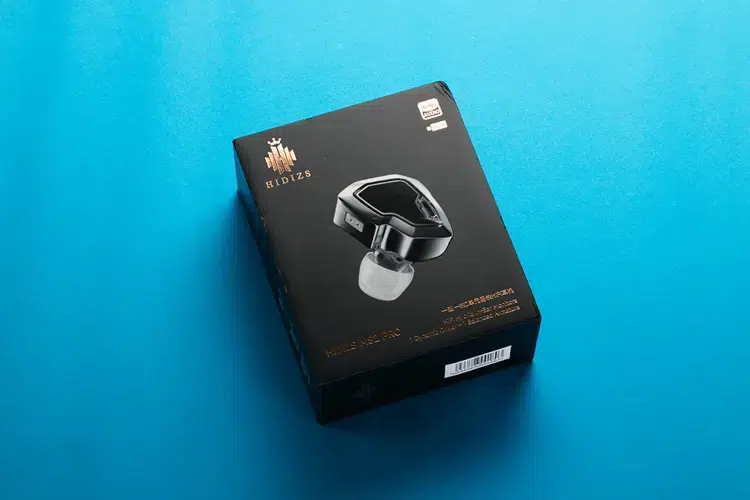
I appreciate how the Hidizs MS2 PRO can produce good sound with ease, even with lower-powered sources. I also like its good imaging performance, which is above average for the price. However, it requires careful source pairing, as it can sound dull with dry or flat-sounding sources.
I don’t mind its slightly spicy sounding treble, which I find to be good, as it adds a little excitement to the sound. However, my only gripe about the MS2 PRO is the seemingly laid-back presentation of air in the upper treble.
Overall, the hybrid dynamic and BA driver Hidizs MS2 PRO IEM will appeal to price-conscious music listeners seeking good imaging performance and the ability to change the tuning via nozzle filters to suit individual tastes.
If one is careful with source pairing and has a source that matches well with it, I believe the Hidizs MS2 PRO can give a musically satisfying experience.
Hidizs MS2 PRO Technical Specifications
- Dynamic Driver: 10.2mm Dual-Magnetic Circuit & Dual-Cavity Dynamic Driver
- Balance Armature Driver: HIDIZS Silvercore BA™ High-Frequency BA Driver
- Diaphragm: Aerospace-Grade PU+PEEK Composite Diaphragm with Nano-Scale DLC Coating
- Appearance: – ZA12 Zinc Alloy Integrated Molding
- 3 HIDIZS Pneumatic Sound Tuning Filters: High Frequency, Balanced, Low Frequency
- Color Option: Midnight Black/ Royal Blue/ Sunset Orange
- Frequency Response: 20Hz-40Khz
- Sensitivity: 111 dB
- Impedance: 17Ω
