

Synergy
Cable selection
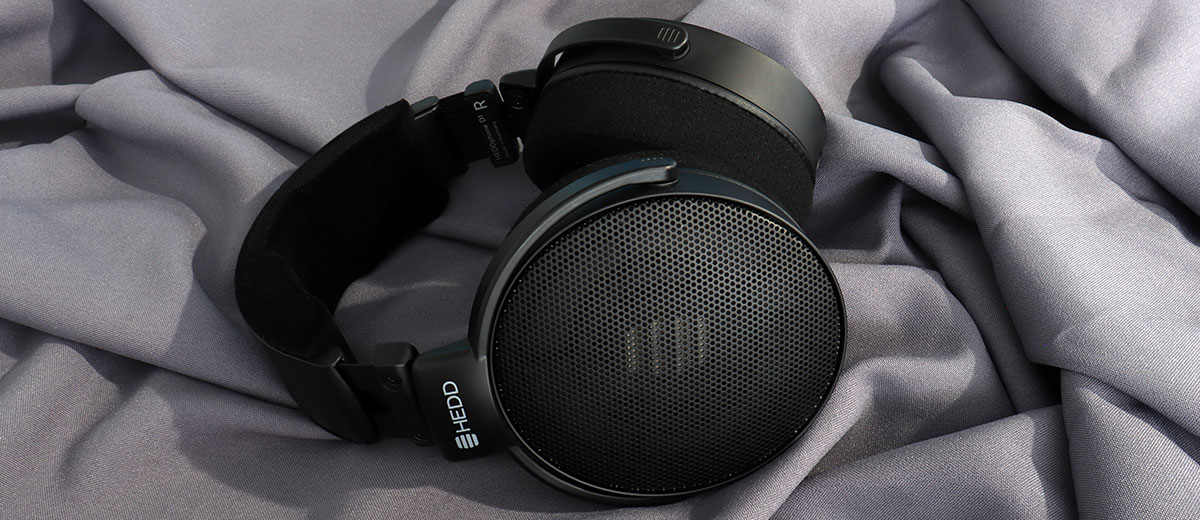
The HEDD Audio D1 is a dynamic driver headphone that is prone to amplification tonality and cable selection. I tested three different cables, including the stock cable, to see how sensitive these cans are to cable rolling. Indeed, they are.
First off, I tested a Meze Audio upgraded cable, which is made of silver, and using it produced more pronounced high frequencies and high frequency shimmer, but it was also the lightest in note weight.
I used to make my own cables, and broke out an old copper cable I made with Neutrik connectors and lead solder. This one gave me balance and was the warmest of the bunch. My cable was my preferred sonically since it tended to quell the 2kHz area, which is what the D2 needs.
The stock cable was an in-between, sonically clueing me in that the cable used was a copper cable with a silver coating. But it produces that 2k peak, while the pure copper did not, to my ears, at least.
The all-silver variant also produced the peak, but was remedied by producing better transients and not taking that frequency area into harmonic distortion.
Efficiency
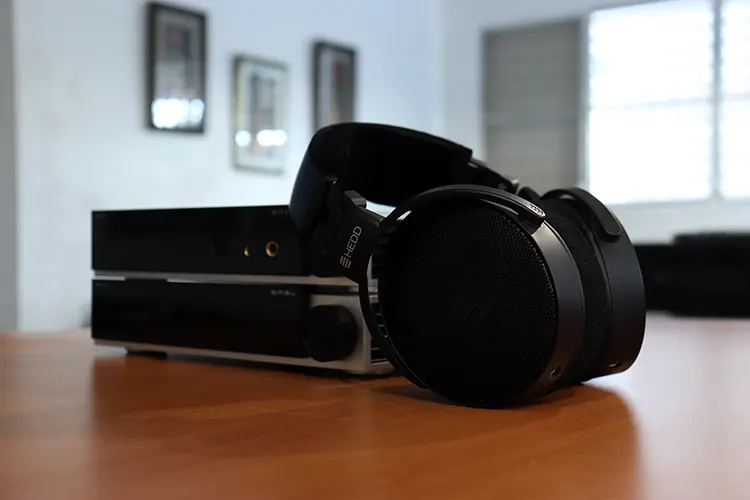
I pulled out Meze Audio’s dongle that came with the 99 Classics Gen 2, and to be honest, this device and others similar to it, for example, like the FiiO JIEZI, won’t cut it for most of our readers. Use the FiiO QX13 and brace yourself. Make sure the volume is low before engaging.
With that said, the HEDDphone D1 requires good amplification, although some low-power sources over 200mW are game.
But I would hesitate to use the HEDDphone D1 with the ultra-low power gear since it sits at a tier above most devices and dongles of that power rating, and they do benefit from high-quality sources.
Pairings
With the HEDDphone D1, you get some source sensitivity, and it’s a good headphone for source experimentation.
The funniest results I got were with the HEDDphone D1 combined with the Meze Audio dongle, which, although the combo won’t win any brownie points for rumble, happened to produce the tallest soundstage.
My FiiO M11 Pro produced a tight, tart sonic signature that brought out the analytical aspect of the HEDDphone D1 forward and center. The SMSL SU-X and SH-X combo produced a powerful, fast responding sonic signature out of the HEDDphone D1.
Something with color, like the Rose Technics RT-5000, tends to add warmth to the HEDDphone D1, contrary to the SMSL stack, but the RT-5000 loses some of the fine detail that can be produced by the SMSL stack combined with the HEDDphone D1.
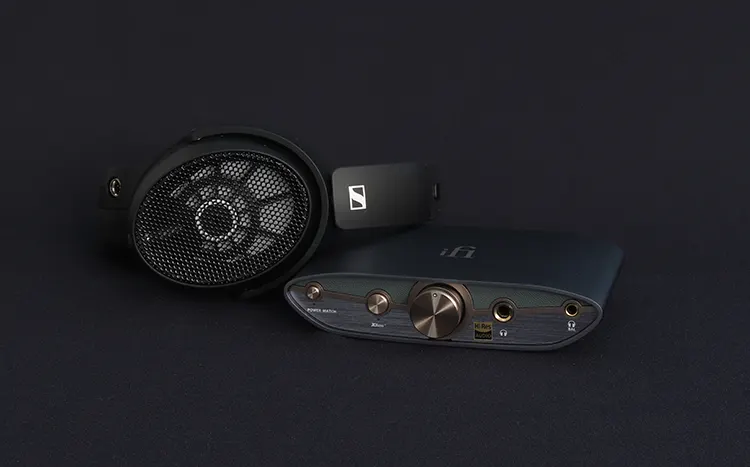
I also got to use the iFi audio NEO iDSD 2 with the HEDDphone D1, and that made a fun-to-listen-to combo since the 3Dspace added the missing space needed to be able to say that the HEDDphone D1 is a wide-sounding headphone. You can also get a whiff of the warmth factor iFi is famous for.
The Xbass also restored some of that ultra-low bass that was missing with other clinical-sounding amp combos like the Topping DX5 II.
However, you can always pop up the PEQ and remedy that, since the HEDDphone D1 is capable of handling a considerable amount of bass increase via EQ.
Select Comparisons
Sennheiser HD 490 PRO Plus
Technical
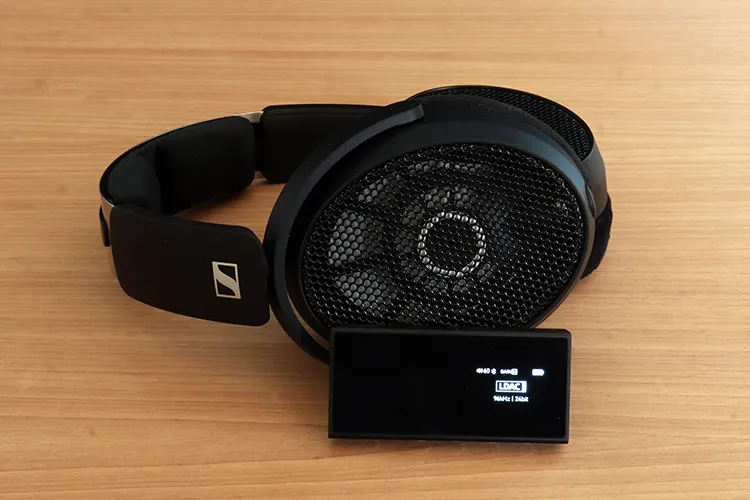
There are a lot of aspects about the HD 490 PRO Plus from Sennheiser that remind me of the HEDDphone D1.
Perhaps it’s their heritage and pedigree? They are constructed similarly and work under the same principle, and are both based on highly researched dynamic drivers and in-house designs.
The HD 490 PRO Plus is sold as a studio monitor, but we ought to look beyond labels nowadays and simply call it a headphone designed for accurate sonic production. The funny thing is that HEDD had that same concept in mind when designing the HEDDphone D1.
Perhaps that is where the similarities lie. Or perhaps in their build? A side-by-side comparison highlights so many similarities. The yokes, the headband assembly, and other construction nuances, like the perforated open-back grill which are also similar.
Design
Both these headphones wrap the user in cloth from top to bottom and are serviceable models in that the pads are common-sized and are easily swappable.
Sennheiser takes it further and throws in an extra set that alters the sonic signature of the HD 490 PRO Plus, giving the buyer two sonic profiles and comfort levels. It’s deluding that with the more costly set, you only get one set.
Where the HEDDphone D1 gets it back is with the connectivity of the cups, since they use the common 3.5mm tip positive and sleeve negative connectivity, they’re easy to go shopping for.
Although the Sennheiser connectors might be the more sturdy connectors, it makes it hard to go aftermarket or even harder to go balanced. Your choices are slim.
Another aspect that we can speak about is the swivel amount on the HD 490 PRO Plus that allows you to lay them flat, DJ style, if you’re into that stuff.
But I would always go for the beefier build just because I want the products I buy to last. Either way, both Sennheiser and HEDD make sturdy models that will last for years.
Performance
If we compare vocals first and directly, the HD 490 PRO Plus tends to warm up male vocals, and they also sound larger in the amount of space they occupy. Female vocals sound natural on both sets.
The overall sonic character of the HD 490 PRO Plus gives the listener a flatter, or neutral-sounding interpretation of the source.
Where the HEDDphone D1 shines over the HD 490 PRO Plus is in the amount of microdetails that they can extract. The D1 scores higher in this category and overall forwardness.
The HD 490 PRO Plus is the more “chilled’ listen, and they tend to be best for a relaxing listening session and tend to be the more soothing of the two.
The HEDDphone D1 is also the more efficient of the two, and you gain a few decibels overall using the same amount of power from the identical source.
From my testing, the HEDDphone D1 is best for those who want to use clean, low-powered gear but will perform optimally in an upscale scenario.
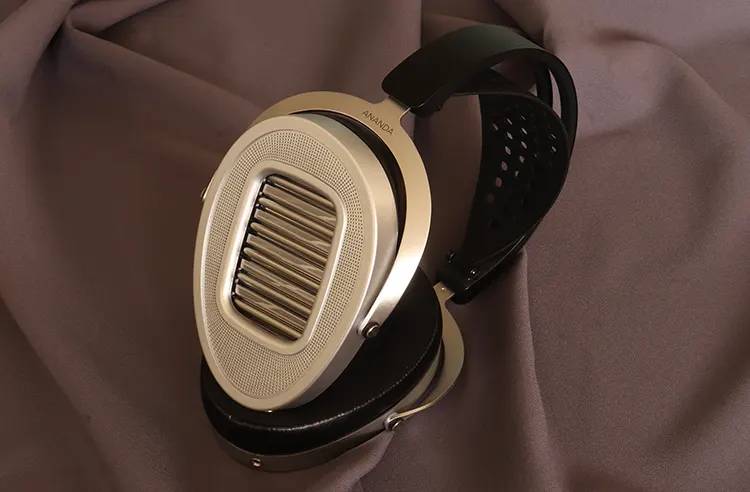
HIFIMAN Ananda Unveiled
Terchnical
Everyone who knows me knows that I always recommend the thesis and antithesis of what is being asked for as a recommendation. If there is an antithesis to the HEDDphone D1, it’s the Ananda Unveiled.
The Ananda Unveiled is one of HIFIMAN’s latest go at expanding their Unveiled lineup and bringing the Unveiled tech to the Ananda line.
The Ananda Unveiled uses a serious array of dual-sided magnets to move the large diaphragm that emits the signature large, holographic panorama of sound HIFIMAN is popular for. These two are night and day, as they say.
Design
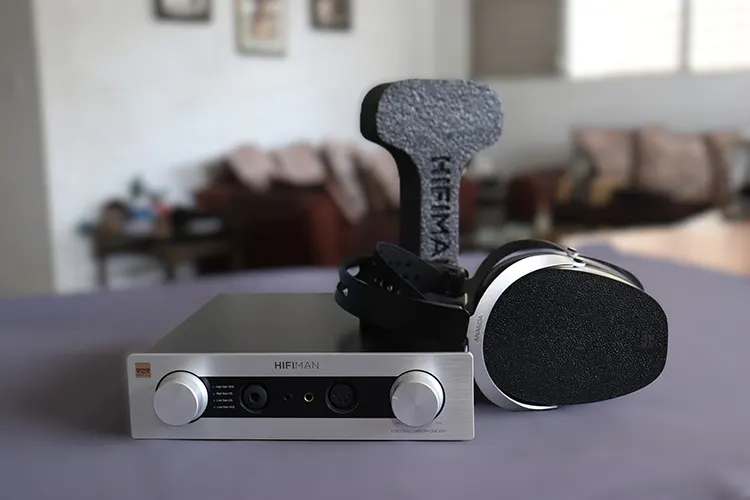
I do like the HIFIMAN new style headband assembly, which combines the headstap comfort with a more durable design that seems to be serviceable to a certain point.
I also like the fact that both these headphones can swap each other’s cables. I like it when manufacturers standardize things because that makes it easier when you want to take your gear to another level by obtaining a high-tier quality cable assembly.
Performance
The first thing I noticed doing direct AB comparisons between these two was the efficiency level differences.
The Ananda Unveiled is very efficient for a planar magnetic, but you have to commit yourself to feeding them with heavy-duty gear, making them take a back seat for portable use.
If you feed them adequately, I tend to like them over the HEDDphone D1, particularly in high-frequency production.
However, the bass had better presence and texture on the HEDDphone D1 when both cans were properly fed, and especially if you use a PEQ or some other means of bass enhancement and apply it to the HEDDphone D1.
Where the Ananda Unveiled shines is in the holographic nature and size of the soundstage, which is taller and wider comparatively.
However, precise positioning was best portrayed on the HEDDphone D1. Another area in which the Ananda Unveiled excels is in the speedy delivery of sound.
But I have to hand it to HEDD Audio for producing a headphone that brings so much forwardness, in detail and presentation, and remains sonically enjoyable.
I consider the HEDDphone D1 the more musical of the two since the Ananda Unveiled tends to be bright-sounding and quite linear.
My Verdict
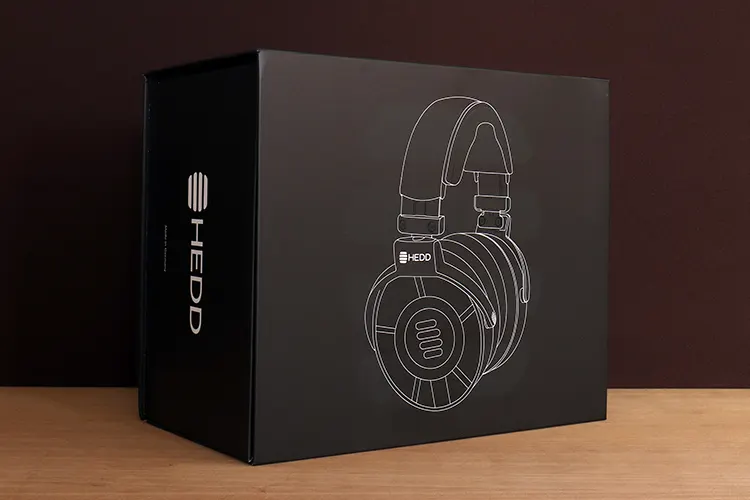
The HEDD Audio HEDDphone D1 is the company’s first attempt at the dynamic driver headphone market, and it’s a good swing at it indeed. The D1 caters to those who are looking for a natural, detailed, and nuanced performance from a headphone.
This is a versatile headphone model that is efficient, scalable, and brings out the gear’s best sonic characteristics, in an overall build that is serviceable, but I highly doubt you’ll need to do any servicing anytime soon.
The HEDDphone D1 is one of my favorite mid-tier dynamic driver headphones I’ve run into this year.
It’s an enjoyable headphone that hits a nice midpoint between being a good headphone for the analytical ear while simultaneously maintaining an enjoyable musical temperament.
HEDD Audio HEDDphone D1 Technical Specifications
- Design: Open back over-ear headphone
- Drivers: dynamic with a thin-ply Carbon Diaphragm
- Frequency response: 5Hz – 40Hz
- Maximum SPL: 100 dB @ 1mW
- Impedance: 32Ω
- Pads: Perforated Velour
- Cable: Textile-covered premium cable
- Inputs: 2 x 3.5mm
- Weight: 350g (net)
